Landscape with a Castle — History & Analysis
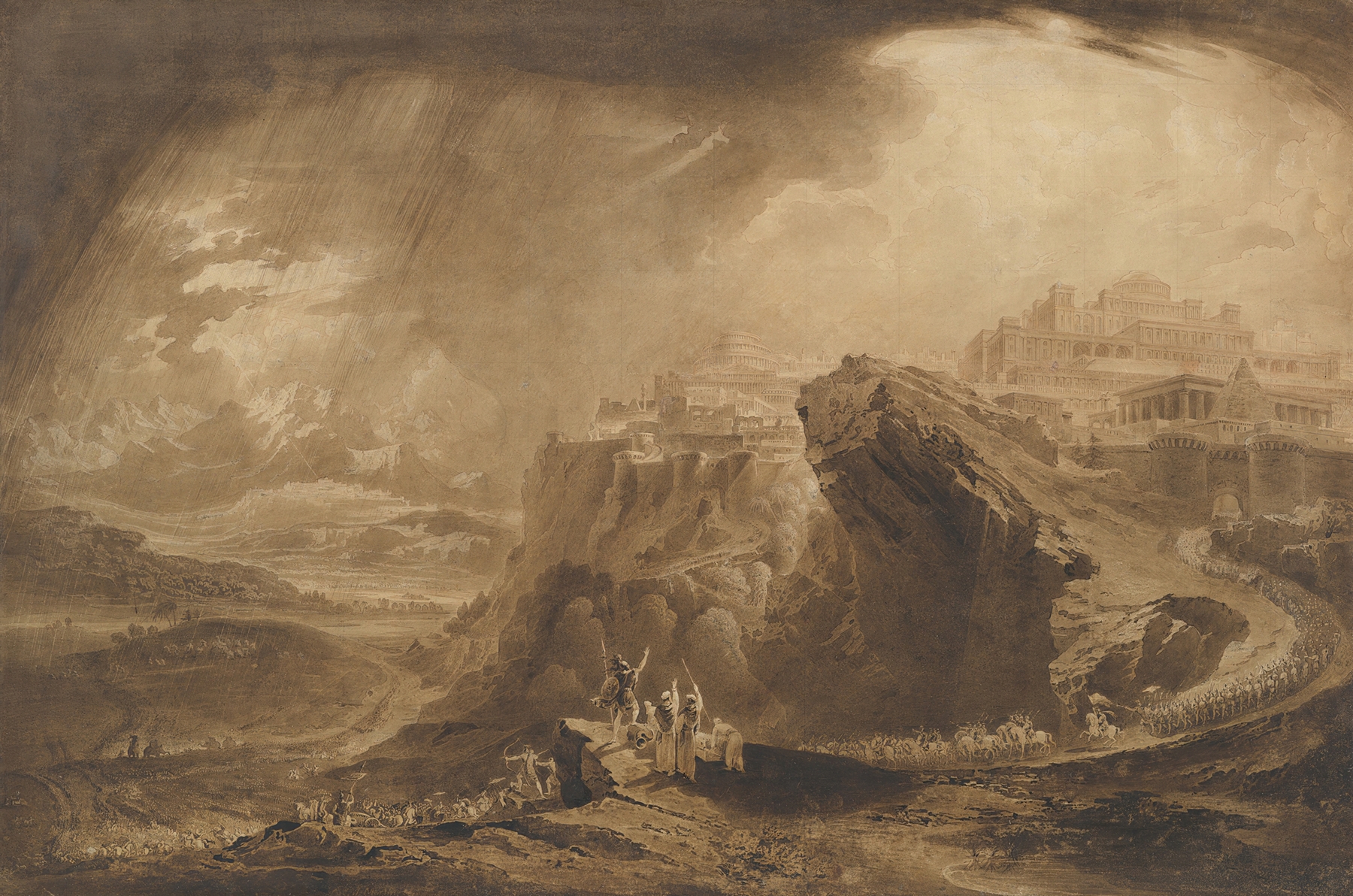
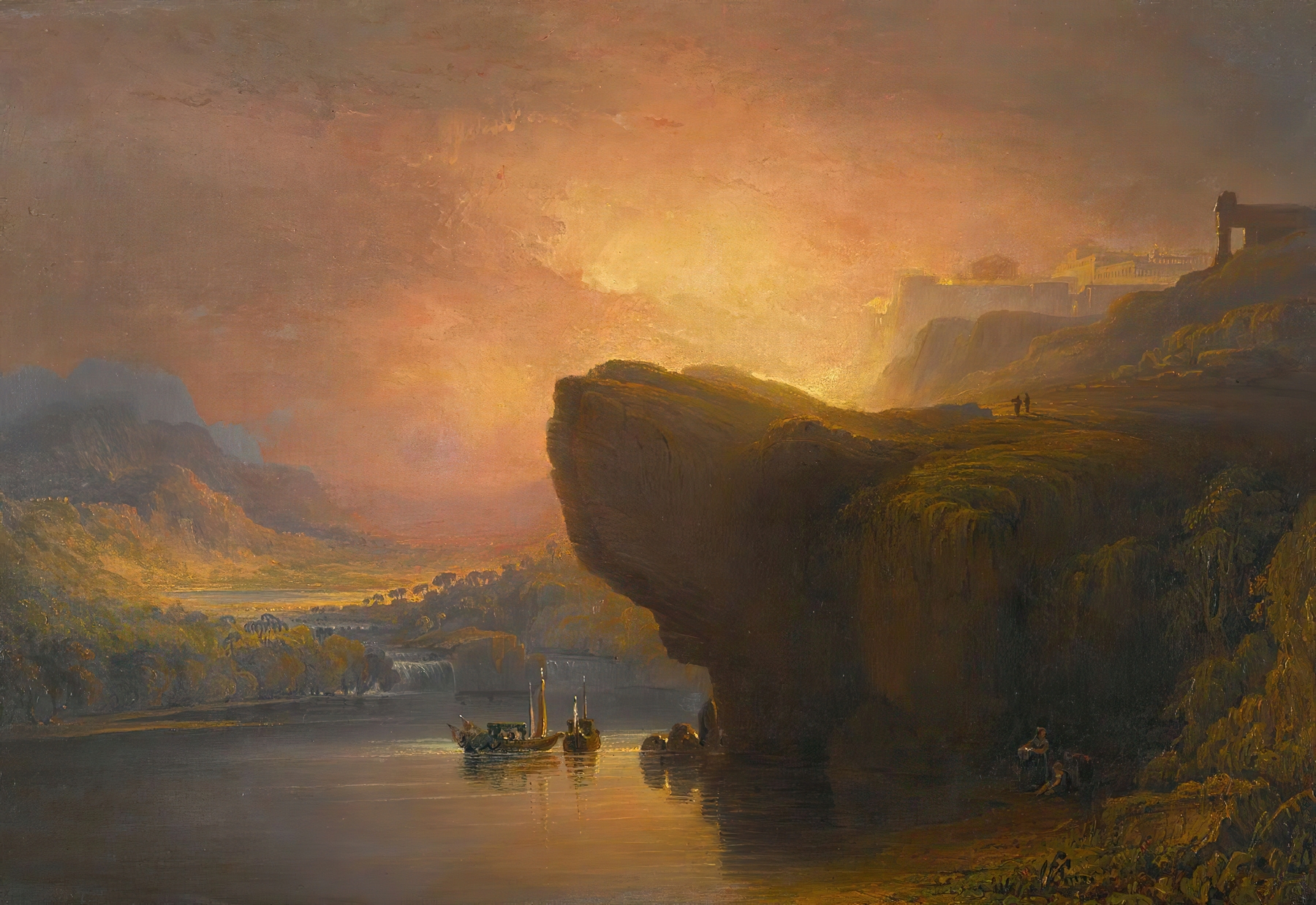
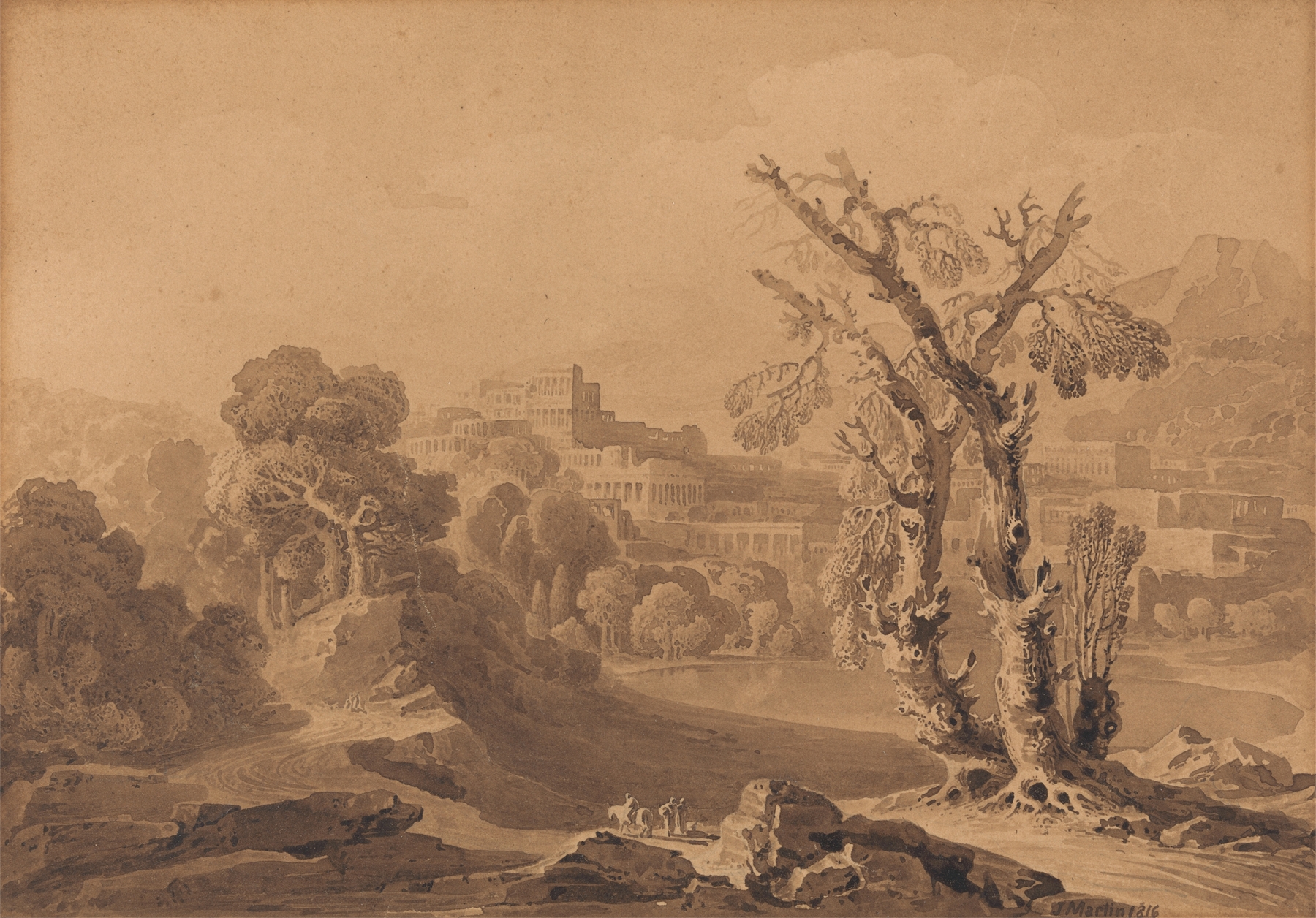
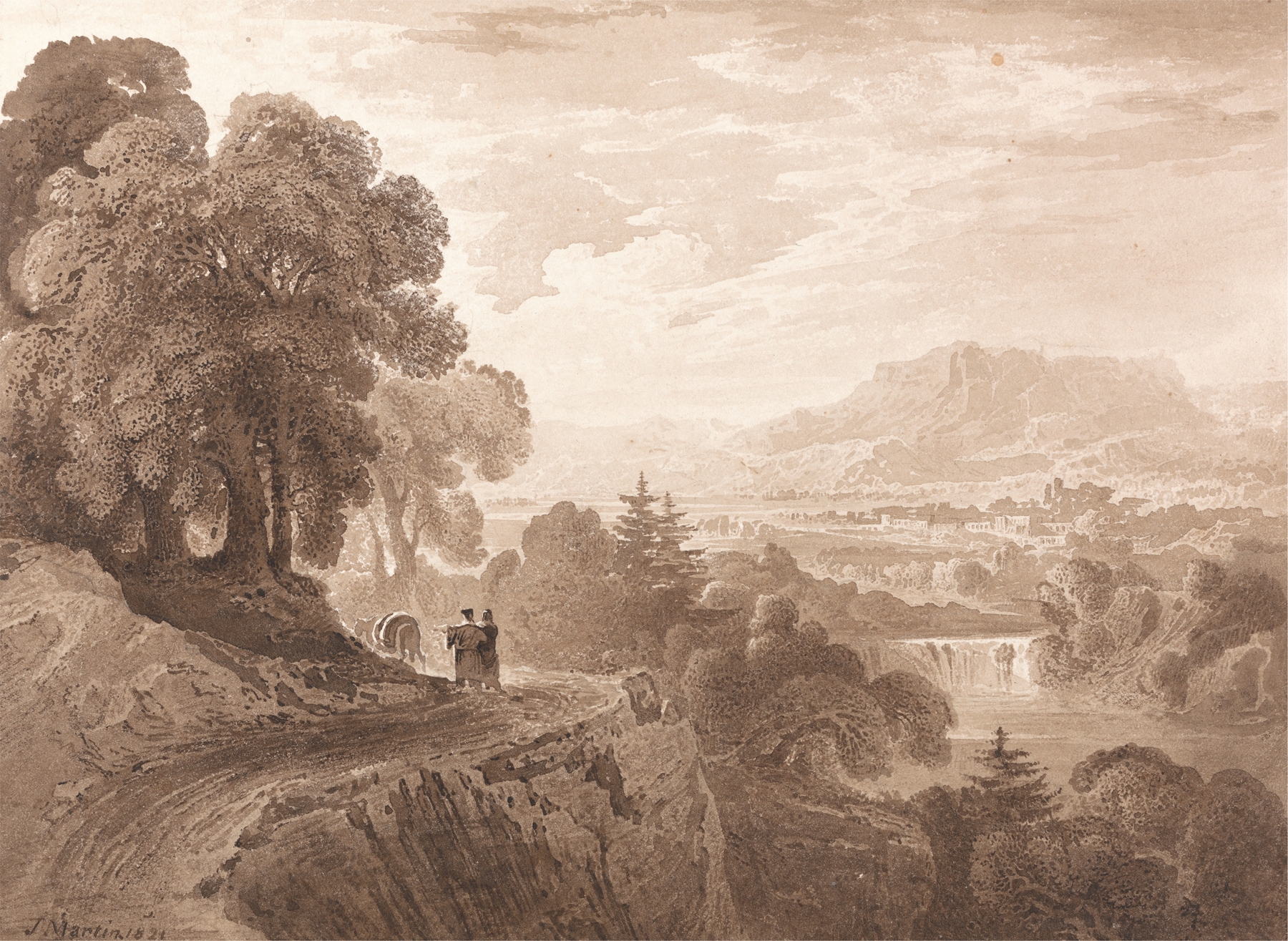
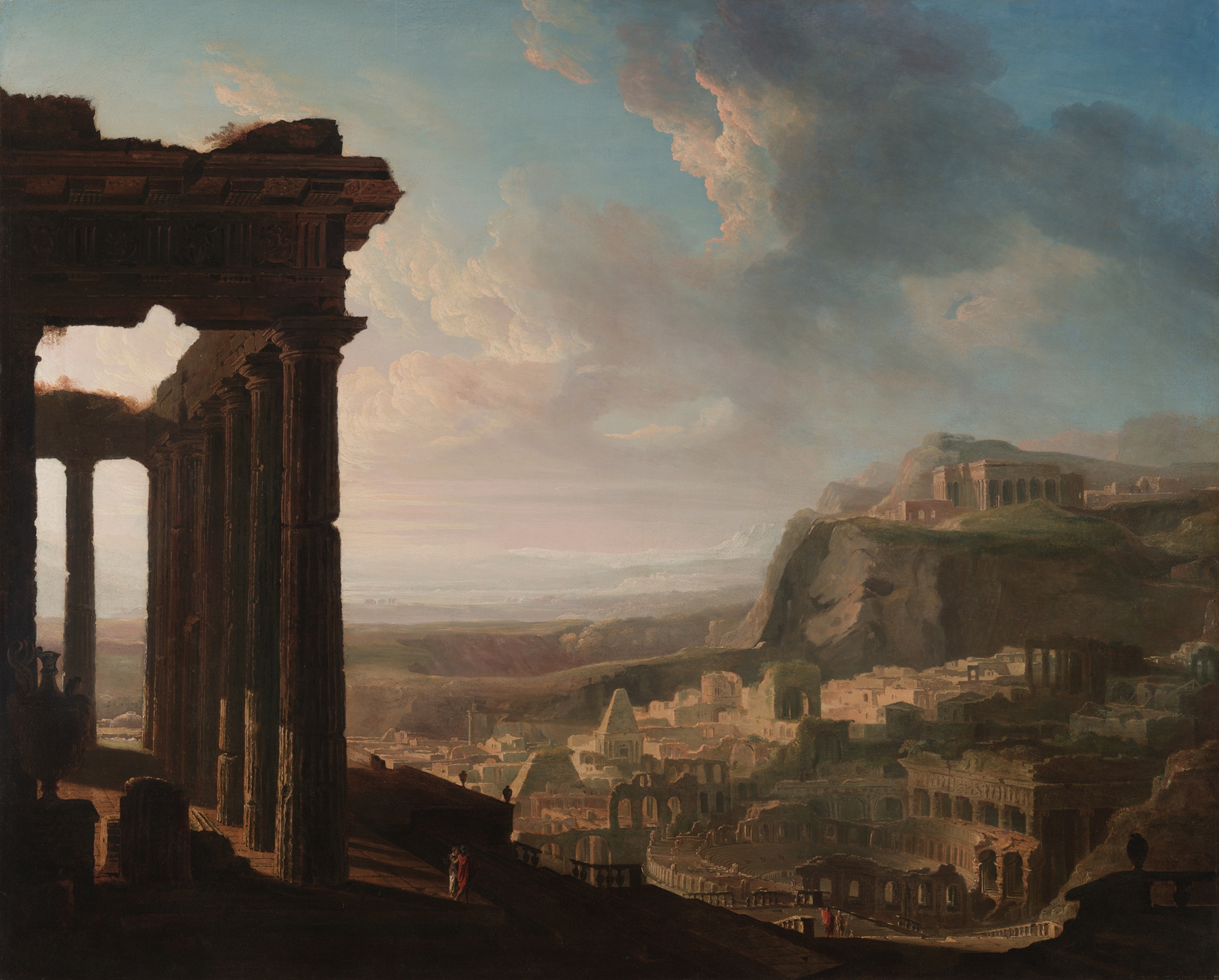
“Between color and silence, truth hides.” In the quiet of a painted landscape, desire unfurls like a forgotten dream, beckoning the viewer into a realm of longing. Look to the foreground where a sprawling field thrives, flecked with dappled greens and soft browns, leading your eye towards a distant castle. The architectural marvel rises majestically against a vast sky, its stone walls bathed in the golden hues of late afternoon. Notice how the clouds swirl overhead, a tumultuous blend of blues and grays, mirroring the emotional tension between nature's grandeur and human ambition.
The contrast of light and shadow plays a critical role here, enhancing the sense of yearning that permeates the composition. Hidden within this idyllic scene lies a profound commentary on aspiration and isolation. The castle, though splendid, stands somewhat aloof, suggesting a separation from the idyllic landscape below. The lush vegetation surrounding it embodies the vibrancy of life, yet the fortress stands firm, a symbol of unattainable desires and the barriers we erect.
This tension between the earthy warmth of the landscape and the cold stone of the castle creates a complex relationship, urging the viewer to reflect on their own desires and the inherent loneliness of pursuing them. In the years between 1815 and 1820, the artist crafted this piece amid a burgeoning Romantic movement, where nature began to be seen as a powerful force in contrast to industrialization. John Martin, known for his dramatic landscapes, was exploring themes of grandeur and the sublime during a period marked by industrial upheaval and societal change. This painting captures not only his vision of an idealized landscape but also the profound emotional undercurrents of a time when humanity grappled with its place within the vastness of nature.