Landscape With A Distant View Of Bolton Abbey, Yorkshire, And The River Wharfe — History & Analysis
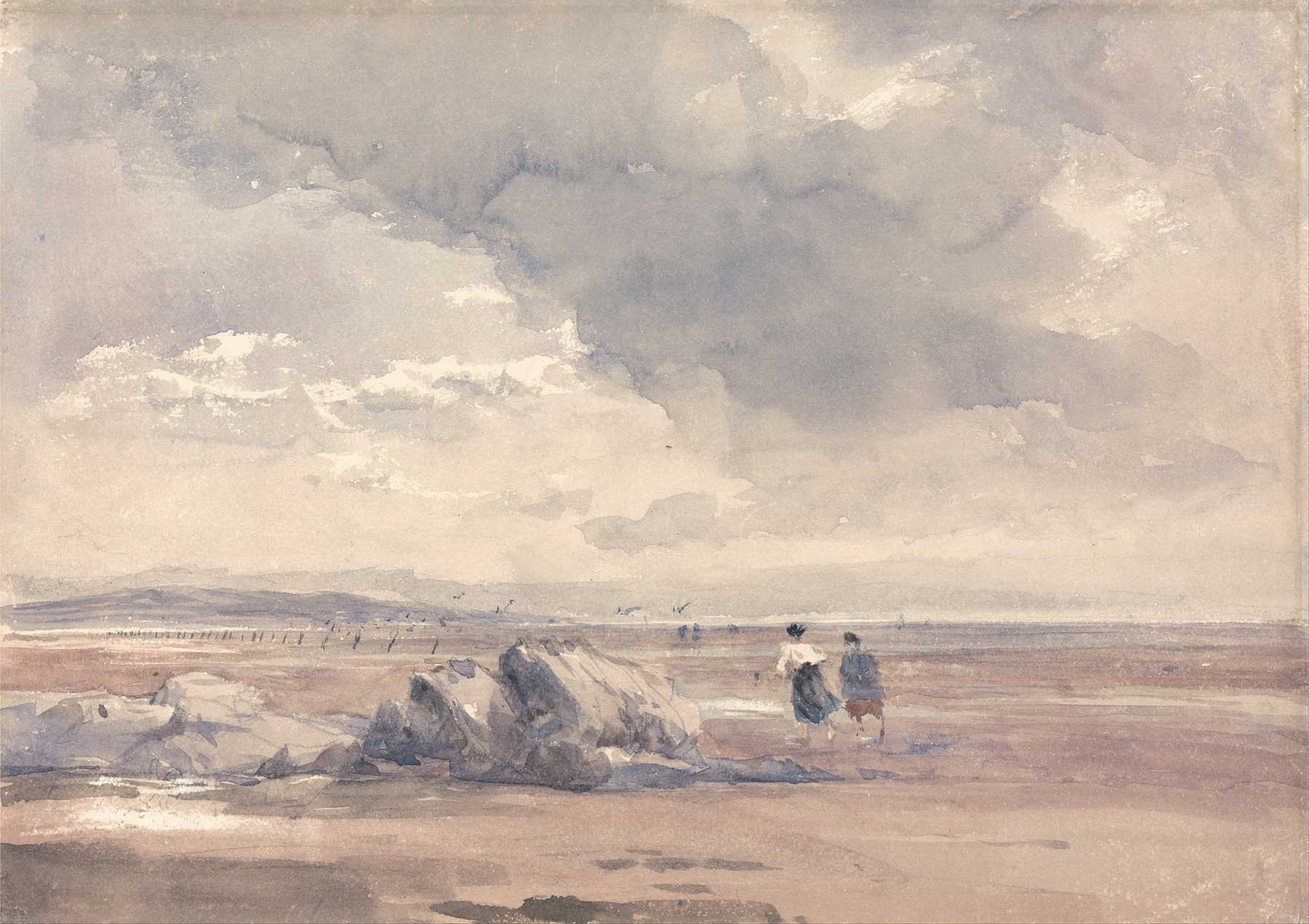
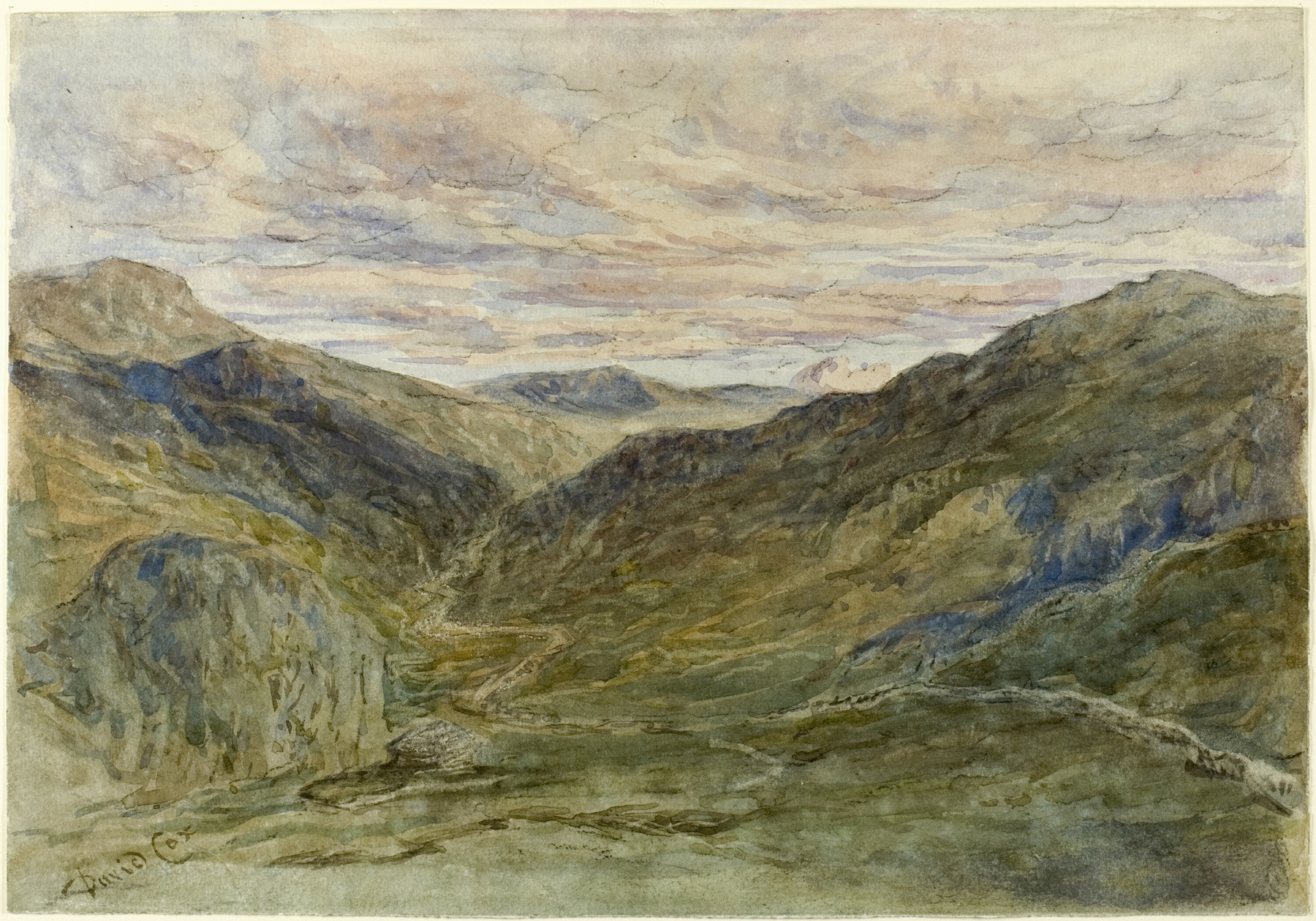
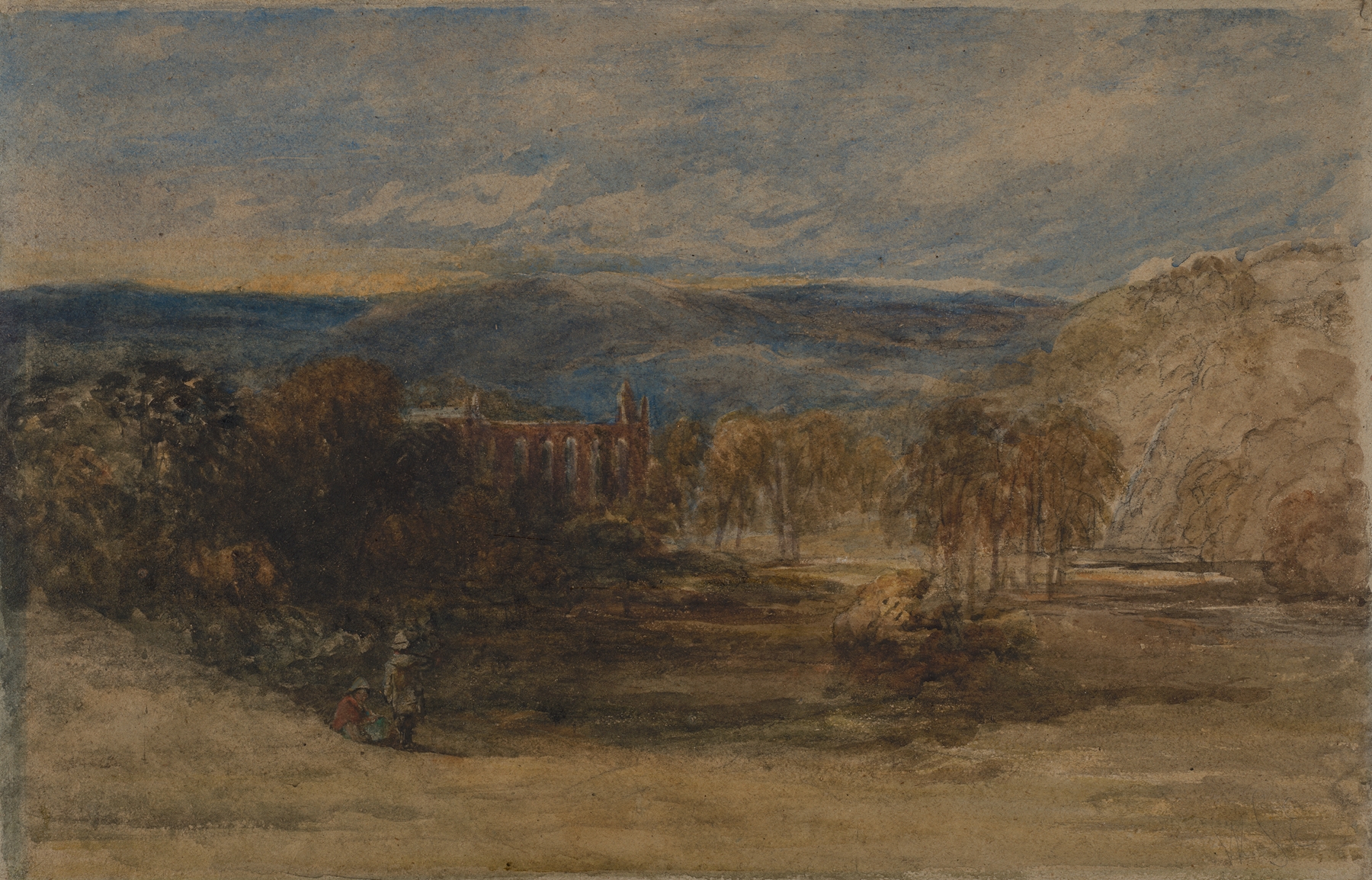
Could a single brushstroke hold eternity? In Landscape With A Distant View Of Bolton Abbey, Yorkshire, And The River Wharfe, a world unfolds where the fleeting moment of light dances upon the surfaces of land and water, inviting contemplation long after the viewer has stepped away. Look to the right at the river, shimmering like a mirror reflecting the sky’s soft hues. The gentle curves of the landscape draw the eye towards the distant ruins of Bolton Abbey, rising from the earth like a whisper of history.
Notice how the clouds, painted in varying shades of gray and white, seem to echo the undulating hills below, creating a harmonious balance between the natural world and man’s ephemeral creations. The color palette, dominated by earthy greens and browns, conveys both tranquility and a retrospective longing. Amidst this serene tableau, hidden tensions emerge. The contrast between the solid, enduring stones of the abbey and the fluidity of the river speaks to the passage of time, where nature’s embrace often softens humanity’s ambitions.
The sky, with its impending clouds, hints at an emotional undercurrent — are we witnessing a moment of peace before a storm, or is it simply a reflection on the beauty that exists even in transitions? Each brushstroke carries its own weight, suggesting that every landscape holds stories both spoken and unspoken. David Cox painted this work in 1848 during a time of significant change in both his personal life and the broader art world, as he navigated the shift from Romanticism to a more subdued realism. Working in the picturesque town of Yorkshire, Cox captured the ethereal quality of natural light while grappling with the evolving artistic movements that sought to capture the essence of landscape in a rapidly changing society.