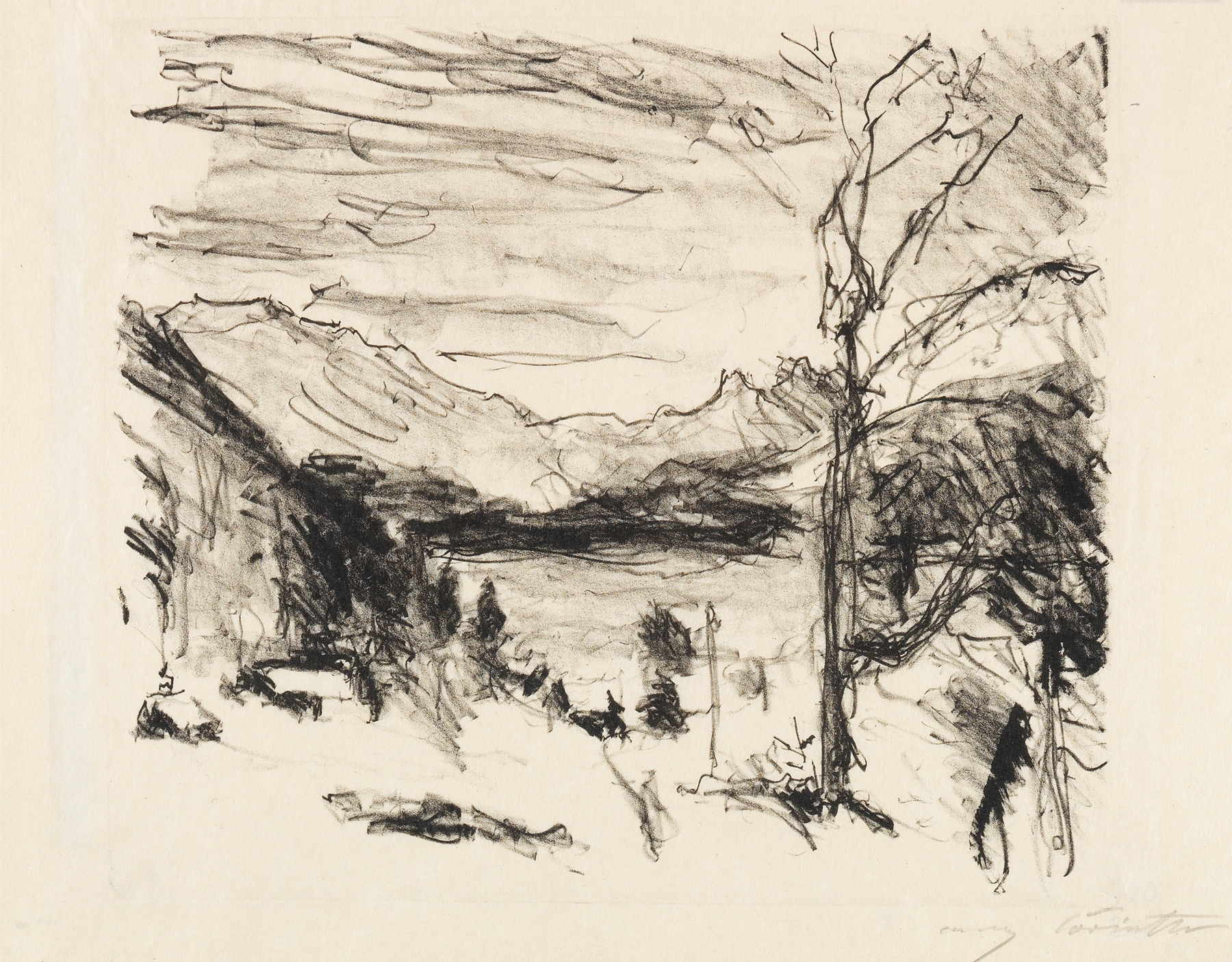
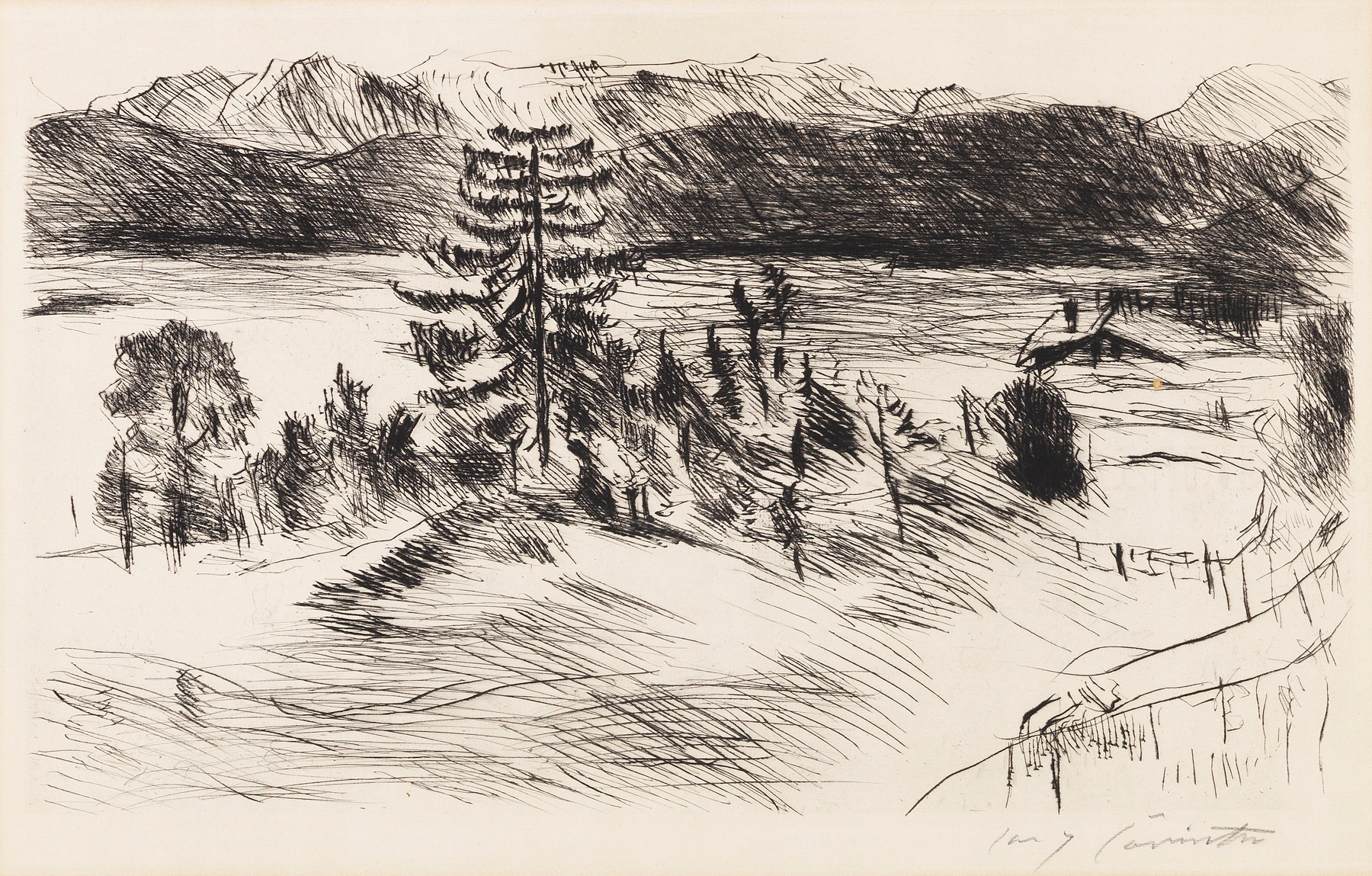
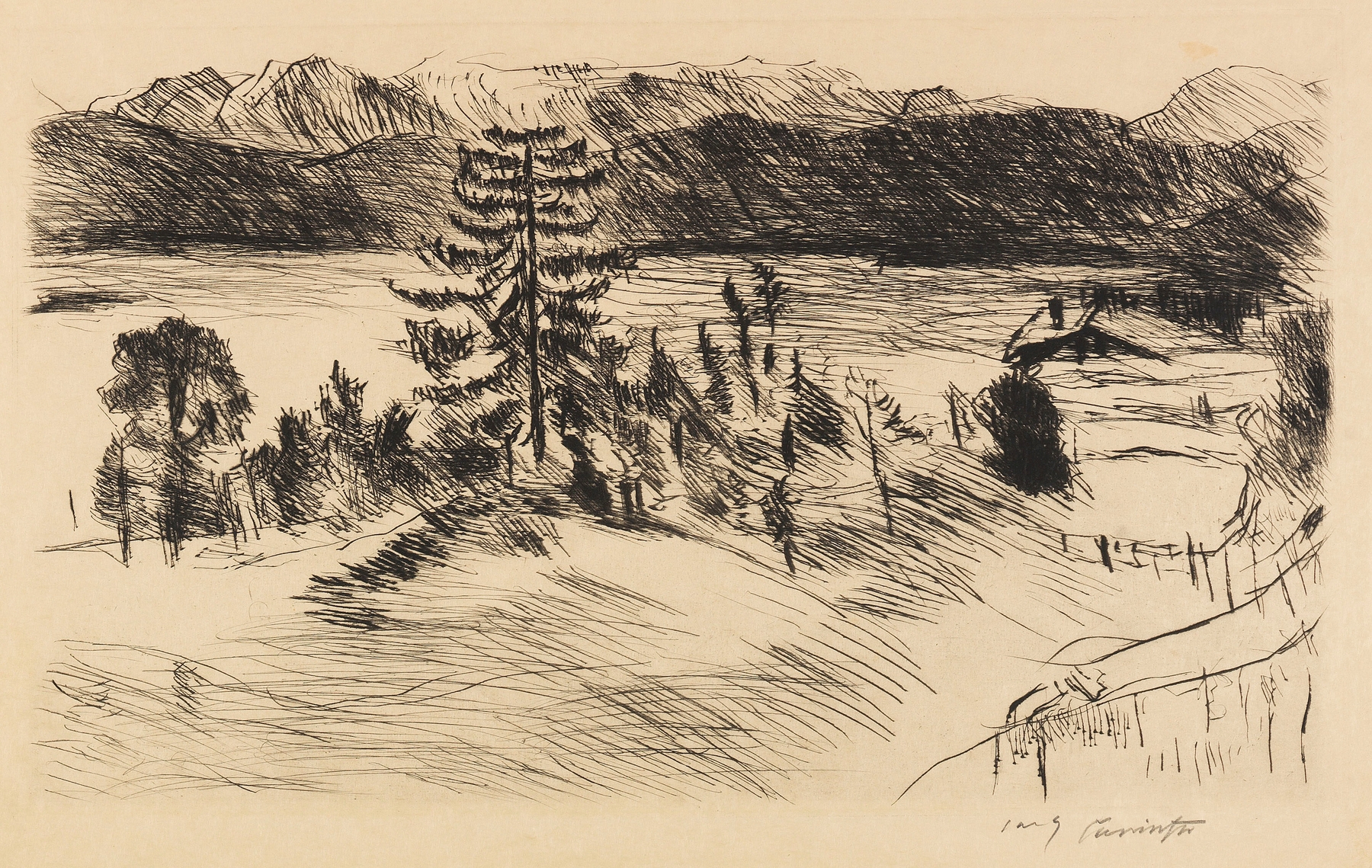
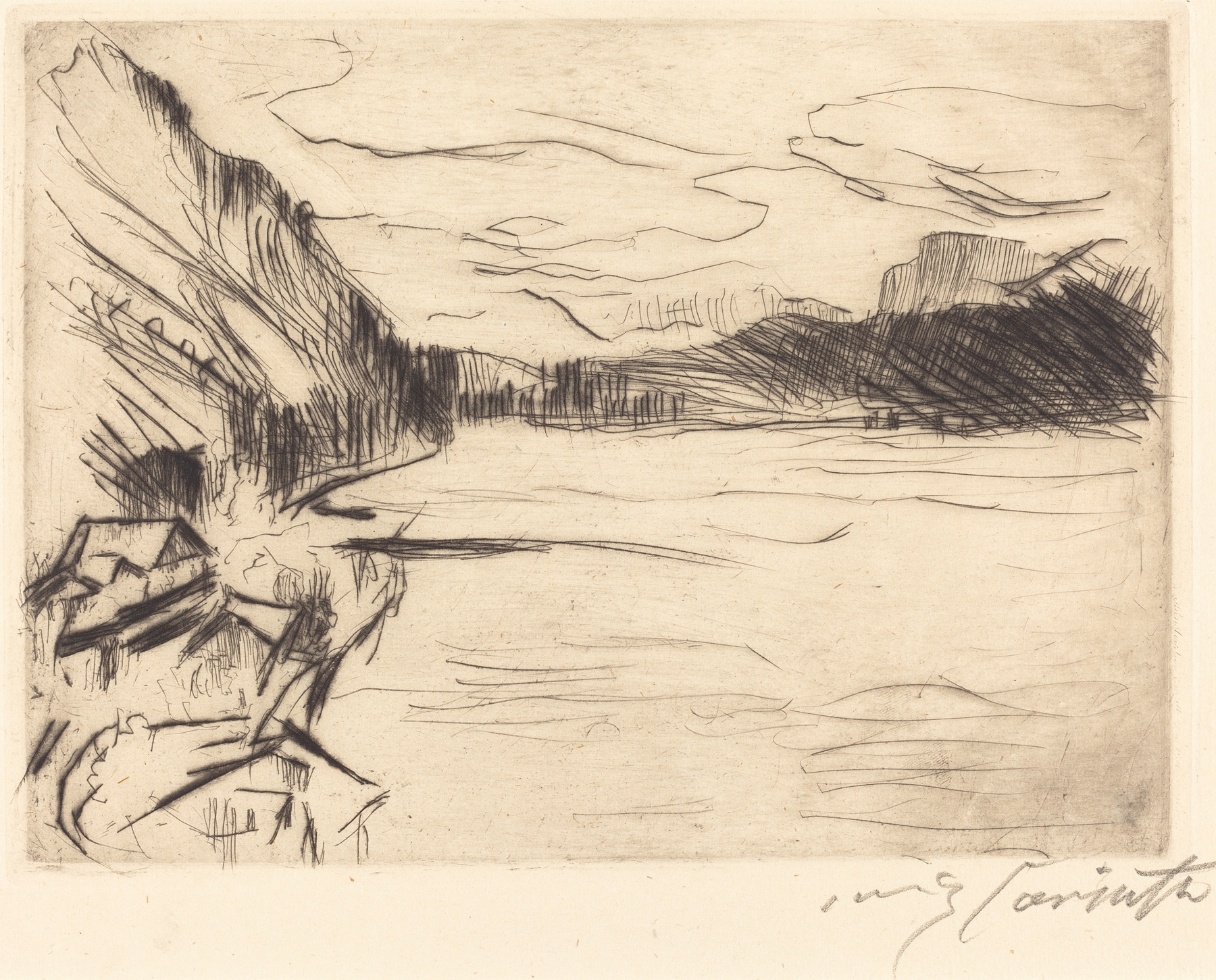
Landschaft am Walchensee — History & Analysis
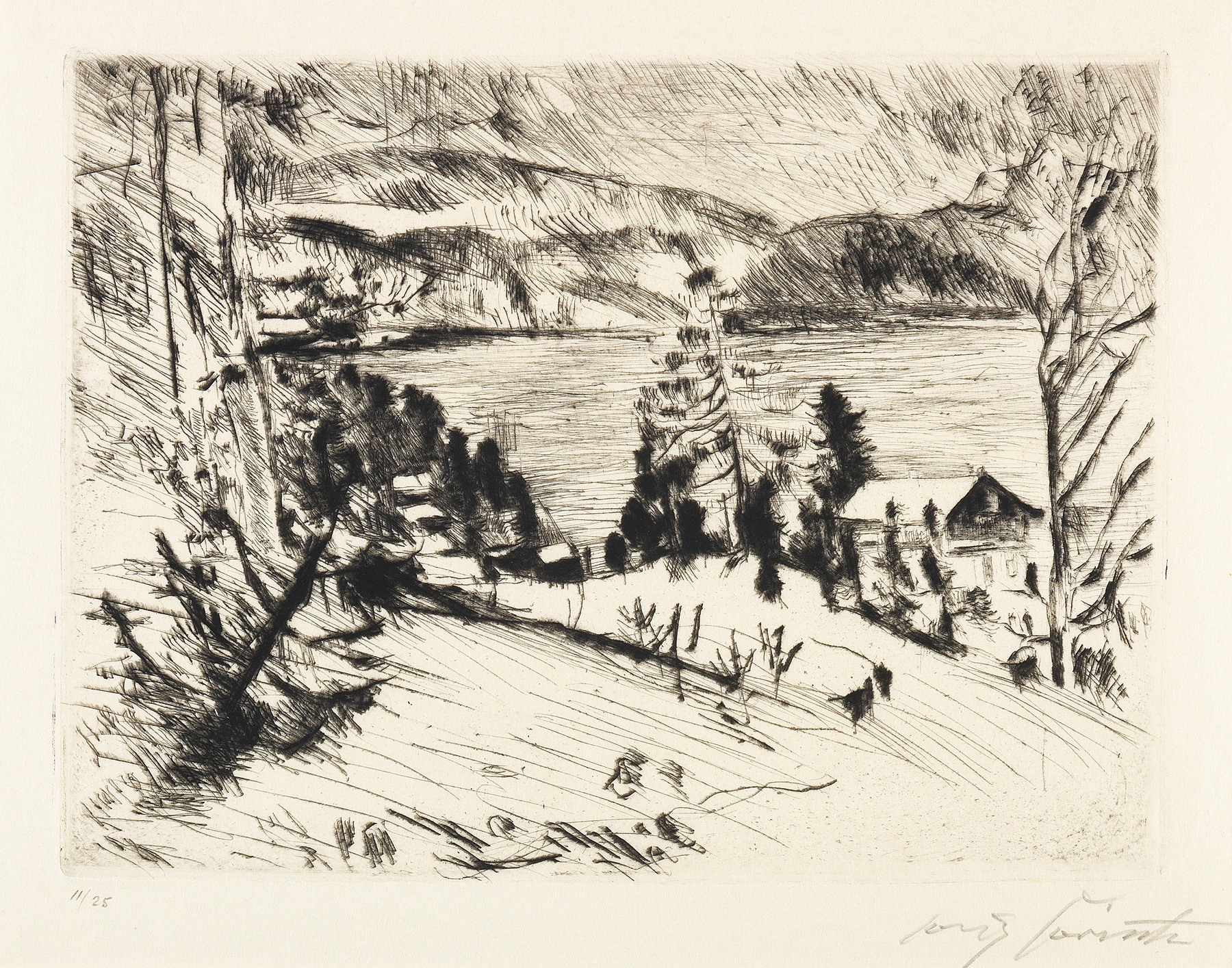
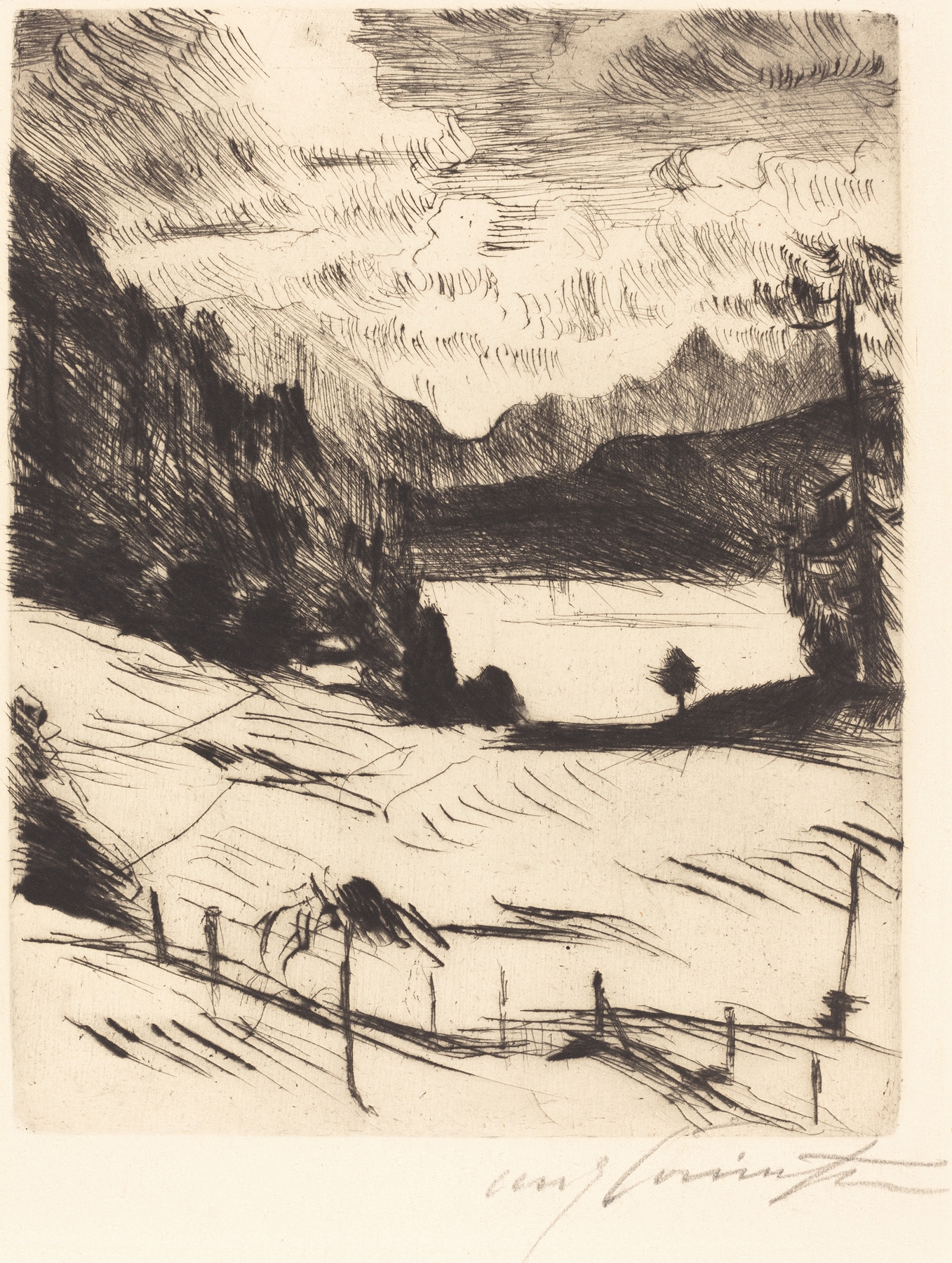
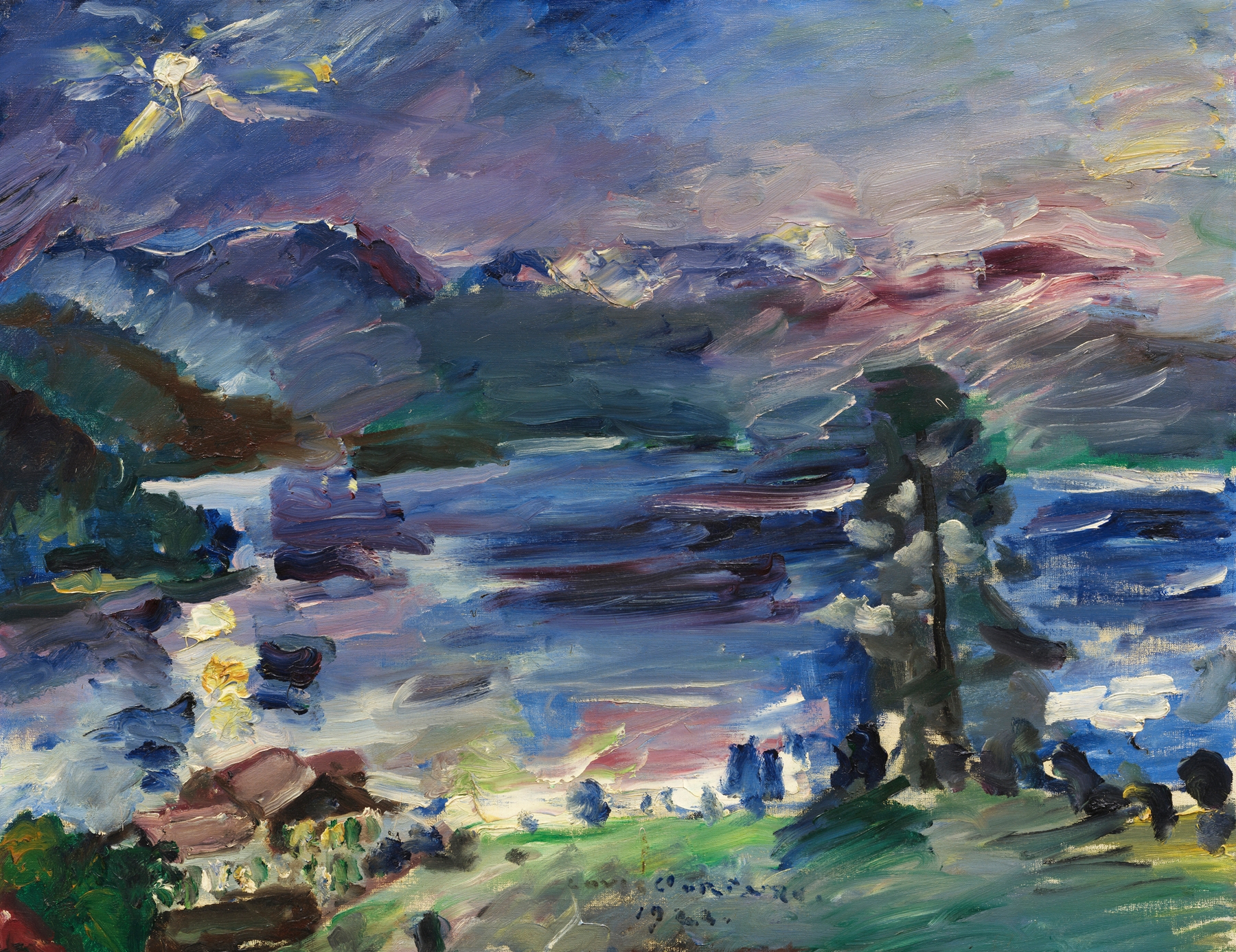
Who listens when art speaks of silence? In Landschaft am Walchensee, the lush serenity of a tranquil landscape whispers the fragility of existence, inviting reflection on what lies beneath the surface. Look to the foreground, where the gentle strokes of green and earthy browns draw the viewer into a serene embrace. The winding path leads the eye towards the distant mountains, softly enveloped in a hazy blue, while the dappled sunlight dances across the canvas, illuminating the delicate interplay between shadow and light. The colors, almost muted yet rich in depth, convey a sense of calmness that invites contemplation, urging the viewer to linger in the stillness of this idyllic scene.
Yet, beneath this peaceful facade lies a subtle tension. The contrast between the vibrant flora and the looming mountains hints at the duality of nature—its beauty juxtaposed with its formidable power. The wavering lines of the horizon suggest the ephemeral quality of life, evoking a deep sense of longing and vulnerability. As you survey the serene surface, consider how the artist captures both tranquility and unease, a delicate balance that mirrors human experience.
Lovis Corinth painted Landschaft am Walchensee in 1919, during a time of personal and societal upheaval. Just after World War I, the artist sought refuge in the Bavarian countryside, where he found solace in the landscape. This period marked a shift in his artistic style, as he embraced Impressionist techniques while reflecting on the poignant fragility of life post-war. The painting serves as a contemplative response to the transience of beauty amid the scars of conflict.