Landschaft bei Abendstimmung — History & Analysis
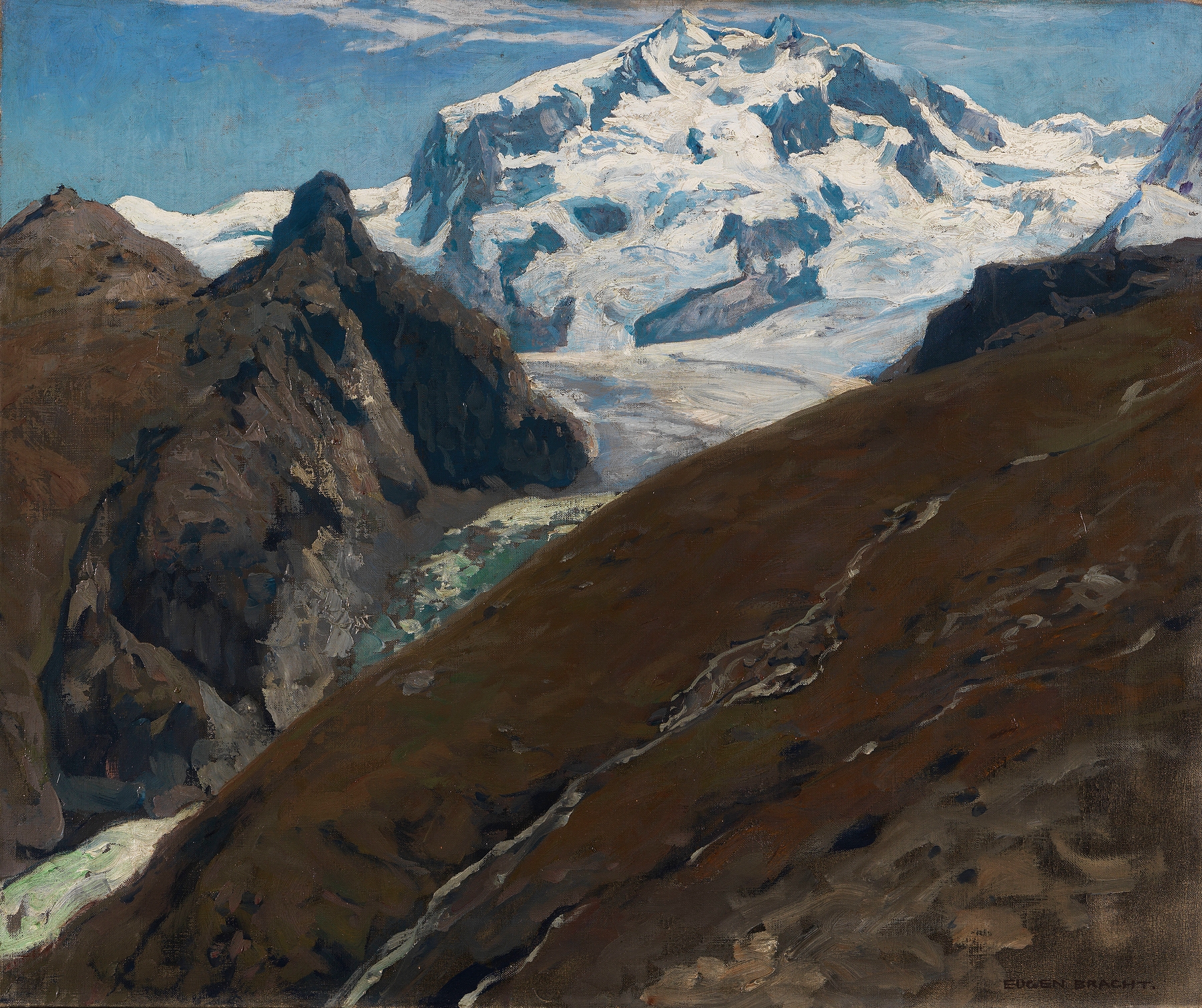
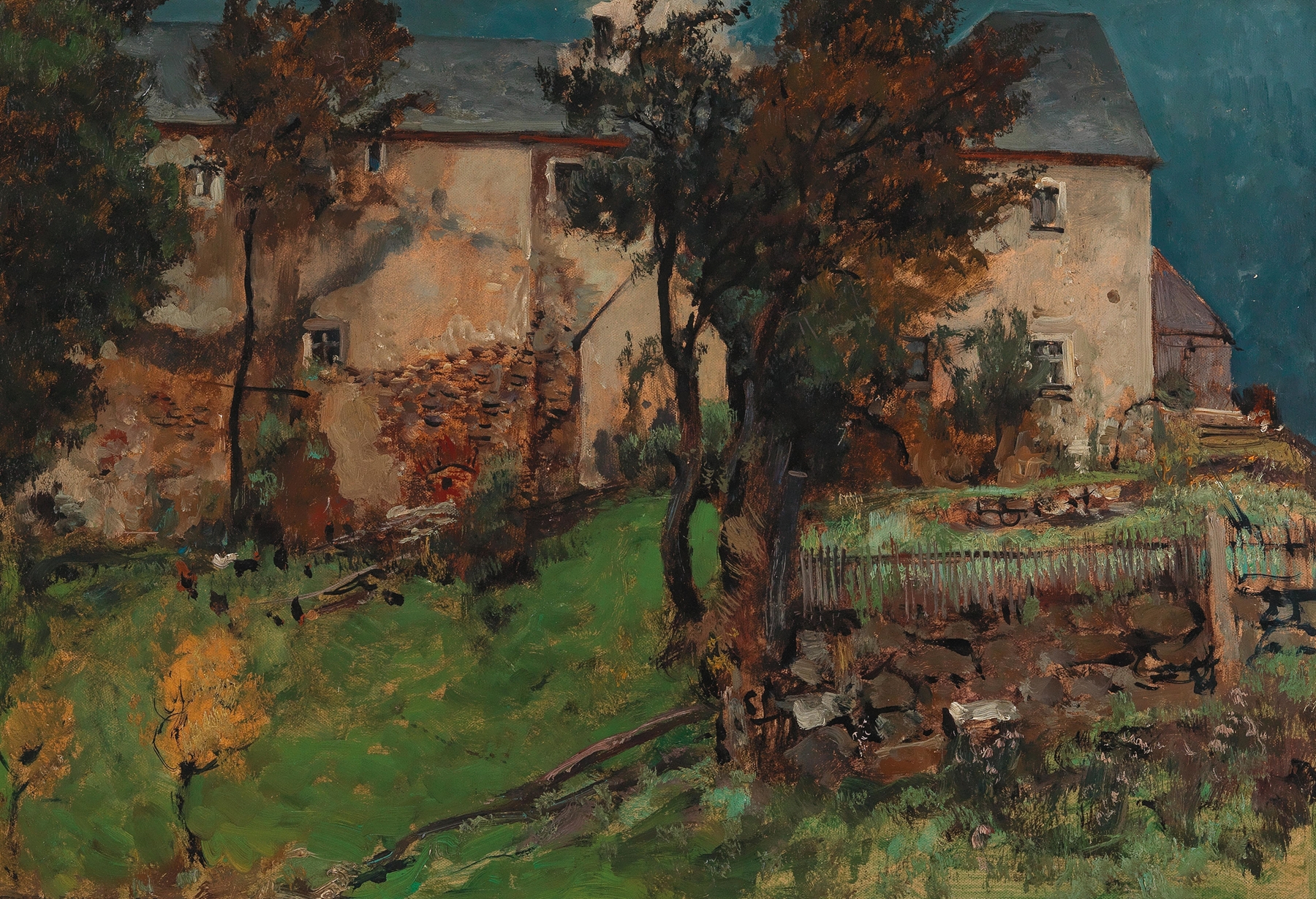
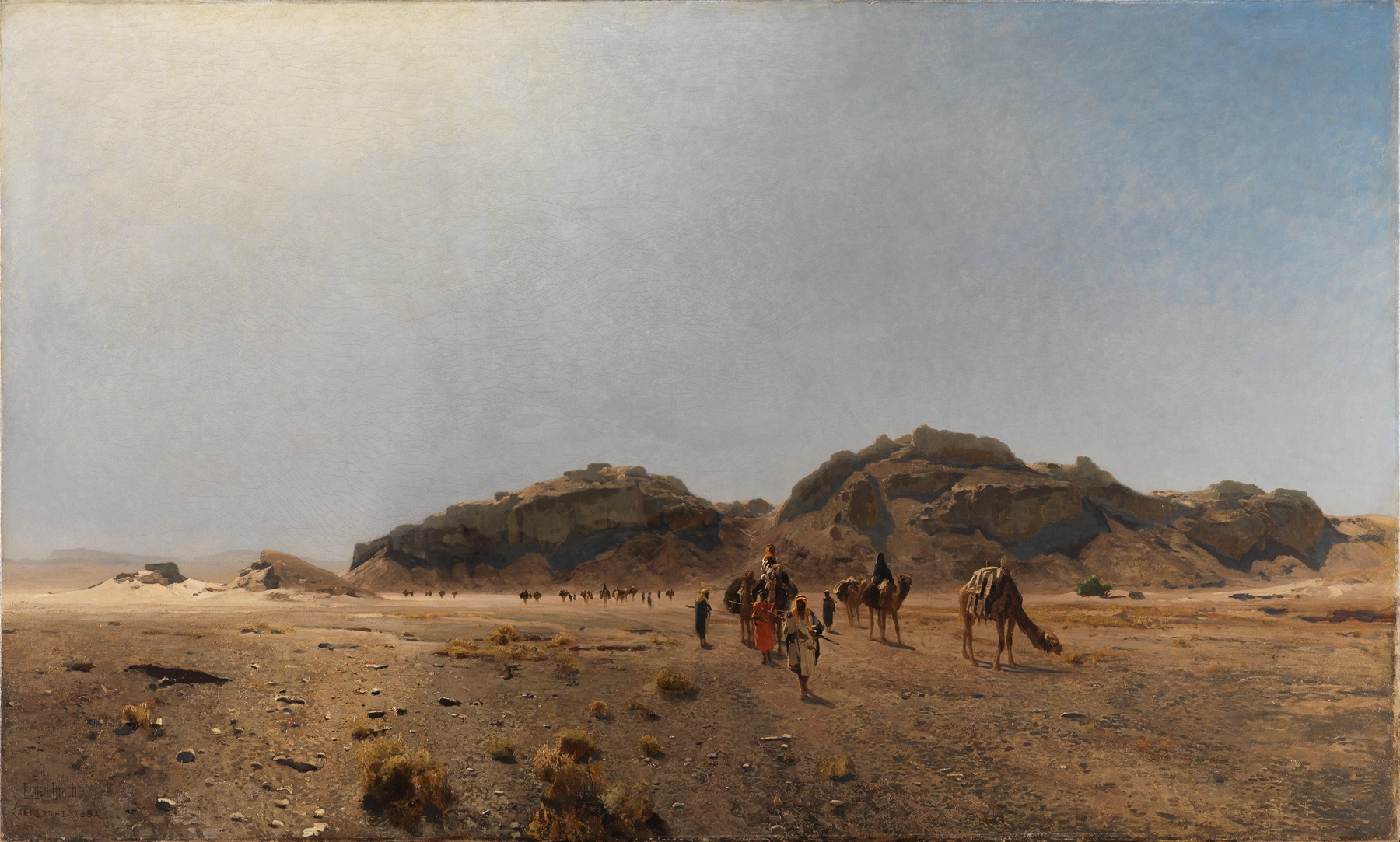
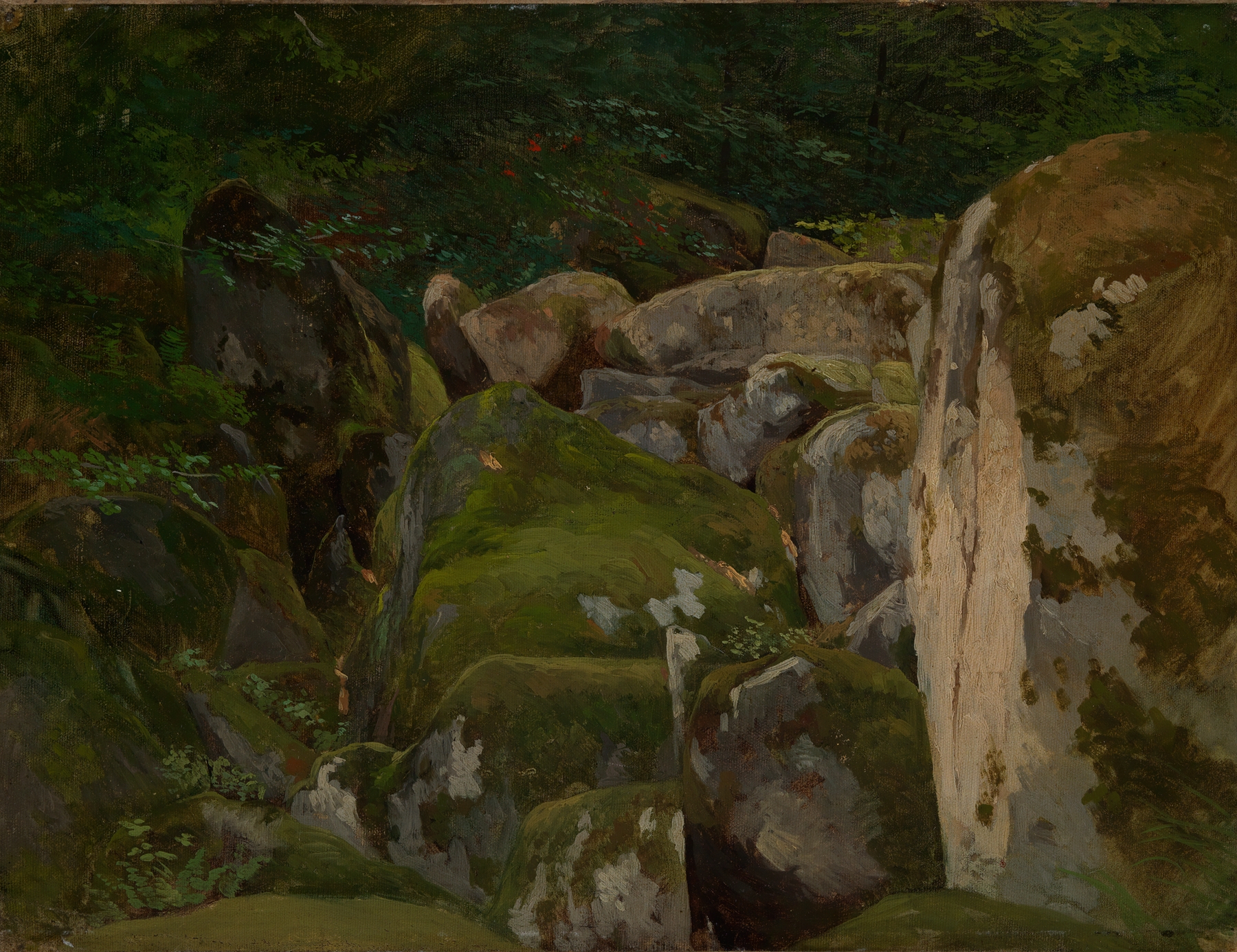
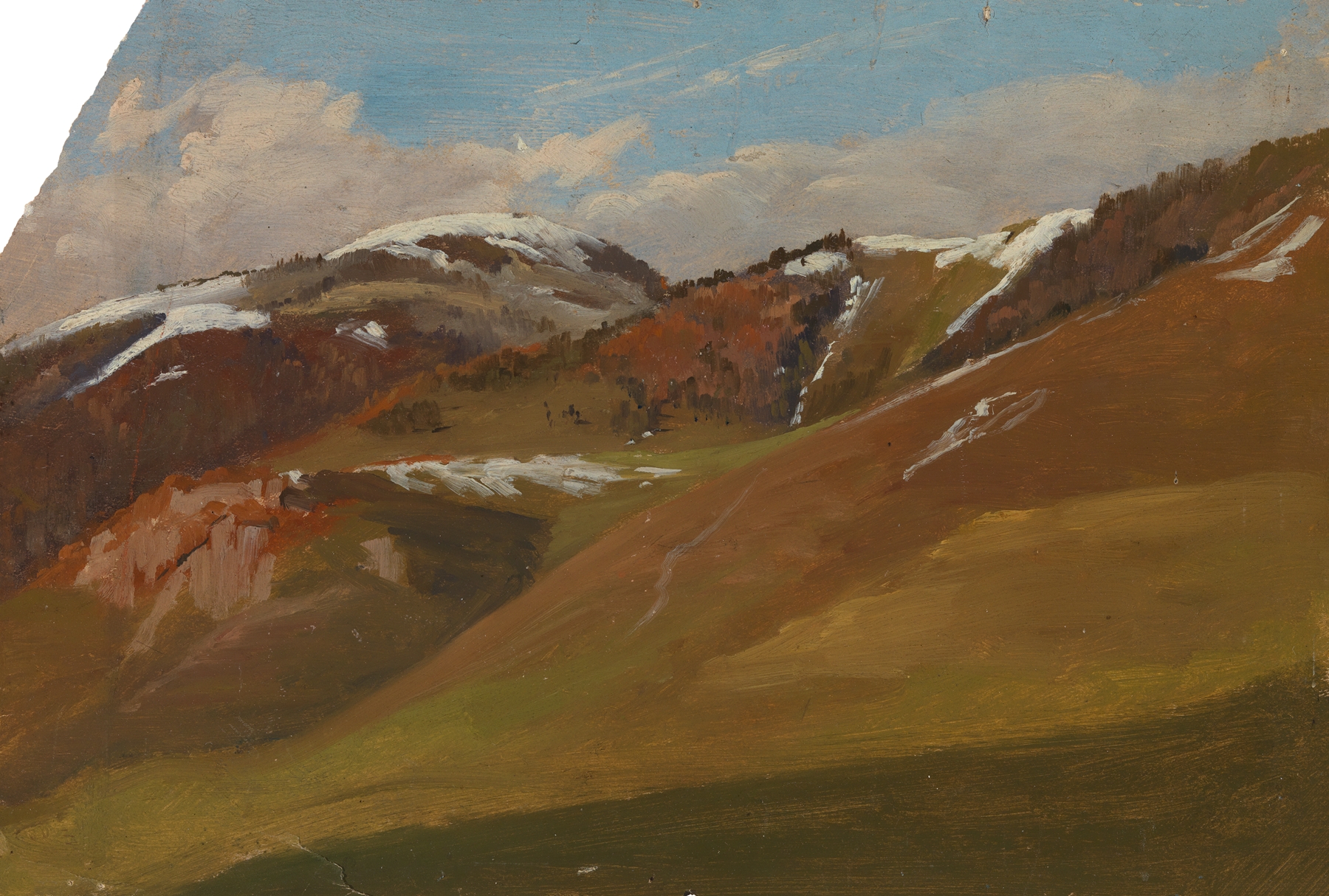
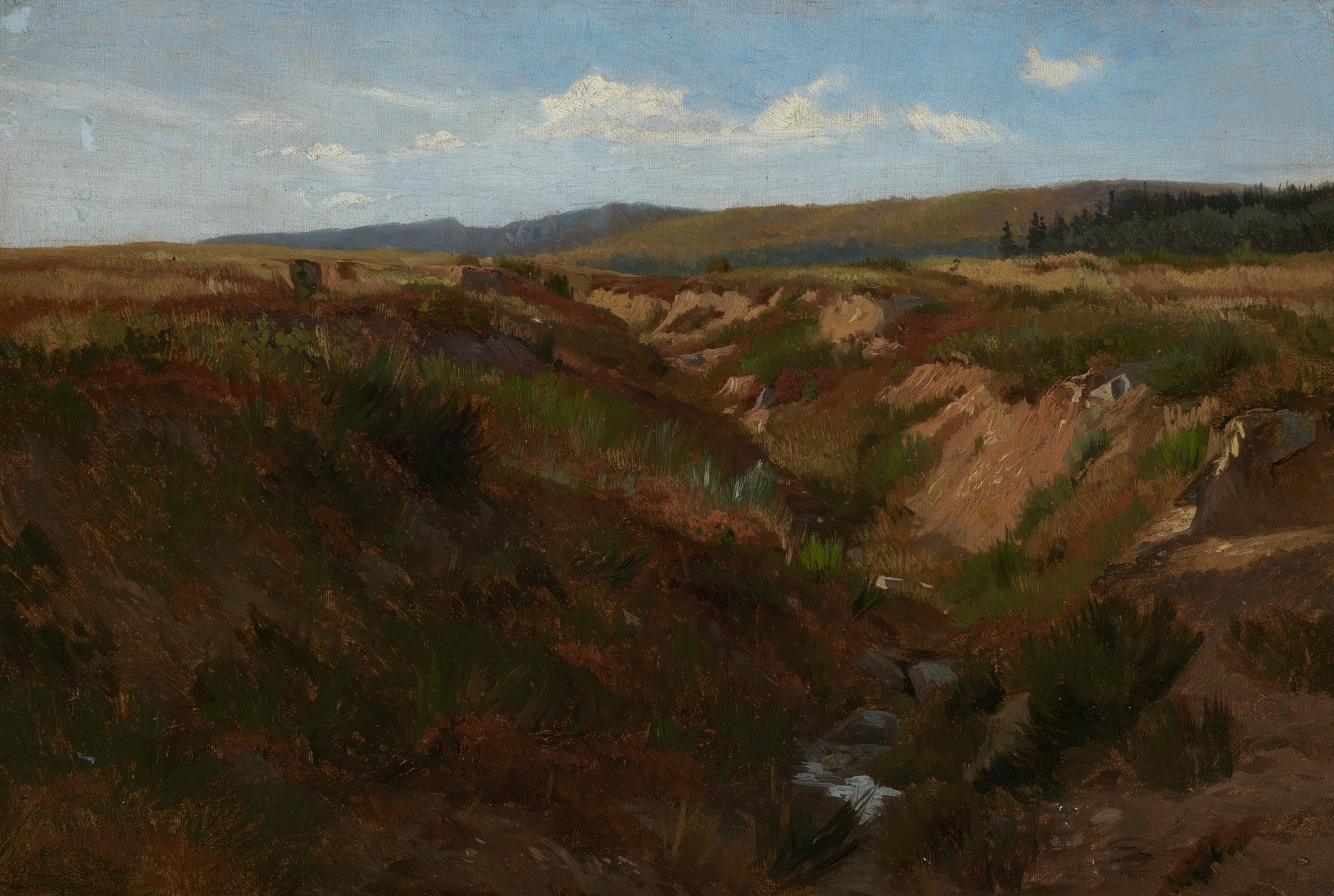
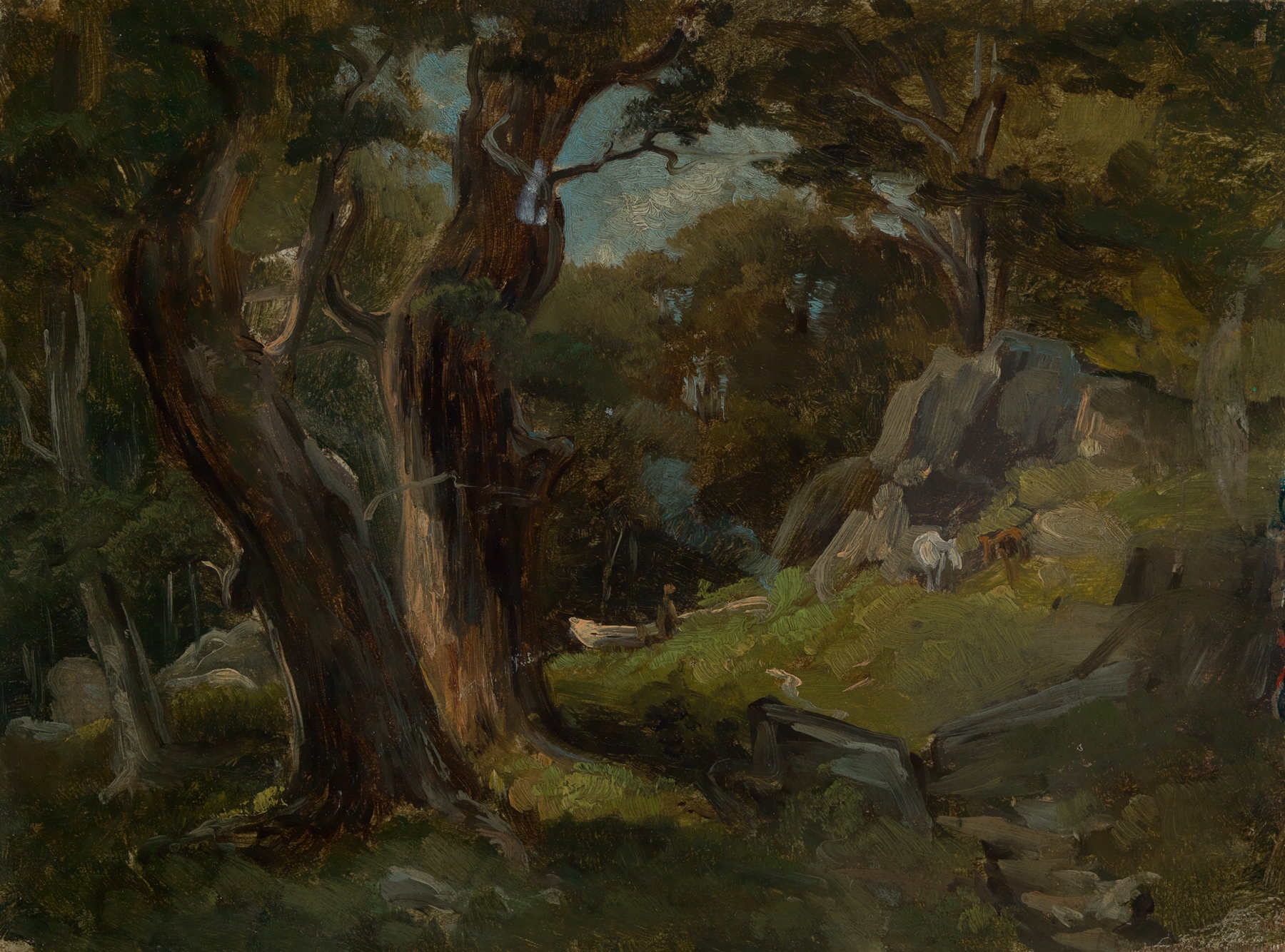
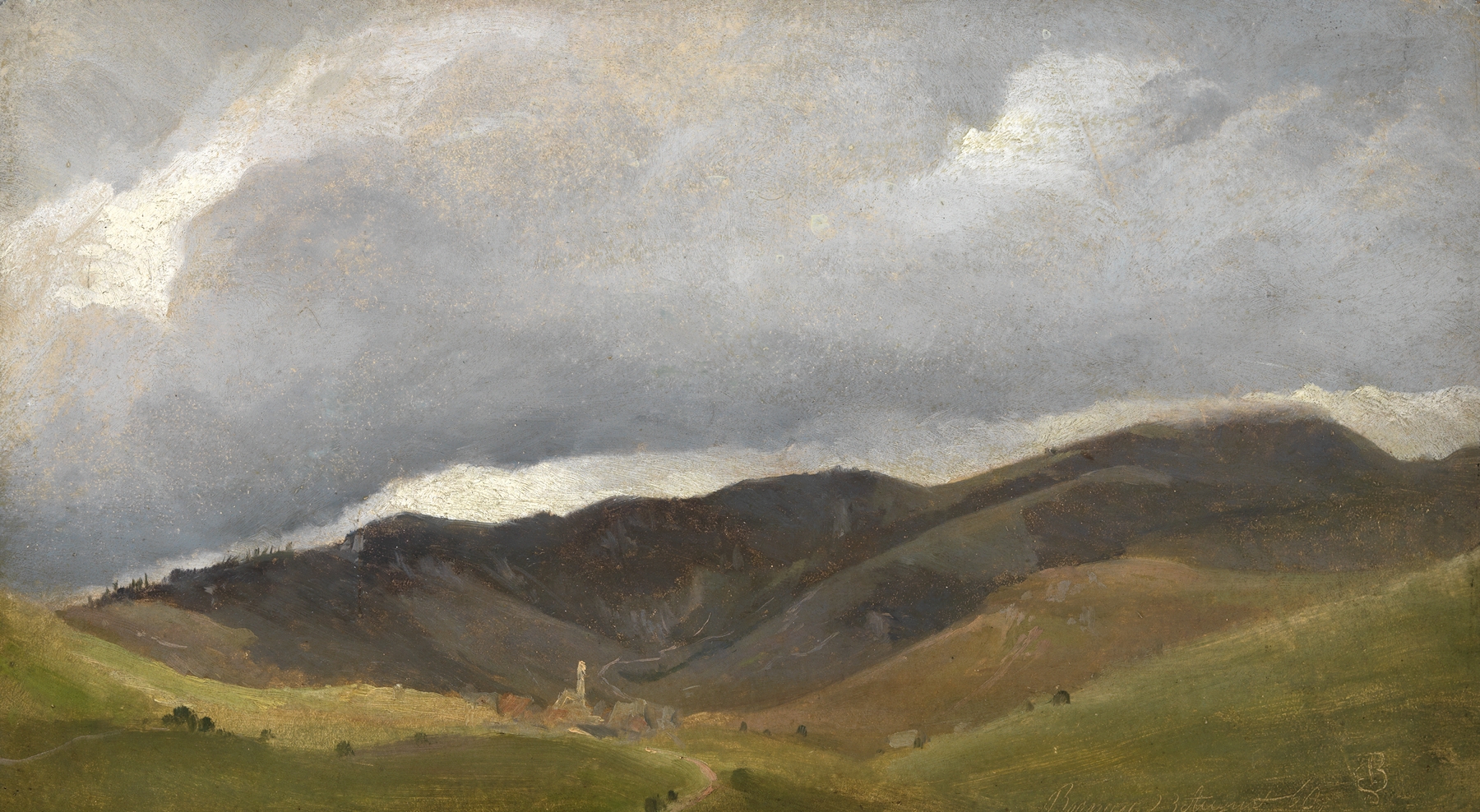
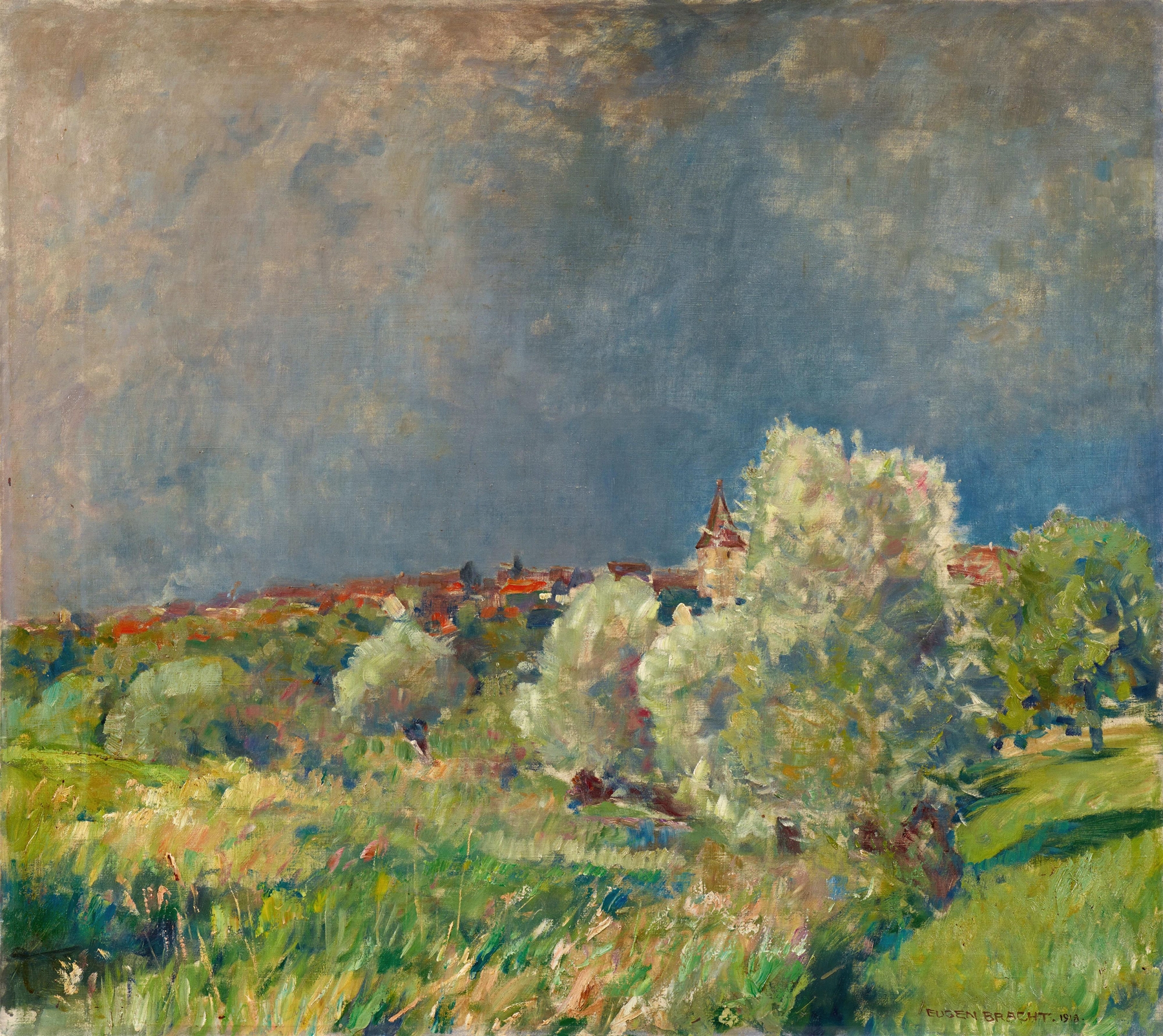
“Sometimes beauty is just pain, disguised in gold.” Nostalgia lingers in the air, a haunting reminder of fleeting moments that slip away like shadows at dusk. Look to the left at the gentle slopes of the rolling hills, their soft outlines bathed in a warm, fading light. The golden hues intermingle with deep purples and soft blues, evoking a sense of tranquility just before nightfall. Notice how the brushstrokes swell and recede, capturing the ebb of daylight, while the wispy clouds whisper secrets to the horizon.
This interplay of color and texture invites the viewer to breathe in the stillness of twilight. Beneath the serene surface, a deeper tension unfurls. The vibrant sky contrasts sharply with the darkening land below, hinting at the duality of hope and melancholy inherent in memory. Tiny details, like the distant figure of a wanderer or the flicker of light in a distant cottage, suggest human presence, evoking the bittersweet longing for connections that time has frayed.
Each element works harmoniously to remind us that beauty often carries the weight of loss. Eugen Bracht painted this landscape during a period when the Romantic movement was embracing the emotive power of nature. Although the exact date remains uncertain, it reflects an era where artists sought solace in the natural world amid rapid industrialization. Bracht's works often echoed themes of nostalgia and the beauty found in solitude, mirroring his own introspections during a time of artistic exploration and personal reflection.