Landschaft im Vorfrühling — History & Analysis
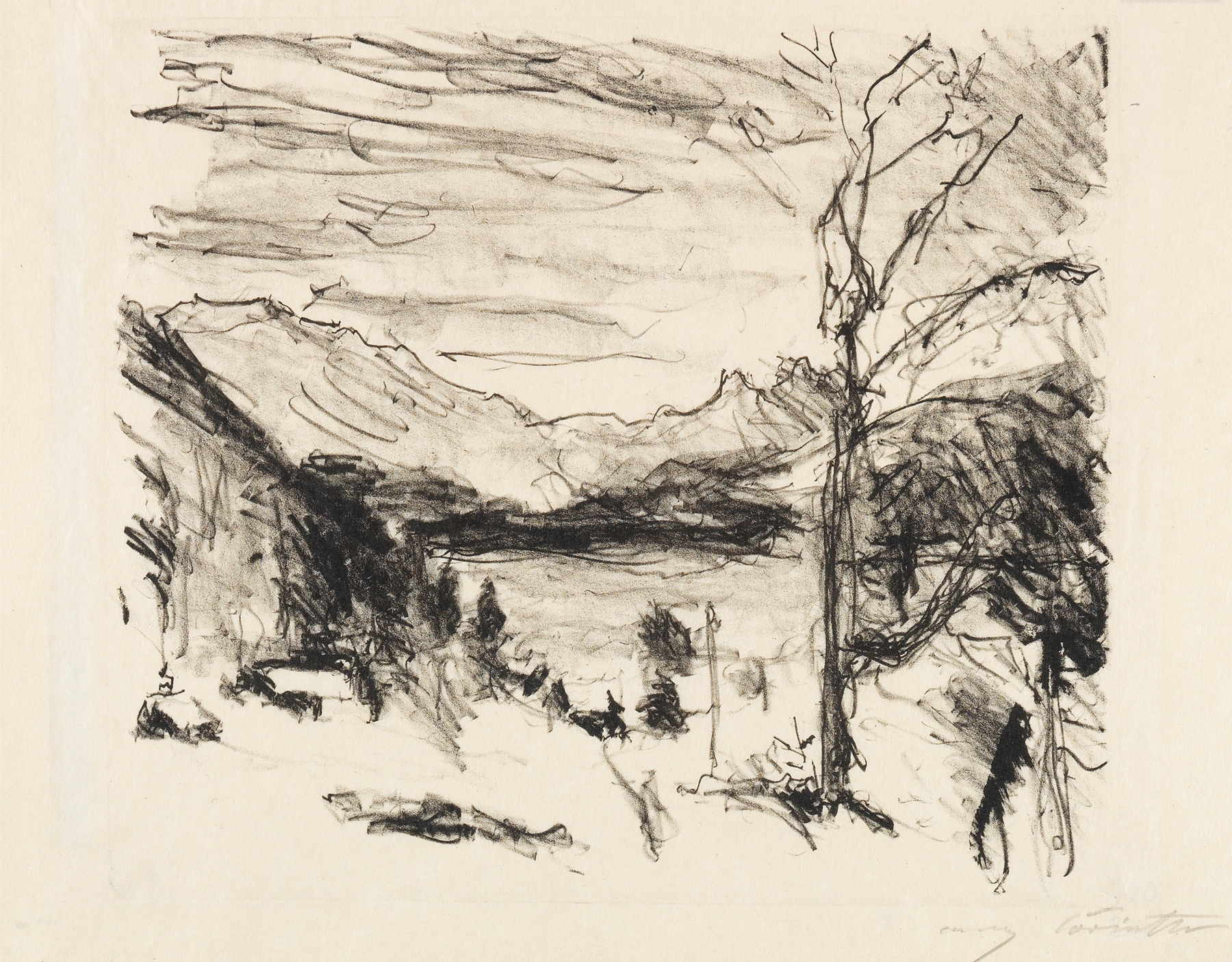
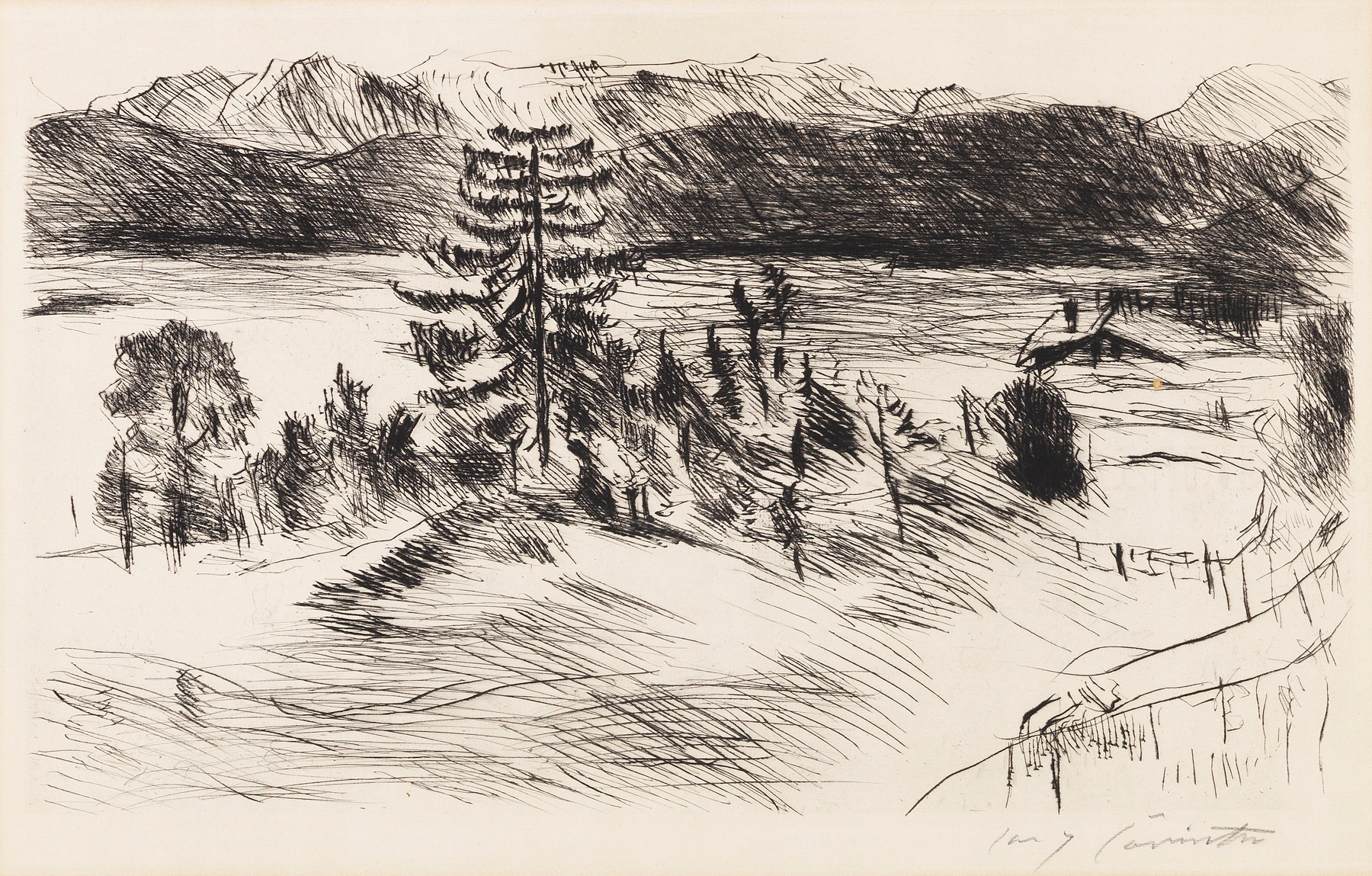
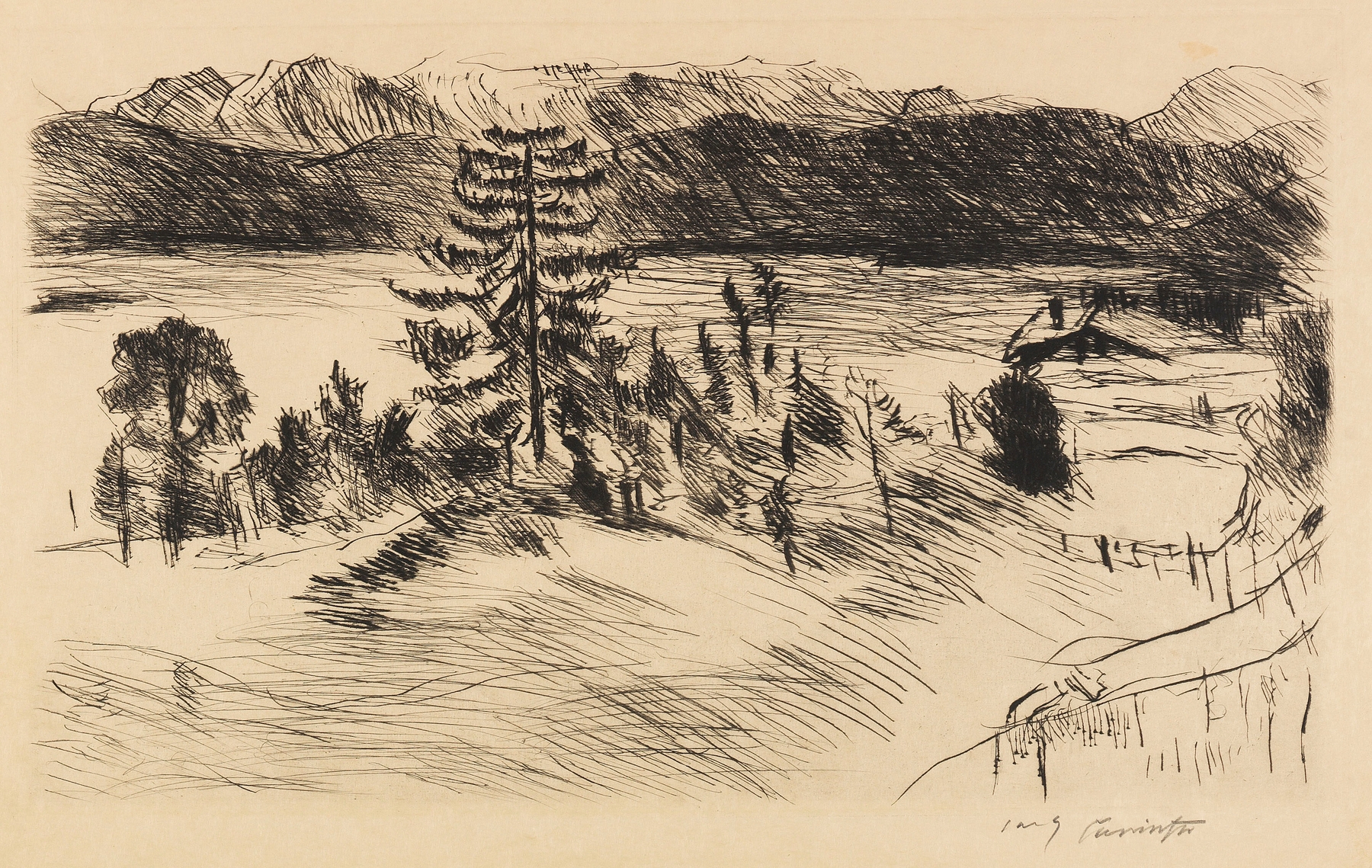
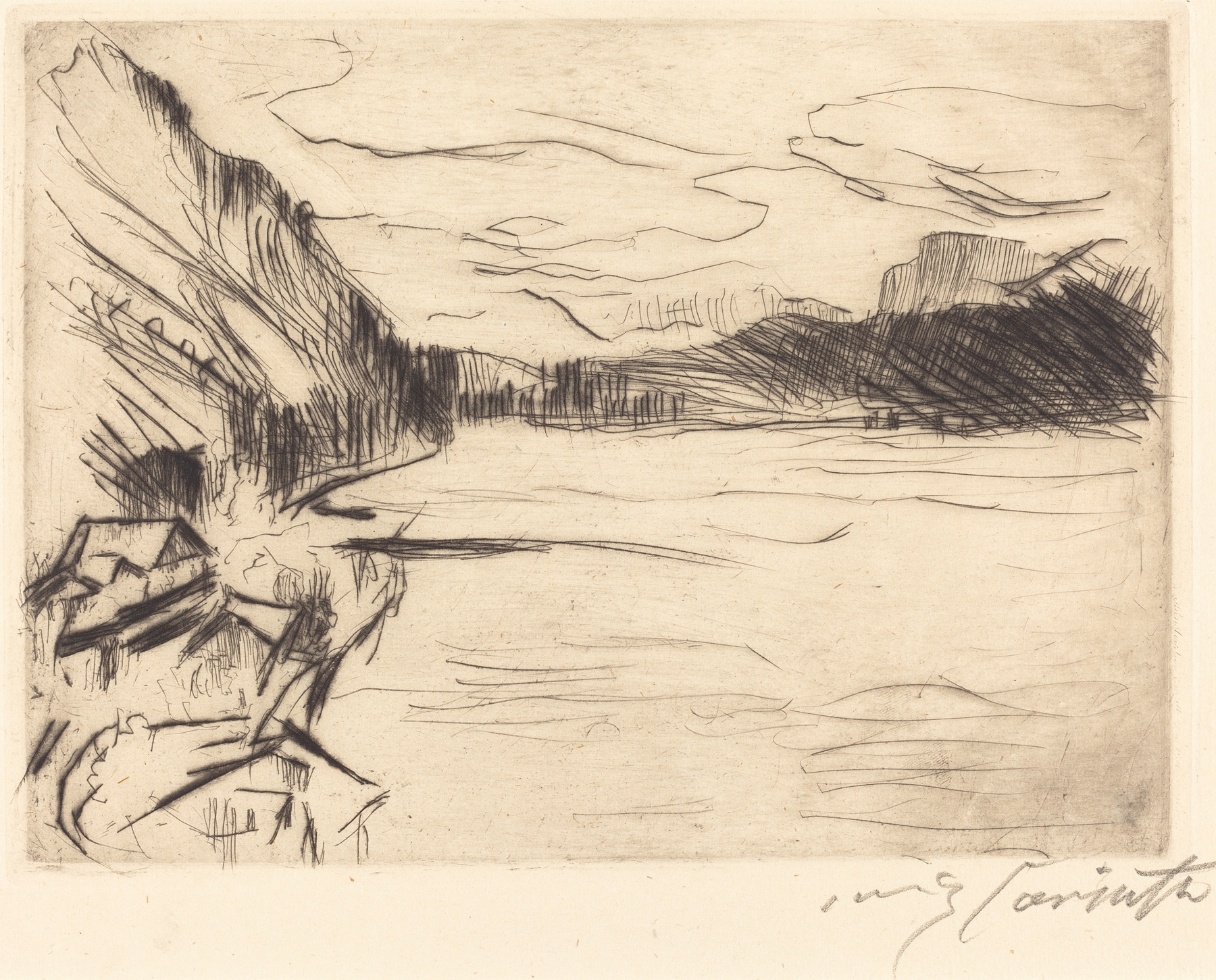
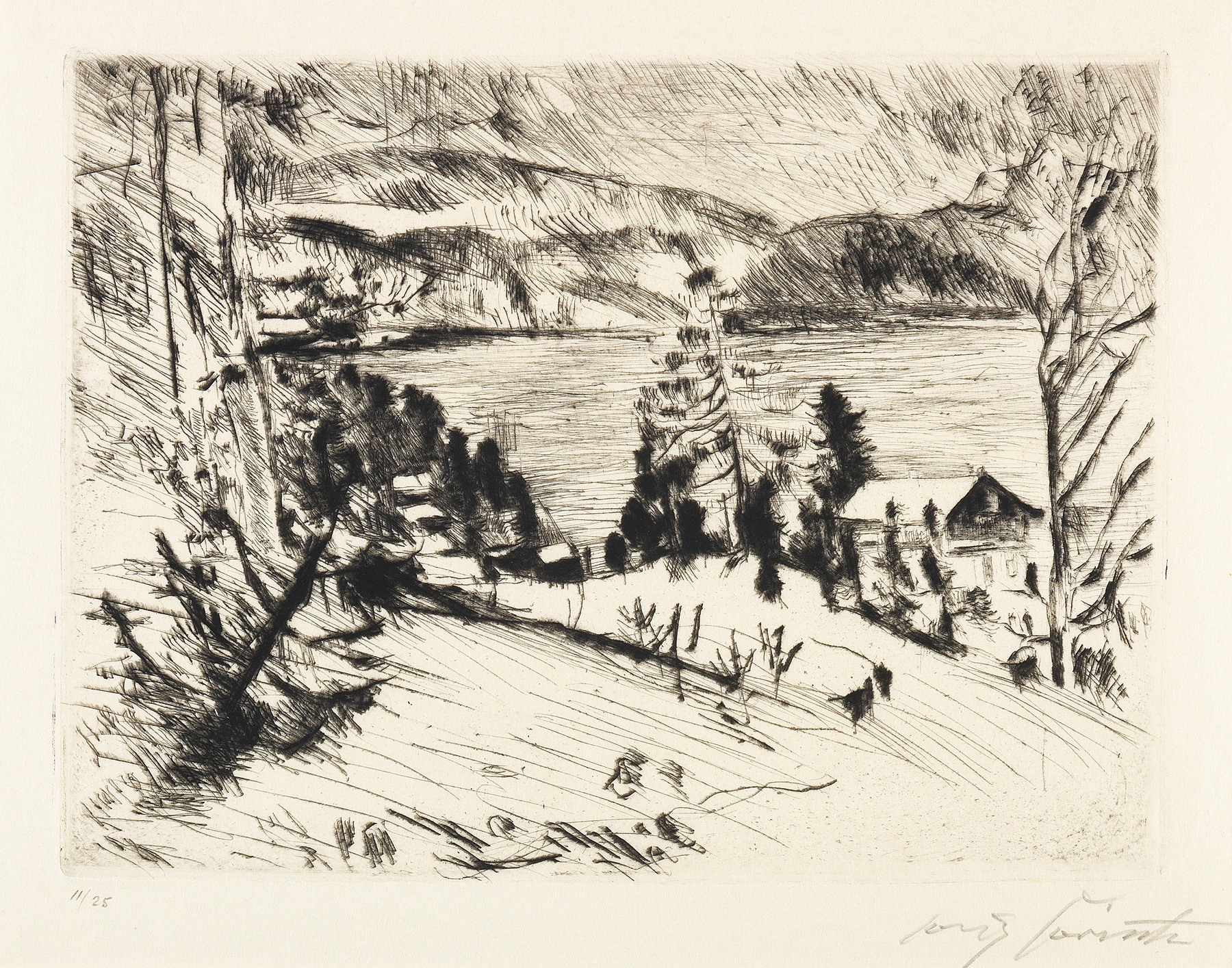
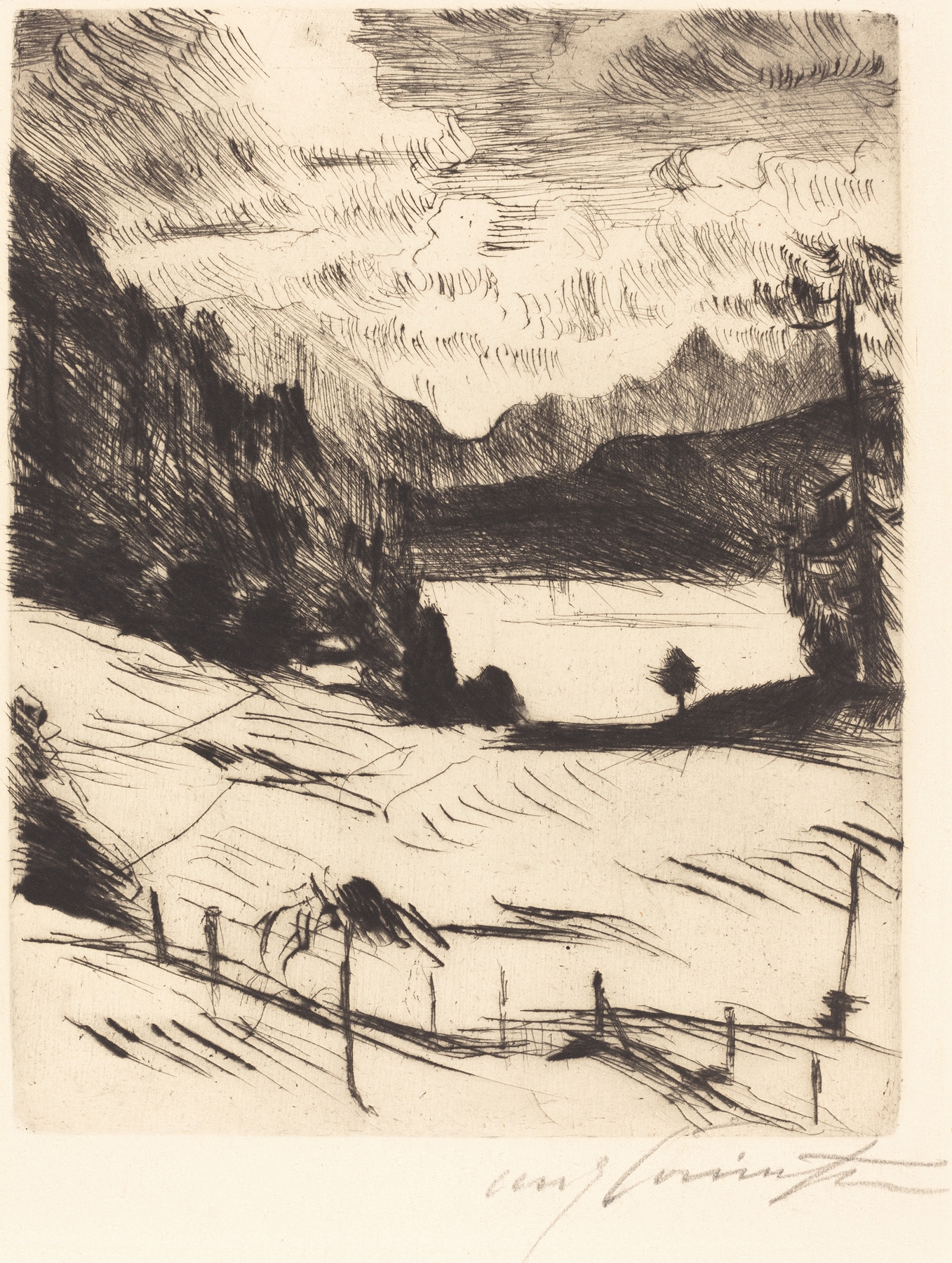
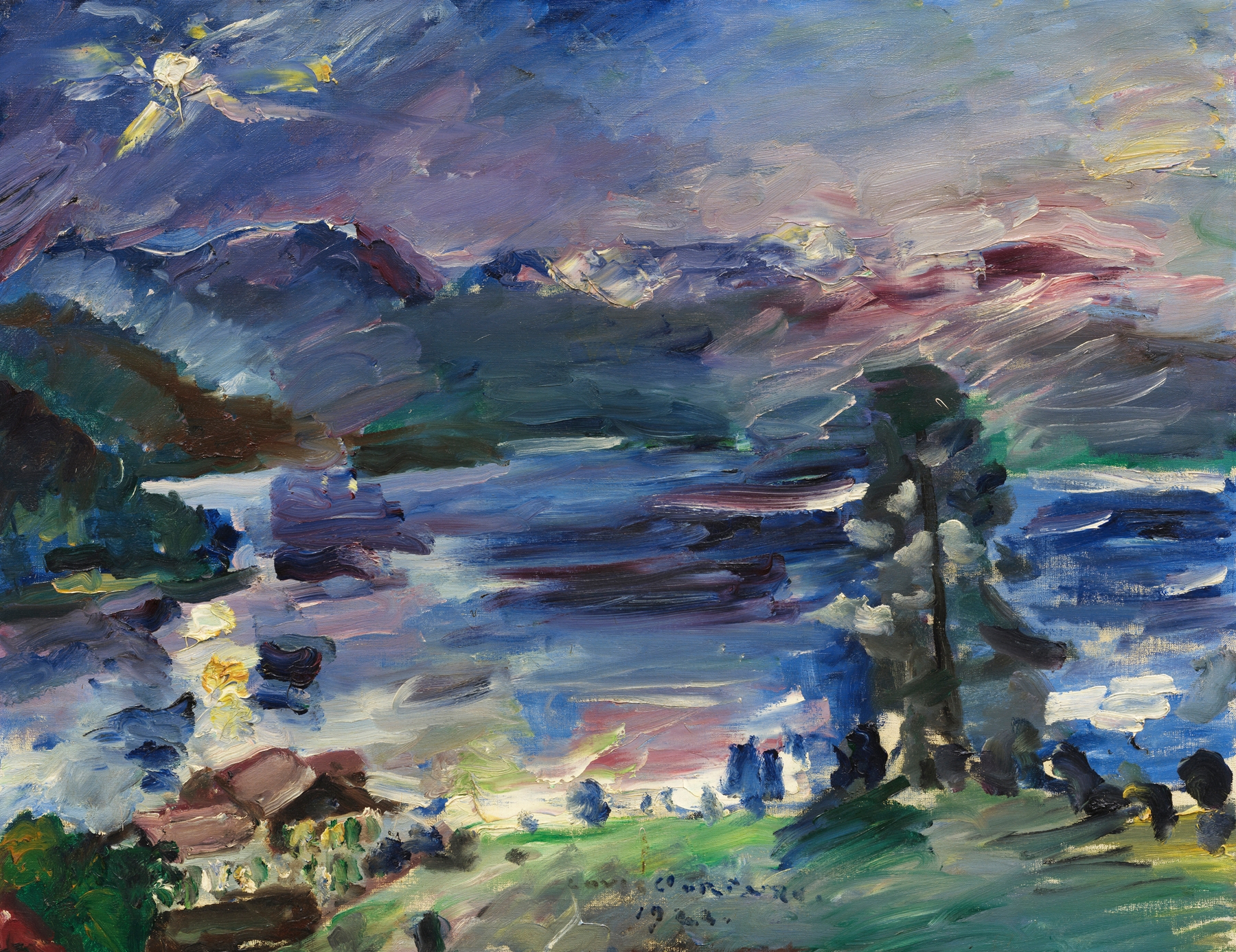
“Under the brush, chaos becomes grace.” In Landschaft im Vorfrühling, the landscape emerges as a testament to the delicate balance between nature's unrefined beauty and human artistry. The essence of spring, teetering on the brink, vibrates with unrestrained energy, inviting the viewer to dive deep into its complexities. Look to the left of the canvas where dark, swirling clouds loom above a vibrant patchwork of earth tones. The brushstrokes are swift and confident, guiding your gaze across the painting, capturing the earth's awakening.
Notice how the hues blend seamlessly—from deep ochres to lively greens—creating a rhythm of life, as if the land itself breathes in anticipation. The play of light casts shadows that dance across the foliage, enhancing the sense of movement and transformation. Amidst the vivid chaos lies an underlying tranquility, a balance that speaks to the cyclical nature of life. The tumultuous clouds, though threatening, contrast beautifully with the emerging buds below, hinting at resilience.
Within this interplay of tension and harmony, the viewer senses the artist's struggle to capture a fleeting moment, a reminder that beauty often thrives in the midst of disorder. Painted in 1922, this work came during a transformative period for Corinth. Living in Germany, he was influenced by post-World War I sentiments, seeking solace in the beauty of nature as the world around him grappled with upheaval. As an established figure in the art world, he embraced expressive techniques, seeking to channel his emotions onto canvas, ultimately reflecting a desire for balance in a time of chaos.