Landschap bij maanlicht in de omgeving van Sumedang — History & Analysis
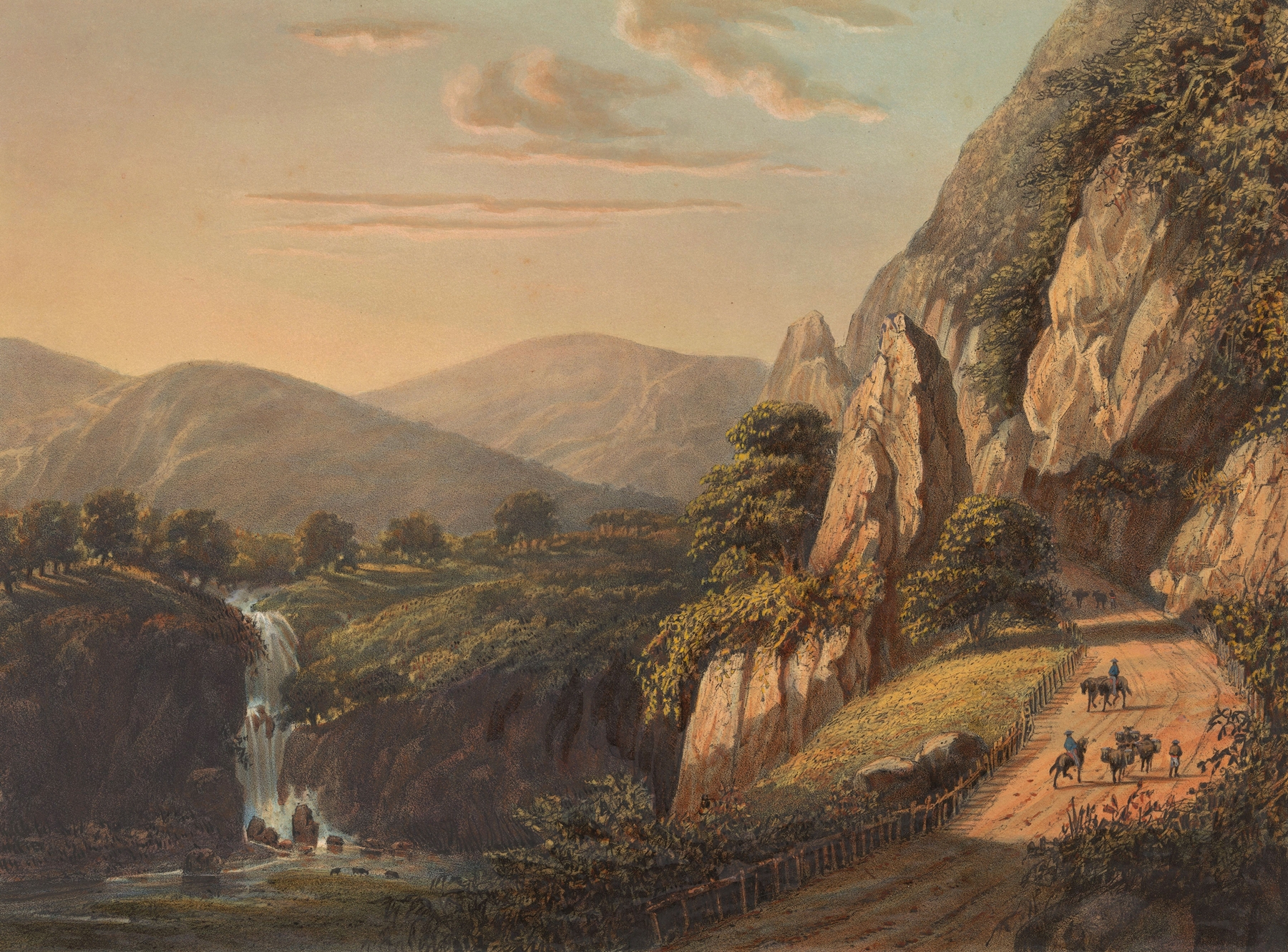
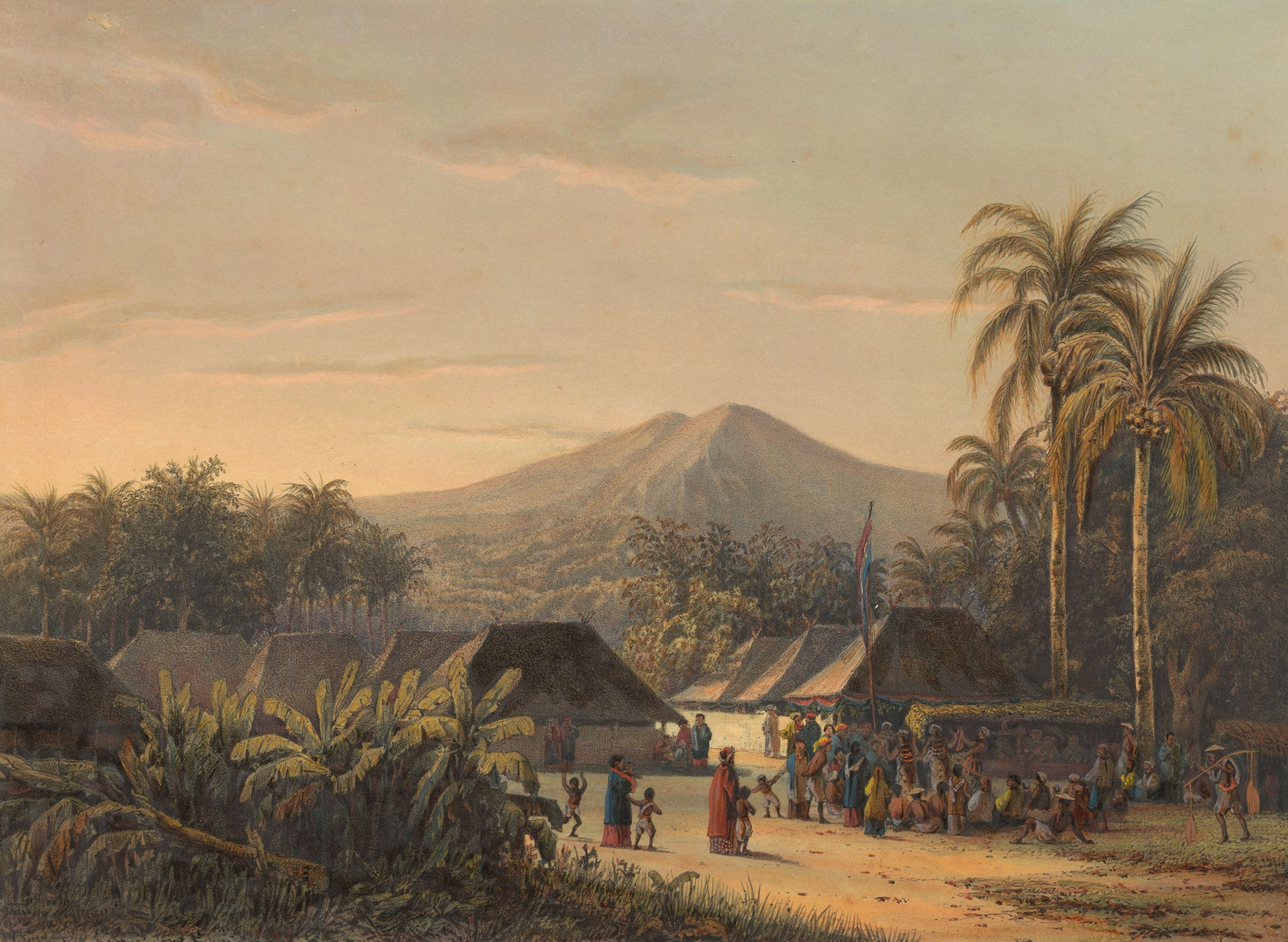
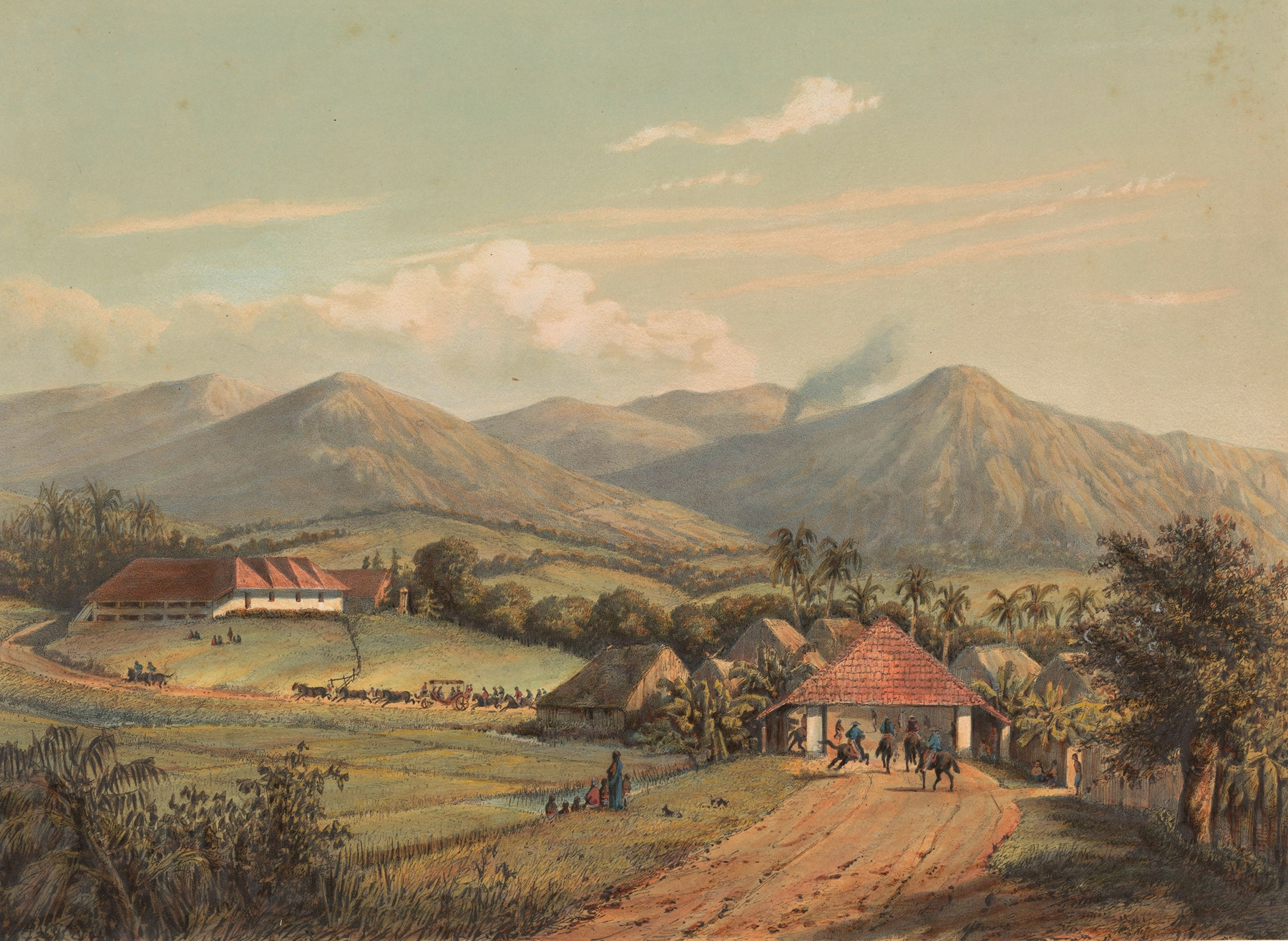
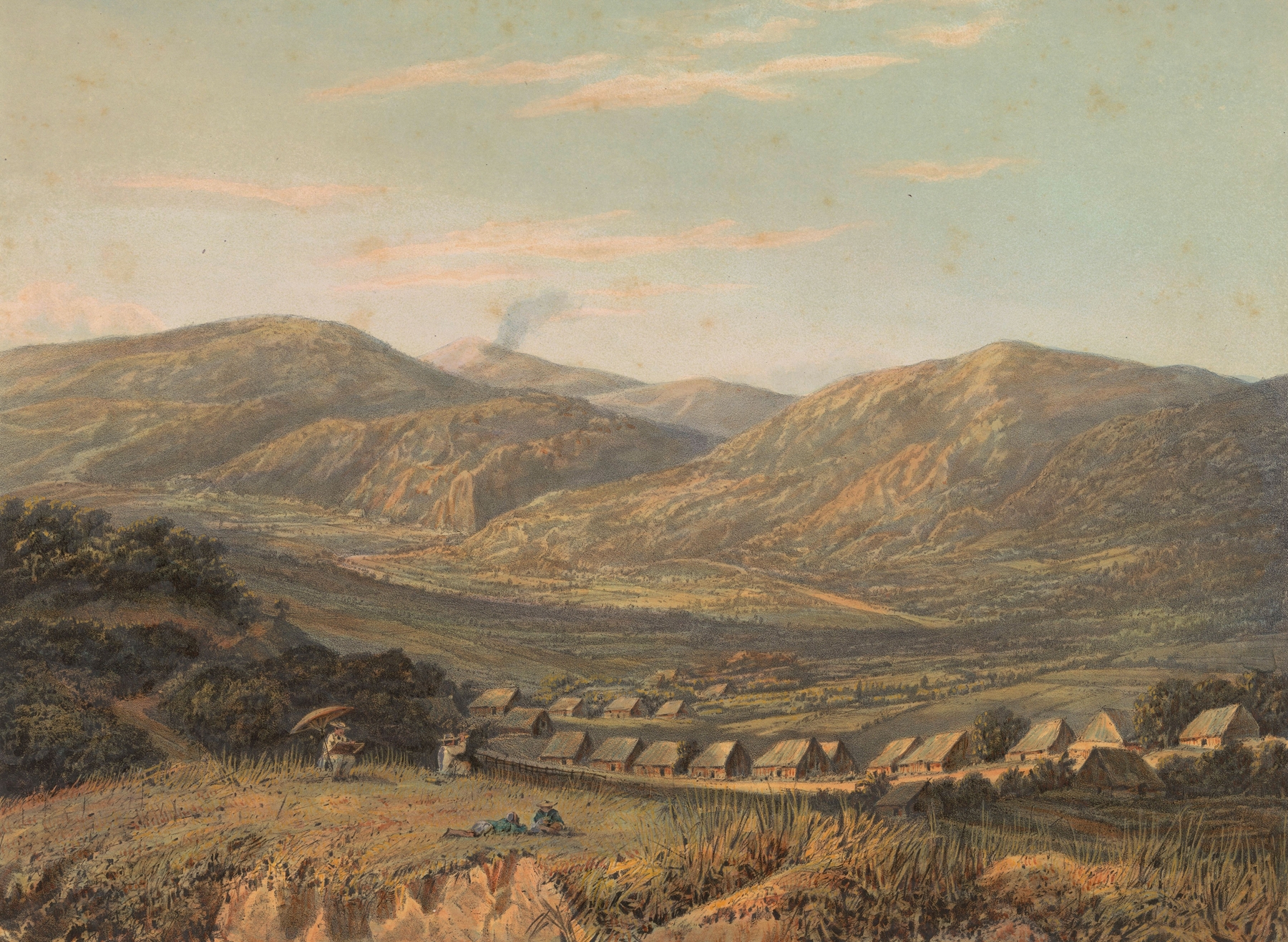
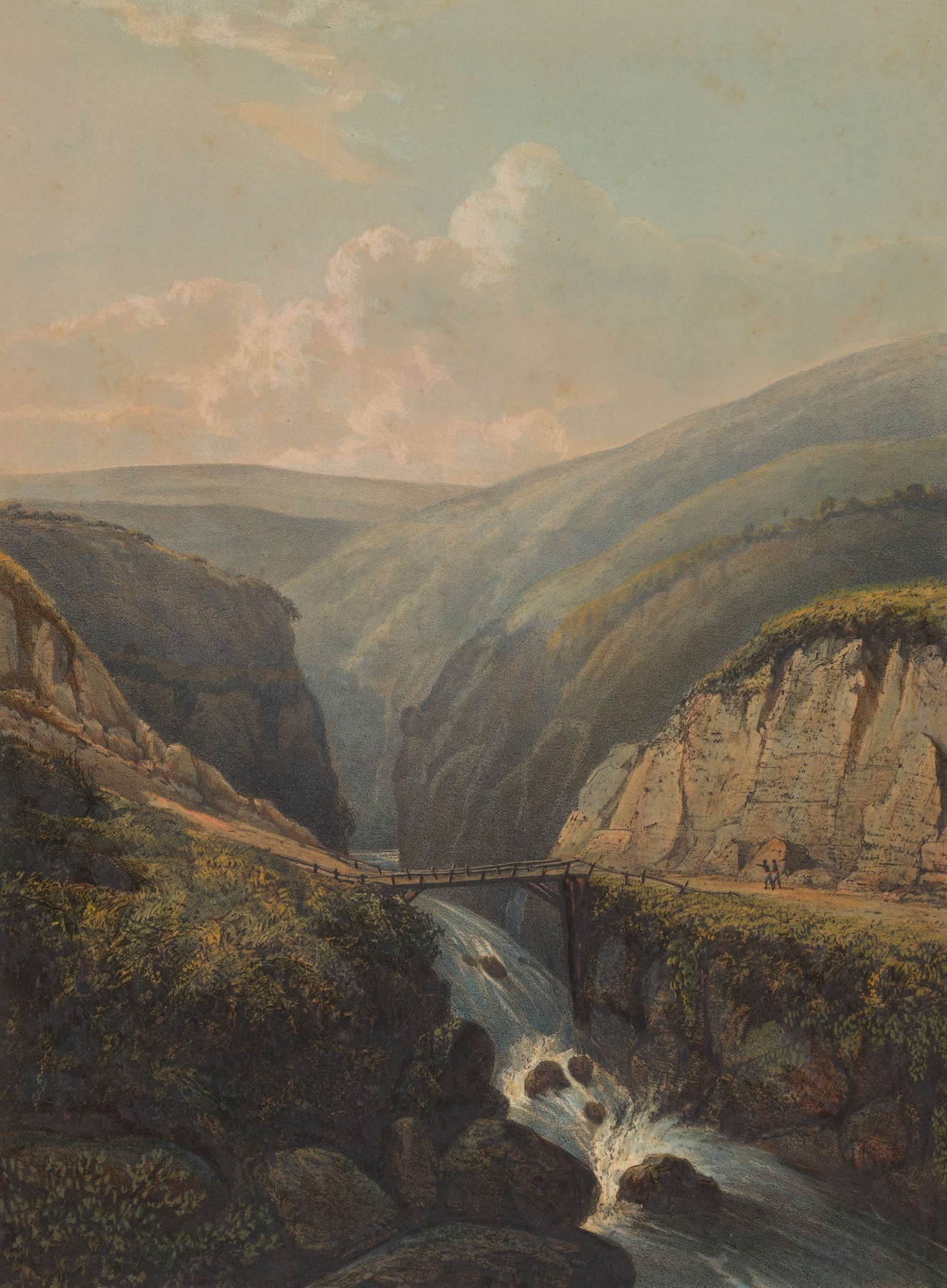
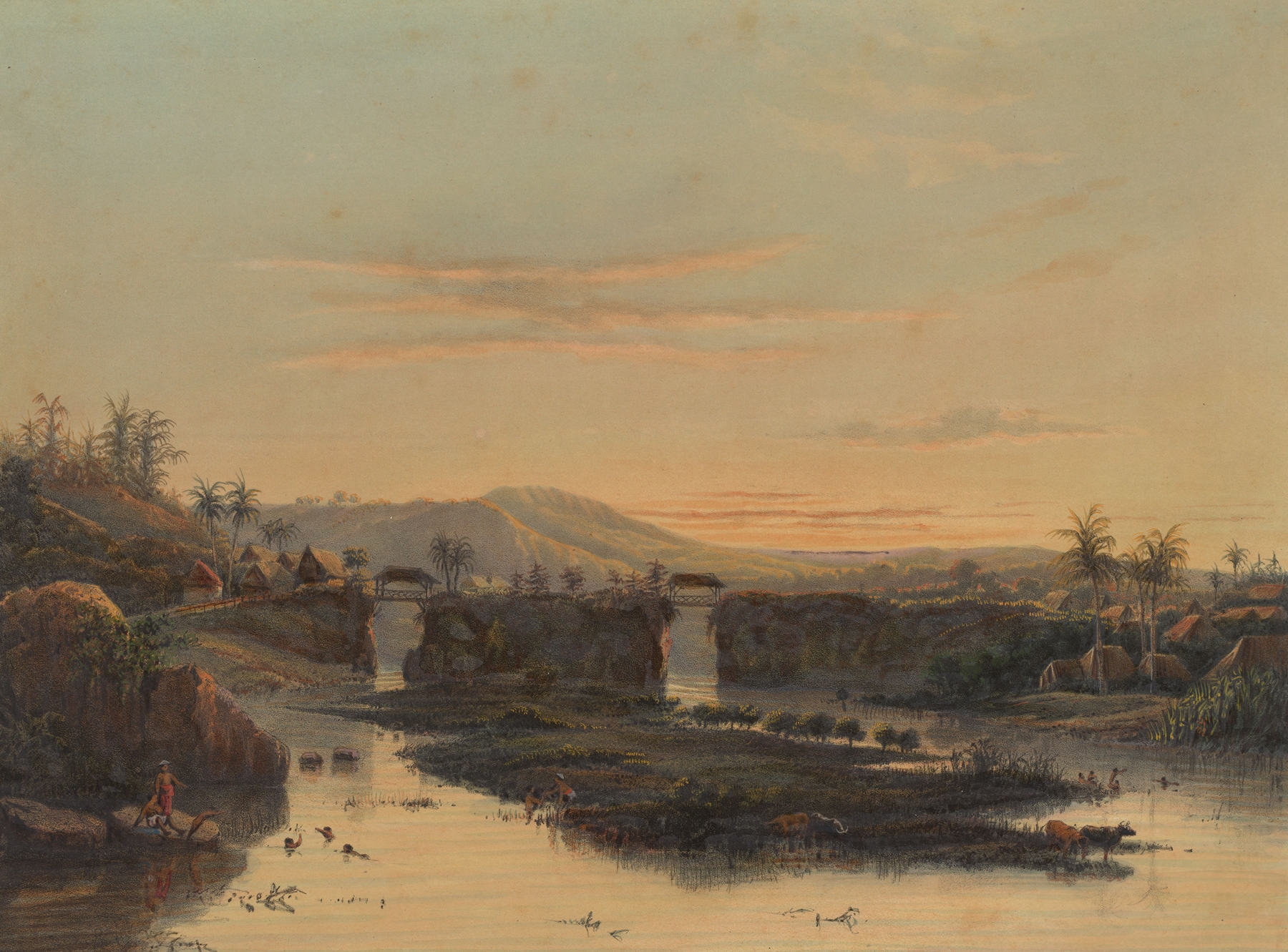
“To paint is to remember what time wants us to forget.” In the delicate balance between light and shadow, a moment is crystallized forever, inviting contemplation of both the ephemeral and the eternal. Focus first on the tranquil expanse of the landscape, stretching out beneath a softly glowing moon. The silvery light caresses the rolling hills, illuminating the gentle curves and creating a serene atmosphere. Notice how the artist employs a palette of deep blues and muted greens, establishing a sense of calm while highlighting the contrasting brightness of the moonlight.
Each brushstroke, precise yet fluid, captures an essence of the night that feels alive, breathing with every nuance of color. Delve deeper into the subtle interplay between the light and the surrounding shadows, revealing the tension inherent in natural beauty. The stillness of the scene belies an undercurrent of longing, as if the landscape yearns to share its whispered stories. The distant mountains loom like guardians of secrets, while the foreground invites viewers into an intimate embrace with nature's splendor.
Here, balance resonates—between light and dark, tranquility and anticipation—reflecting the complexity of existence itself. In 1869, the artist crafted this piece during a period of artistic exploration, honing his skills within the Dutch landscape tradition. Living in Sumedang, Indonesia, Greive was deeply influenced by the unique environment, which allowed him to merge Eastern and Western artistic sensibilities. The painting not only showcases his technical prowess but also represents a moment in art history where the contemplation of nature became a profound reflection of human experience.