
Landschap met hoeve — History & Analysis
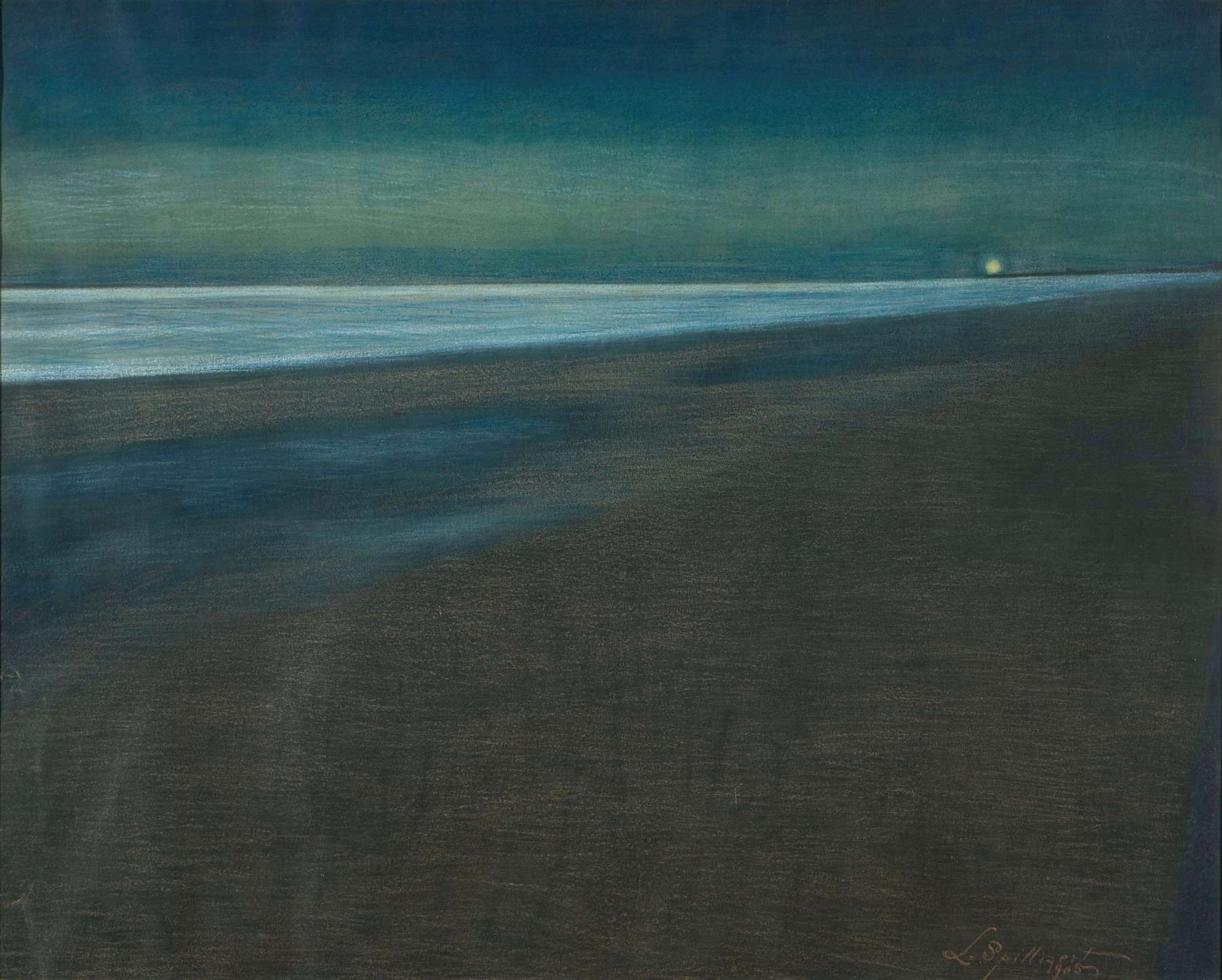
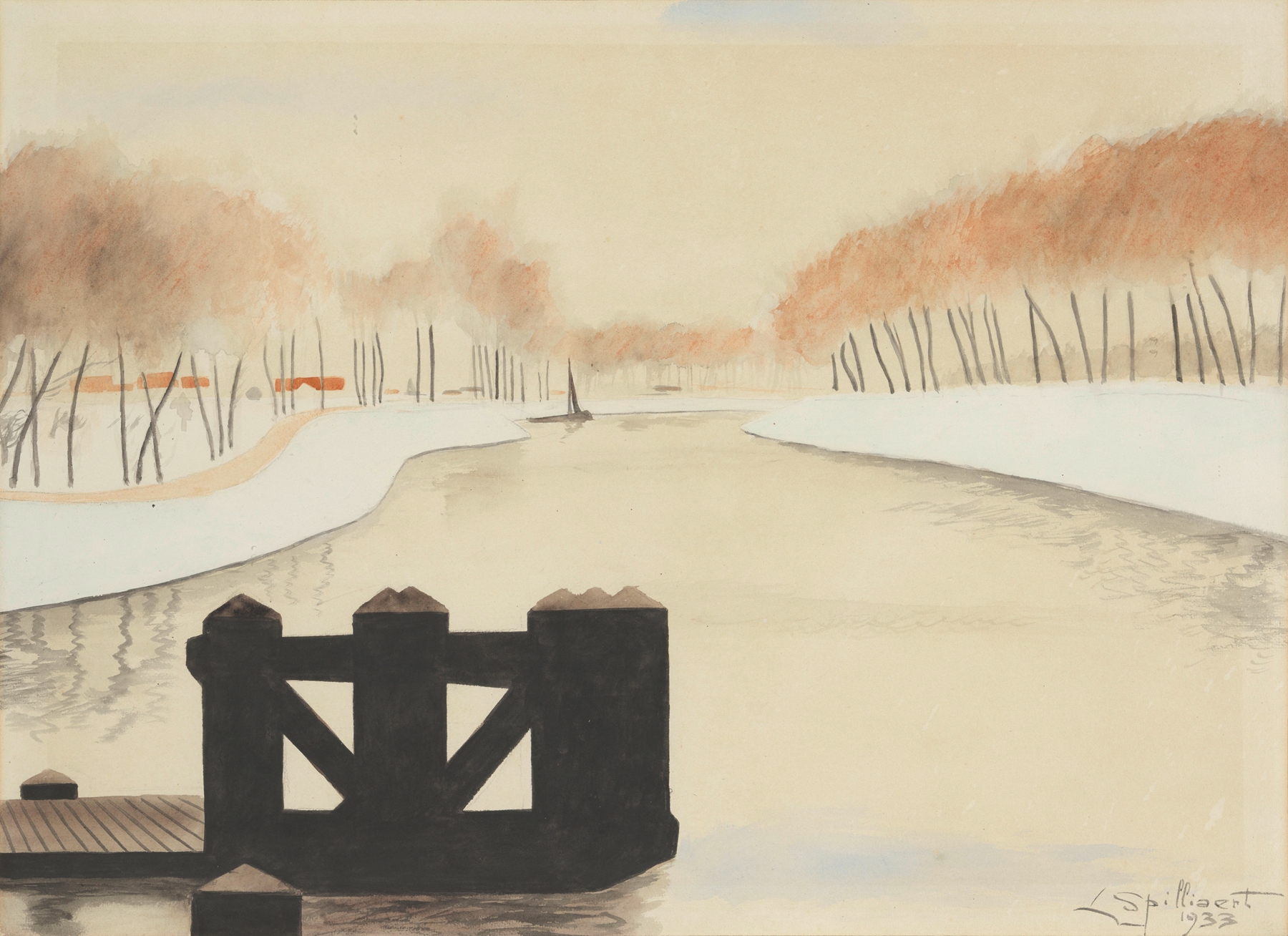
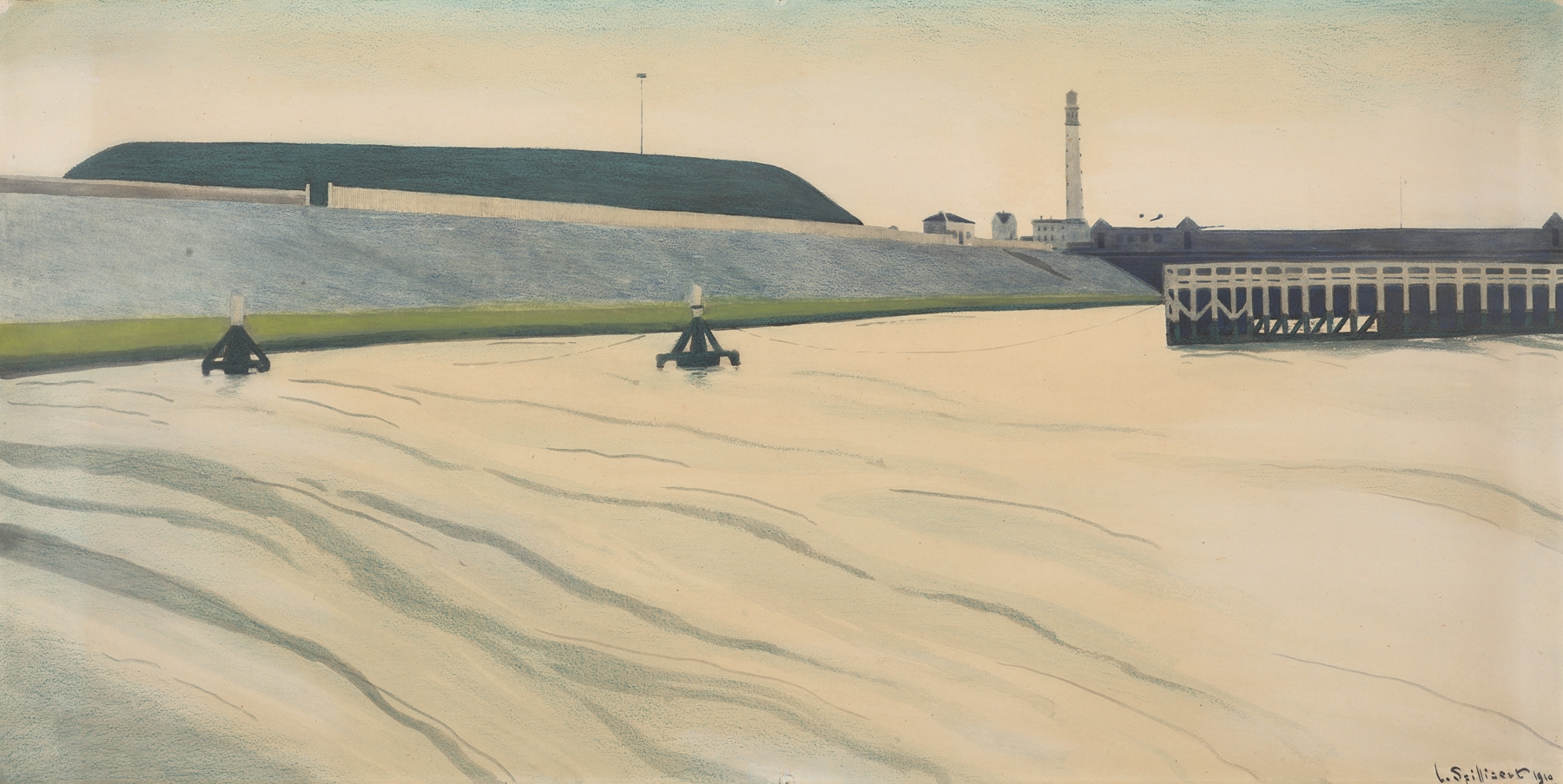
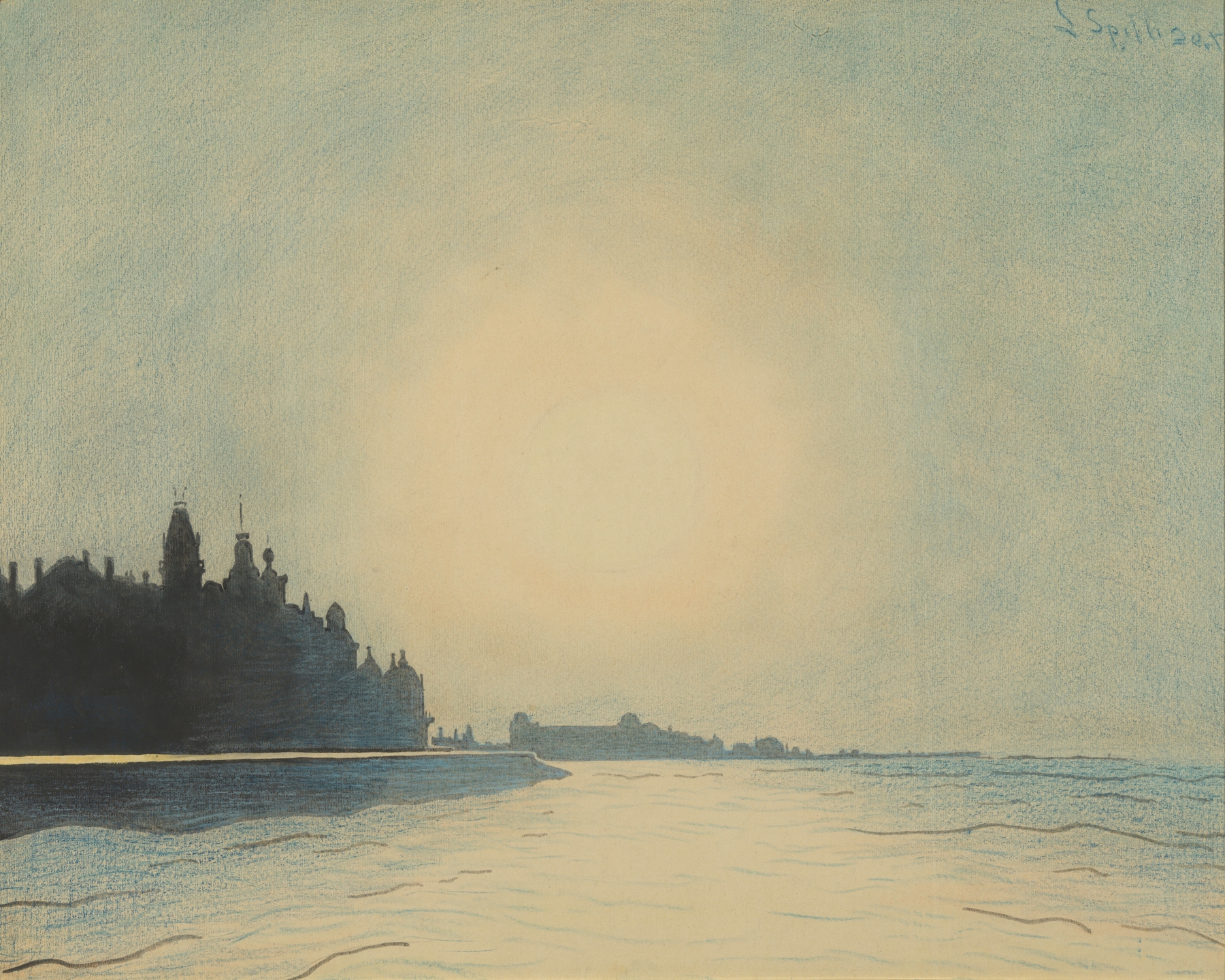
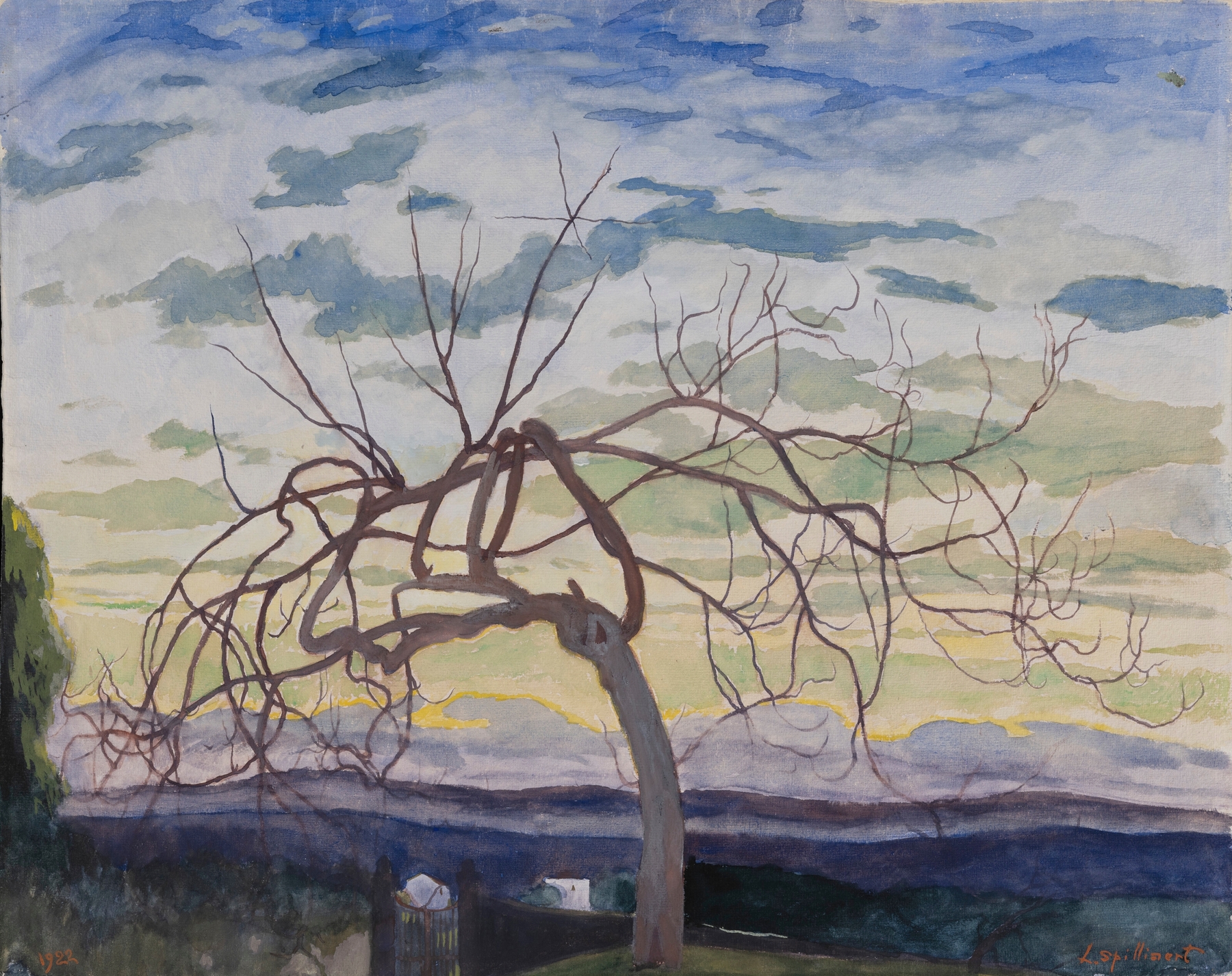
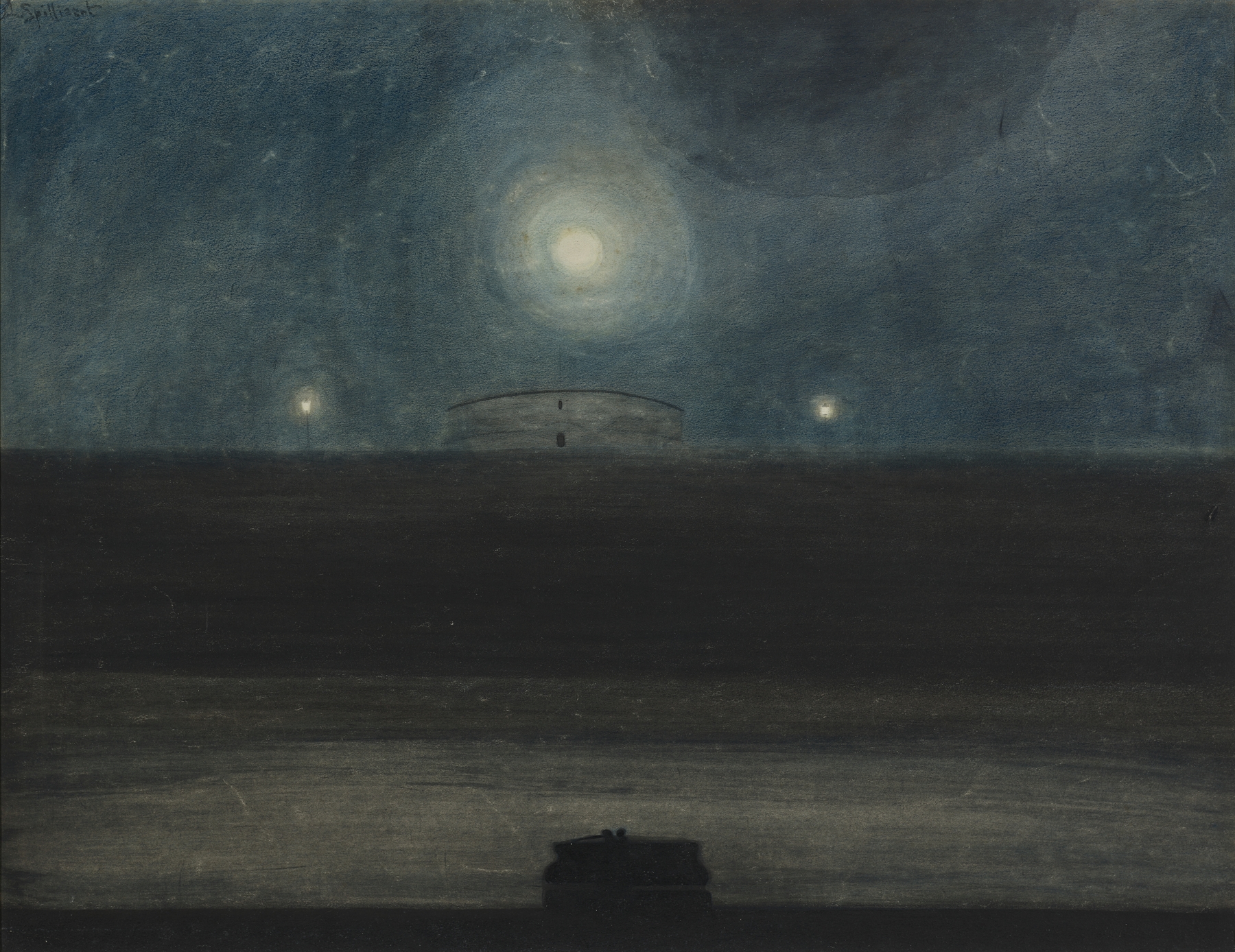
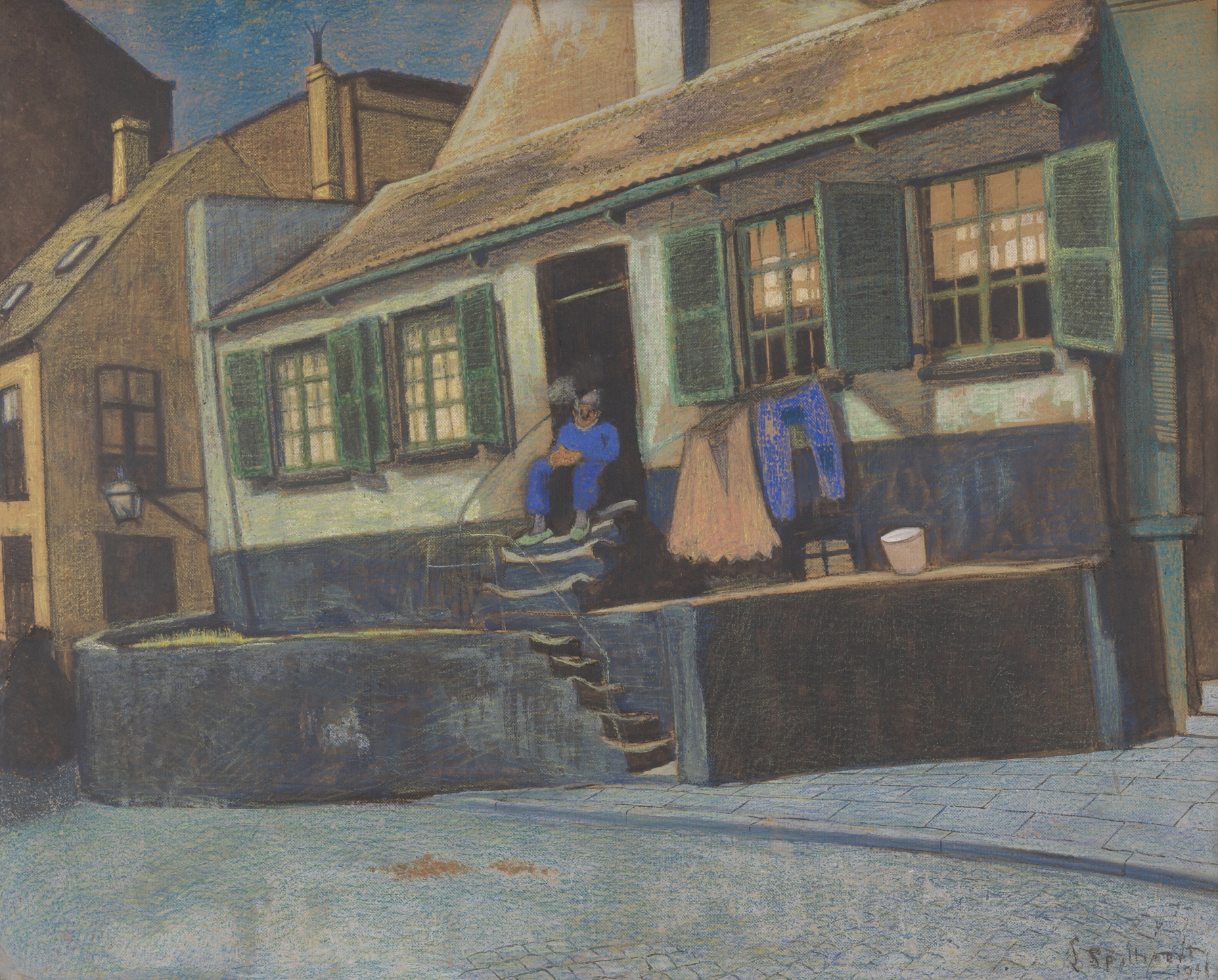
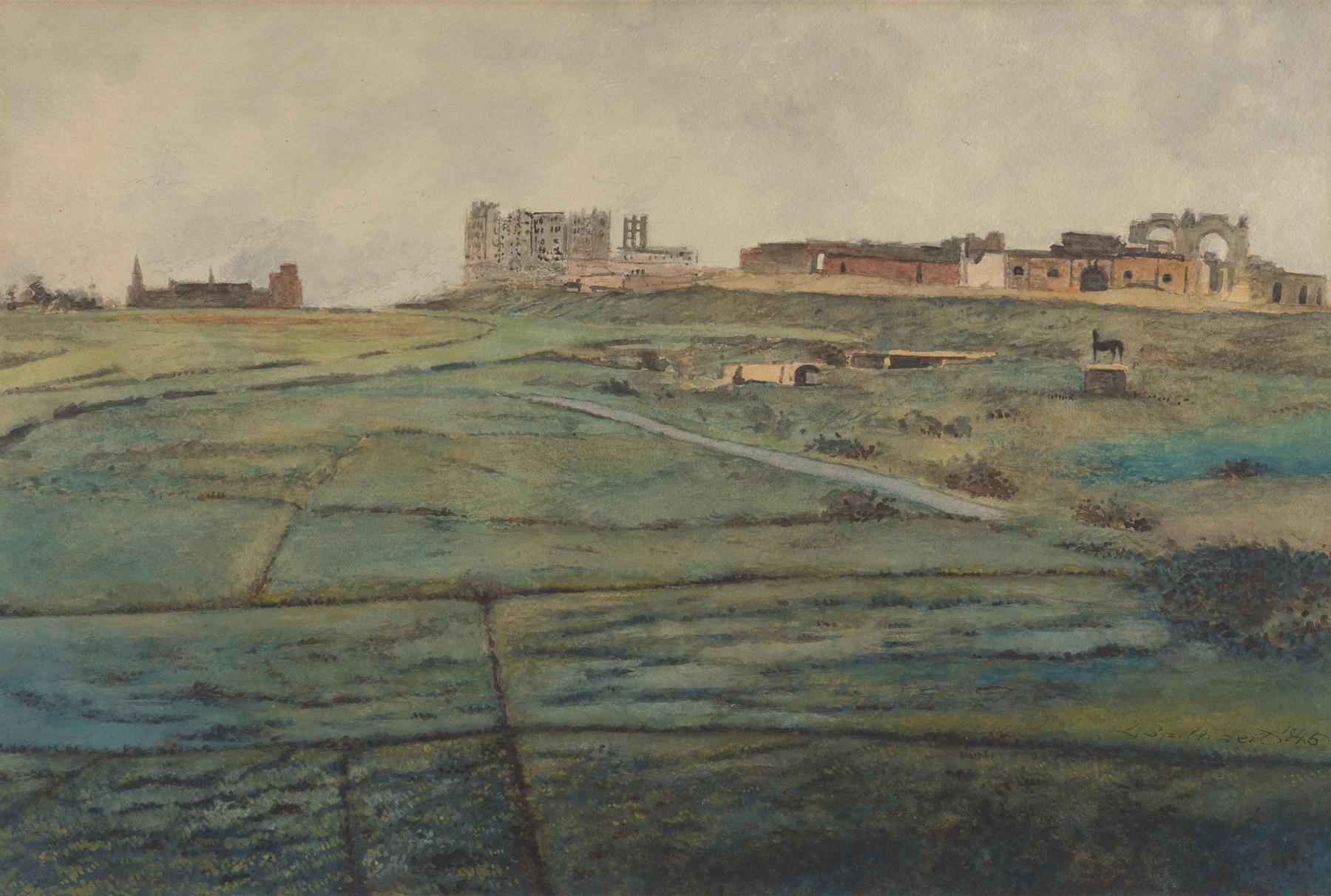
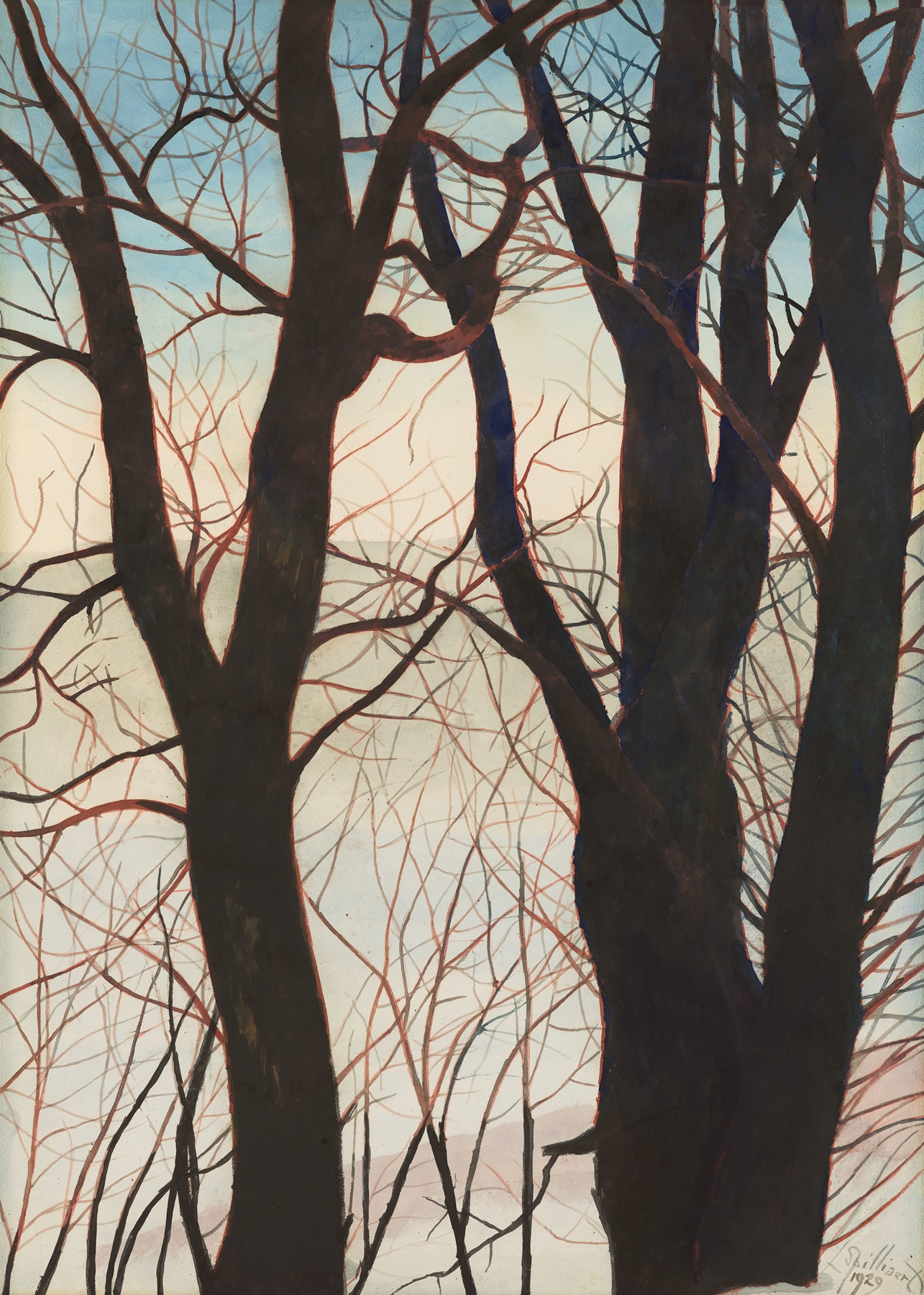
“Every silence here is a confession.” The weight of unspoken sorrow hangs in the air, calling to mind the quietude that envelops the soul during moments of loss. Look to the center where the farmhouse stands, its muted browns and deep greens melding with the landscape, a testament to endurance amidst the passage of time. Notice how the soft light washes over the structure, illuminating the edges while casting shadows that dance like ghosts around it. The horizon meets a brooding sky, the colors melding into a palette of melancholic blues and grays, evoking the bittersweet nature of memory.
In this tranquil setting, the juxtaposition between the sturdy architecture and the encroaching natural elements speaks volumes about resilience and fragility. The broken fence at the forefront mirrors the disarray of grief, while the winding path leads the viewer’s eye deeper into the painting, symbolizing a journey through sorrow. Each blade of grass seems to whisper tales of longing, wrapping the land in an intimate embrace—the stillness is both comforting and haunting.
Léon Spilliaert created this poignant landscape in 1930, a period marked by personal upheaval and a world grappling with uncertainty. Living in Belgium, he faced both artistic evolution and the shadows of his own emotional struggles. As he painted, Spilliaert sought to blend his inner turmoil with the serene yet somber beauty of the rural scene, forming a bridge between the external world and the depths of the human experience.
![Le Phare aux signaux [De vuurtoren], by Léon Spilliaert, public domain](https://froigstrpvutwqtqikzt.supabase.co/storage/v1/object/public/art-images/artworks/15c64ea88267bb2176f857ee48f253129140e660e1928d47acf6cab808d0226d.jpg)