Lavandières Au Bord De La Rivière — History & Analysis
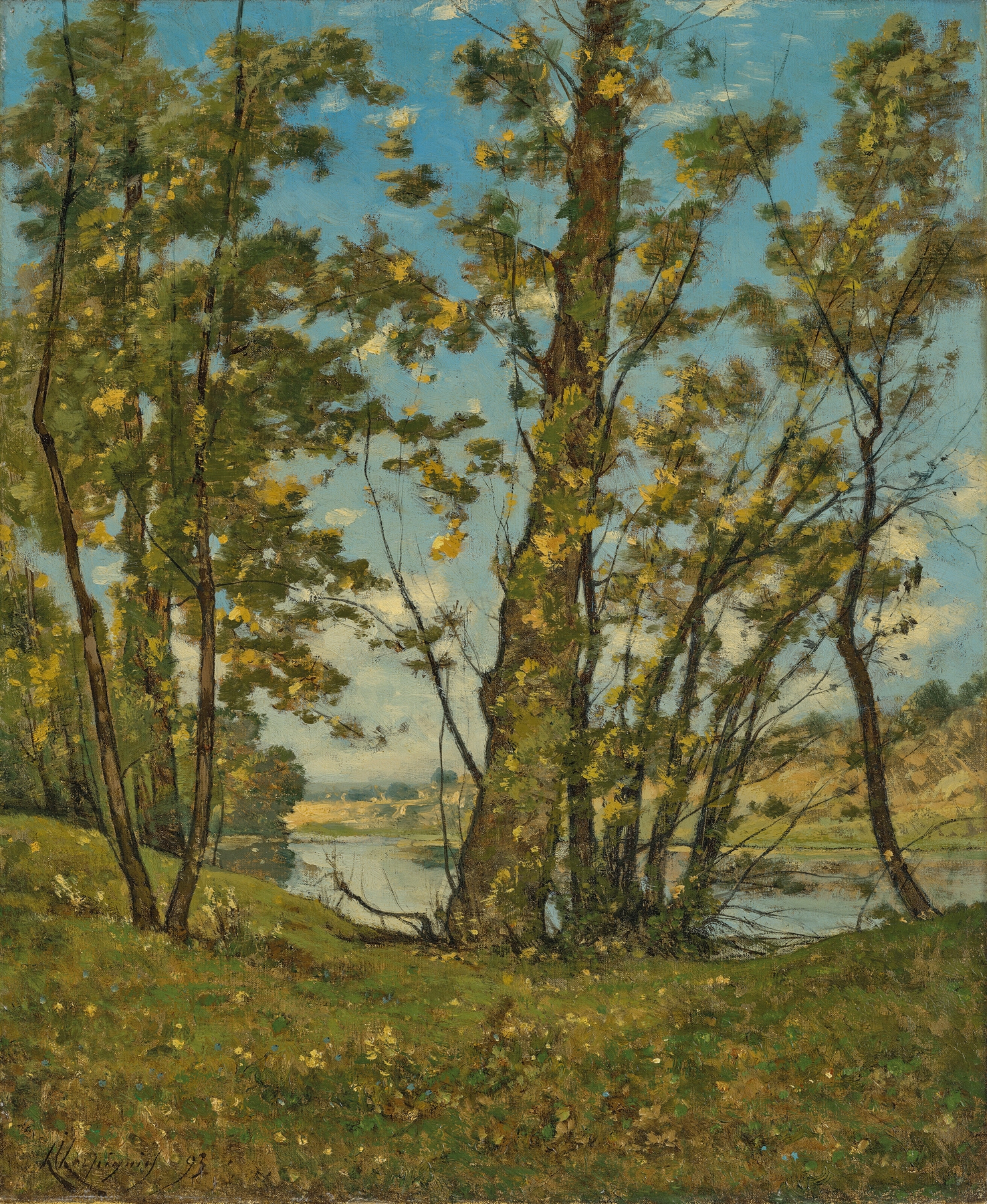
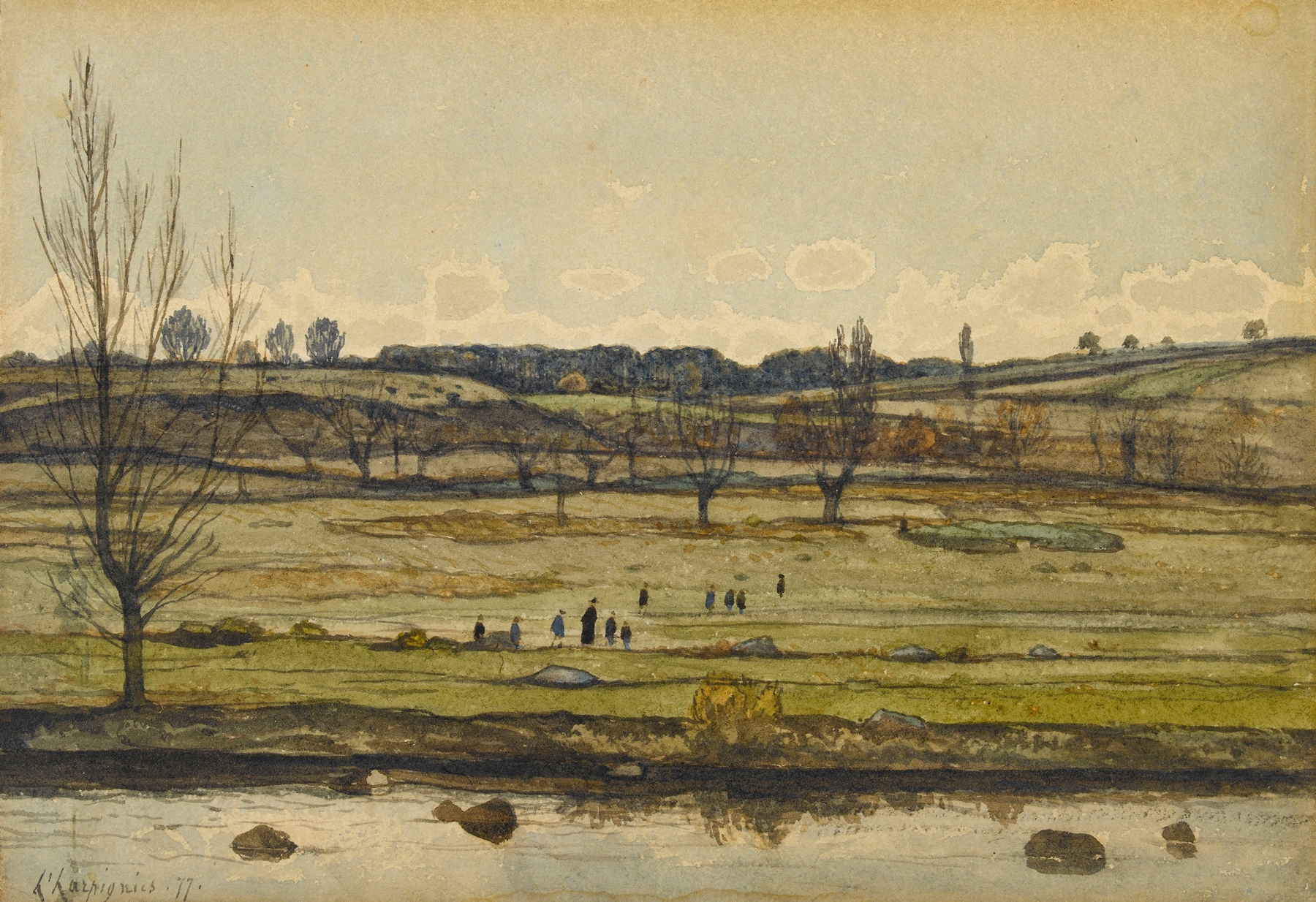
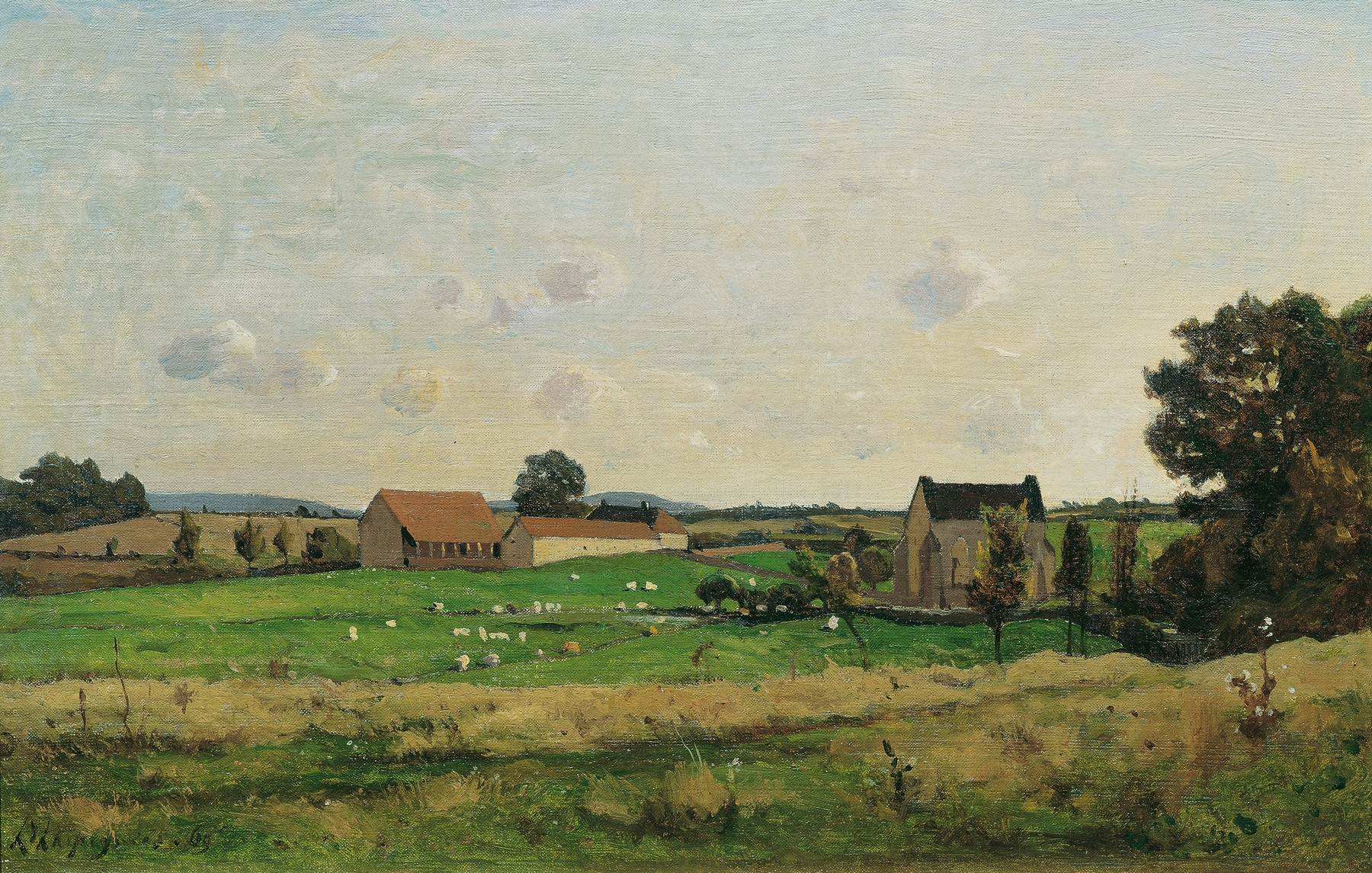
“Sometimes beauty is just pain, disguised in gold.” In Lavandières Au Bord De La Rivière, this sentiment resonates deeply, inviting contemplation on the obsession with ordinary beauty and its burdens. The tranquil riverside scene seems idyllic at first glance, yet it conceals deeper emotional currents beneath its surface. Focus on the women at the riverbank, their delicate figures harmonizing with nature's grace. Notice how the interplay of soft blues and gentle greens in the water mirrors the soft light filtering through the trees, creating a serene atmosphere. The meticulous brushwork captures the rhythmic motion of their labor, with each fold in their garments and splash from the river underscoring a sense of diligence and dedication.
This attention to detail evokes a connection between their toil and the landscape, as if their very existence is intertwined with the beauty surrounding them. Yet, look closer, and a tension emerges between the joy of nature and the weight of labor these women embody. Their smiles may mask exhaustion or longing, hinting at the societal pressures of their roles. The golden light can be seen as both a blessing and a burden, illuminating the duality of the human experience — an obsession with appearances that often overlooks the hidden struggles within.
This painting speaks to the conflict between nature’s allure and the unyielding demands of daily life. In 1899, Harpignies painted this work during a period when Impressionism was evolving, capturing fleeting moments of light and life. Living in France, he found inspiration in the landscapes and everyday scenes around him. At this time, artists were grappling with new perspectives on realism and beauty, seeking to reflect both the joys and the complexities of human existence through their art.