Le Maison du charron — History & Analysis
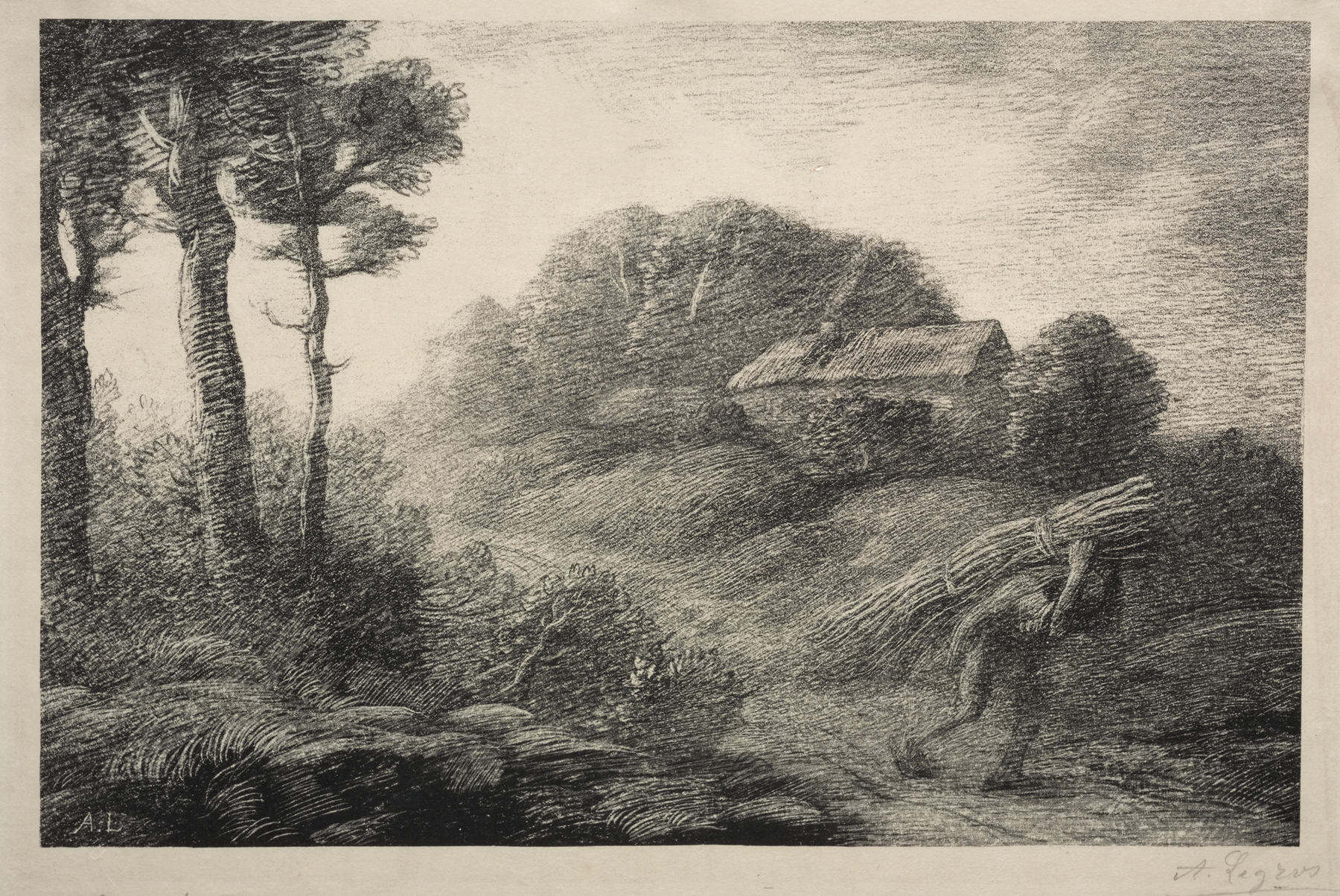
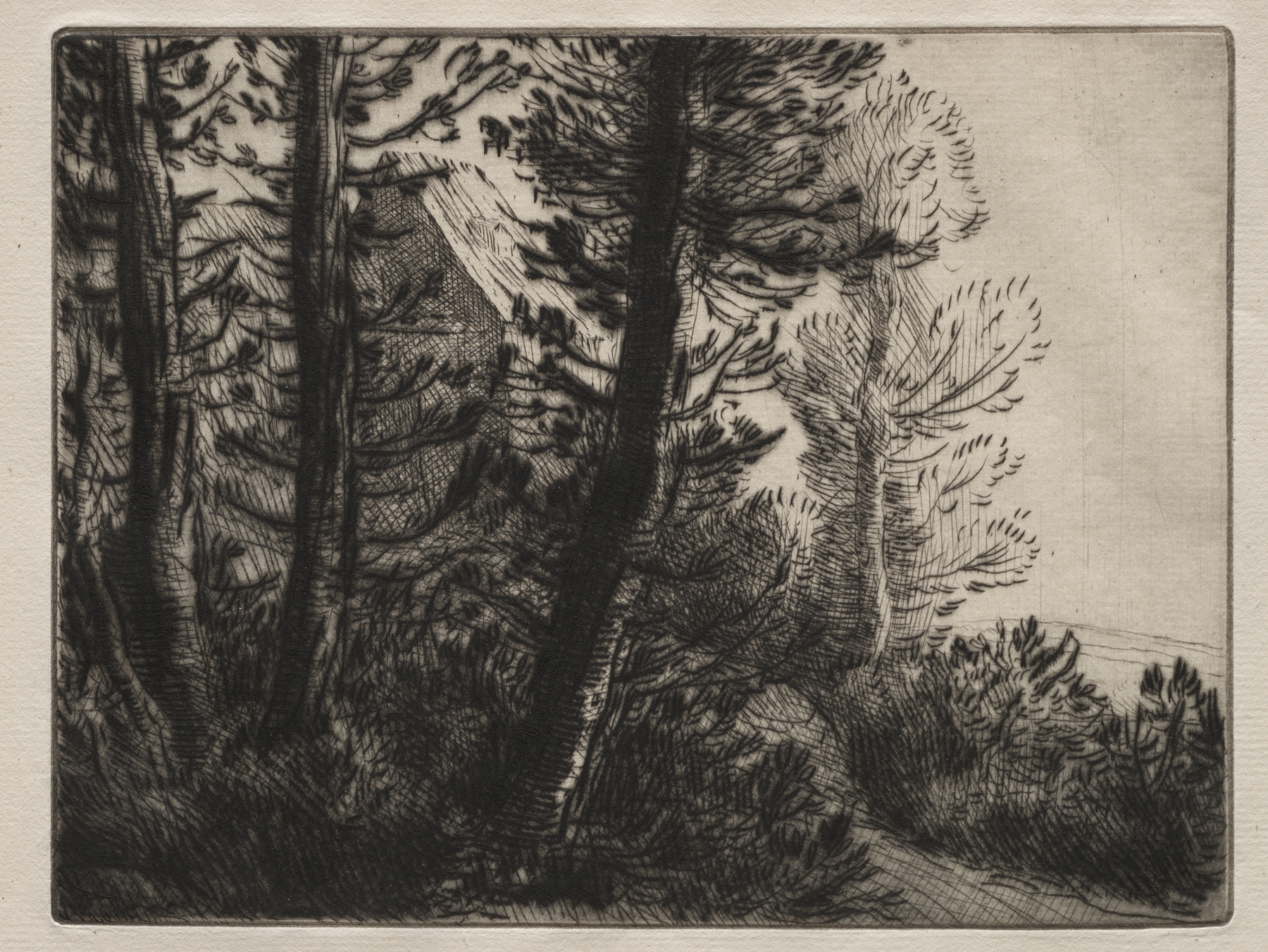
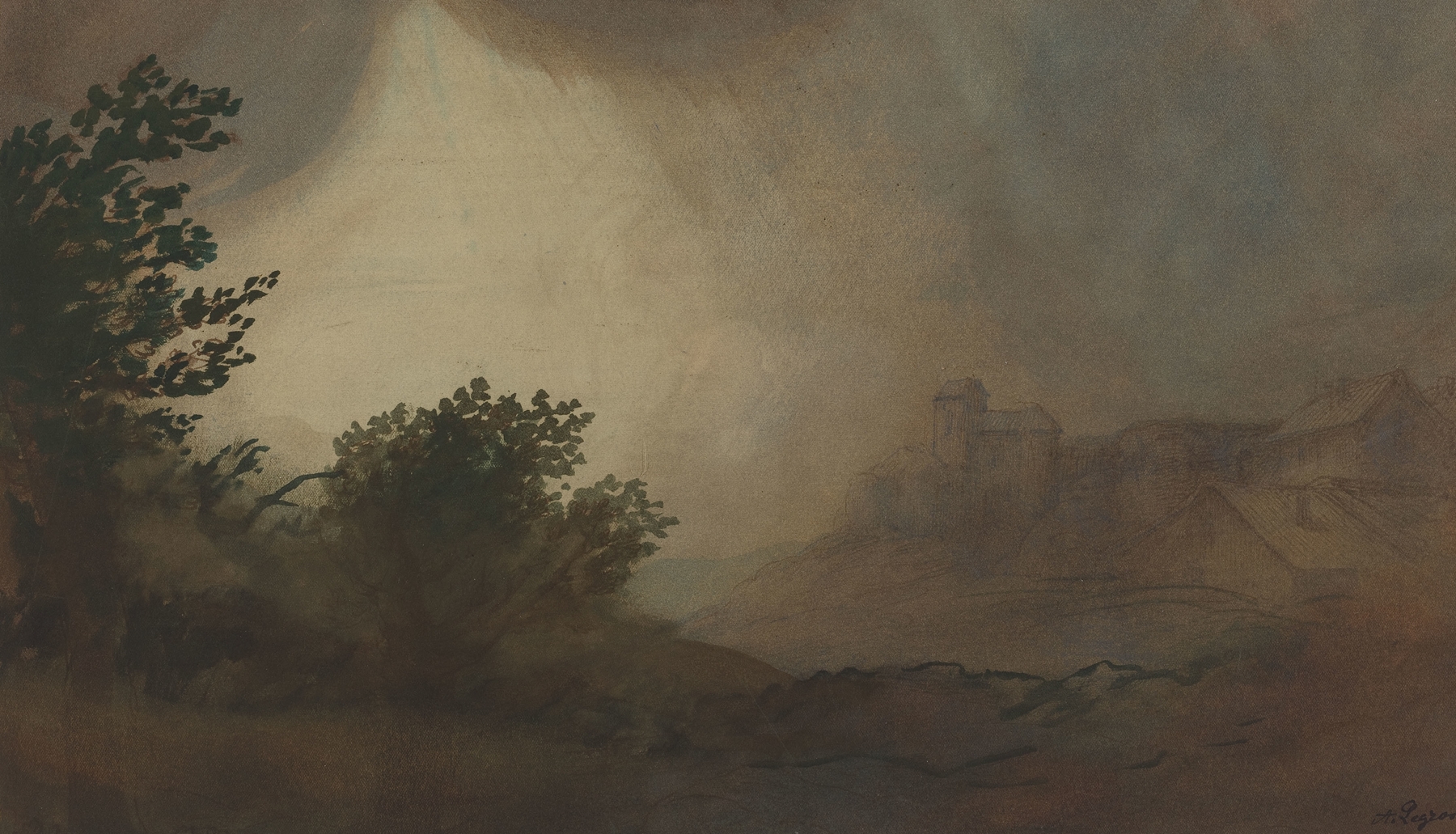
What if silence could speak through light? In Le Maison du charron, Alphonse Legros explores this profound notion, inviting viewers to experience the quiet promise of hope nestled within a desolate landscape. Look to the center, where the house stands resilient against the encroaching dusk. The earthy tones of the structure contrast with the muted sky, capturing the interplay of light and shadow that enhances its isolation. Notice how the brush strokes articulate the texture of the building, rendering it both sturdy and forlorn.
The sparse vegetation surrounding the house suggests a struggle for existence, while the dim light filtering through the clouds evokes a gentle, yet poignant, sense of anticipation. Beneath the surface lies a tension between solitude and resilience. The stillness of the scene speaks of abandonment, yet the house remains steadfast, embodying the hope that endures despite circumstance. The sparse details—a shattered window, the overgrown path—whisper stories of lives once lived and dreams deferred, inviting reflection on the human condition.
The muted colors reinforce a somber atmosphere, while the light creates an unexpected warmth, suggesting that even in despair, there remains a flicker of optimism. Legros painted Le Maison du charron between 1857 and 1911, a period of significant transition in the art world marked by the rise of Impressionism. Living in England during this time, he sought to convey emotional depth through realist techniques, distancing himself from the prevailing art movements. This work reflects his exploration of solitude and hope amidst an evolving societal landscape, embodying the artist's belief in the enduring strength of human spirit.