Le vallon — History & Analysis
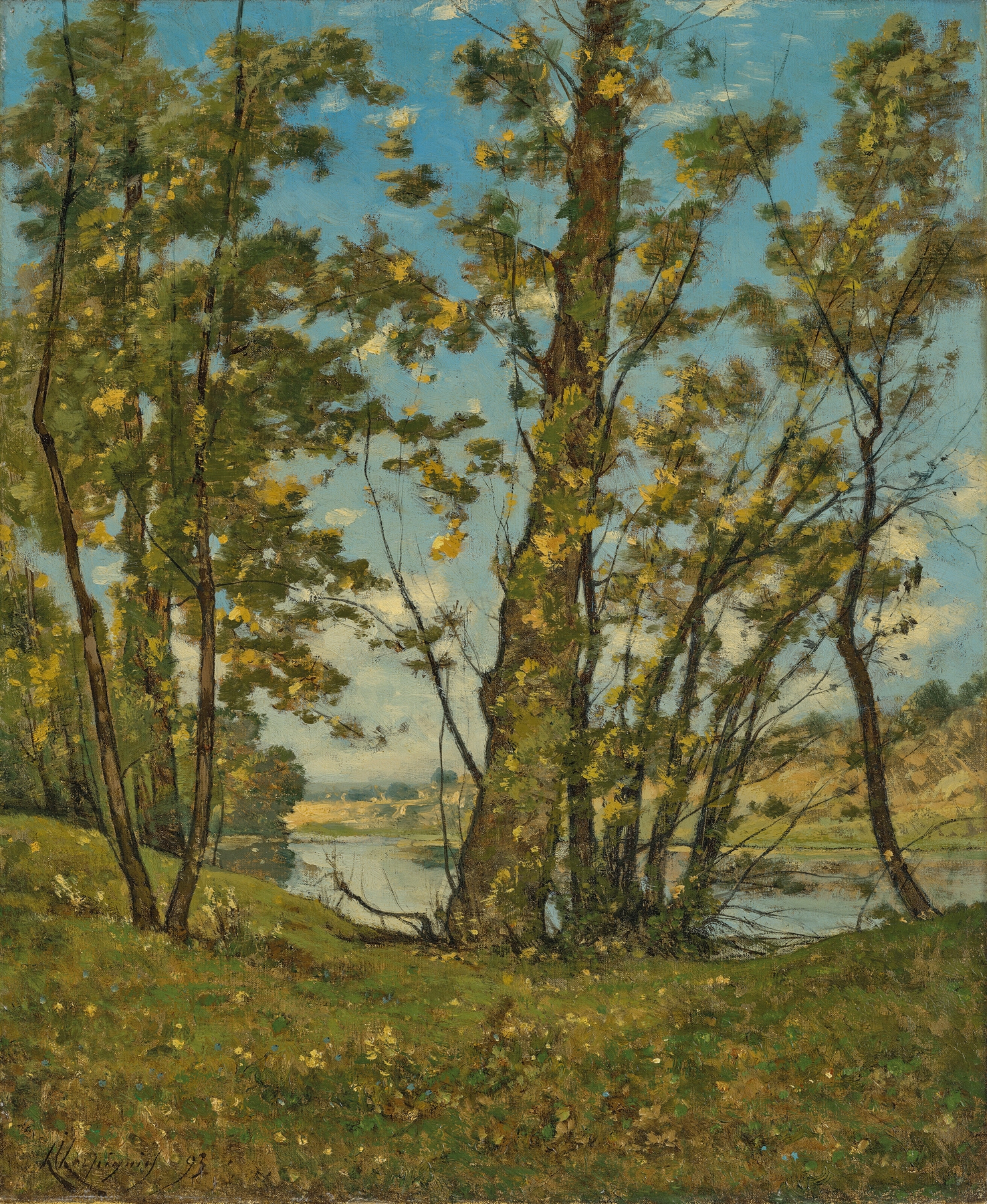
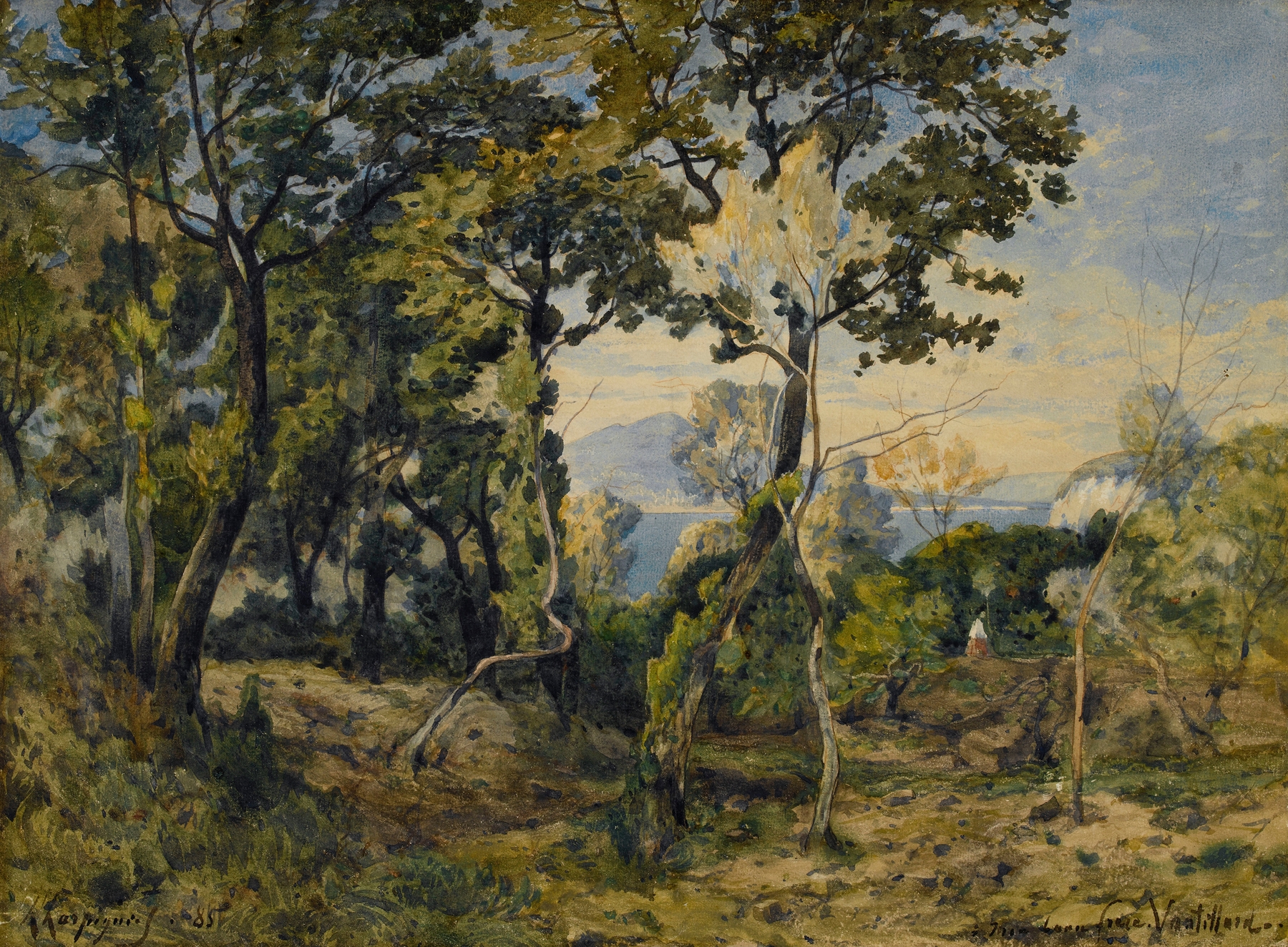
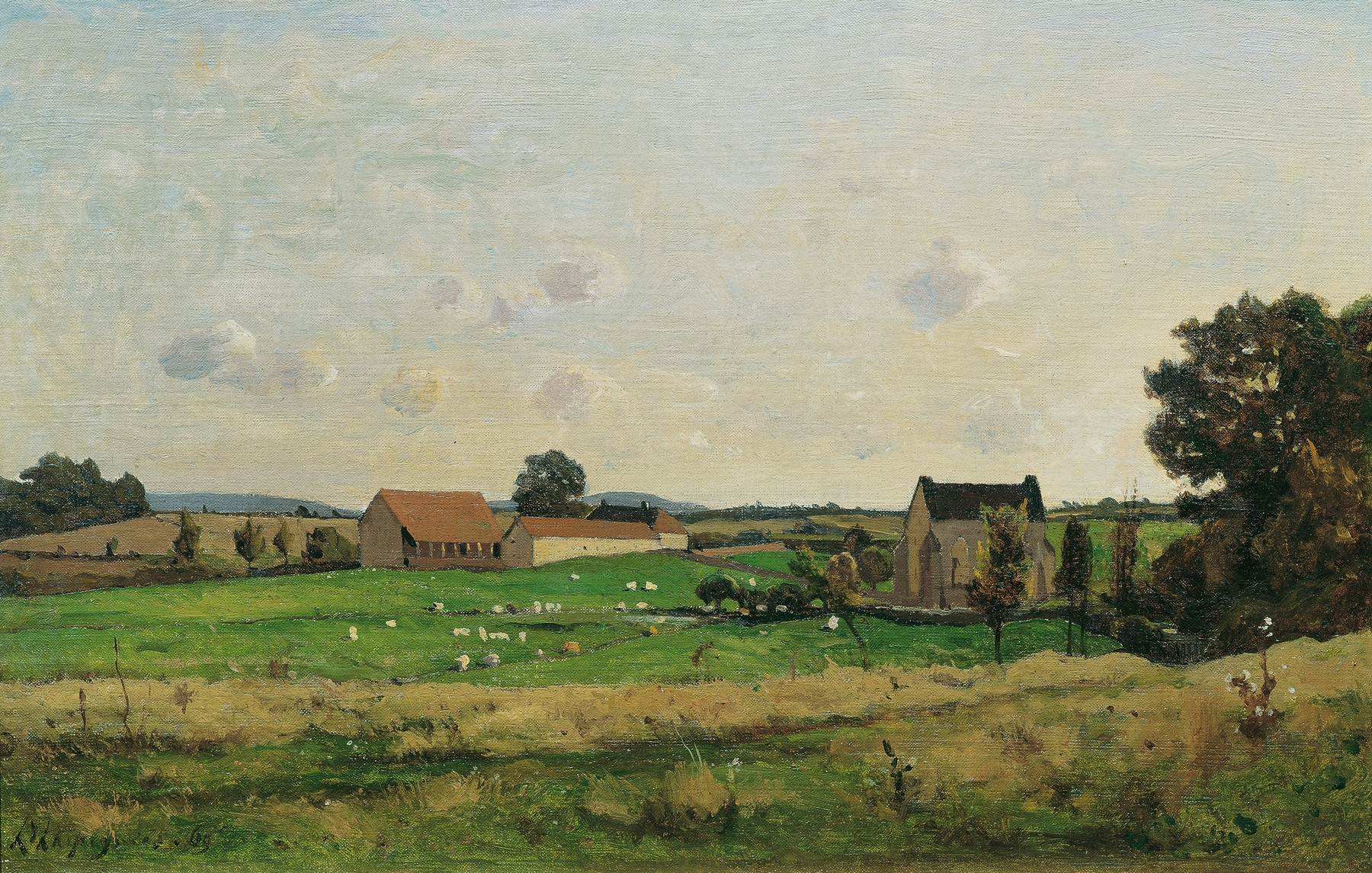
Can beauty exist without sorrow? In Le vallon, the delicate strokes and serene palette invite contemplation on the intertwining of joy and melancholy inherent in nature. Focus on the lush greenery that unfurls across the canvas, drawing your gaze to the vibrant, rolling hills in the background. Notice how the artist employs soft hues of green and blue, blending them seamlessly to create a sense of tranquility.
The light dances across the landscape, illuminating the gentle curves and inviting the viewer to step into the scene, almost as if they can hear the whisper of the wind through the leaves. Yet, hidden within this idyllic setting lies a profound tension. The serene beauty of the valley contrasts with the shadowed areas that hint at an unseen depth—perhaps a reminder that nature's splendor is often accompanied by the passage of time and the inevitability of change. The subtle play of light and shadow evokes feelings of nostalgia, suggesting that even in moments of exquisite beauty, a trace of sorrow lingers beneath the surface.
Harpignies created Le vallon in 1906 during a period when he was exploring the interplay of light and landscape, heavily influenced by the Barbizon school. At this time, he was living in France, where the Impressionist movement had begun to take hold. The world was rapidly changing, and Harpignies, reflecting on both nature and the evolving art scene, sought to capture the ephemeral beauty of the natural world, balancing his artistic expression between joy and poignant reflection.