
L’eclair Vert Sur La Mer — History & Analysis
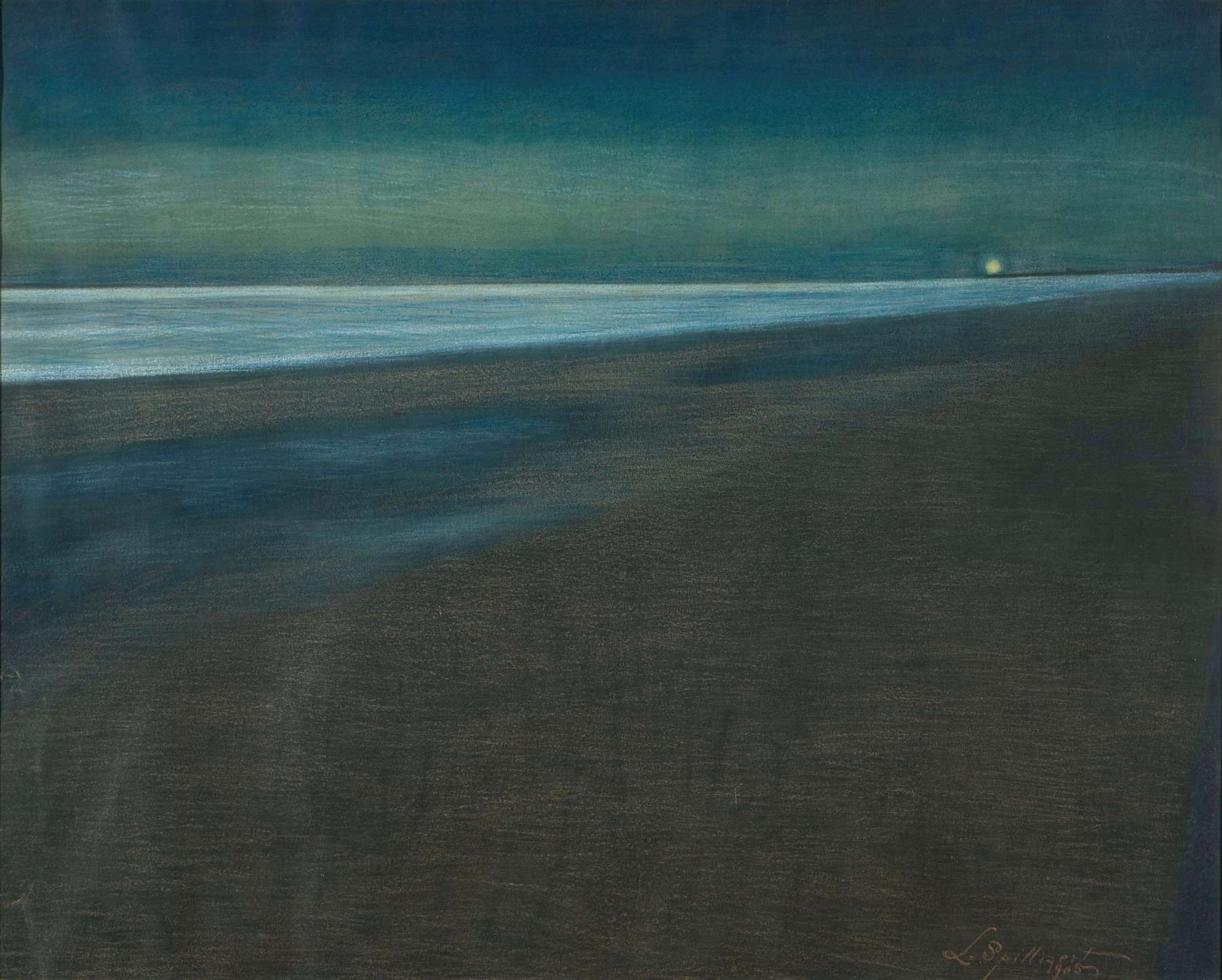
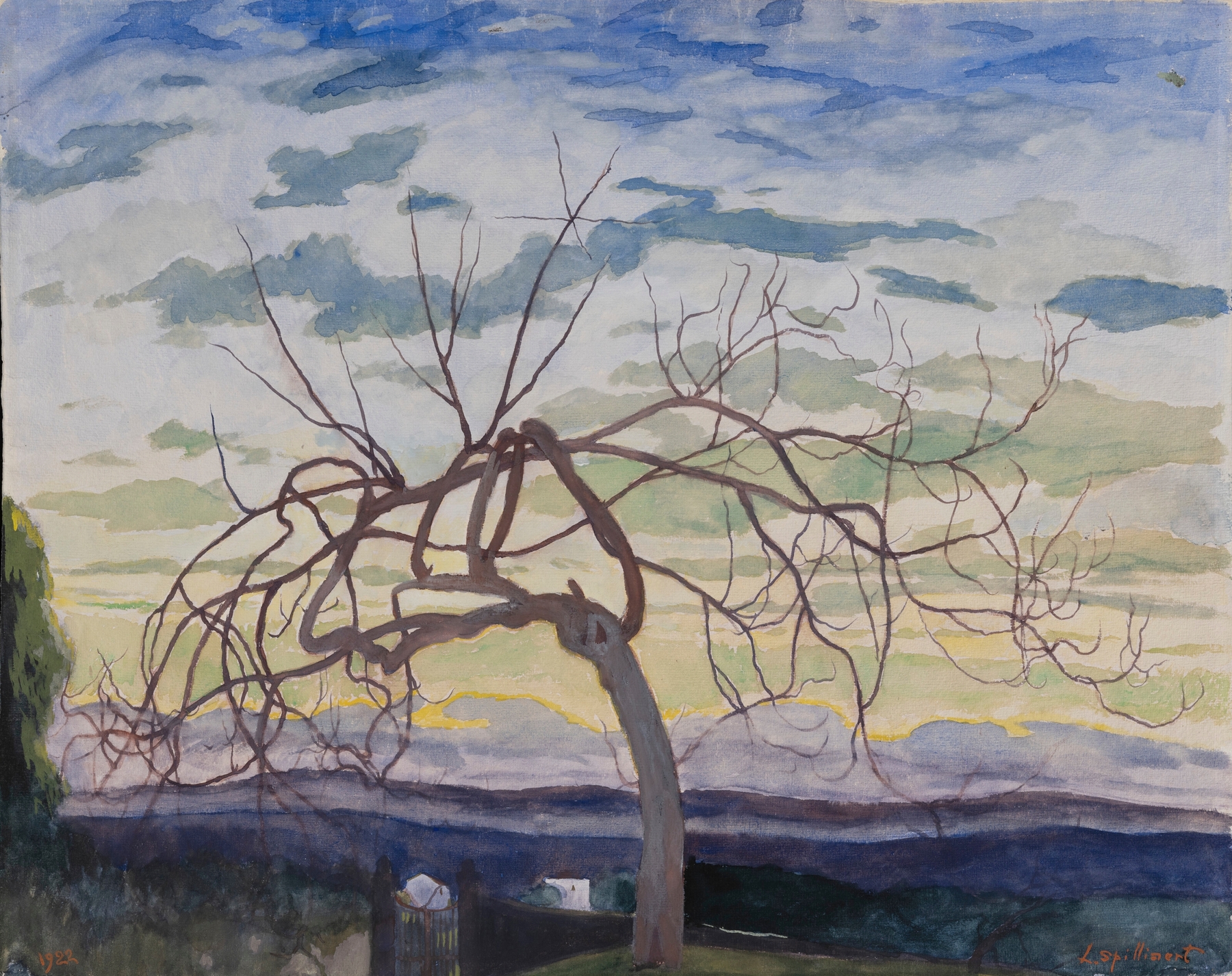
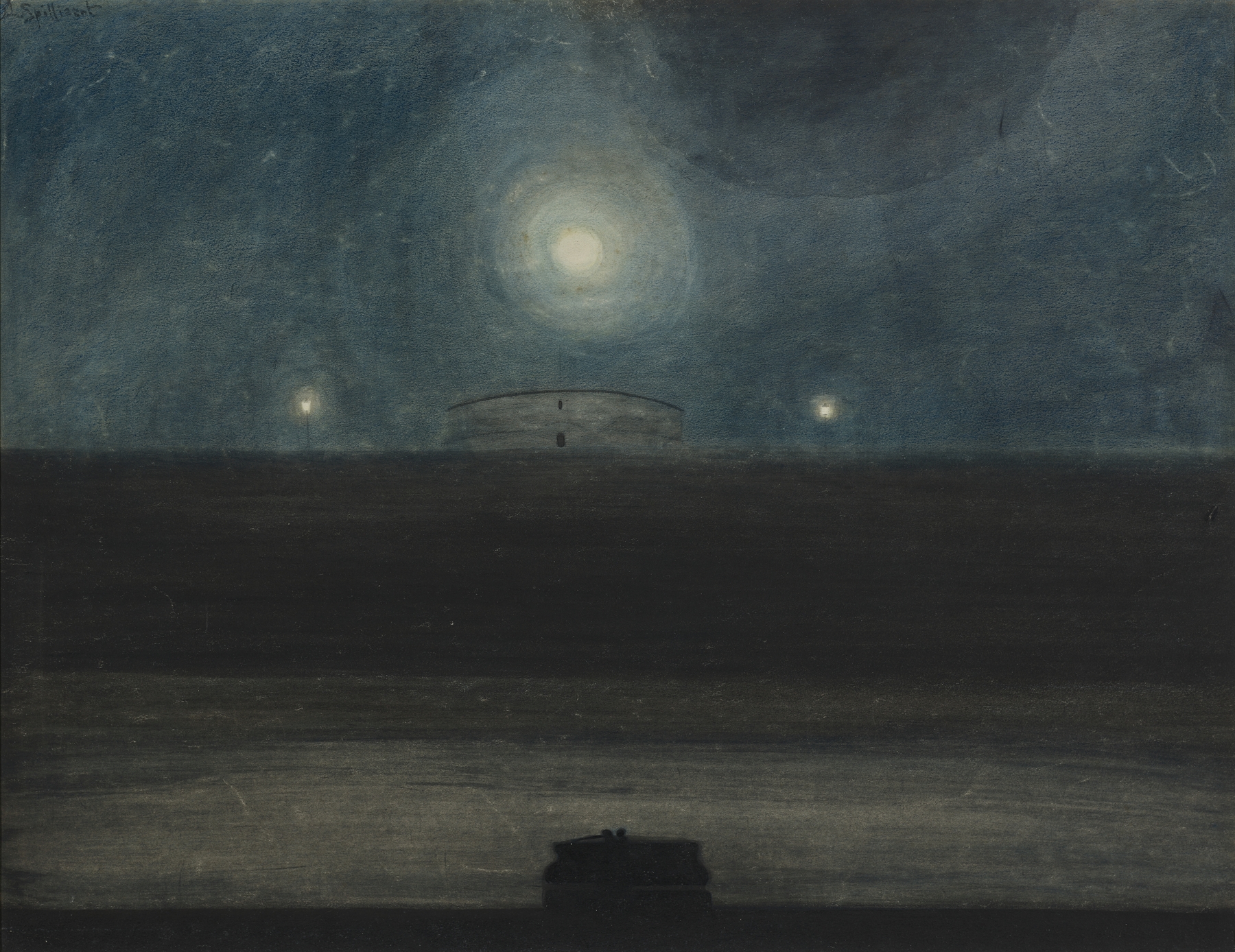
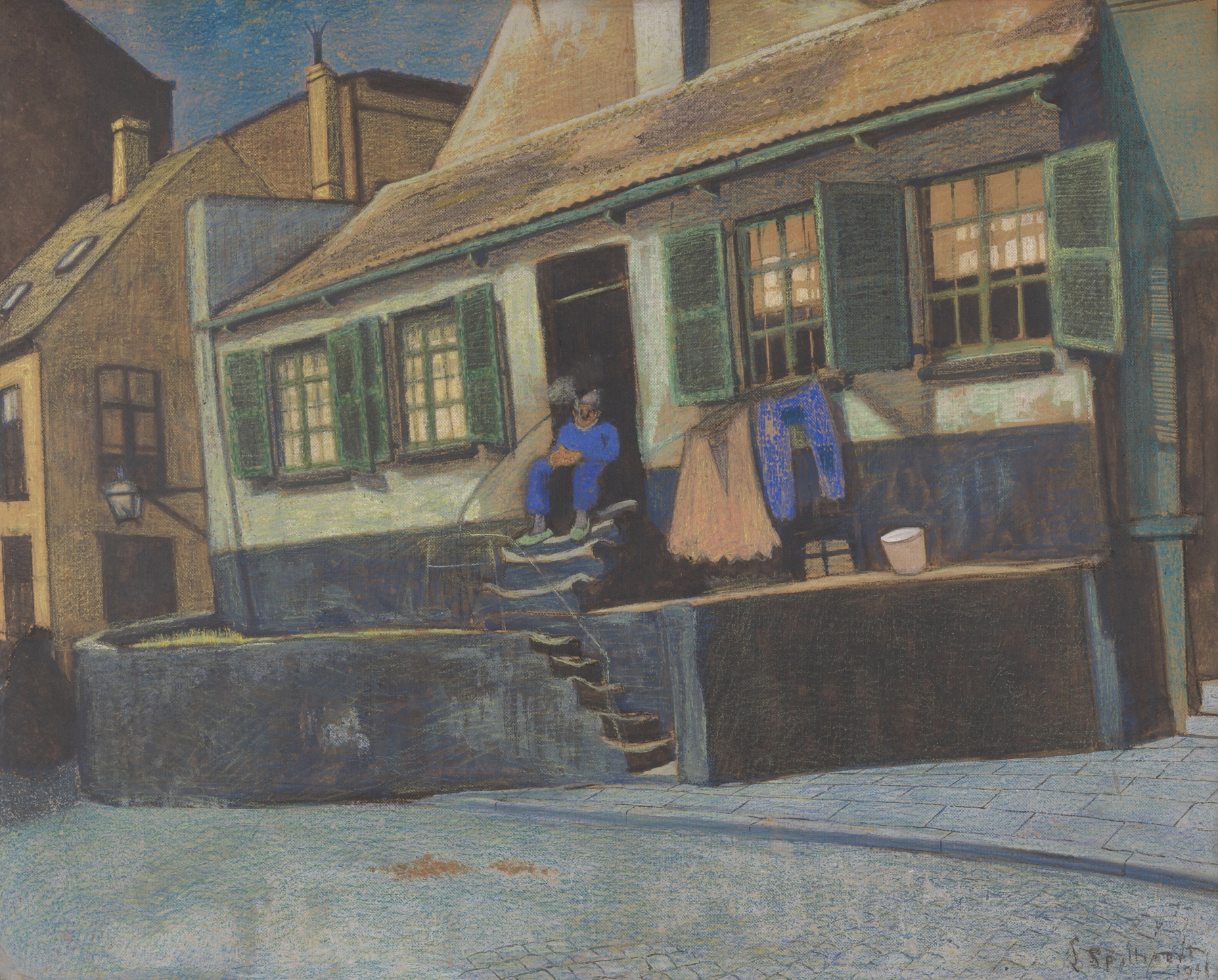
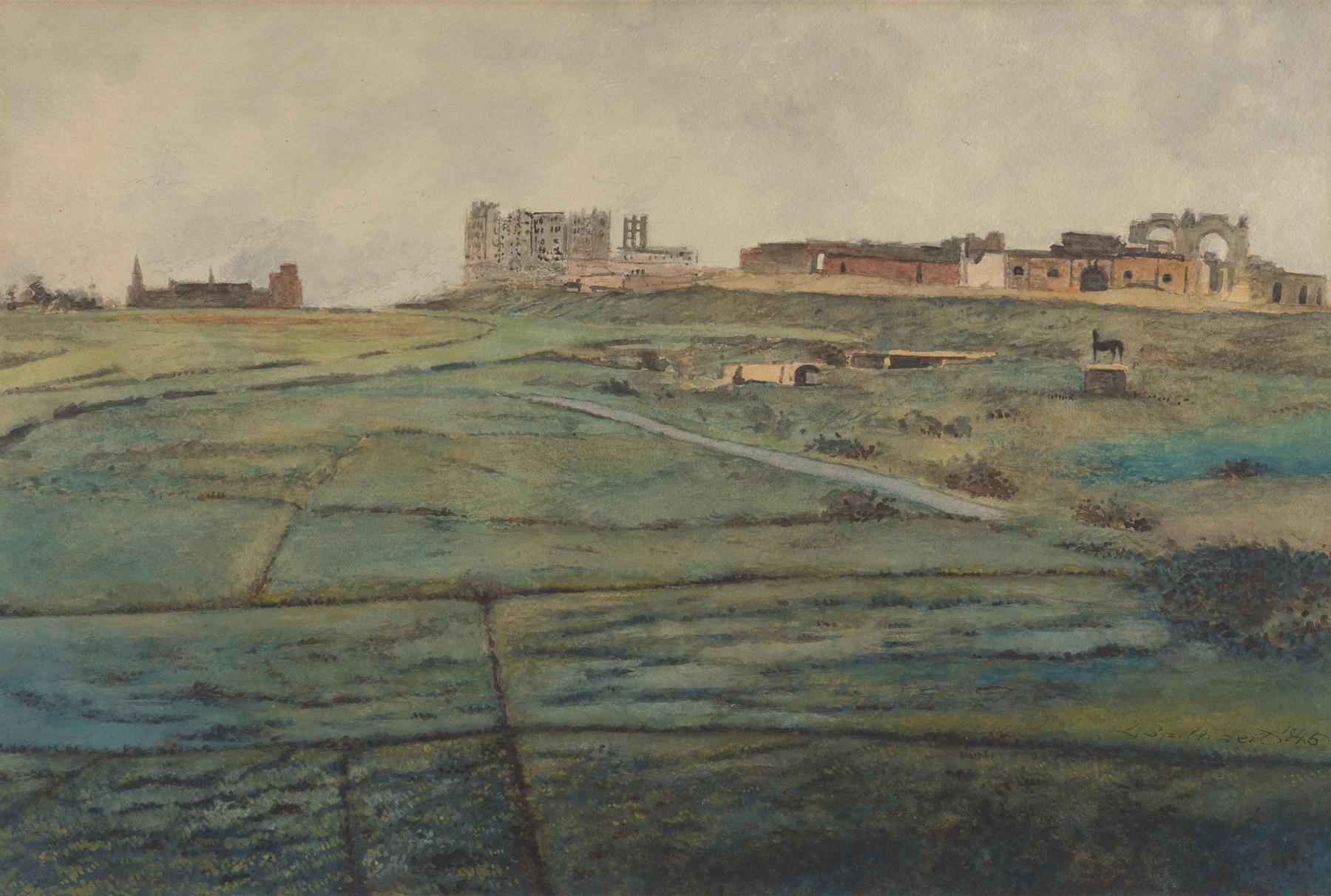
Who listens when art speaks of silence? In L’eclair Vert Sur La Mer, Léon Spilliaert captures a world where decay meets the ethereal, offering us a haunting meditation on absence and presence. Look to the left at the solitary figure, silhouetted against the vastness of the sea. The muted palette of deep blues and grays envelops the viewer, creating an atmosphere rife with introspection. Notice how the light glimmers in the distance, casting an almost spectral glow that draws the eye toward the horizon.
The subtle interplay of shadow and luminescence heightens the sense of isolation, inviting contemplation of the expanse beyond the figure. Delve deeper, and you’ll find a poignant contrast between the dynamic ocean and the stillness of the human form. The figure stands rigid, perhaps frozen in thought, symbolizing the tension between the vitality of life and the inevitability of decay. The distant light, while seemingly hopeful, also evokes a sense of melancholy, as if it represents something lost—an unreachable past or a fleeting moment.
This duality evokes a deep emotional response, prompting viewers to reflect on their own experience of solitude. In 1921, Spilliaert painted this work while living in Belgium, amidst a post-war landscape grappling with loss and disillusionment. His exploration of light and shadow reflected an evolving art world, where Symbolism and Expressionism began to merge, allowing him to articulate the complexities of human emotion in a rapidly changing society. This piece stands as a testament to his unique vision, resonating with a haunting beauty that speaks to the depths of the human condition.

![Le Phare aux signaux [De vuurtoren], by Léon Spilliaert, public domain](https://froigstrpvutwqtqikzt.supabase.co/storage/v1/object/public/art-images/artworks/15c64ea88267bb2176f857ee48f253129140e660e1928d47acf6cab808d0226d.jpg)