L’église de Montigny, effet d’automne — History & Analysis
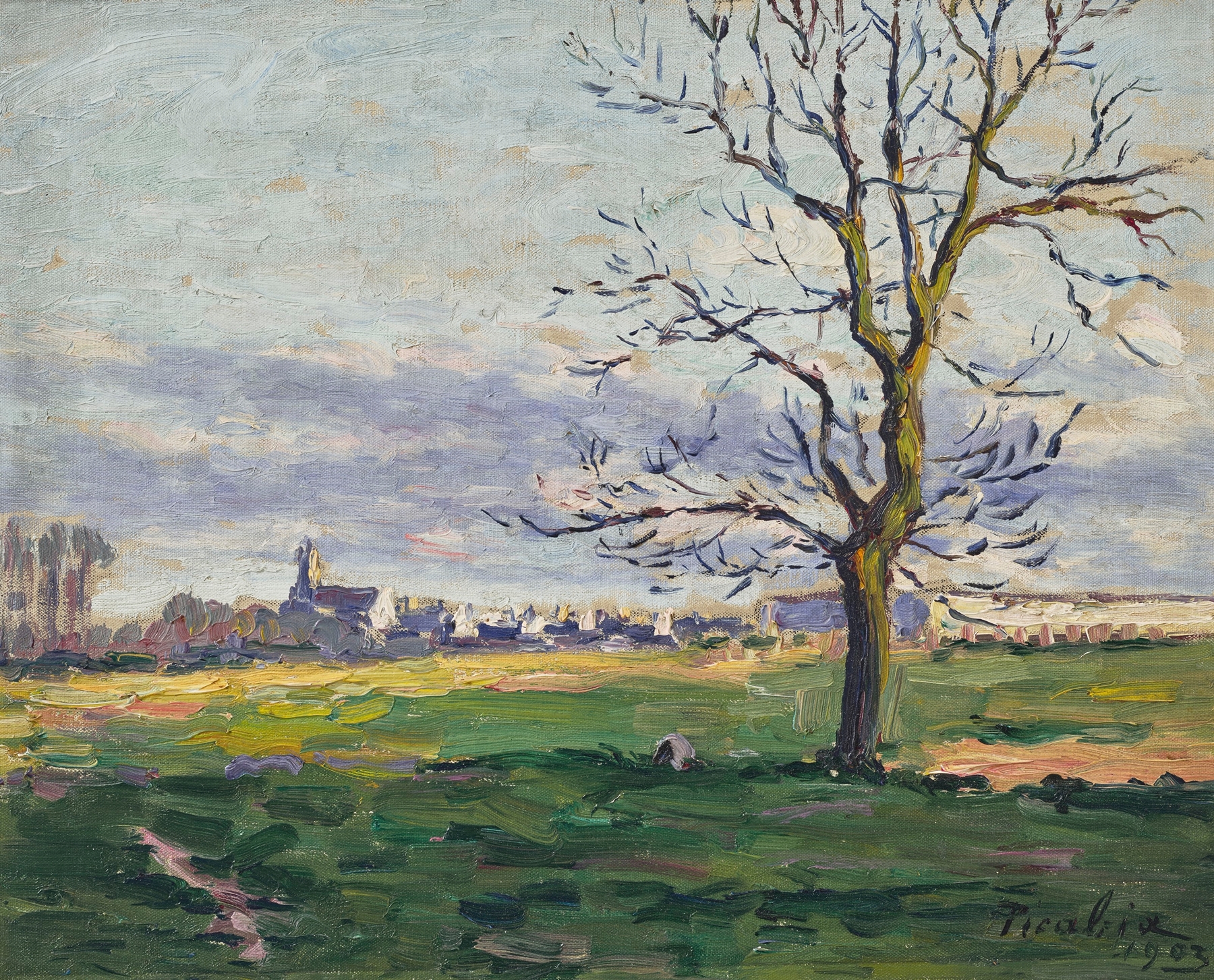
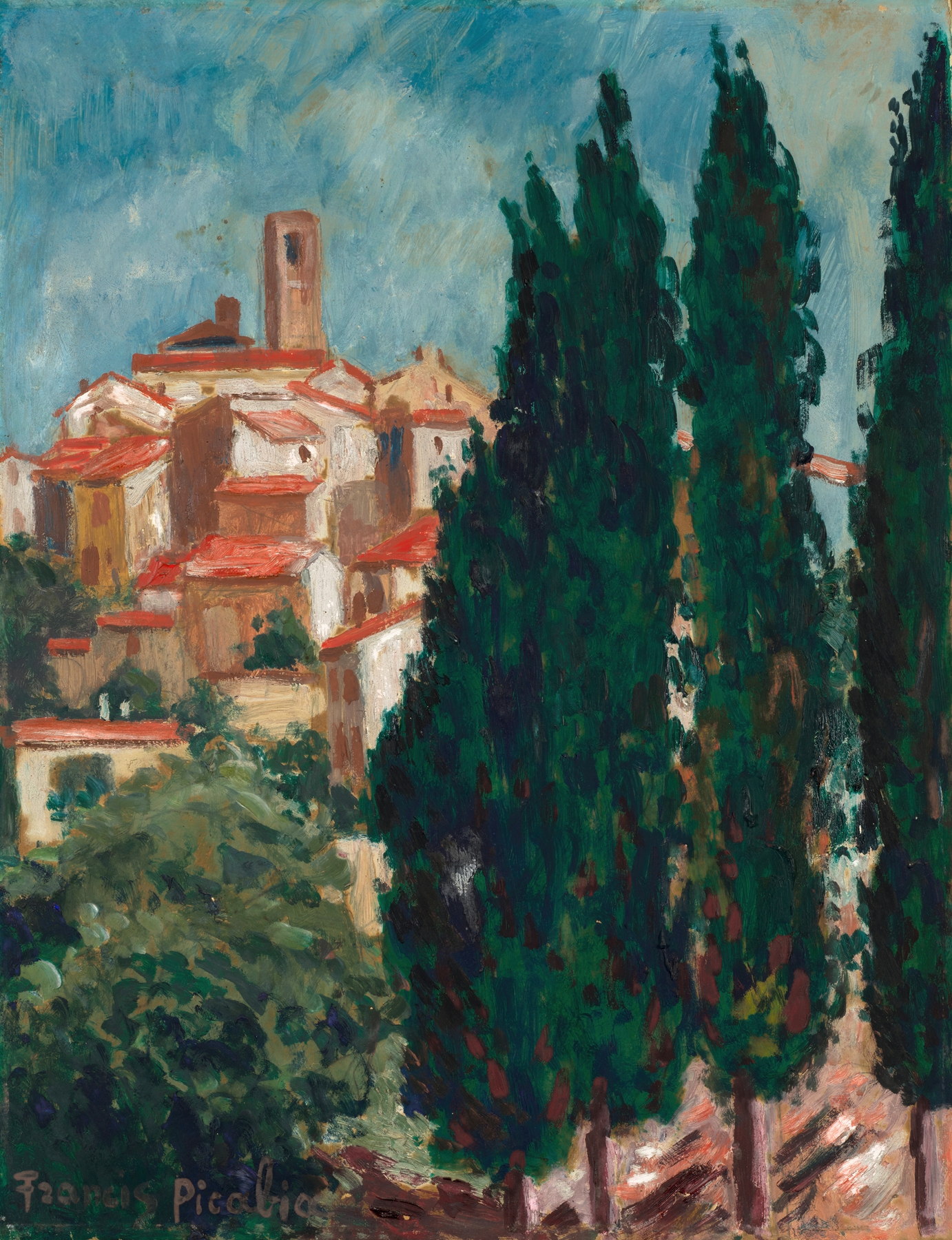
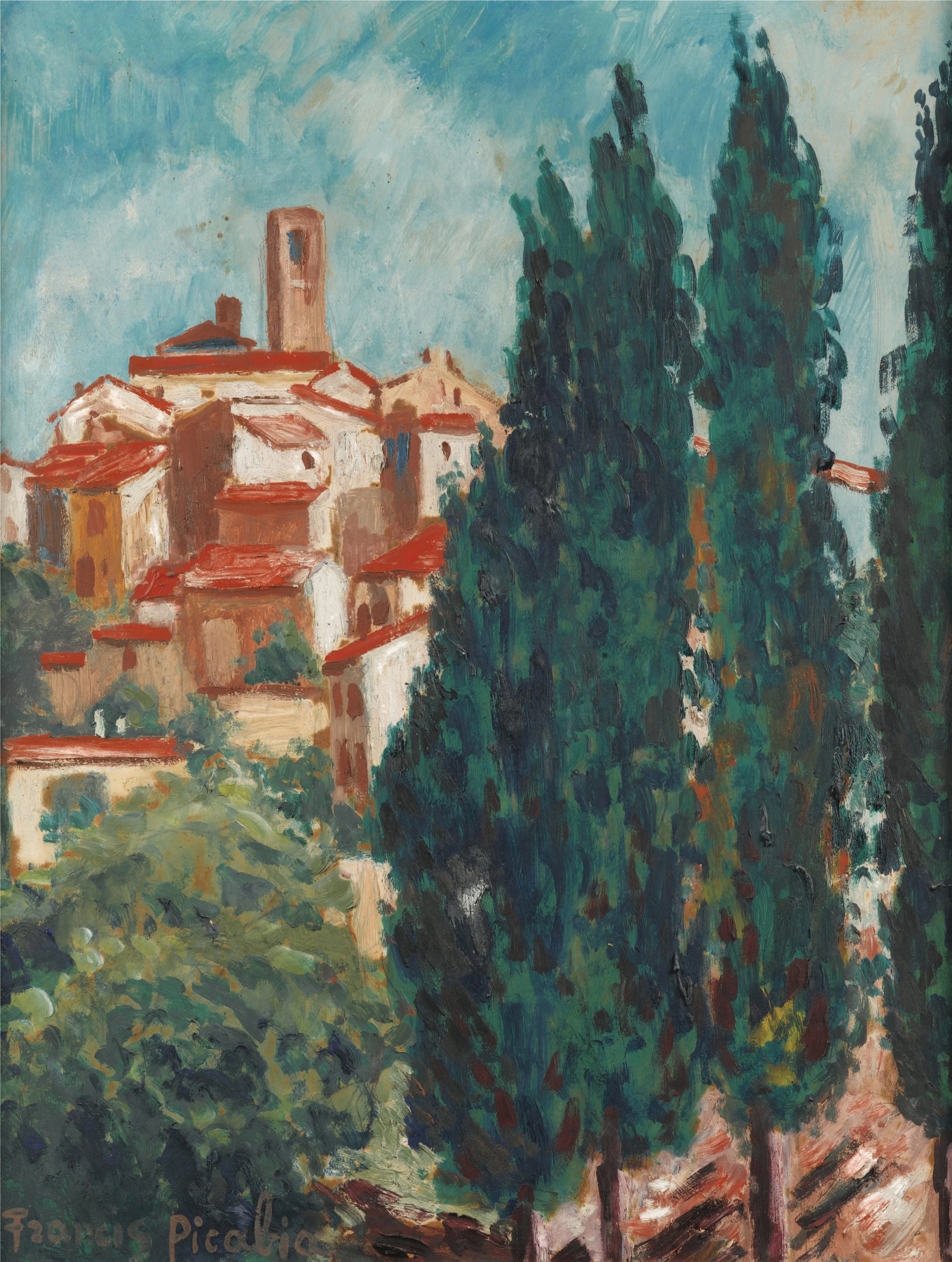
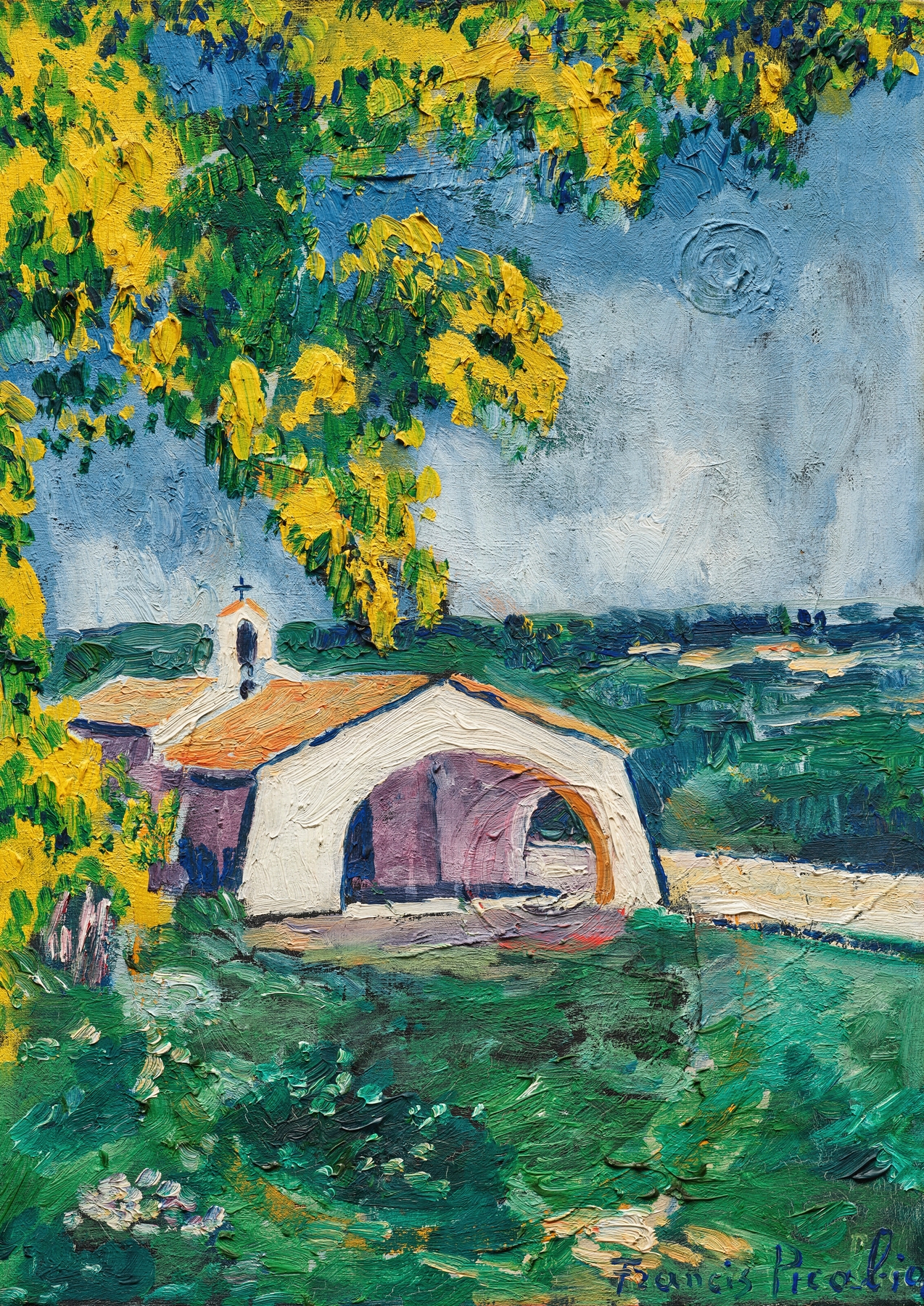
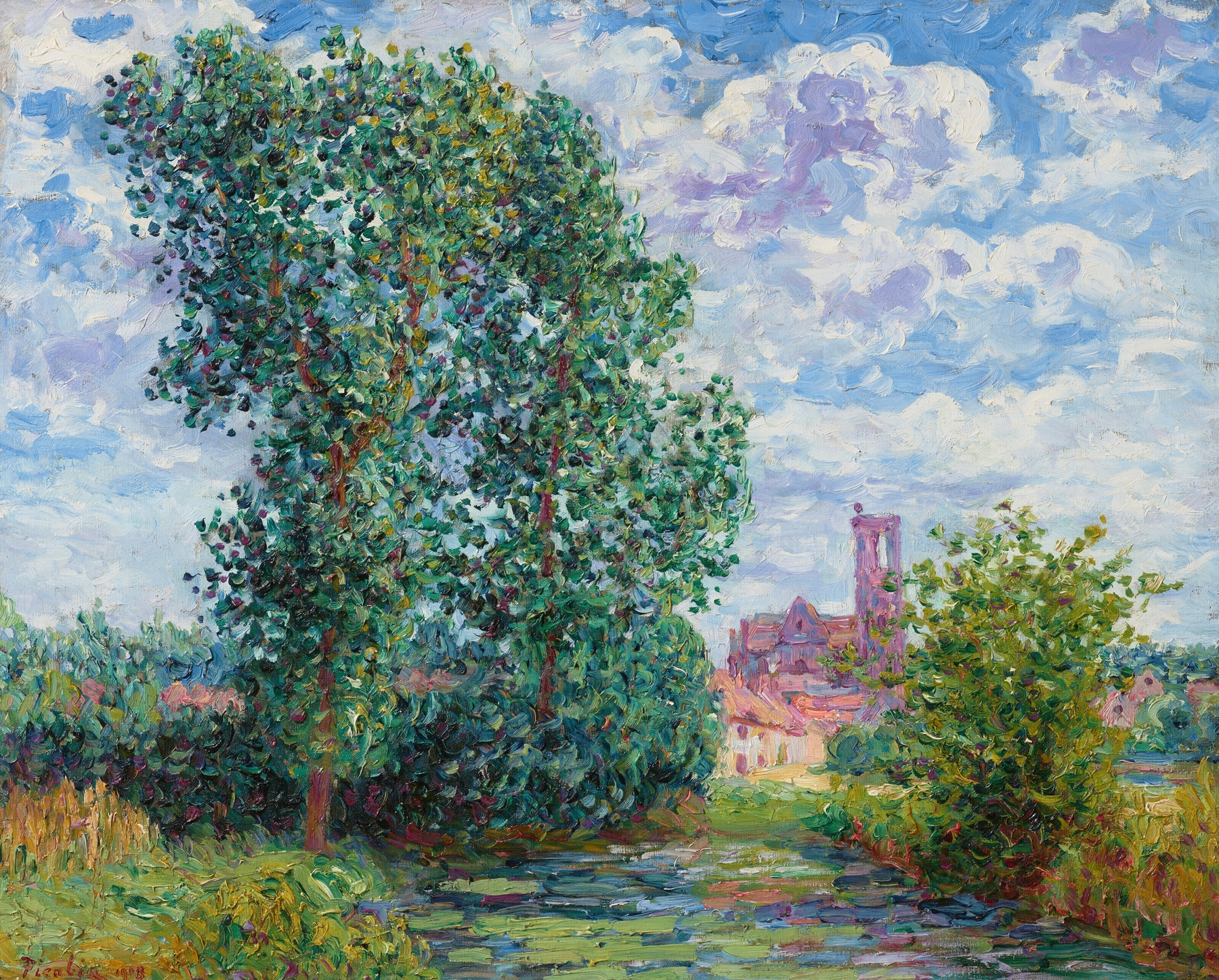
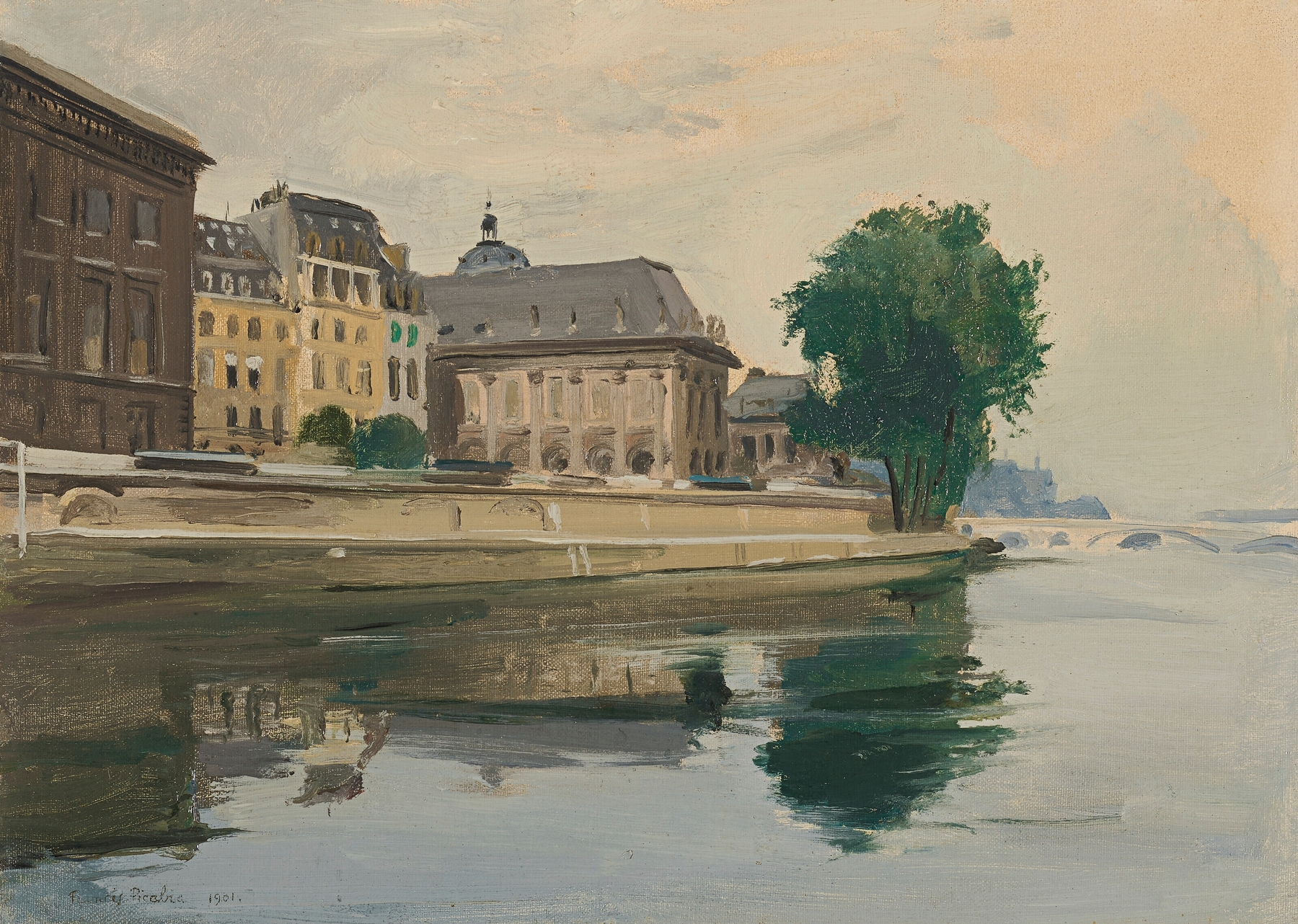
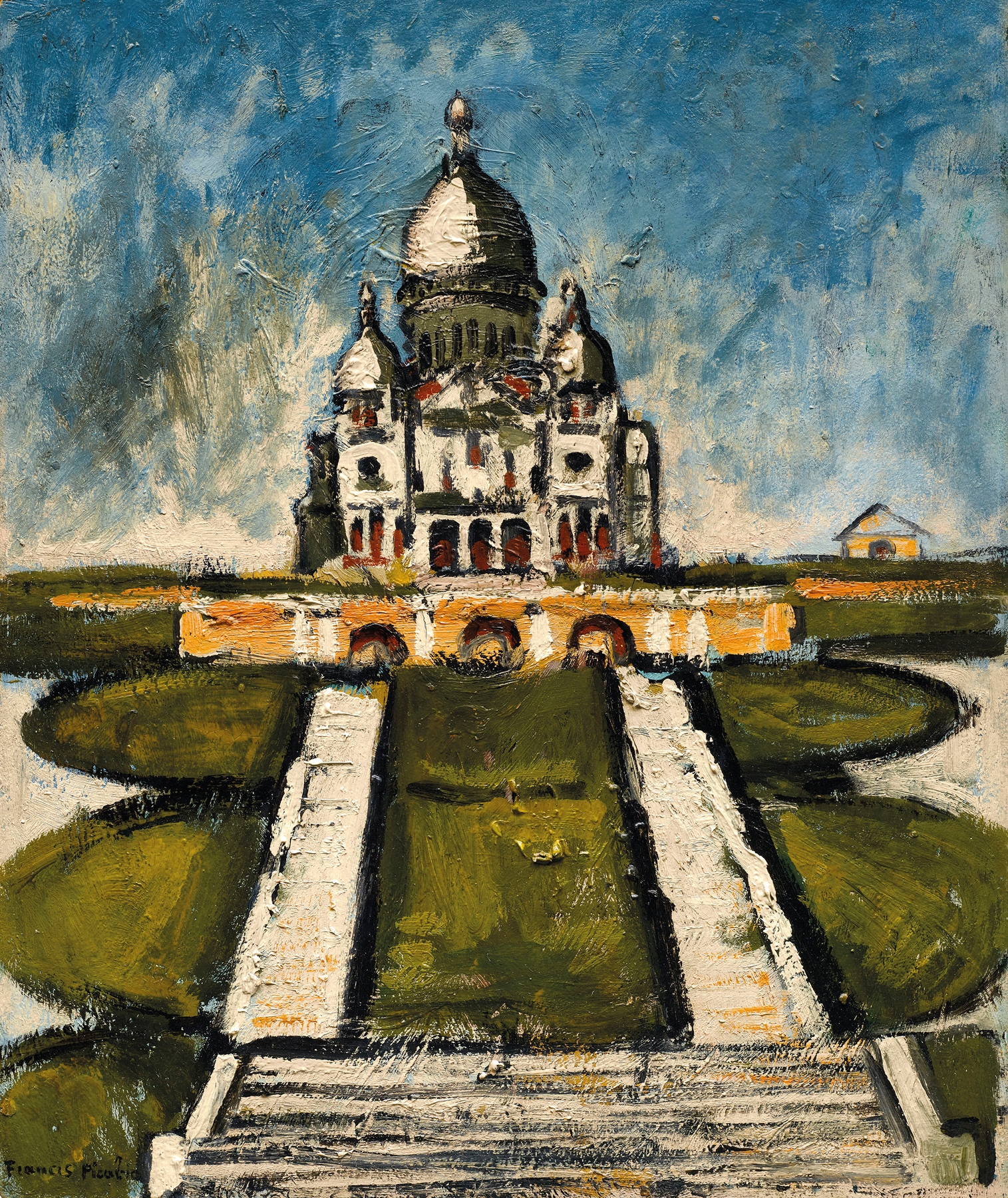
“Every brushstroke is a heartbeat remembered.” In the passage of time, fleeting moments crystallize into something eternal, much like the scene captured in this artwork. A landscape holds within it the essence of change, the very nature of existence, entwined with the seasons that shape our lives. Look to the center, where the church stands resolutely against a backdrop of autumnal hues. The rich oranges and deep golds dance together, creating a symphony of color that vibrates with life. Notice how light filters through the foliage, casting a warm glow that envelops the structure.
Each stroke feels deliberate, capturing the stillness of the moment yet hinting at the rustle of leaves and the chill in the air. Delve deeper, and you'll uncover contrasts woven into the canvas. The solidity of the church juxtaposes with the ephemeral nature of the falling leaves, representing the tension between permanence and transience. There’s a sense of nostalgia, evoking memories of seasons passed, encapsulated in the fleeting beauty of autumn.
This interplay reflects not only the changing landscape but also the passage of time itself — moments slipping away even as they linger in memory. Created in 1908, during a transformative period in the artist's career, this piece emerges from Picabia’s exploration of Impressionism, influenced by the burgeoning avant-garde movements. Painting in France, he sought to capture the transient beauty of the natural world while also experimenting with form and technique. The early 20th century was a time of great innovation in art, and this work showcases the intricate balance between tradition and the emerging modern sensibilities that surrounded him.