Macbeth — History & Analysis
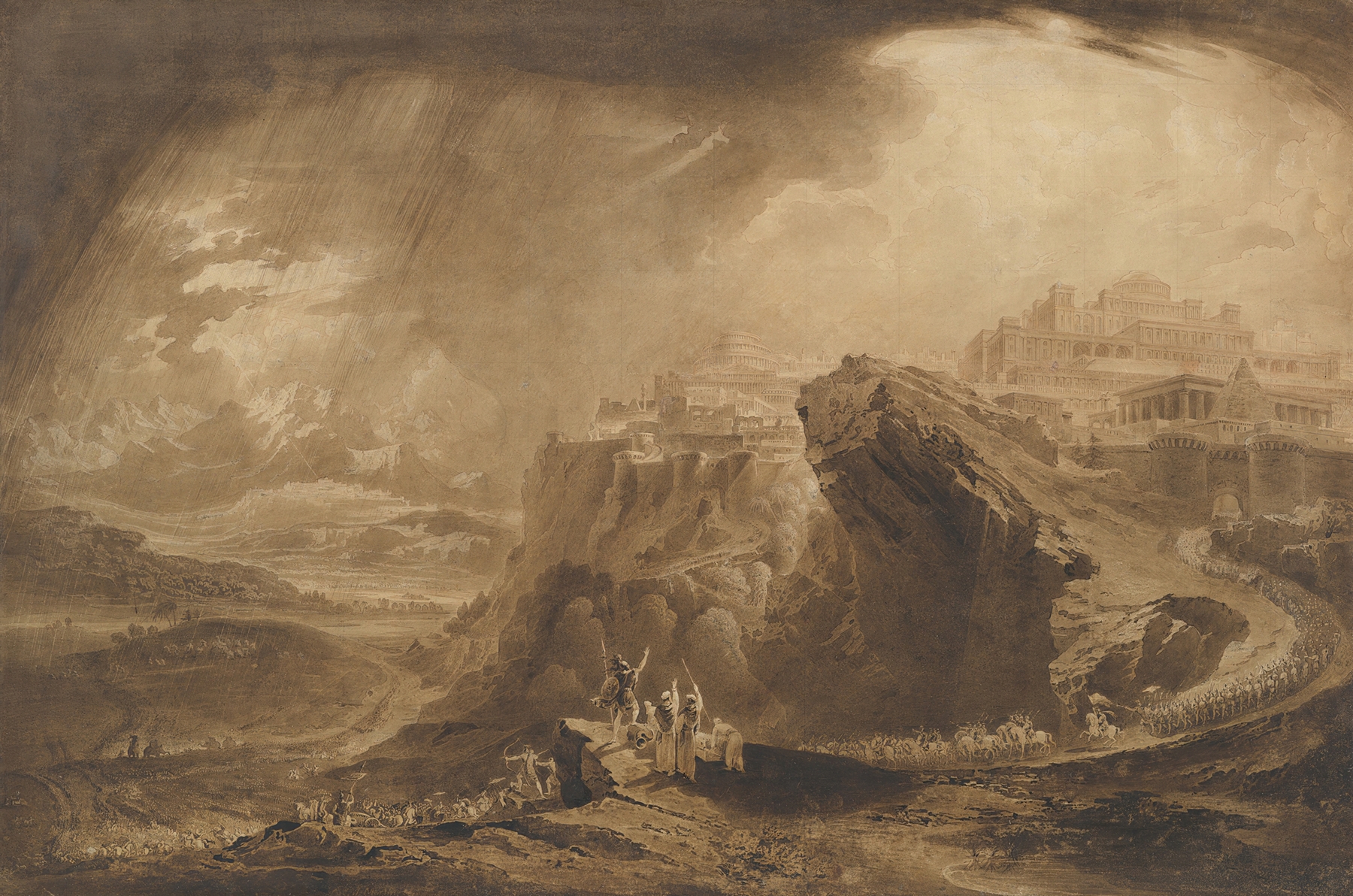
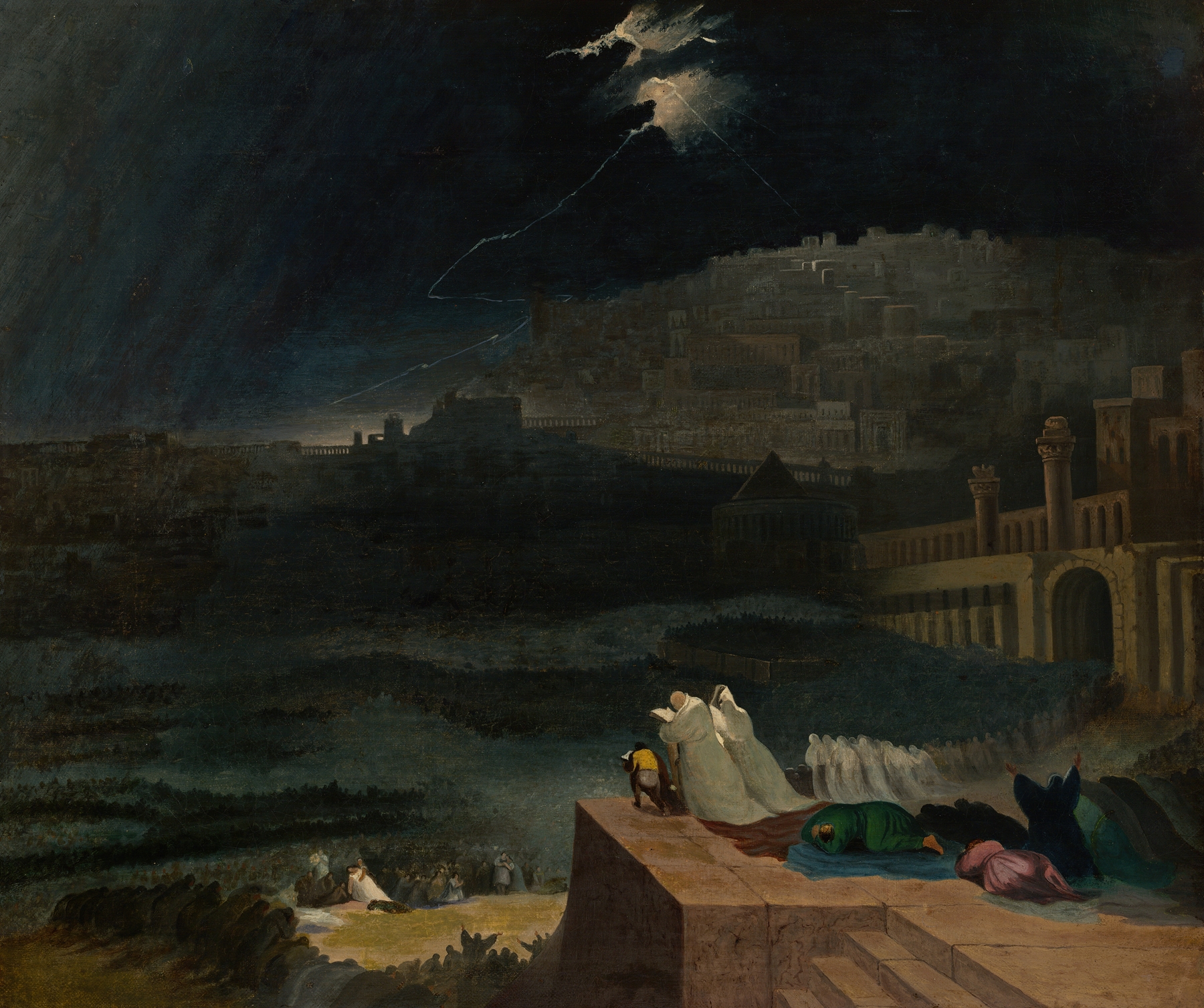
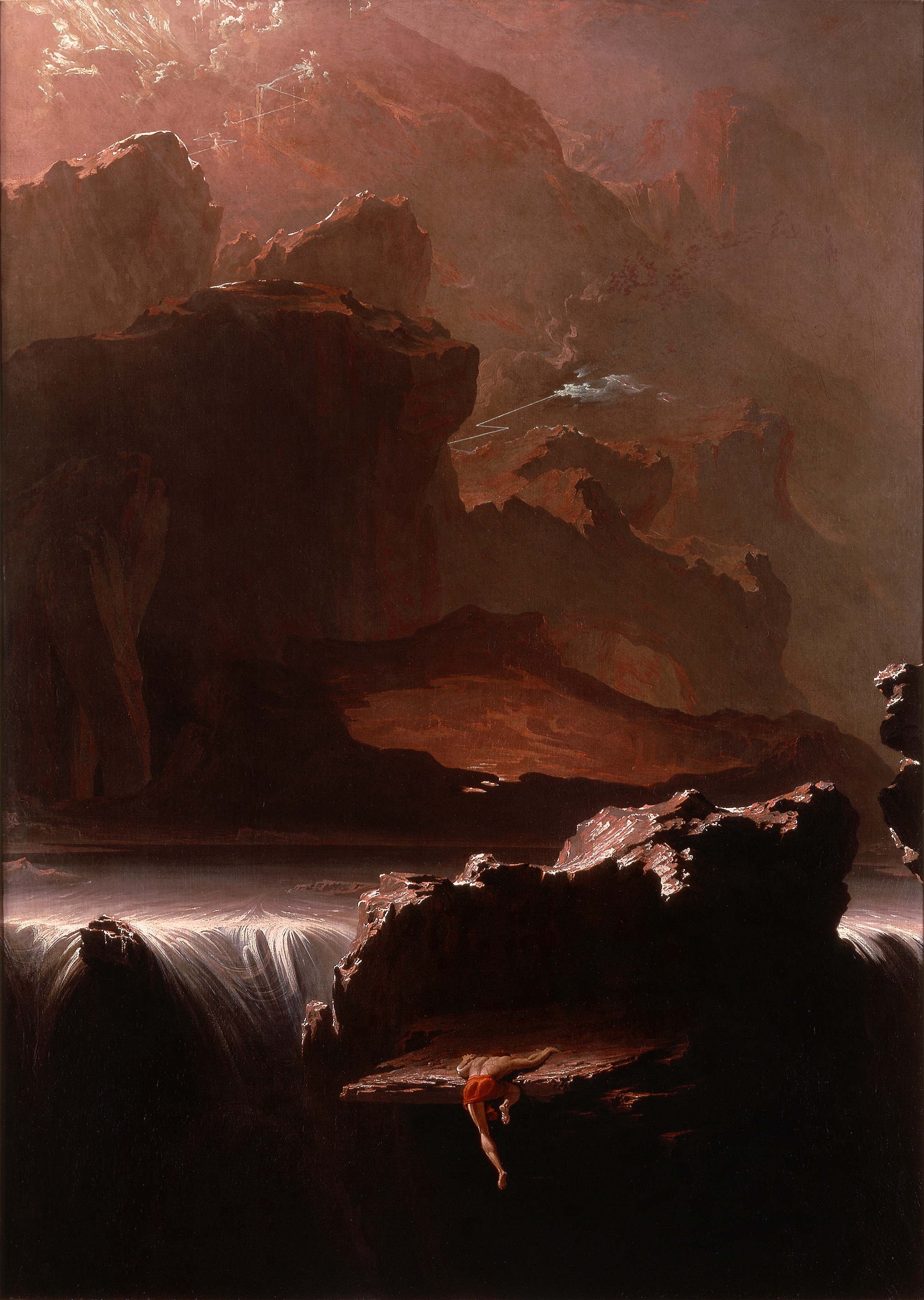
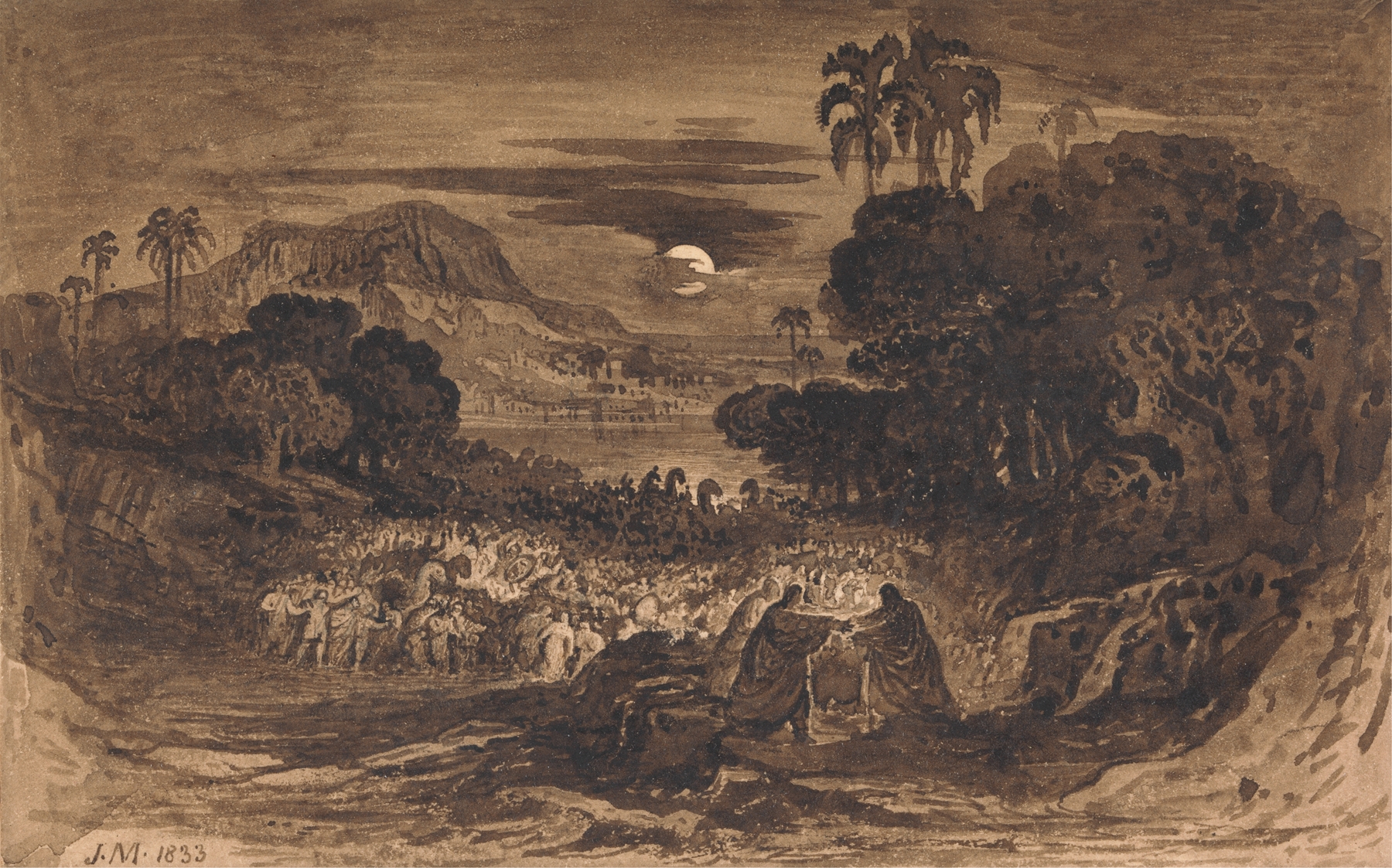
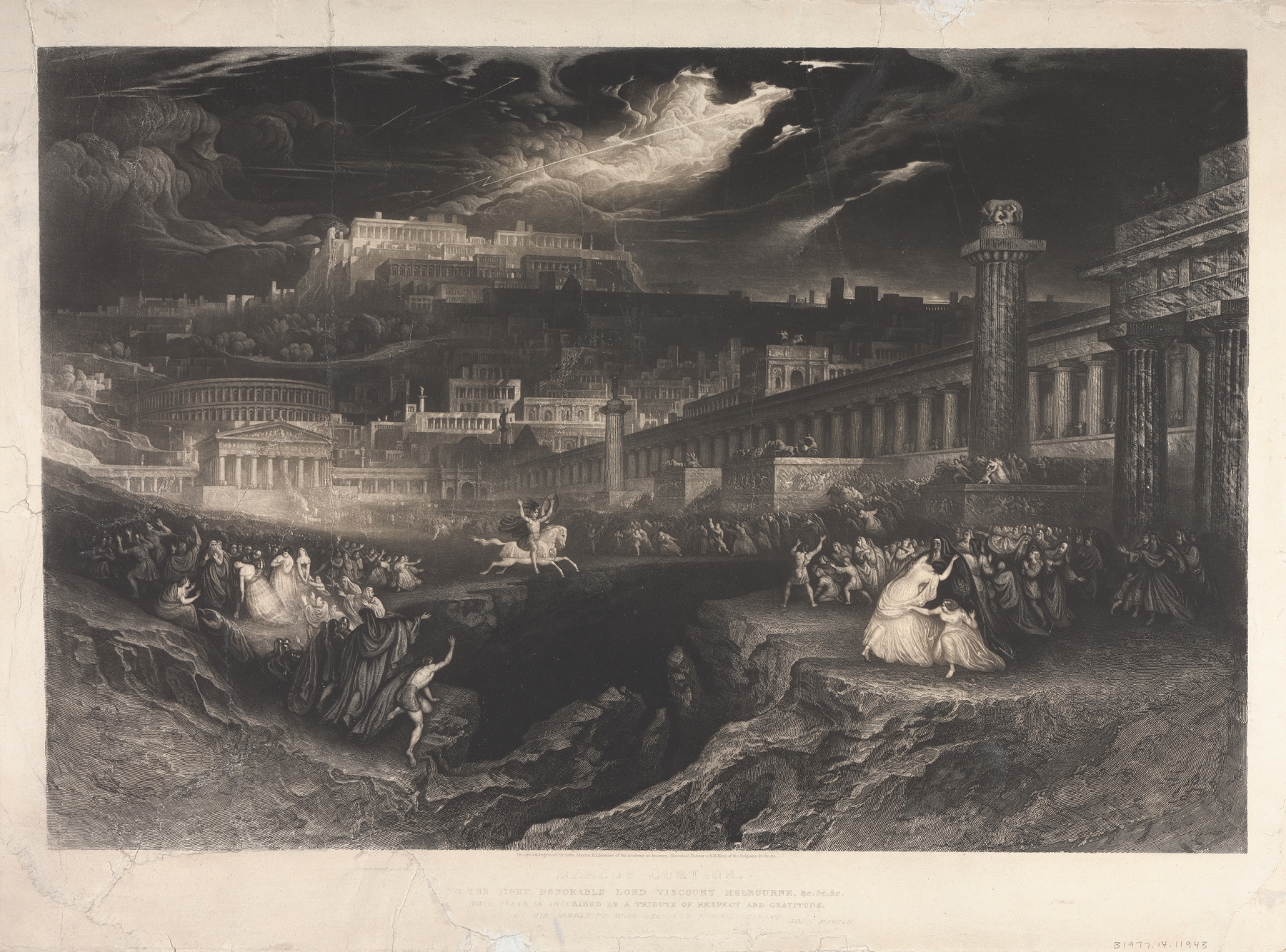
“Under the brush, chaos becomes grace.” In the tumultuous depths of despair, one can always glimpse the flicker of hope if they dare to seek it. Look to the left, where dark clouds churn ominously, coiling above a chaotic battlefield that seems to echo the inner turmoil of Shakespeare's tragic hero. The artist’s use of dramatic chiaroscuro highlights the bright flashes of light illuminating the figures below, emphasizing their desperation and struggle. The swirling hues of deep reds and blacks contrast sharply with the glimmers of ethereal blue and gold, creating a sense of both doom and enlightenment.
Your eye is drawn along the tumultuous landscape, where the towering, shadowy figures appear to surge from the depths of despair, suggesting both chaos and potential rebirth. Beneath the surface, the painting bursts with the weight of ambition and its consequences. The juxtaposition of light against shadow serves as a metaphor for the internal conflict of Macbeth, wrestling with both ambition and guilt. The dynamic movement of the figures captures the essence of fate—a chaos that spirals towards a possible redemption, evoking a sense of pathos.
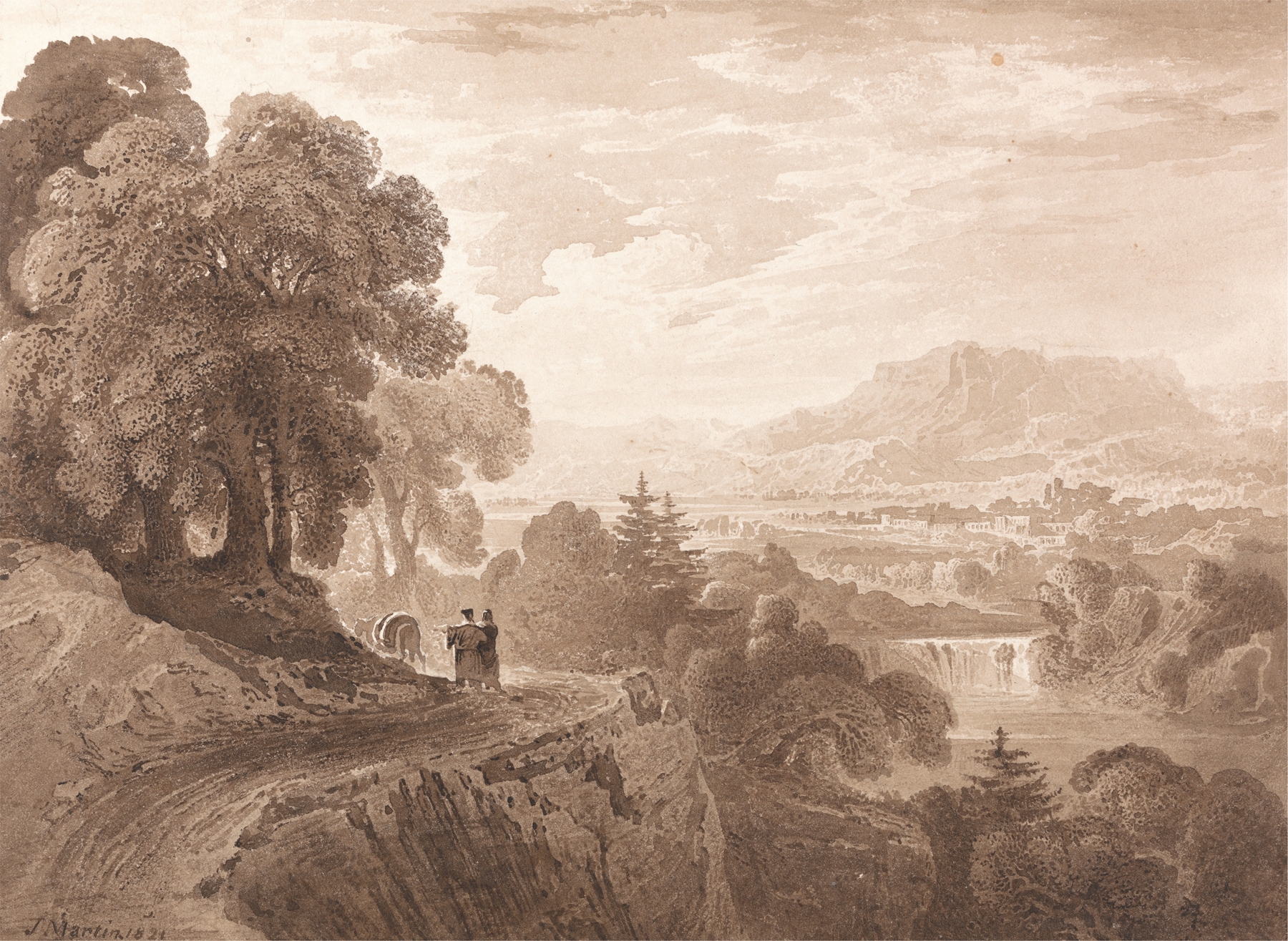
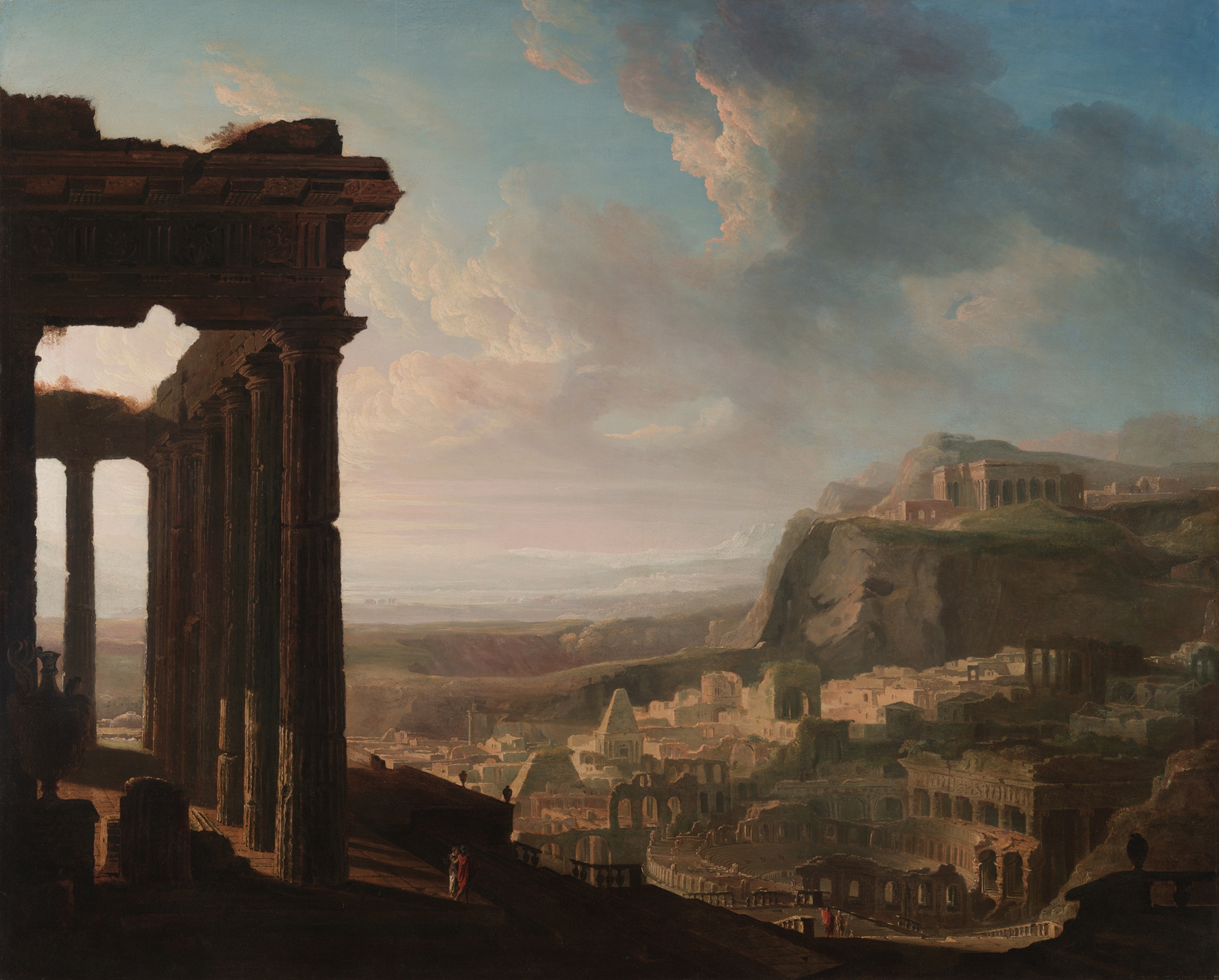
Each brushstroke dances between destruction and hope, implying that even in the darkest hour, the light of possibility persists. This artwork emerged during a time of great upheaval in the artist's life. John Martin painted it in the early 19th century, a period marked by Romanticism's flourish, where he sought to explore intense emotional experiences. While grappling with his personal struggles, he found inspiration in literature, transforming the despair of Macbeth’s world into a grand visual narrative, blending art and literature seamlessly—a reflection of the human condition and its enduring spirit.