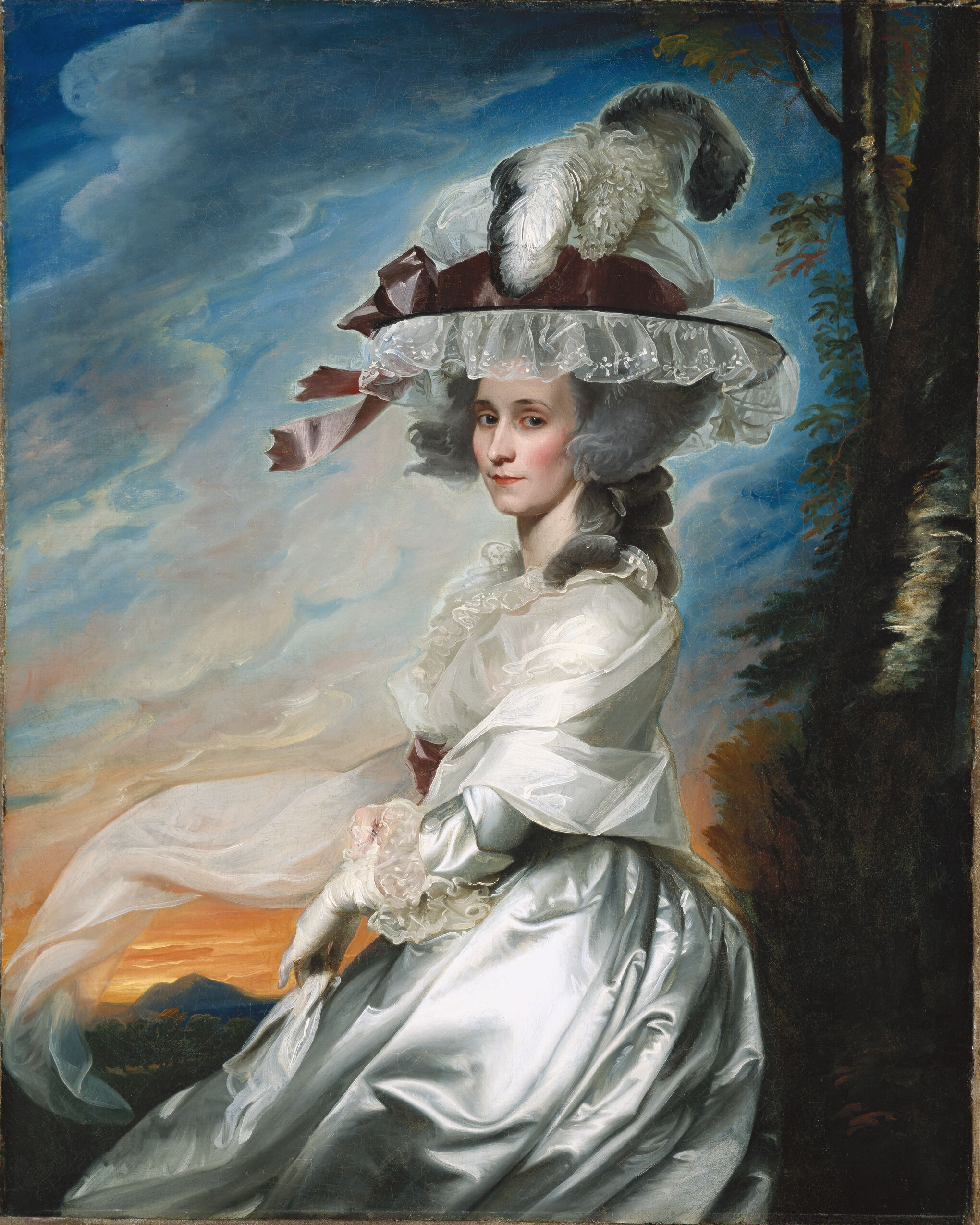
Major General August de la Motte — History & Analysis
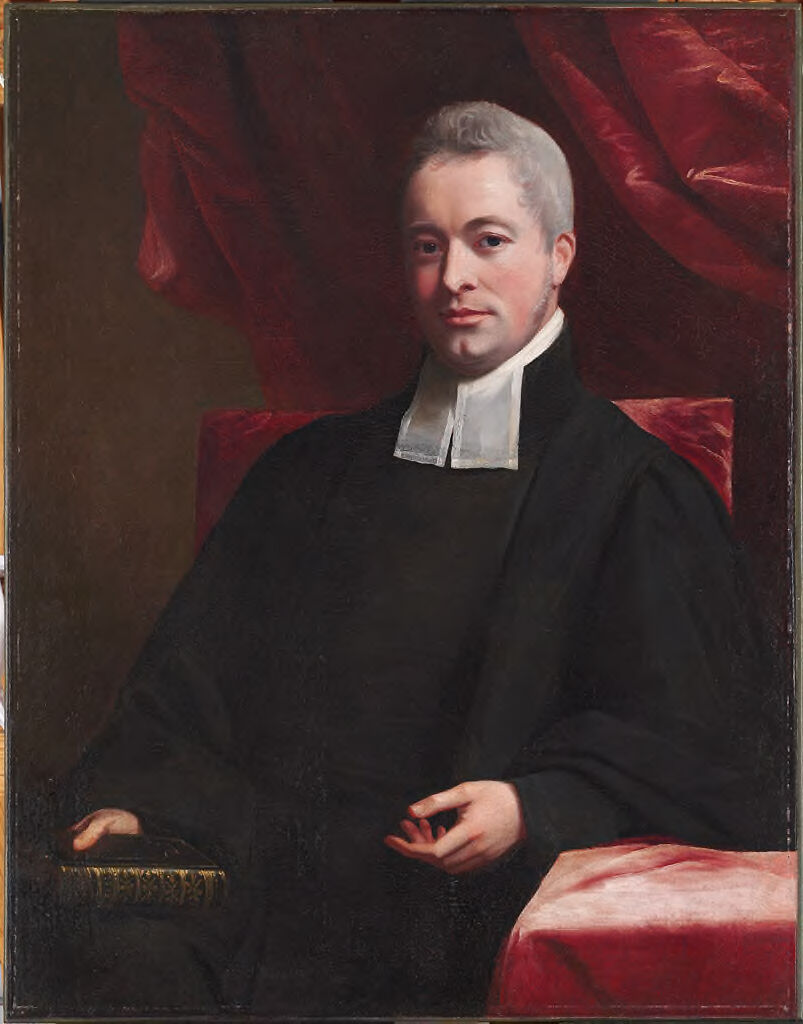
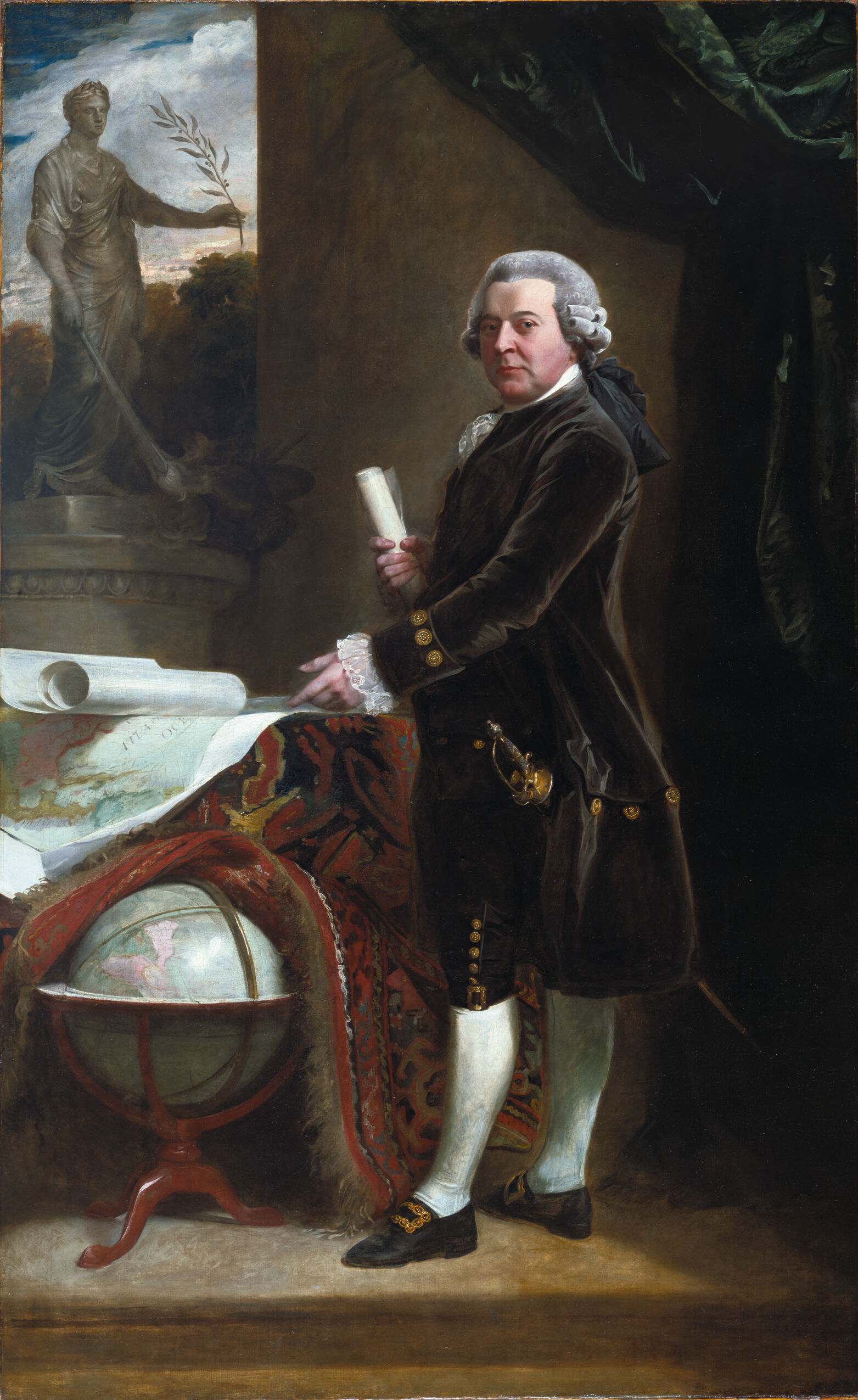
“Under the brush, chaos becomes grace.” In the intricate details of Major General August de la Motte, the essence of hope infuses the very fabric of history and identity. Look closely at the poised figure at the center; the general stands resolute, adorned in a finely detailed military uniform. Notice how the light reflects off the ornate buttons, illuminating the deep blues and reds of the fabric, suggesting both authority and individuality. The soft shadows beneath his chin and around his shoulders create a commanding presence, while the background fades into a rich, dark hue that serves to magnify his stature.
Each brushstroke seems deliberately placed, echoing the precision of his military life. Beneath the surface, the painting speaks to the tension between power and vulnerability. The general’s calm demeanor contrasts sharply with the turbulent political landscape of the late 18th century, hinting at a world on the brink of change. The subtle upward tilt of his gaze conveys a sense of aspiration, as if he is not just reflecting on his past but also envisioning a future filled with promise.
Each detail—the texture of his coat, the glint of medals, and the thoughtful expression—whispers of sacrifice and the hope that accompanies leadership during uncertain times. Copley painted this work in 1787, during a period of personal and societal transformation. Residing in London after his move from America, he was at the forefront of a neoclassical revival while grappling with the legacy of the American Revolution. This portrait not only documented a celebrated military figure but also marked a significant moment in the artist's career, bridging his deep-rooted American identity with the evolving artistic currents of Europe.