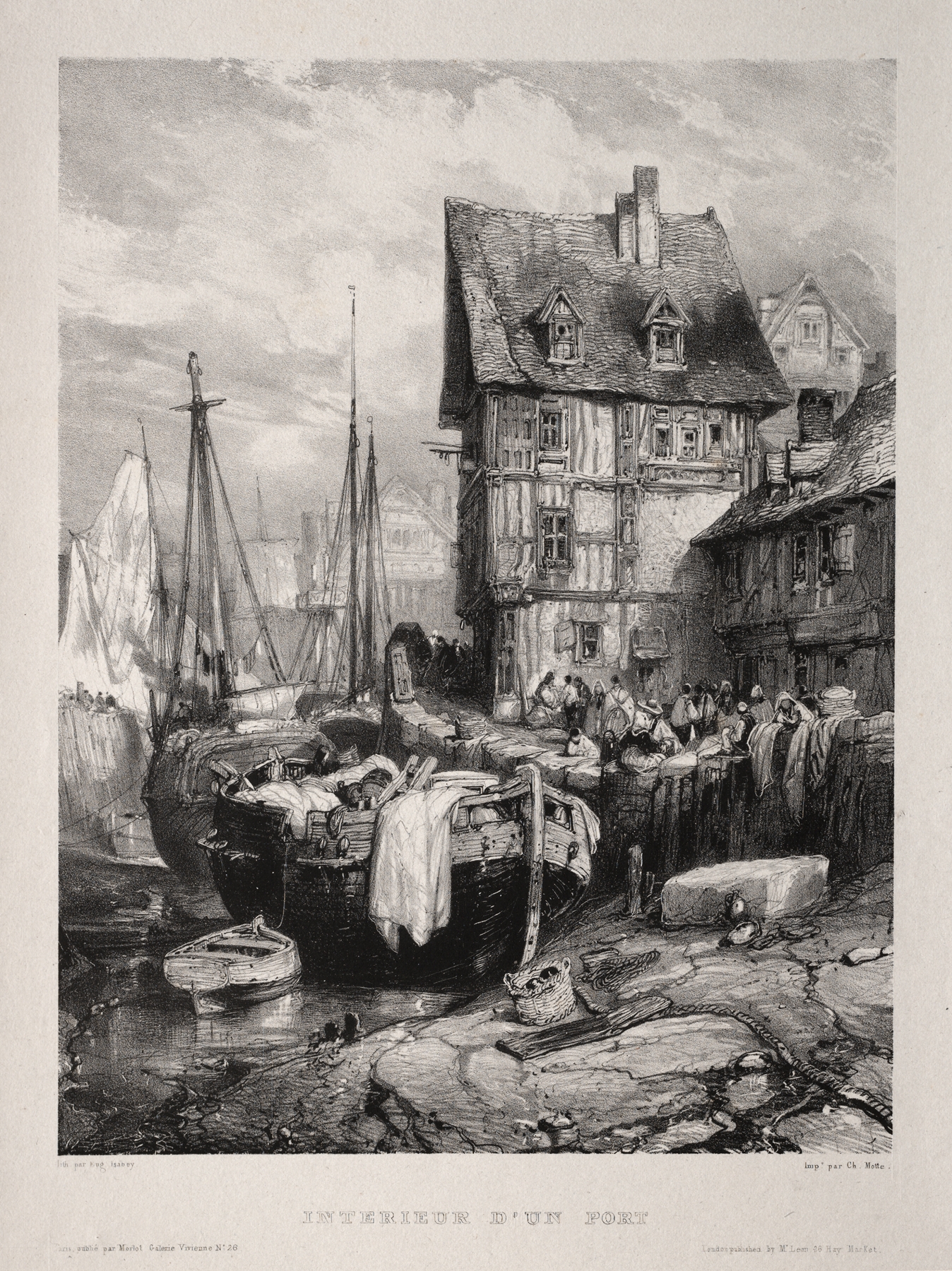
Marée basse — History & Analysis
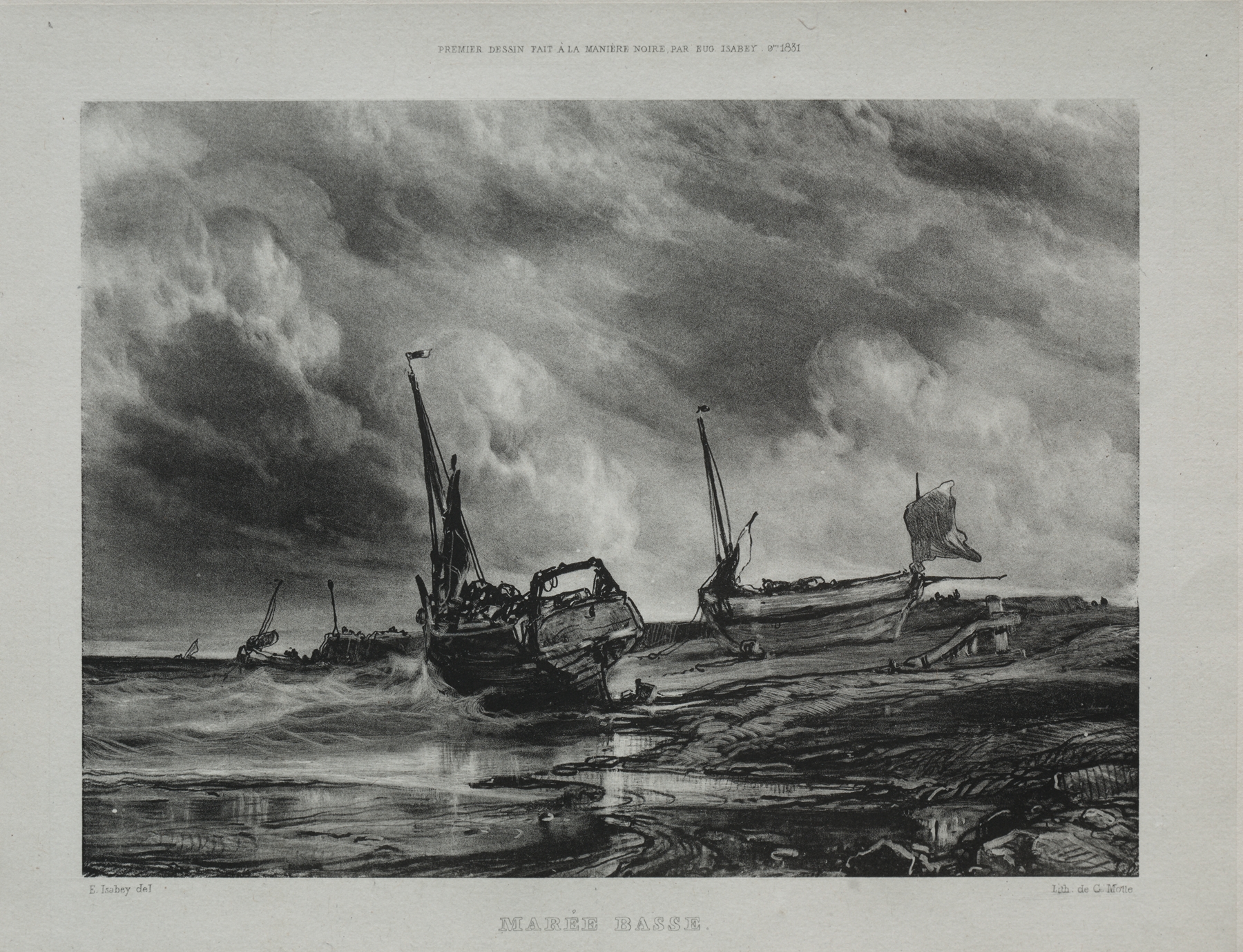
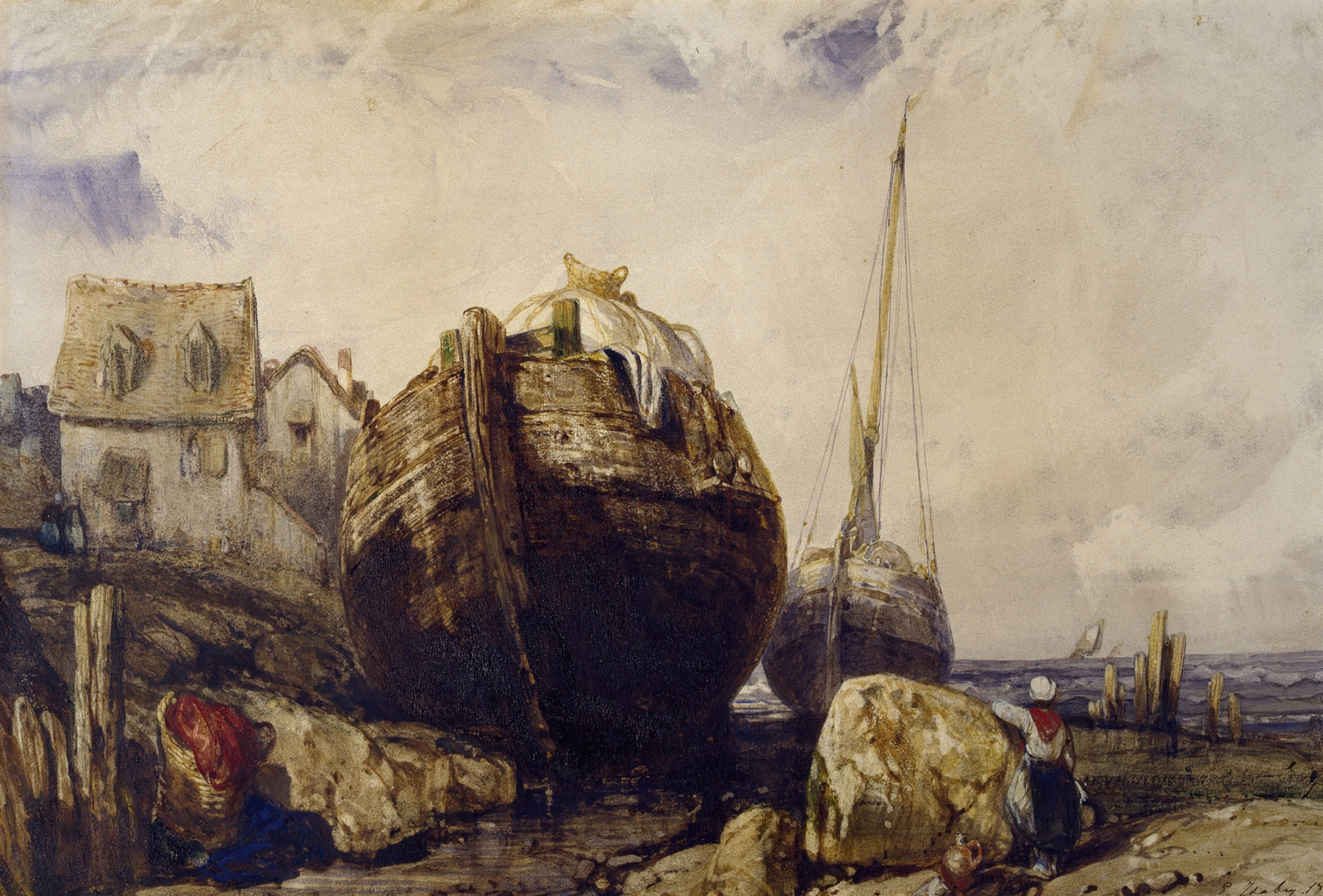
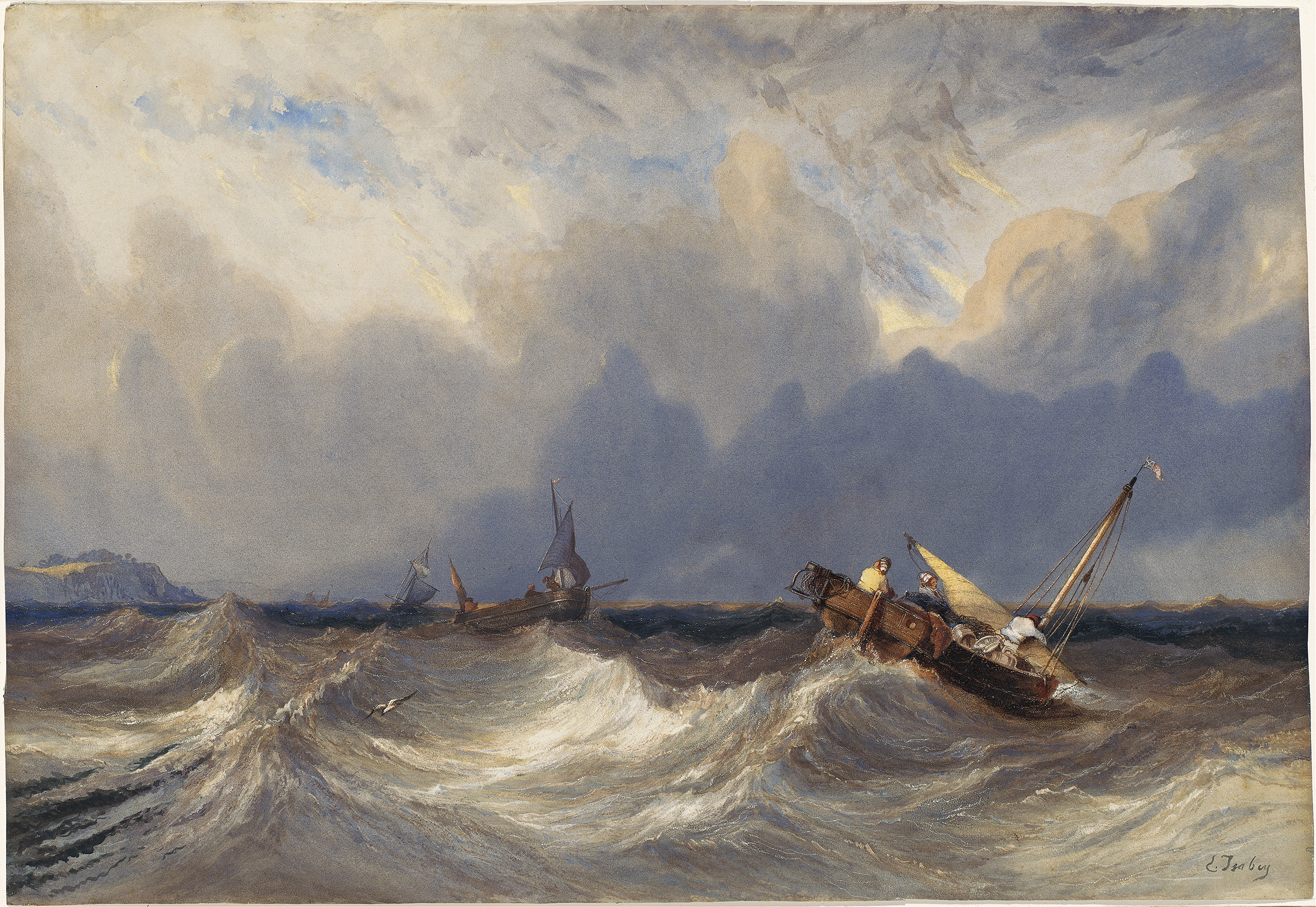
What if silence could speak through light? In Marée basse, the tranquil embrace of a receding tide whispers stories of stillness and reflection, inviting a moment of introspection. Look to the middle of the canvas where a pair of figures stand, silhouetted against the soft glow of a setting sun. The muted palette, composed of gentle blues and warm earth tones, evokes a serene atmosphere.
Notice how the delicate brushstrokes blend seamlessly, enhancing the fluidity of the water and the texture of the sandy shore. The horizon stretches infinitely, where the sky meets the sea, drawing the viewer's gaze into a peaceful distance. In the foreground, subtle contrasts emerge: the stillness of the water juxtaposed with the slight ripples caused by the tide. The figures, both at ease and contemplative, hint at deeper emotions—perhaps a moment shared in solitude or a quiet farewell to the day.
The way light dances upon the surface reflects a transient beauty, reminding us of the fleeting nature of time and our own existence within it. Eugène Isabey painted Marée basse in 1833 while working in France amidst a vibrant artistic community that embraced Romanticism. This period saw a growing interest in capturing nature and human emotion, as artists sought to evoke feelings through their landscapes. Isabey, known for his maritime scenes, immersed himself in the coastal life, translating the essence of both the sea and the human experience into his works.