Modern Tombs, Aswan, Egypt — History & Analysis
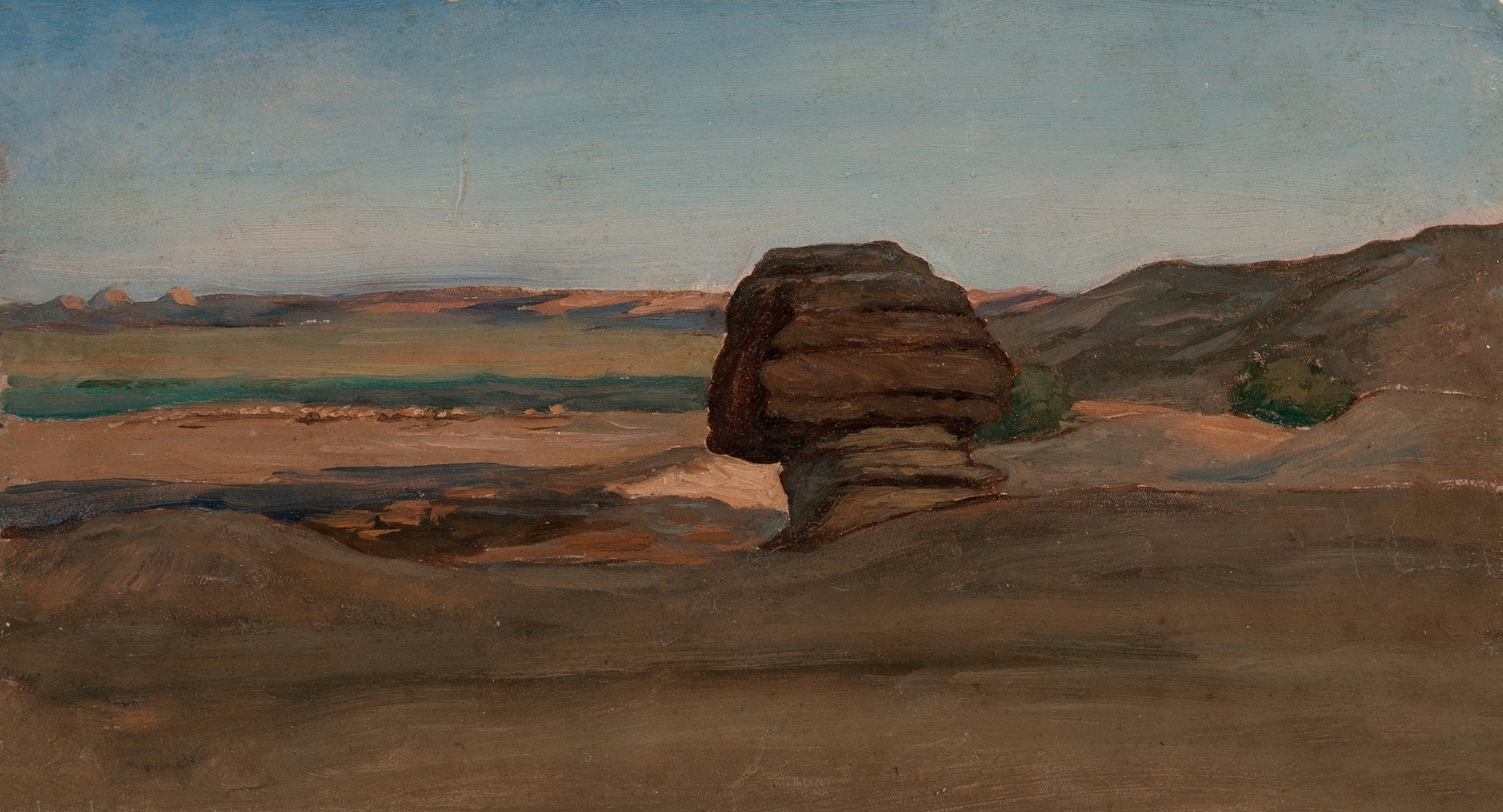
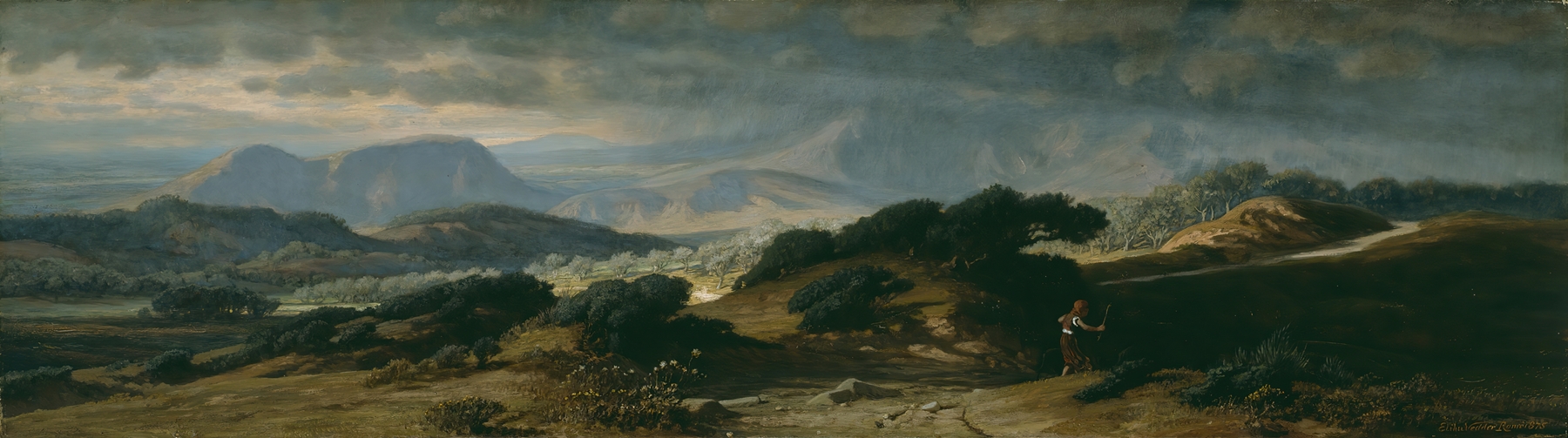
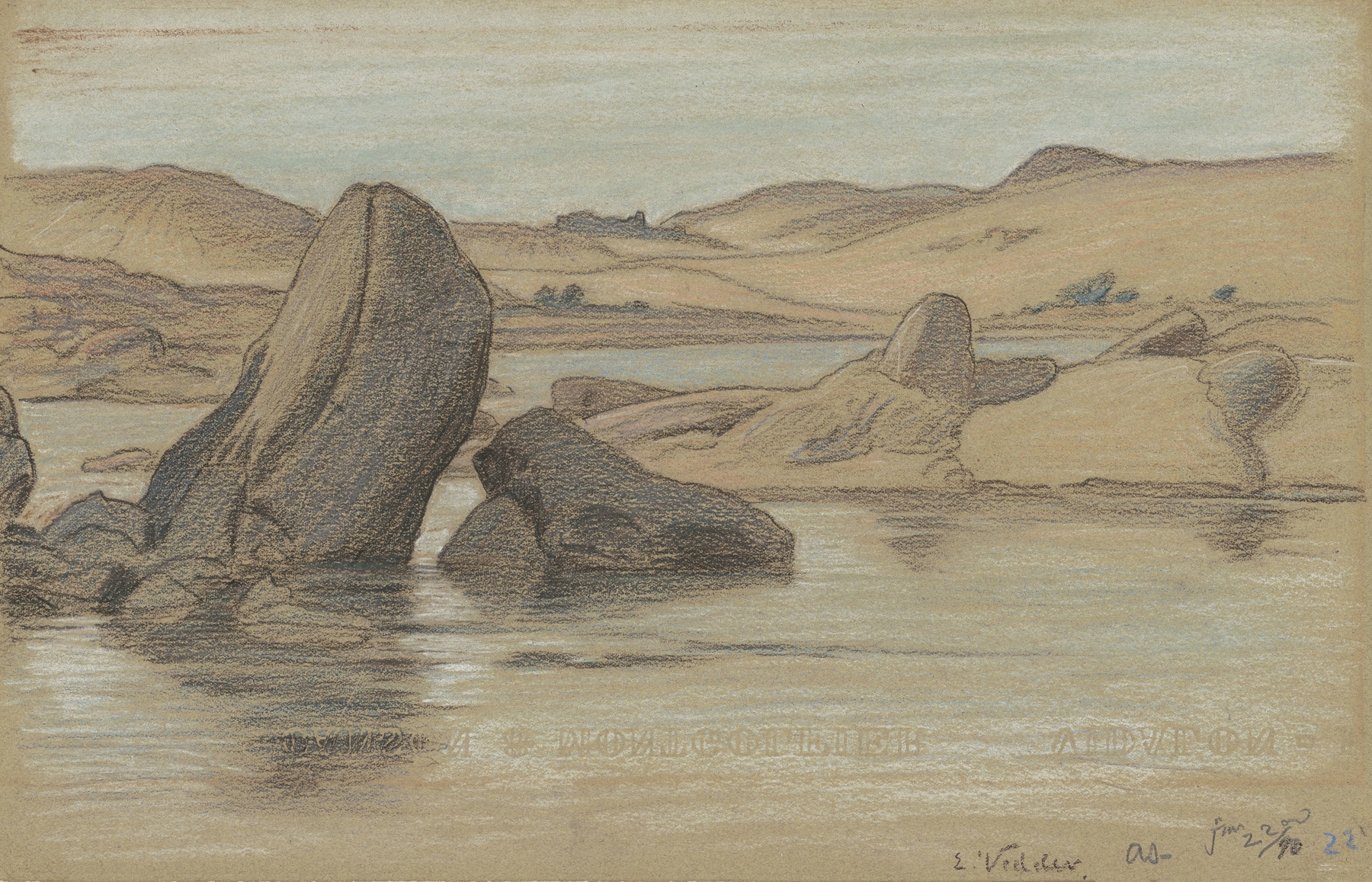
What secret hides in the quiet of the canvas? In Modern Tombs, Aswan, Egypt, the fragility of life and the permanence of death intertwine in a haunting embrace, inviting contemplation of our own mortality. Look to the left of the painting, where the stark, weathered tombs rise against the backdrop of an expansive desert sky. Notice how soft hues of ochre and muted blues blend seamlessly, creating a tranquil atmosphere that contrasts with the gravity of the subject.
The rugged textures of the stone are expertly rendered, allowing the viewer to almost feel the heat radiating from the sun-drenched landscape. As you delve deeper, consider the juxtaposition of life and death—a delicate interplay evident in the sparse vegetation clinging to the arid ground. The distant horizon symbolizes both hope and the inevitable passage of time, while shadows play over the tombs, hinting at the memories and stories buried within.
This visual conversation suggests a reverence for the past, a reminder of legacies that linger long after the last breath is taken. Elihu Vedder painted this work in 1890 during his time in Egypt, a period marked by personal exploration and the burgeoning interest in ancient cultures among Western artists. With a growing fascination for the mystical qualities of the East, he sought to capture the essence of a land steeped in history while reflecting on the universal themes of existence and the afterlife.