Mont Sainte-Victoire and Château Noir — History & Analysis
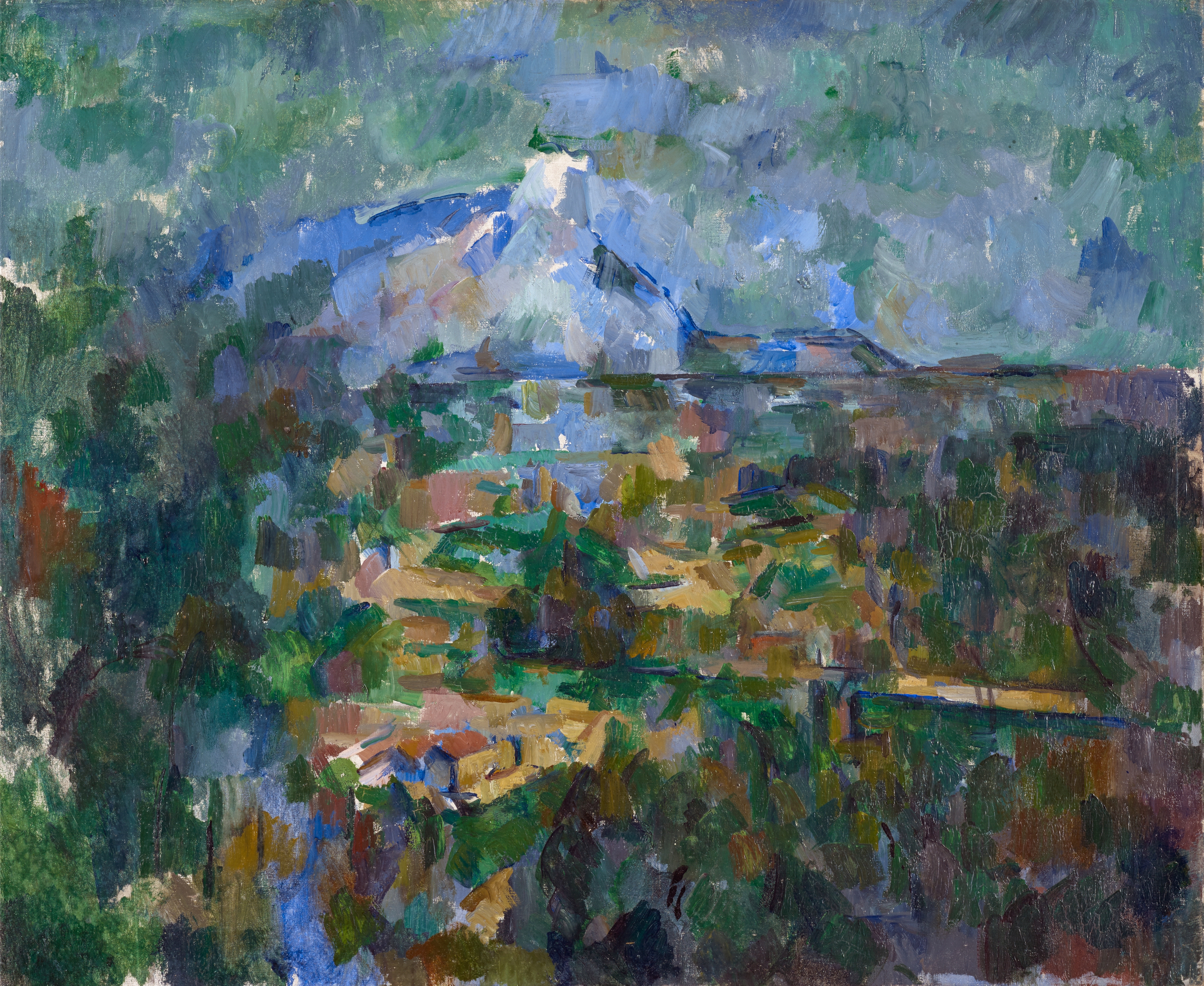
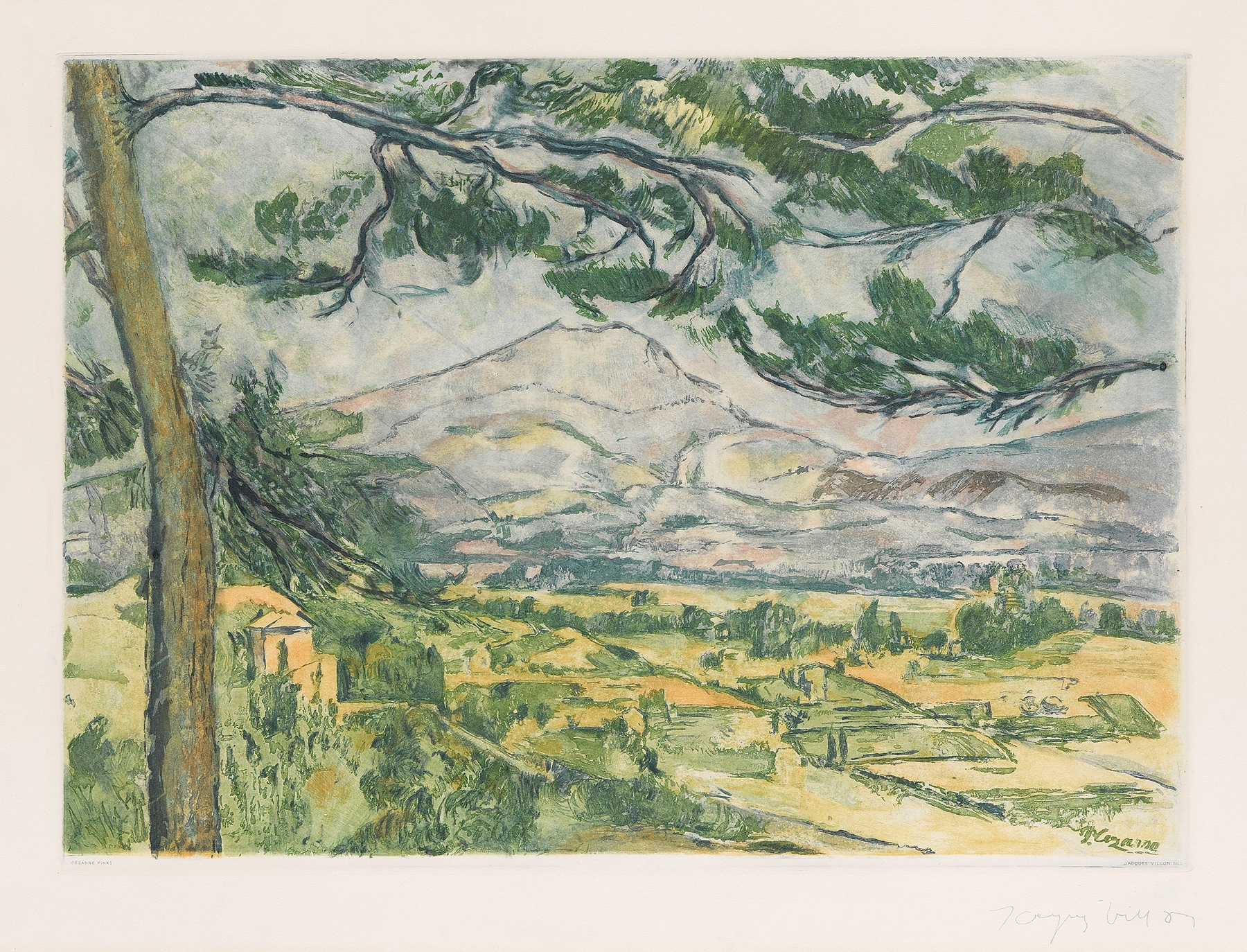
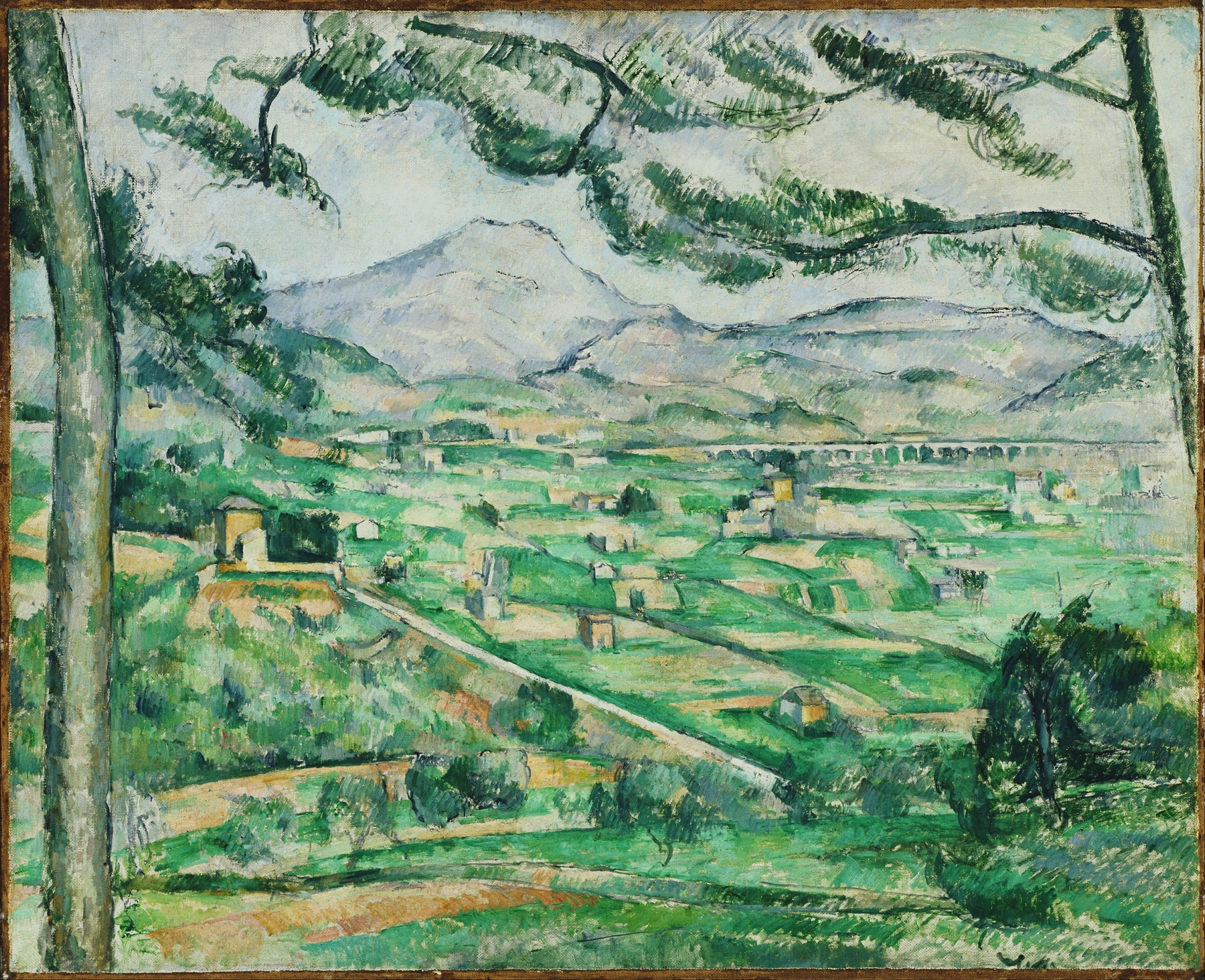
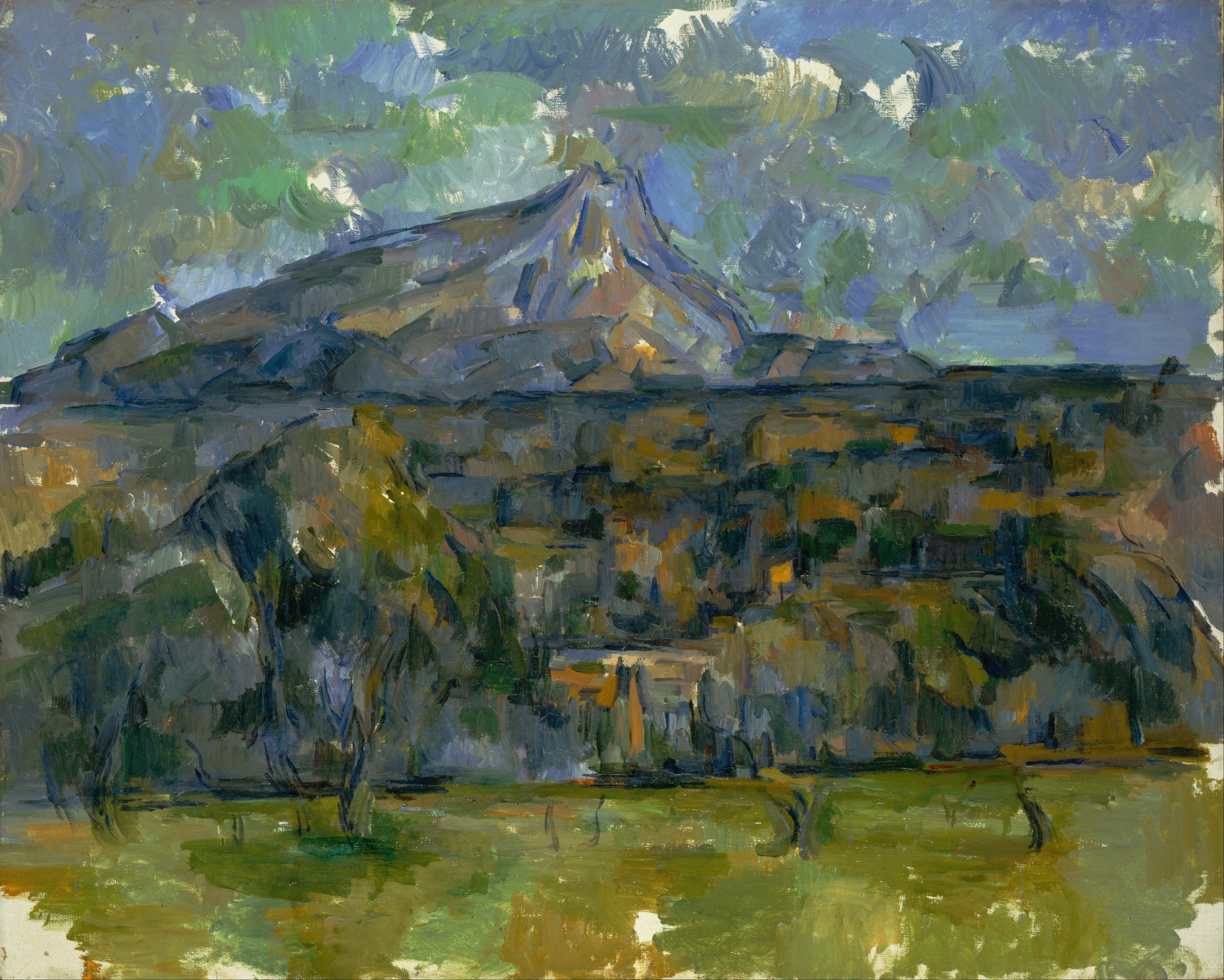
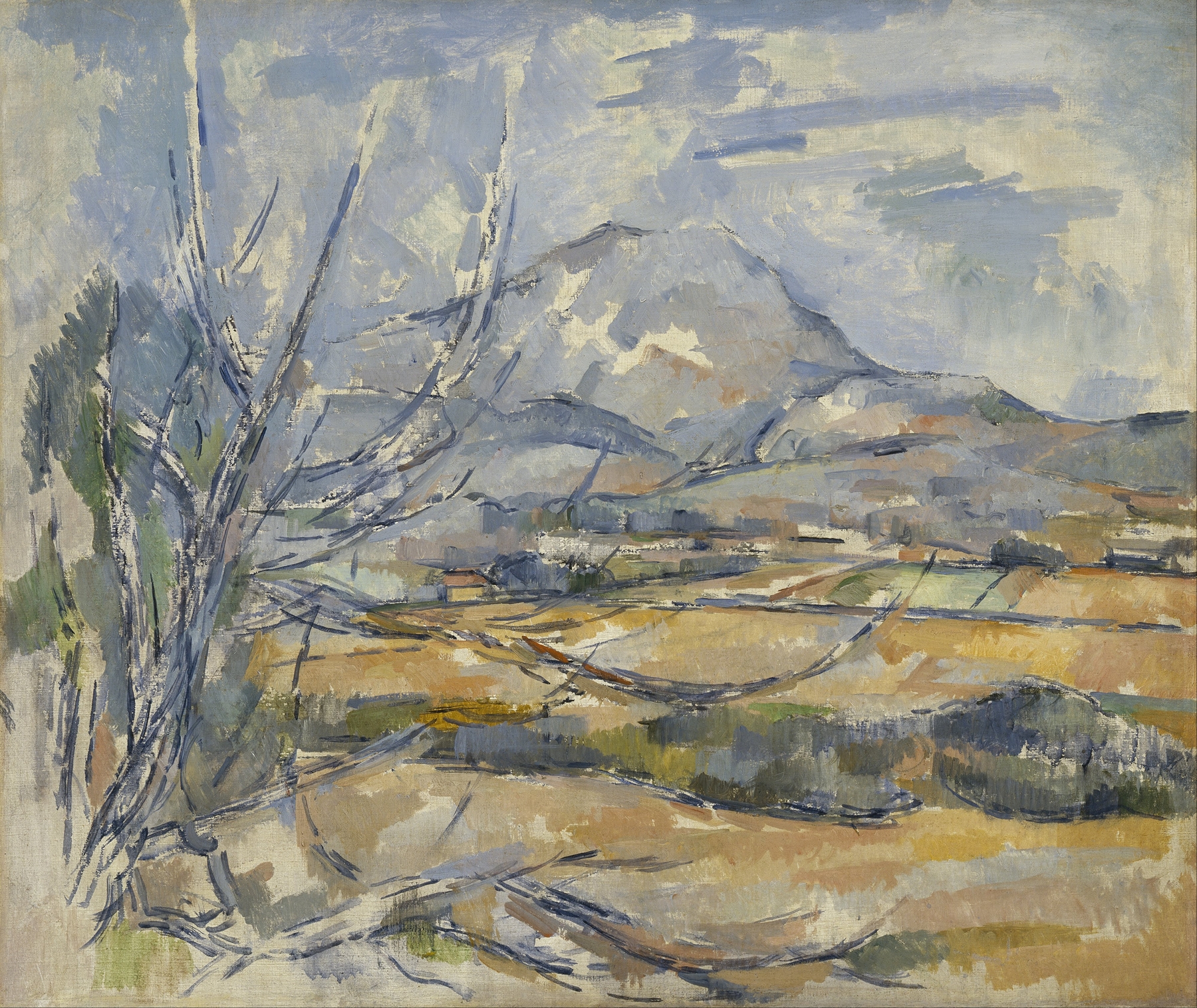
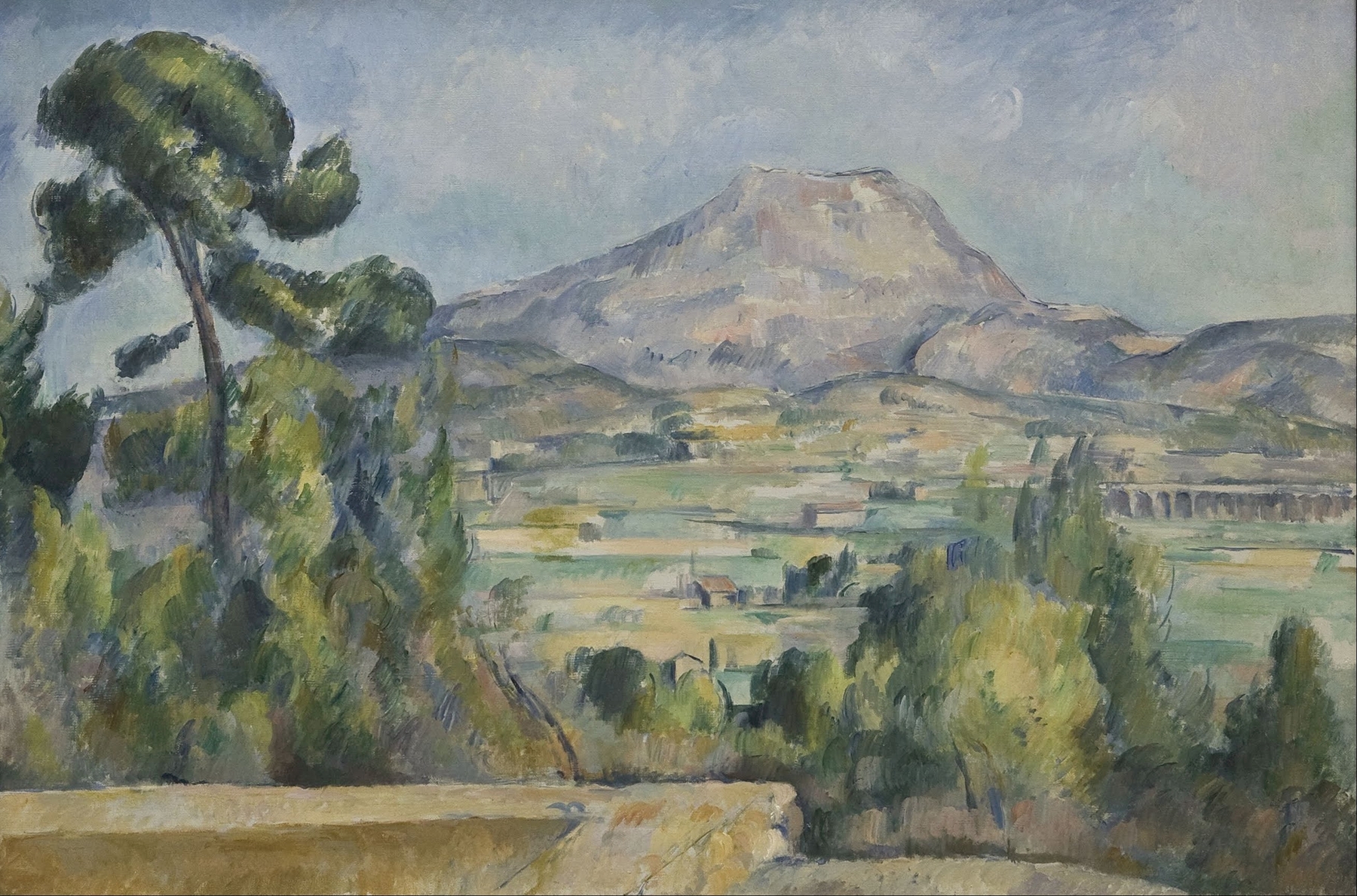
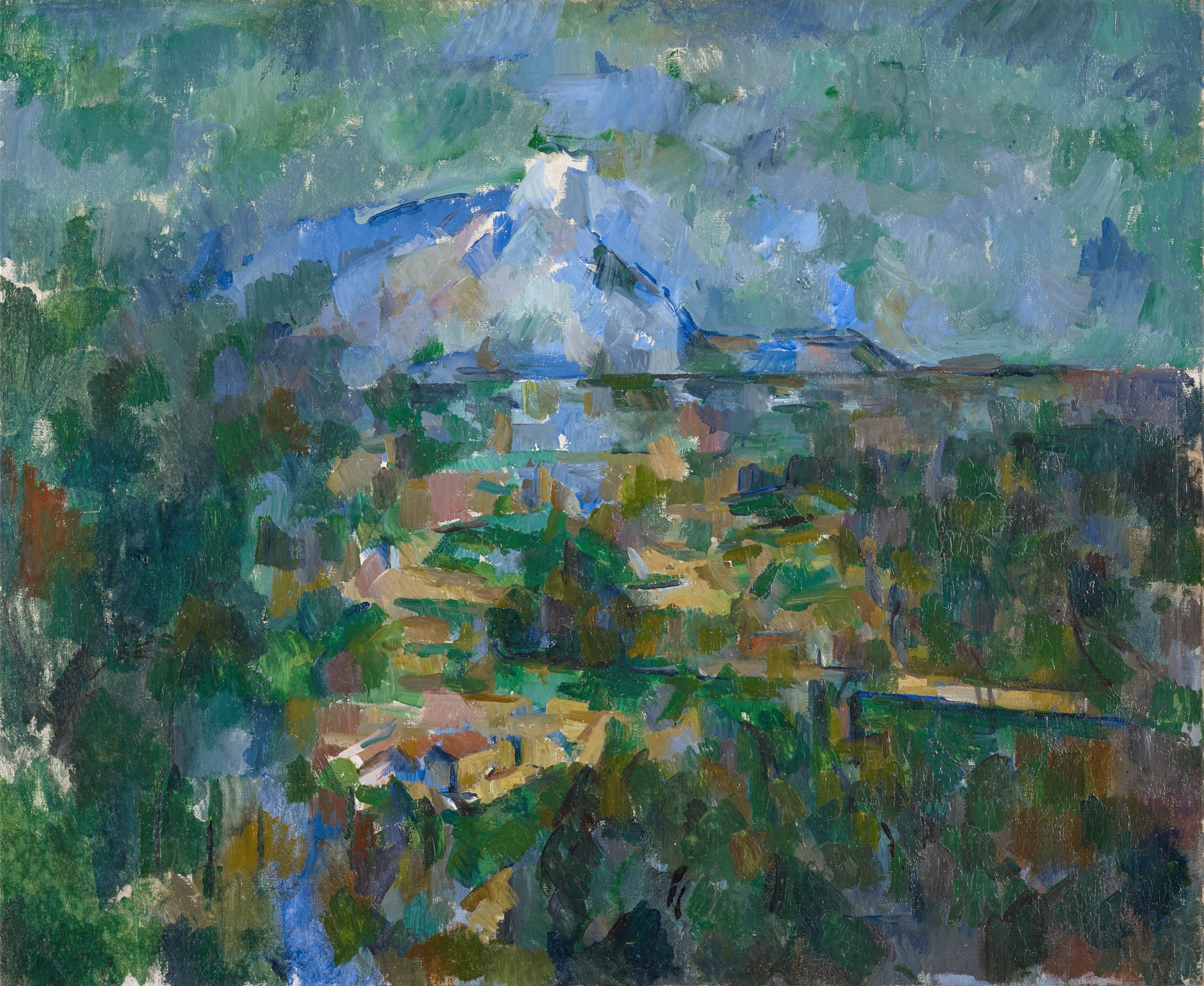
When did color learn to lie? In the world of Mont Sainte-Victoire and Château Noir, hues dance between truth and illusion, inviting us to ponder the divine nature of perception itself. Look to the left where the majestic Mont Sainte-Victoire rises, its form both solid and ethereal, crafted through layers of vibrant greens and soft blues. Notice how the gentle strokes of white highlight the mountain's contours, creating a harmonious balance with the earthy browns of the foreground. The Château Noir, rendered in dusky tones, looms with a solemn presence, its angular structure contrasting against the organic curves of nature.
The composition draws the eye outward, leading us from the solidity of the château to the expansive sky, all bathed in a play of changing light that defines the landscape. Beneath the apparent simplicity lies a rich tapestry of emotional tension. The juxtaposition of the rugged mountain and the man-made château suggests a dialogue between nature and civilization, while the vibrant color palette evokes an array of feelings—from tranquility to unease. Cézanne’s brushwork, seemingly haphazard yet meticulously placed, reflects the artist's own struggle to reconcile the physical world with its deeper spiritual resonances. Each stroke breathes life into the canvas, turning it into a meditation on existence and divinity.
Cézanne painted this piece during the late 19th century, a time marked by personal turmoil and a quest for artistic innovation. Residing in Aix-en-Provence, he sought to capture the essence of his surroundings while defying traditional perspectives. The tension of this era in the art world pushed him towards a more abstract approach, ultimately influencing modern art. The work stands as a testament to his evolving vision, where every color and shape reflects both the earthly and the divine.