Mont Sainte-Victoire and the Viaduct of the Arc River Valley — History & Analysis
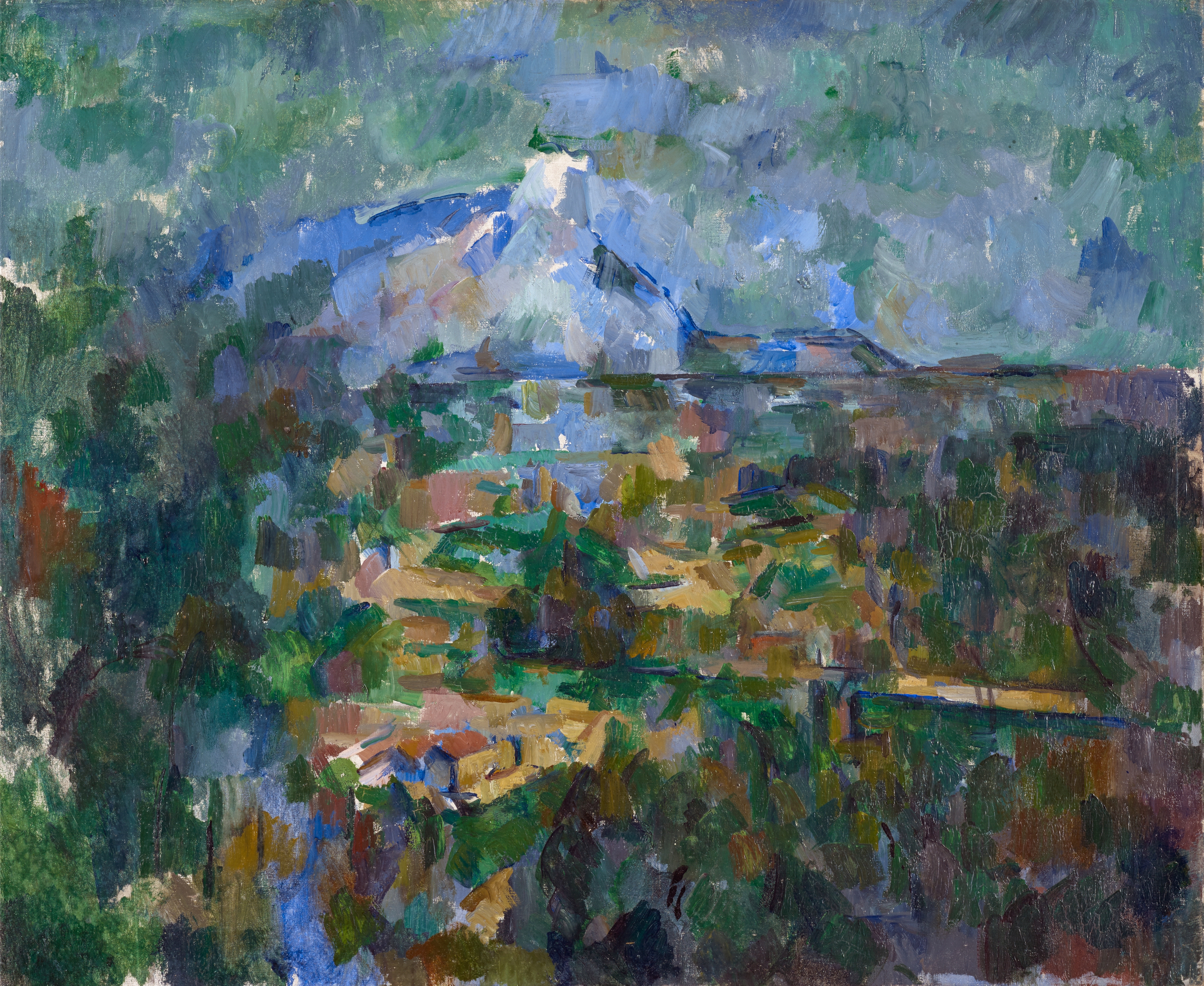
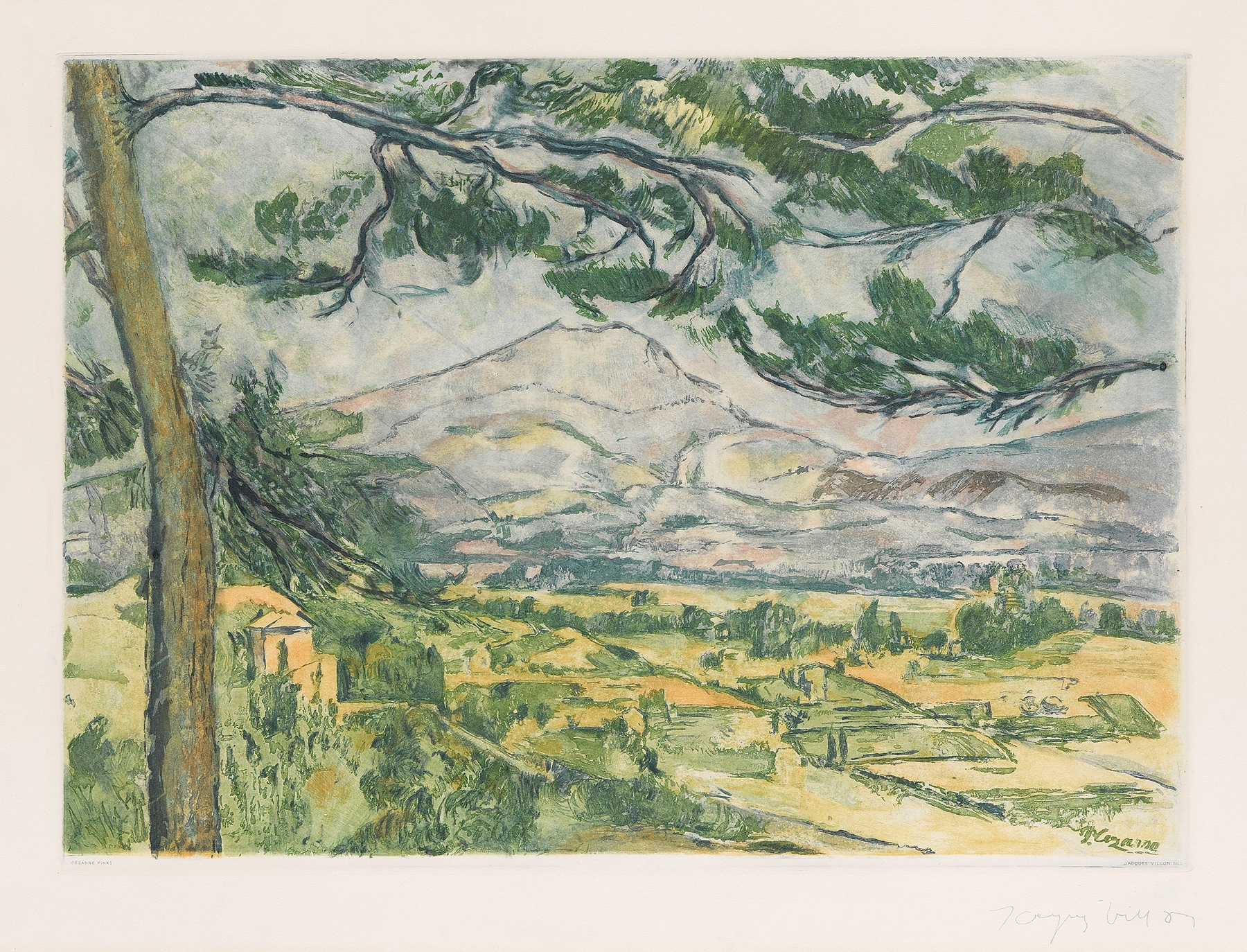
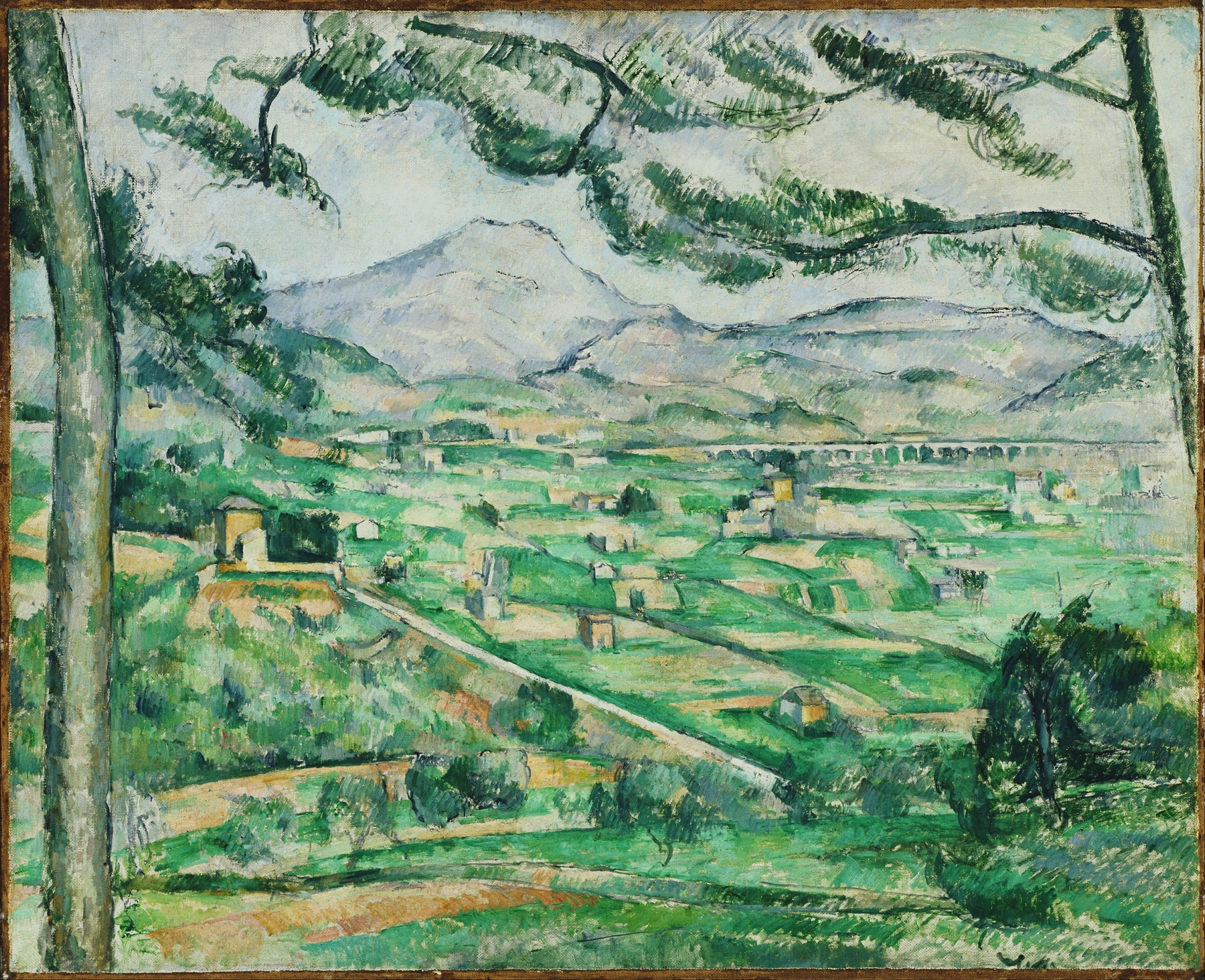
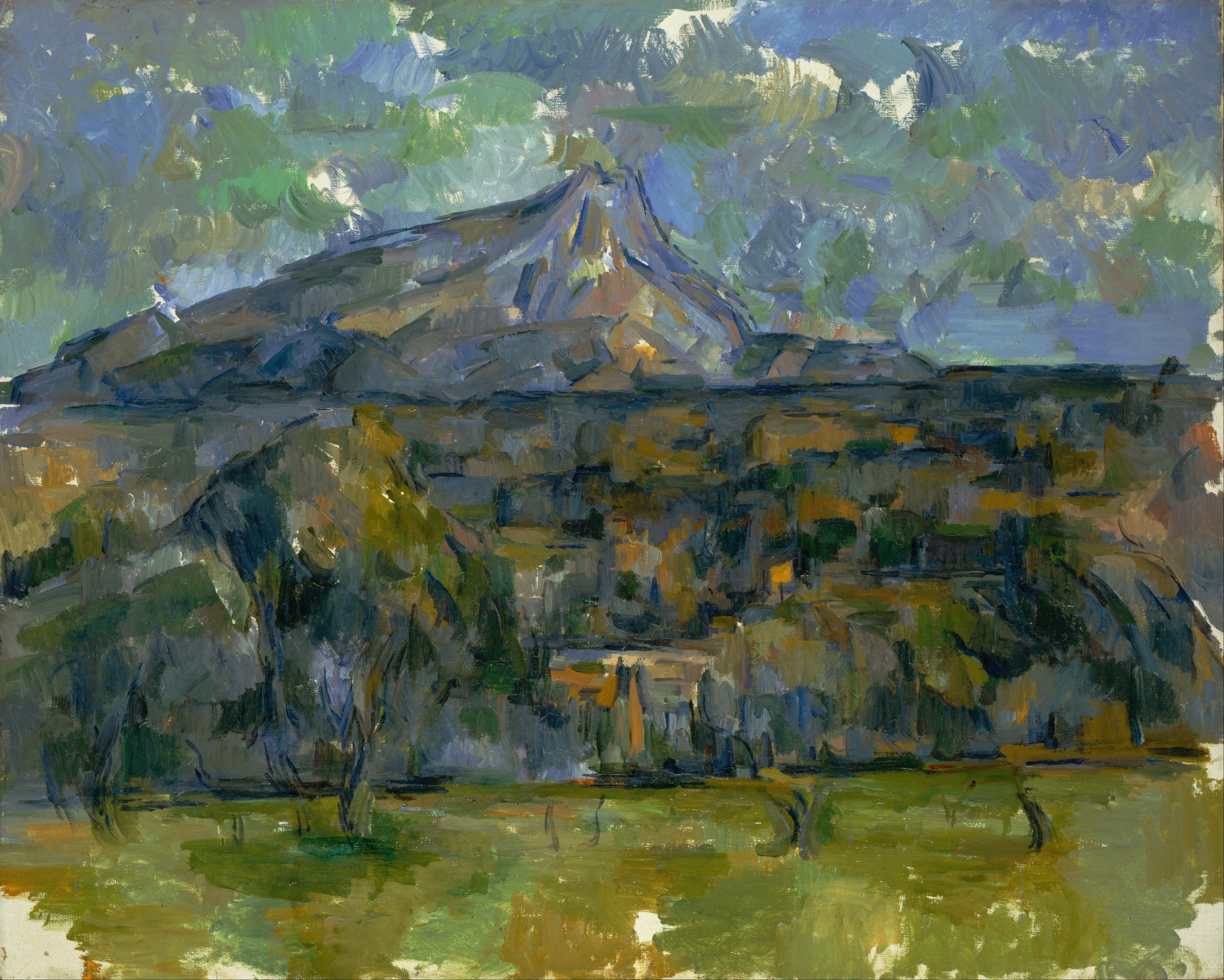
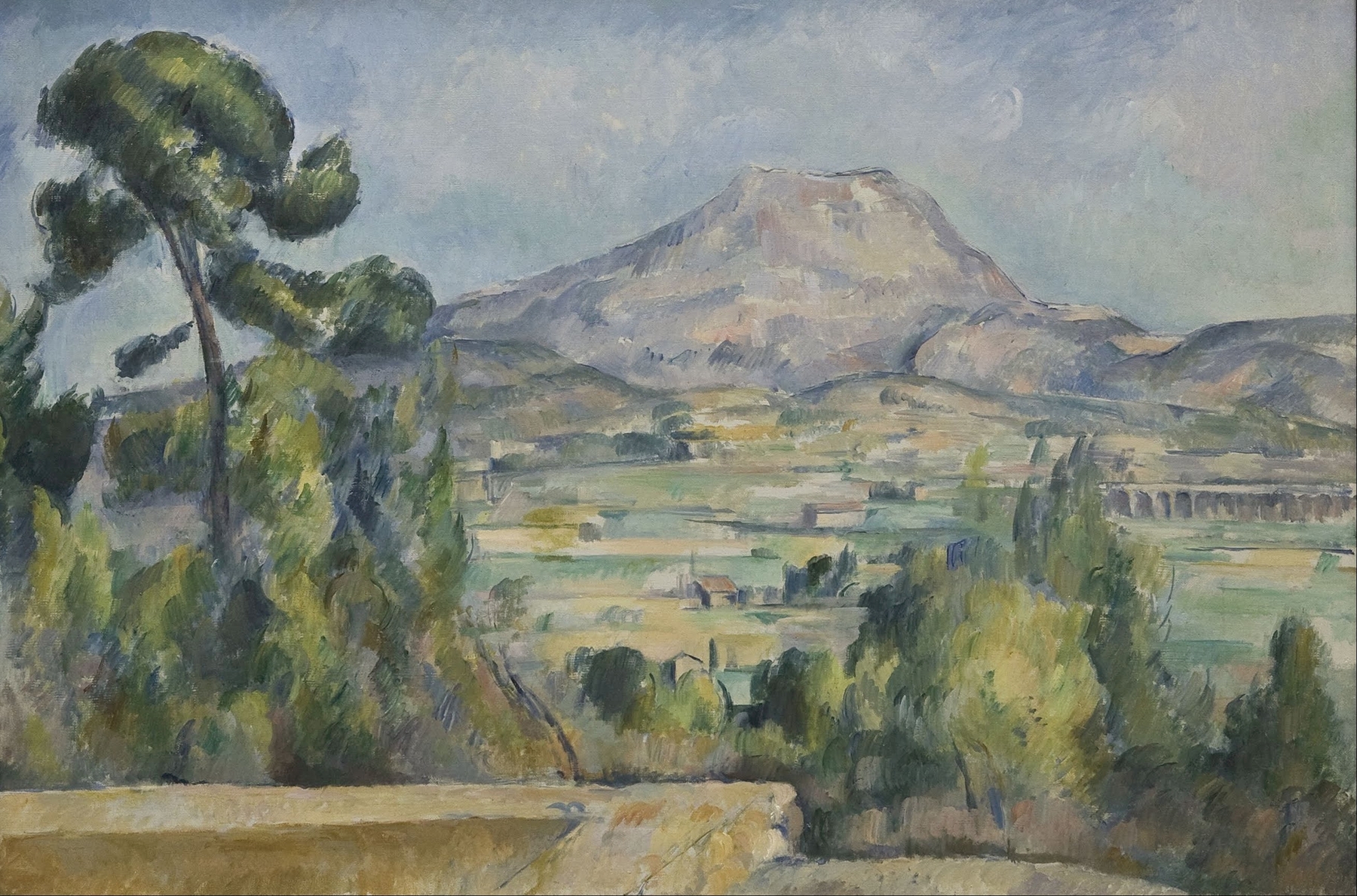
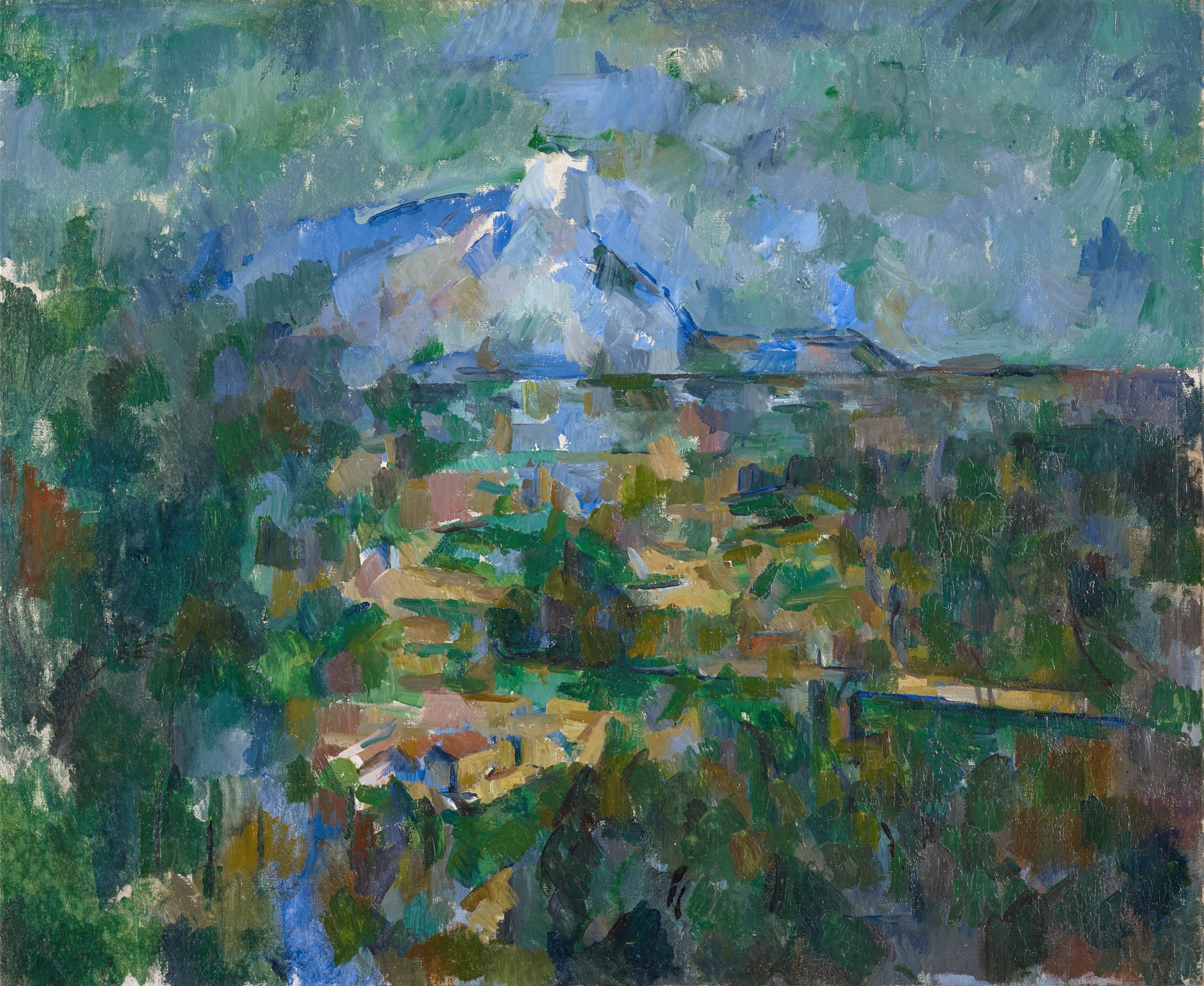
Could beauty survive in a century of chaos? Amidst the turmoil of shifting ideologies and relentless advancements, artists like Cézanne sought solace in the timeless landscapes that surrounded them, even as they wrestled with deeper emotional currents. Focus on the majestic mountain in the background, Mont Sainte-Victoire, rising stoically against a palette of blues and greens. Notice how the soft brushstrokes create an almost tactile surface, inviting you to reach out and feel the rough textures of nature.
As your gaze travels towards the viaduct, observe the contrasting angular lines that speak of human interruption against the organic forms of the landscape. The layers of paint breathe life into the scene, transforming it into a vibrant dialogue between nature and architecture. The painting reveals an emotional tension: the mountain, both a symbol of permanence and betrayal, stands resilient while the viaduct signifies human ambition and transience. This juxtaposition not only reflects a harmony between the natural and constructed worlds but also subtly critiques the very act of progress.
As light dances across the canvas, it whispers of fleeting moments, the ephemeral nature of beauty amidst the encroaching chaos of modernity. During the years 1882 to 1885, the artist captured this landscape from his home in Aix-en-Provence, France. It was a pivotal period for Cézanne as he was moving away from traditional Impressionism and developing his unique approach that would eventually lay the groundwork for modern art. The world around him was changing rapidly, yet he found strength and inspiration in the very landscapes that defined his identity as an artist.