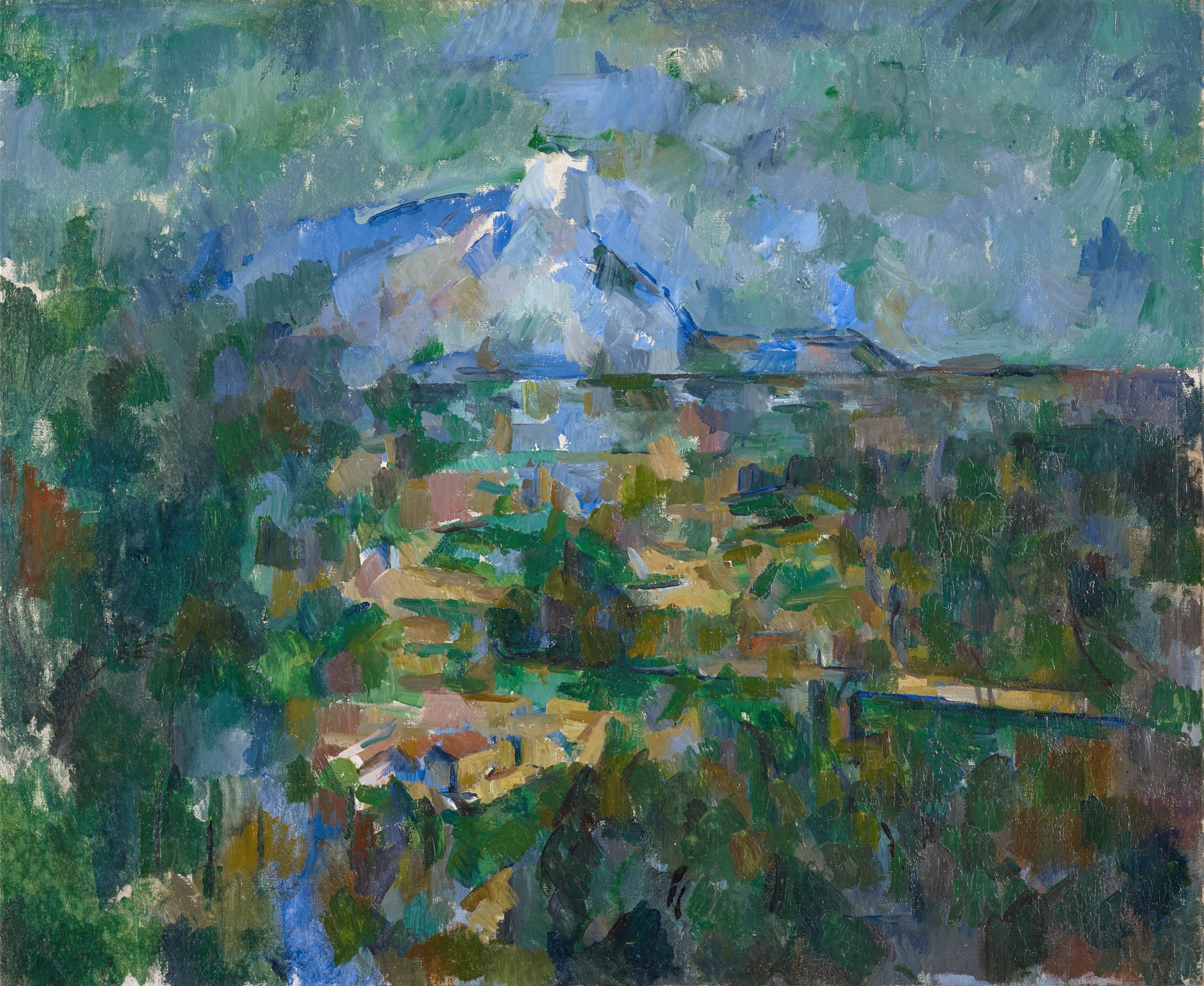
Mont Sainte-Victoire and the Viaduct of the Arc River Valley — History & Analysis
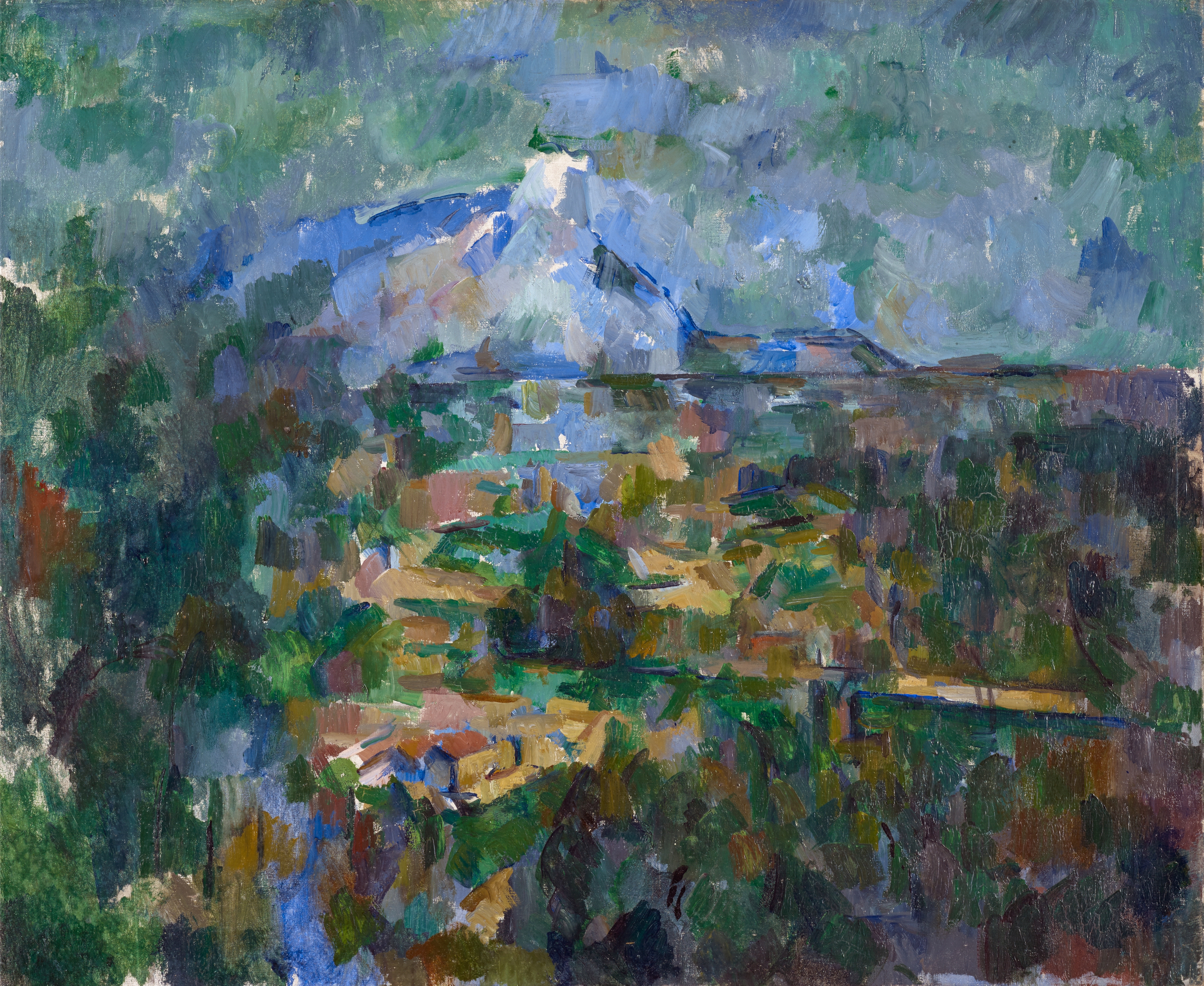
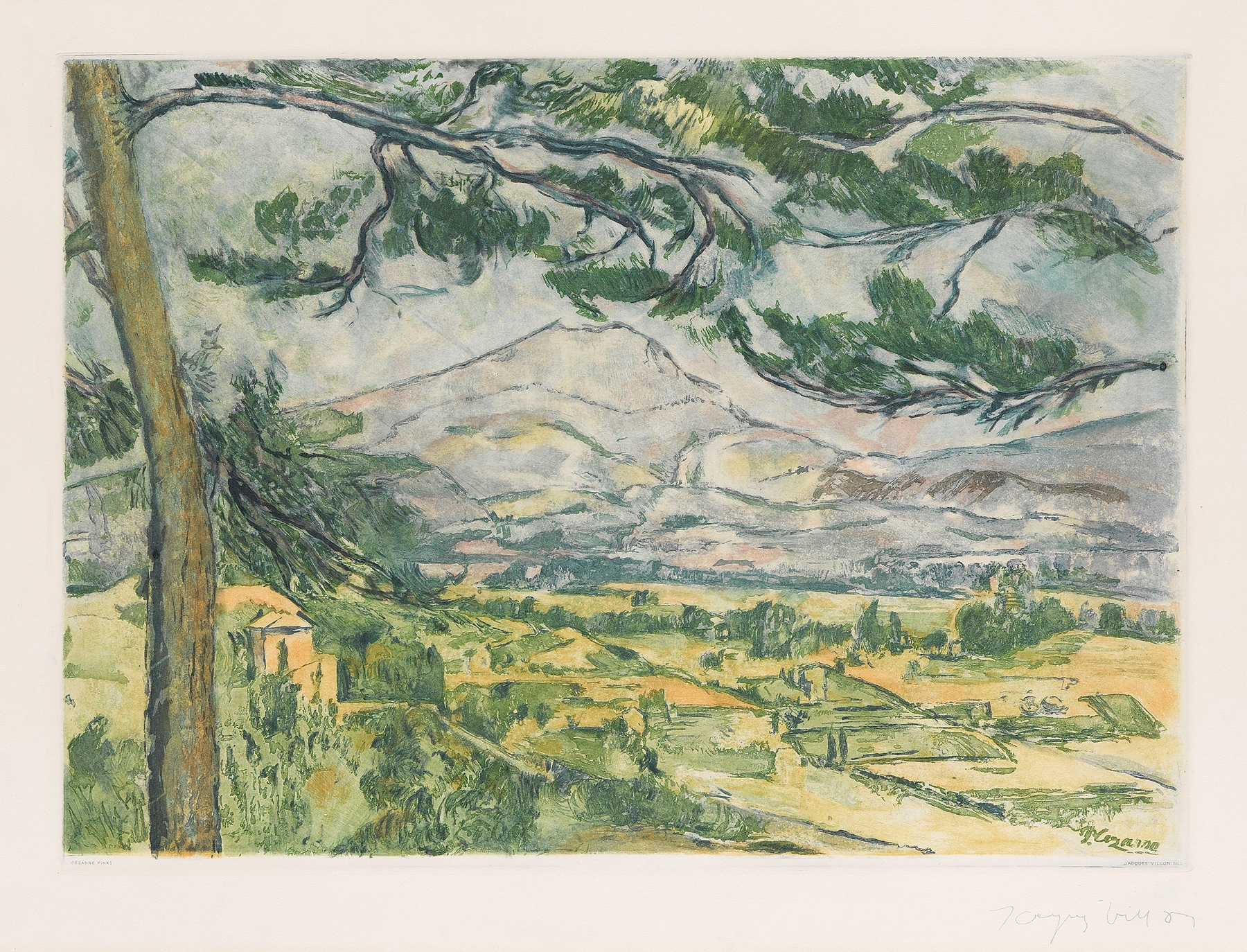
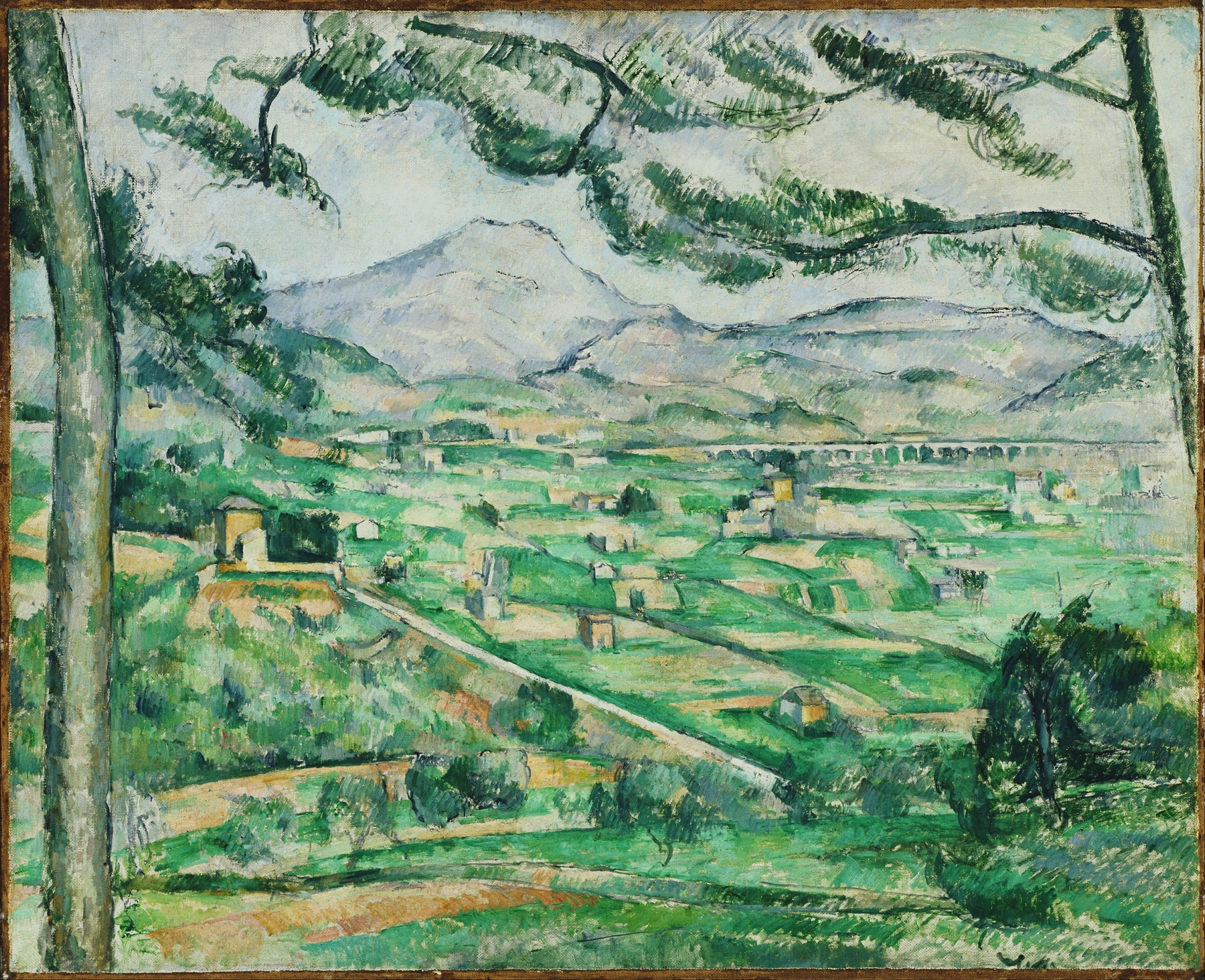
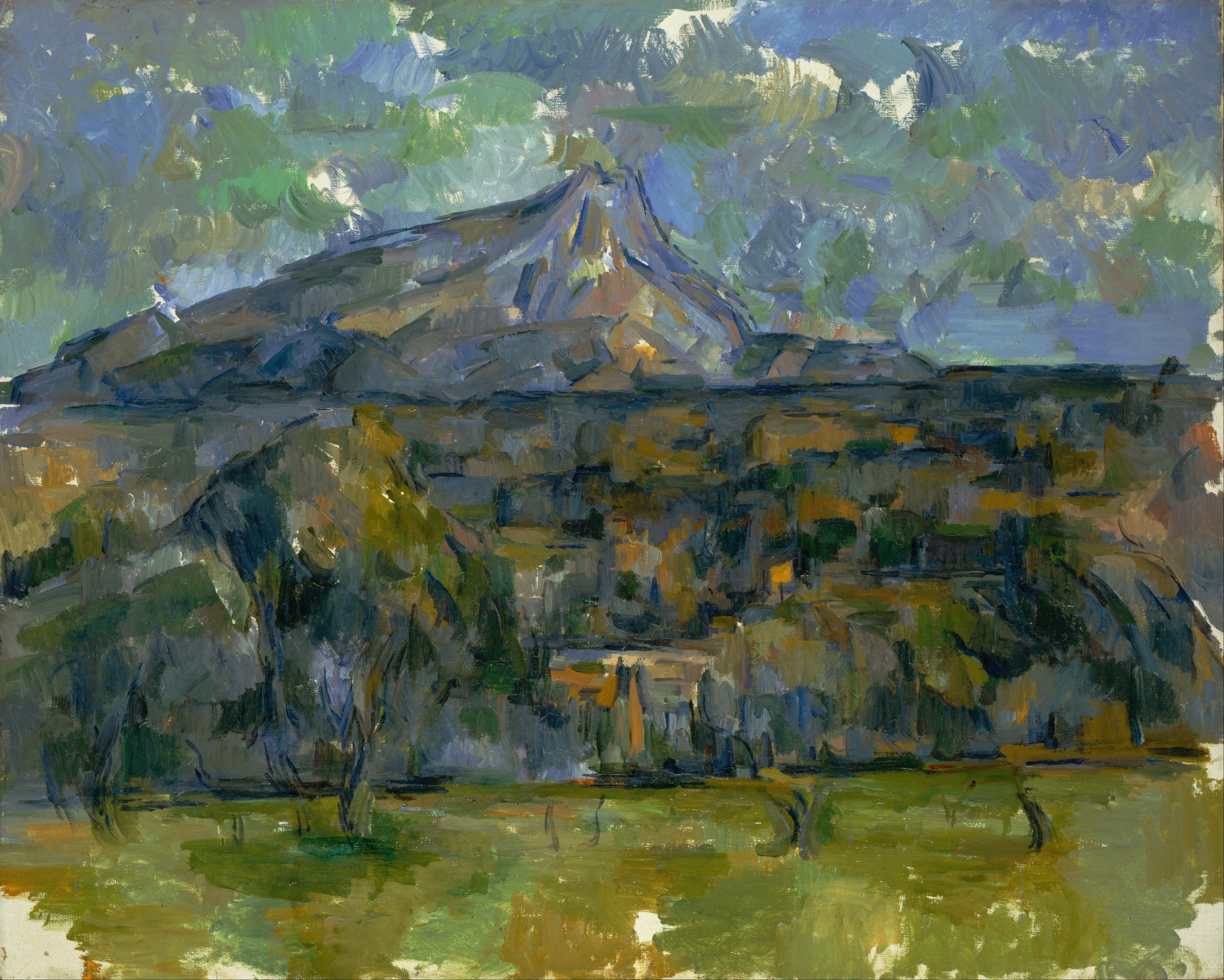
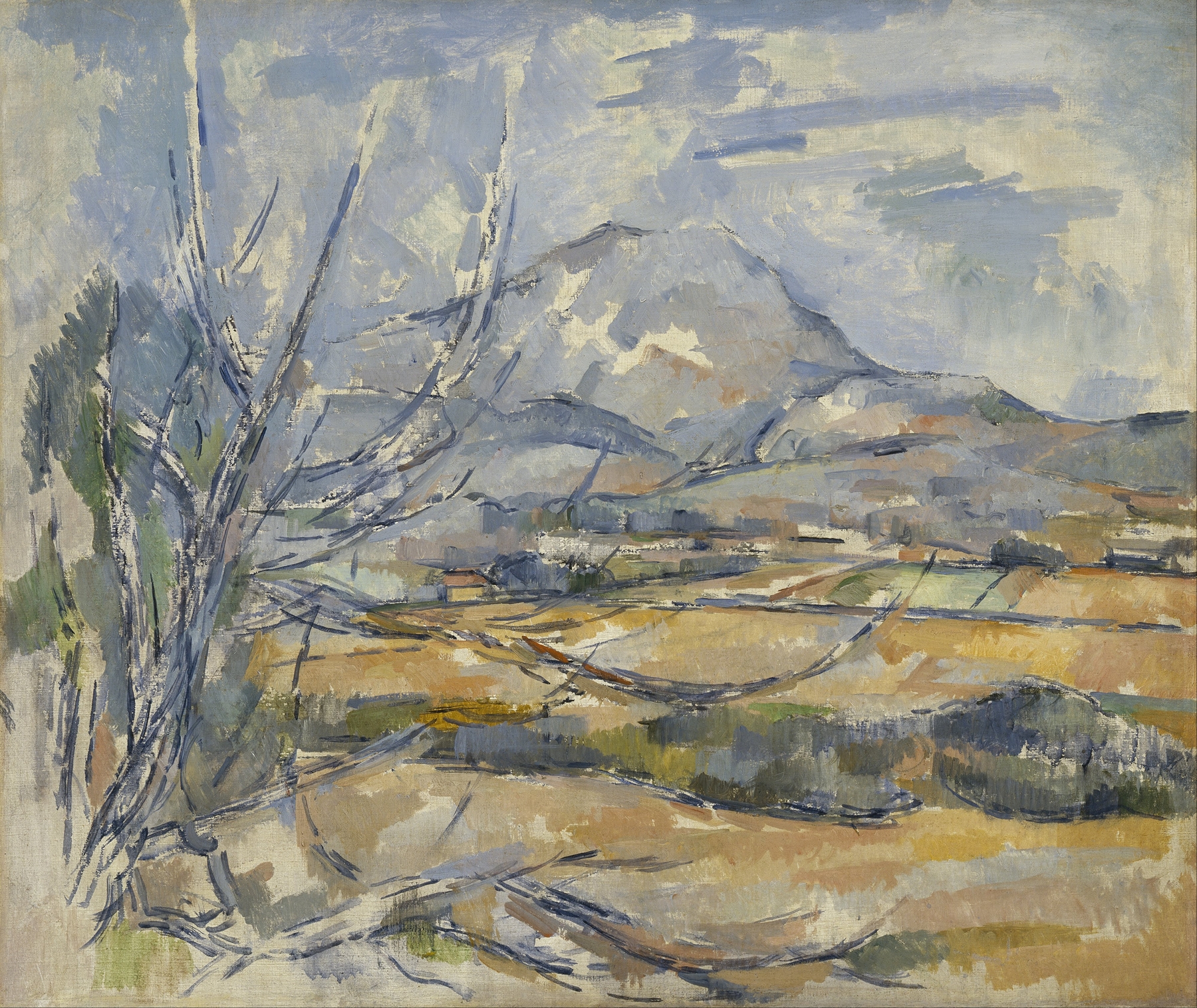
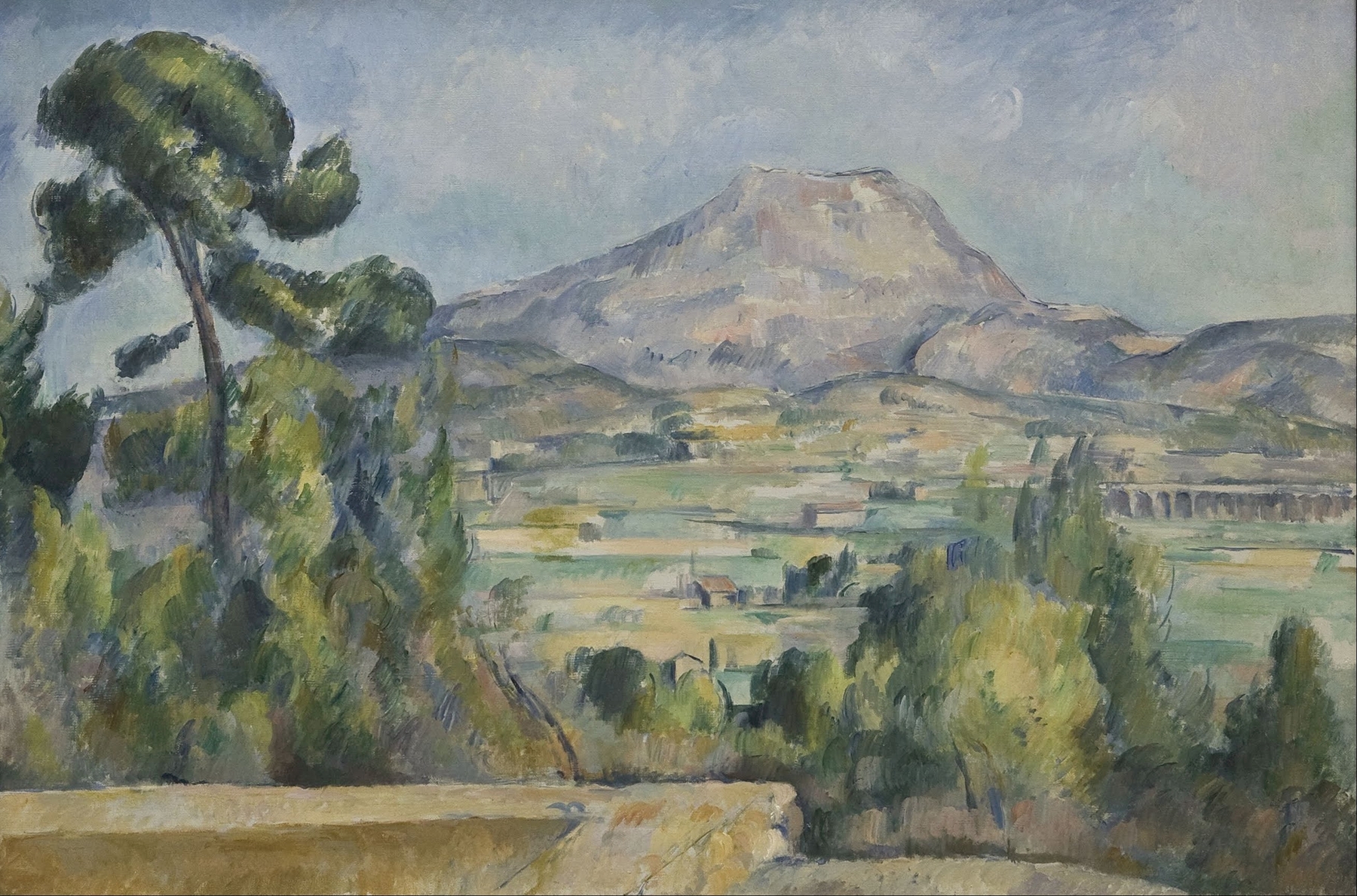
“Art reveals the soul when the world turns away.” In the quietude of a sun-drenched landscape, there lies a deep longing that transcends mere representation. Here, nature speaks softly, urging us to listen closely to its unspoken narratives, where the vibrant hues beckon us to explore the unseen emotions that lie beneath the surface. Look to the left at the majestic Mont Sainte-Victoire, its rugged forms meticulously outlined against the azure sky. Notice how the brushstrokes pulse with life, capturing the essence of a scene rather than its precise details.
The interplay of light and shadow on the mountain's facade creates an atmosphere that feels both intimate and distant, drawing our gaze deeper into the composition. The viaduct, gracefully arching across the foreground, serves as a bridge between the viewer and the natural world, inviting us to traverse the emotional terrain of longing that permeates the piece. The contrast between the earthy palette of browns and greens against the vibrant blues enhances the sense of separation and desire inherent in the landscape. Each stroke tells a story, revealing the artist's yearning for connection—not only to the land but to the raw emotions it stirs within.
The viaduct, a symbol of human ambition, juxtaposes the timelessness of the mountain, suggesting a tension between nature's permanence and the fleeting nature of our desires. During the years 1882 to 1885, Paul Cézanne was firmly establishing his unique voice amidst the evolving art world of post-Impressionism. Living in Aix-en-Provence, he was inspired by the surrounding landscapes, yet often faced rejection from the art establishment. This period was one of introspection and experimentation as he sought to redefine how we perceive and interpret our environment, ultimately influencing generations of artists who followed him.