Moonlight Landscape — History & Analysis
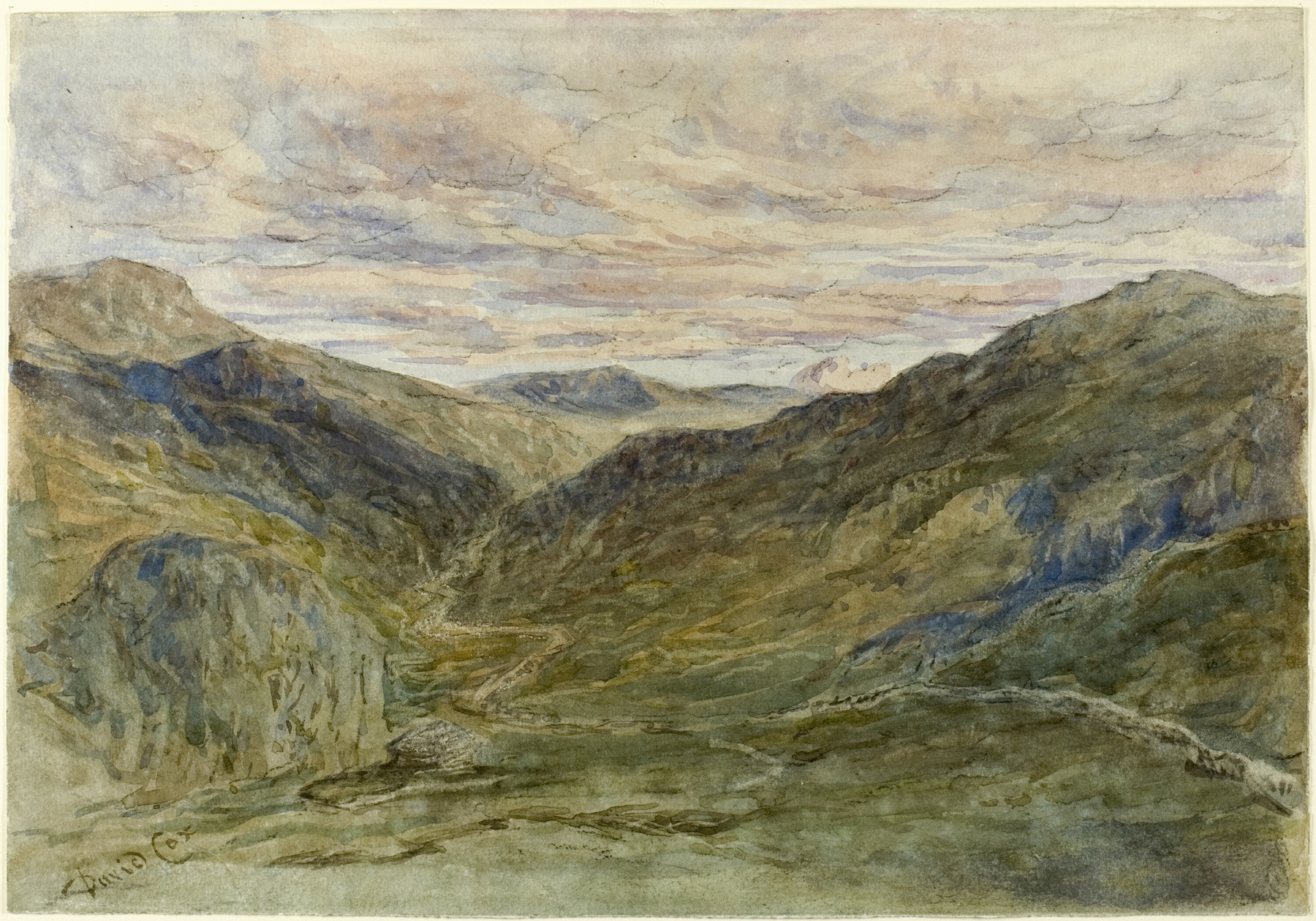
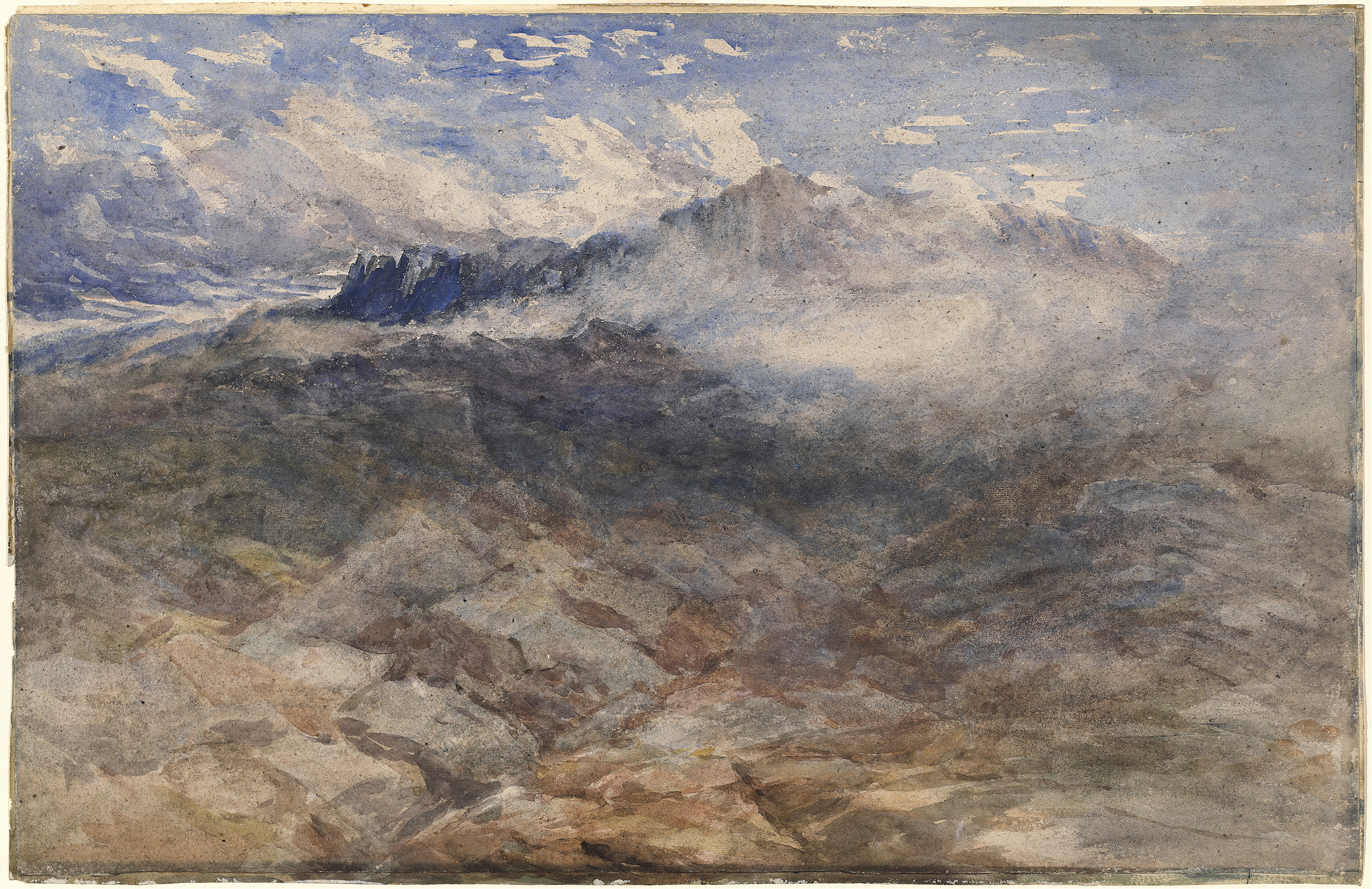
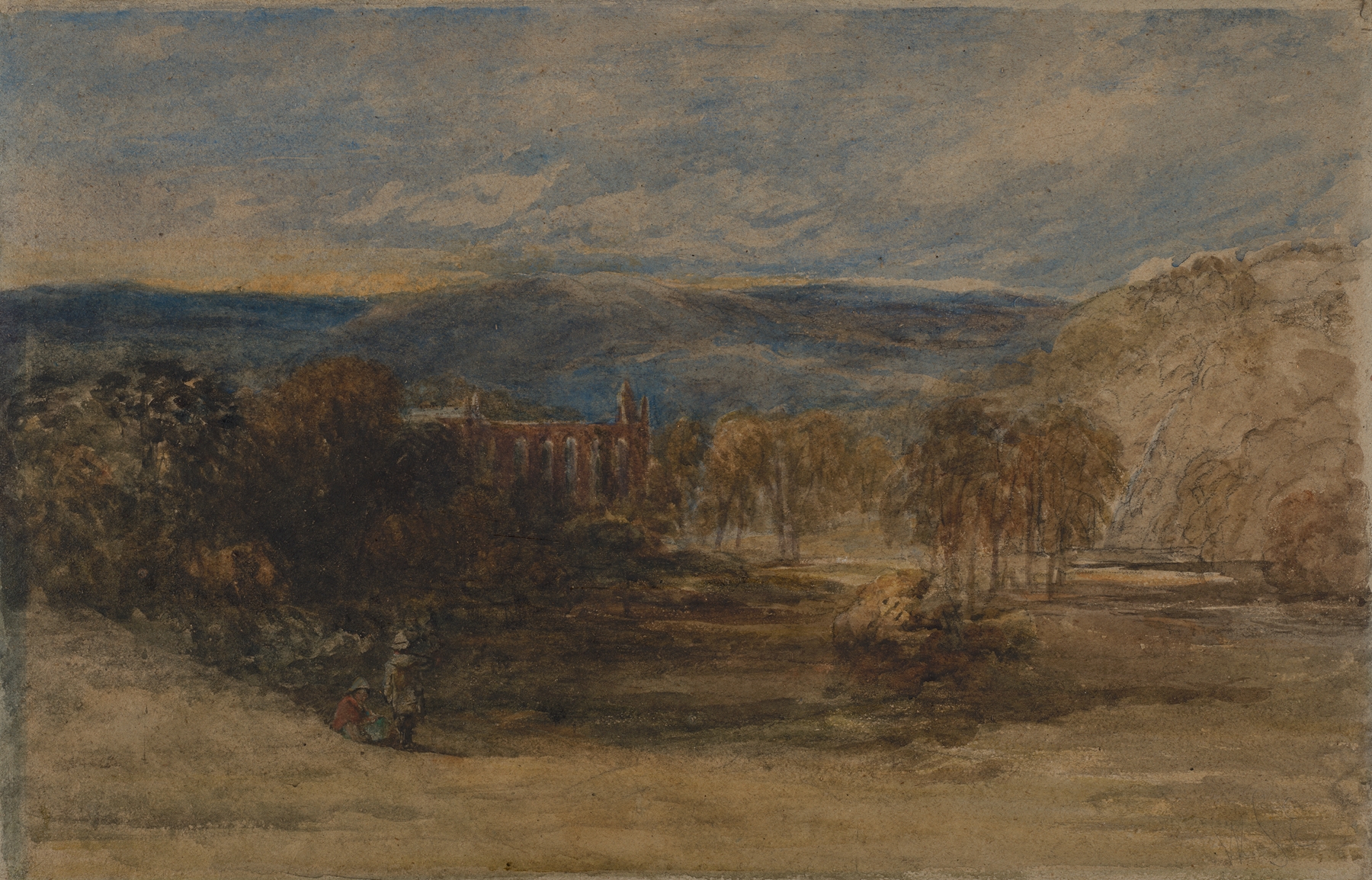
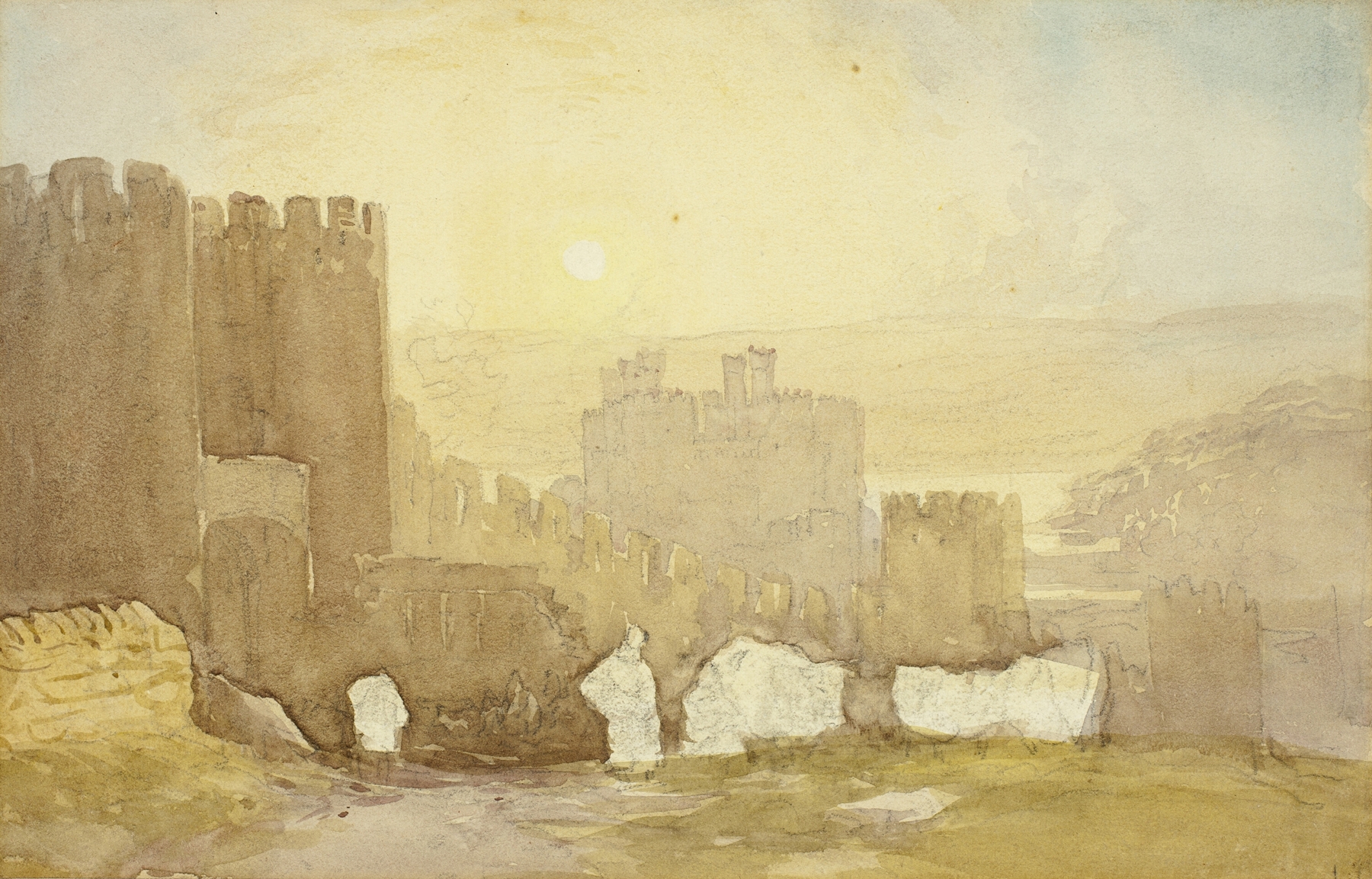
“To paint is to remember what time wants us to forget.” In a world that constantly shifts, art remains a sanctuary of transcendence, capturing fleeting moments that otherwise slip away unnoticed. Look to the soft glow of the moon that bathes the landscape in tranquil silver. Notice how it illuminates the gentle contours of rolling hills, creating a serene dialogue between light and shadow. The delicate brushwork evokes a sense of movement in the clouds, while the cool palette of blues and grays envelops the scene in a hush of night.
Each element seems to breathe, inviting the viewer into an intimate communion with nature. Beneath the surface, the painting speaks of solitude and reflection. The serene landscape, untouched by human presence, invites contemplation, echoing a yearning for peace in a chaotic world. The contrast between the stillness of the earth and the celestial movement above evokes a profound sense of connection between the material and the ethereal, suggesting that in nature, we may find solace from our transient existence.
In the 1850s, David Cox found himself deeply immersed in the Romantic movement, painting in England during a time of industrialization and change. His connection to the natural world grew as he sought refuge from the encroaching urban landscape, striving to evoke emotion through his landscapes. This period marked a significant evolution in his work, blending realism with the transcendental qualities of nature, reflecting his belief in the divine inspiration found within the environment.