Moonlit Landscape with a Ruined Castle — History & Analysis
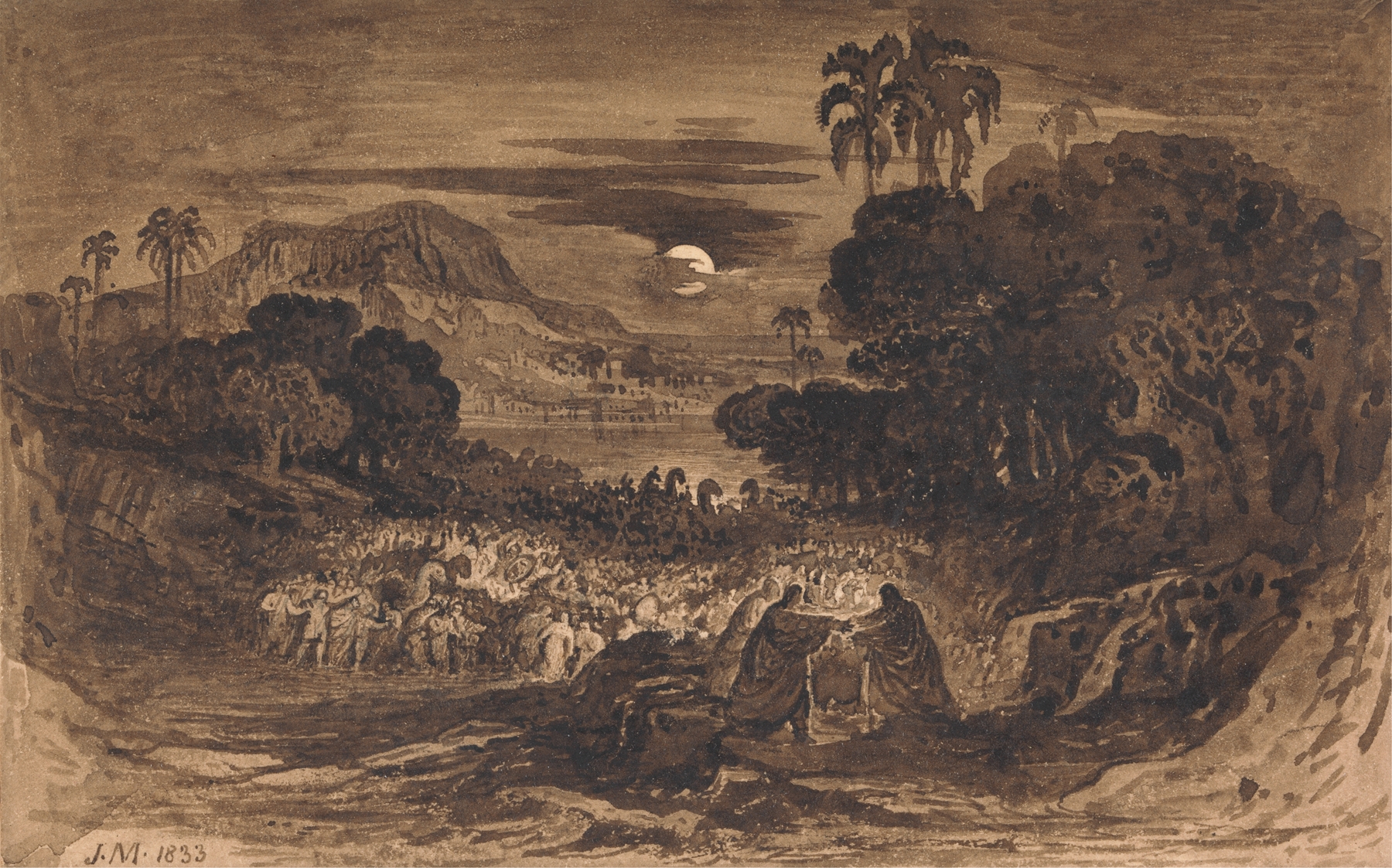
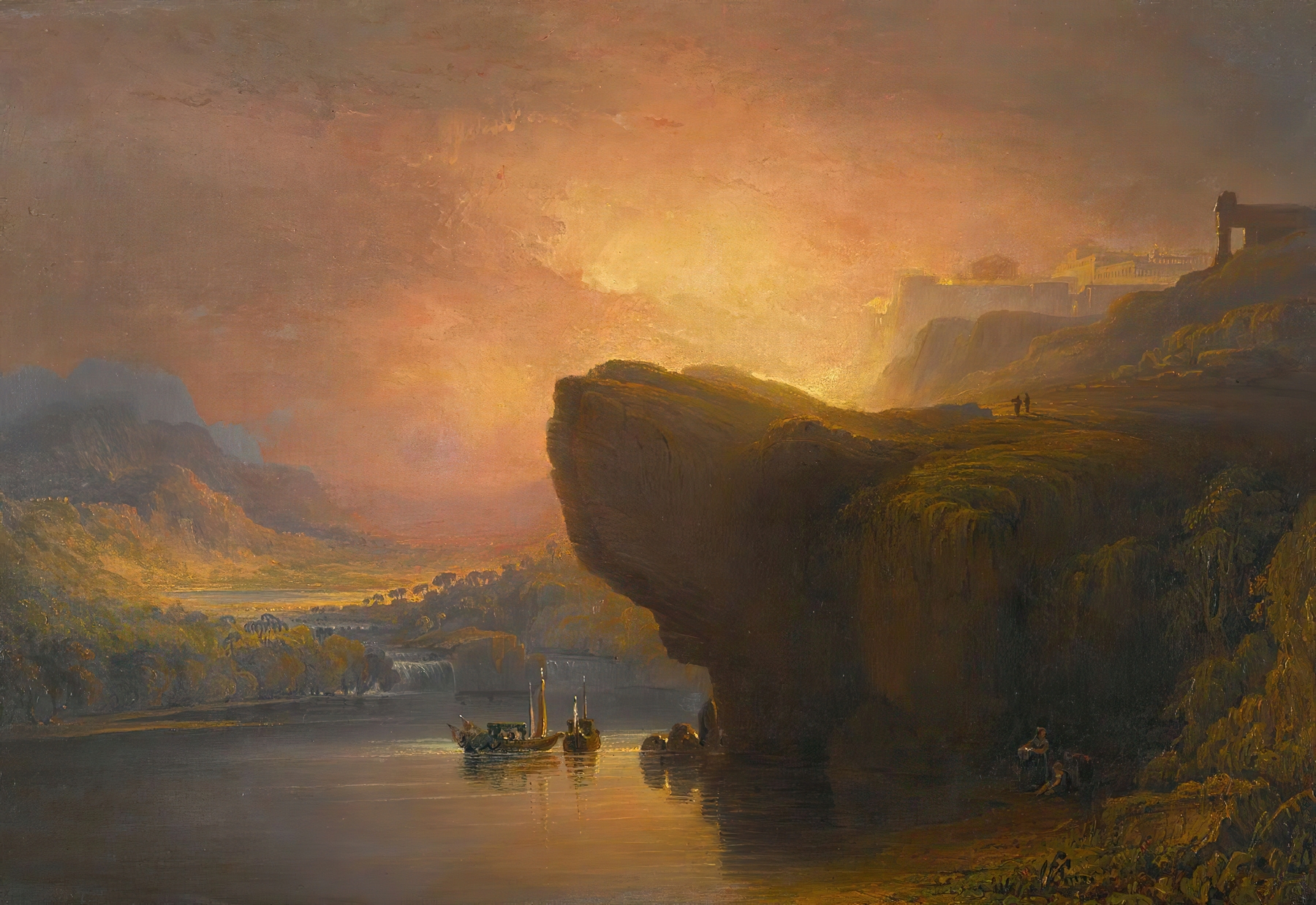
When did color learn to lie? The interplay of shadow and light in art can evoke both beauty and an unsettling void, suggesting more than mere representation. Look to the right at the imposing silhouette of the ruined castle, its weathered stones rising defiantly against a moonlit sky. The luminous orb casts an ethereal glow, illuminating the surrounding landscape with striking contrasts of deep, velvety blues and soft, silver-hued grays.
Notice how the brushwork creates a dreamlike texture, blending reality with imagination, while the foreground swells with dark, undefined forms that echo a sense of foreboding. In this tension between the serene moonlight and the ominous ruin lies a reflection of human fragility and the passage of time. The castle, a remnant of bygone glory, suggests loss, while the luminous background hints at hope or the promise of renewal. The void represented in the darkness adds emotional weight, invoking questions about existence, memory, and the impermanence of beauty.
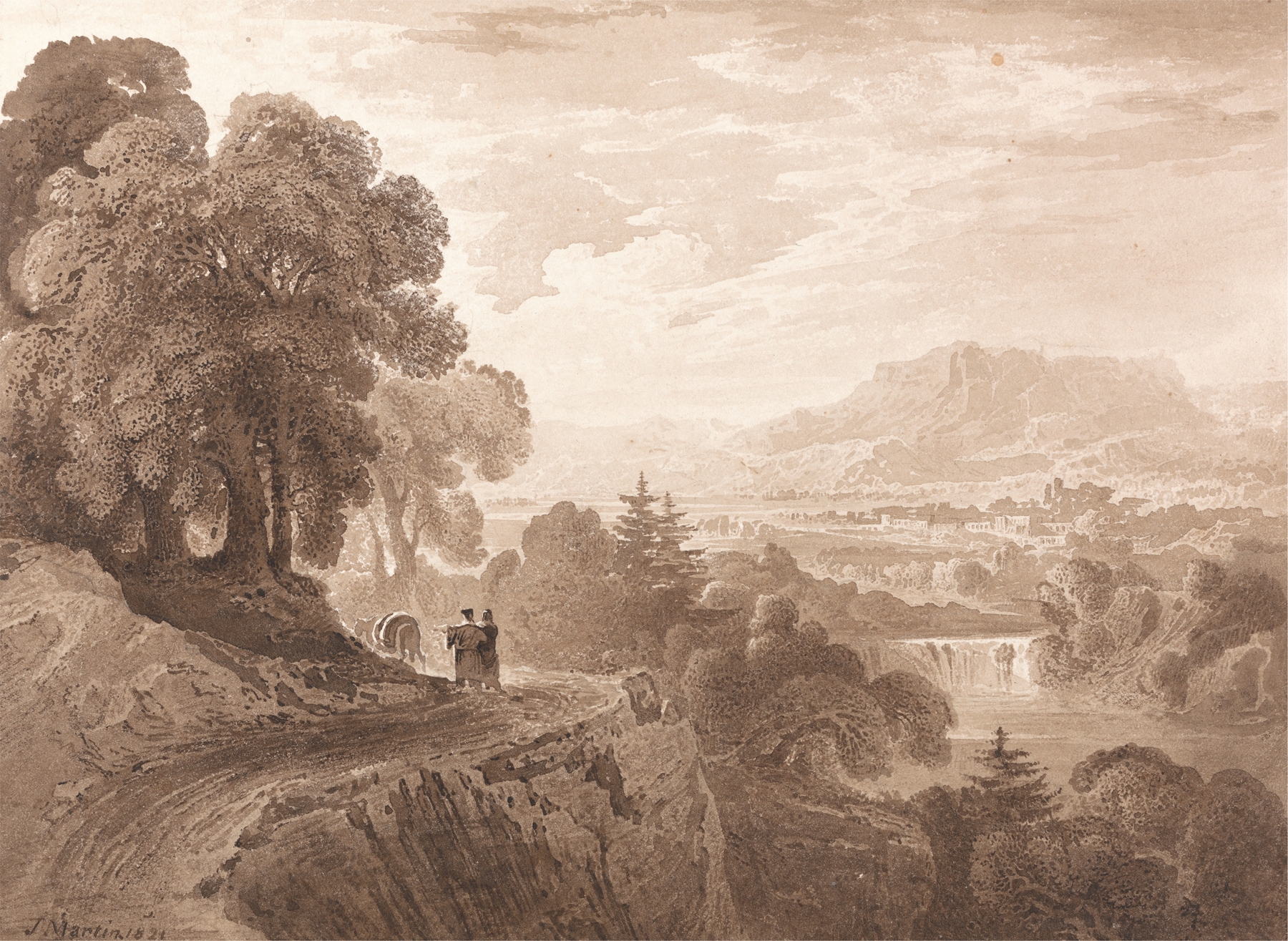
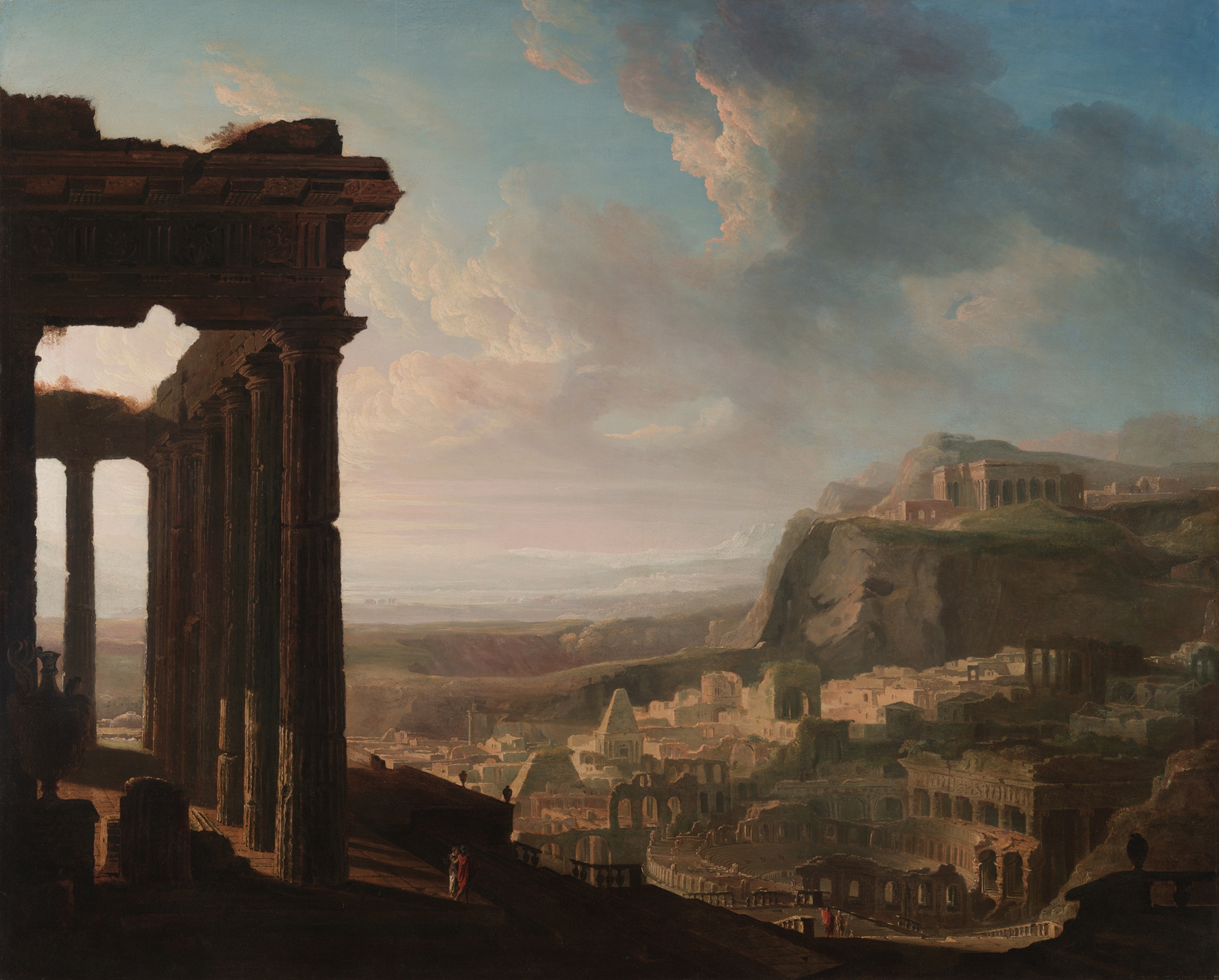
John Martin painted Moonlit Landscape with a Ruined Castle between 1820 and 1830 during a transformative period in the art world, marked by a fascination with Romanticism. The artist, known for his dramatic landscapes and apocalyptic themes, was influenced by the emerging interest in nature’s sublime power and humanity's smallness within it. This work reflects that era's dialogue between mysticism and reality, as well as Martin's own exploration of the emotional depth of landscapes.