Morning Light — History & Analysis
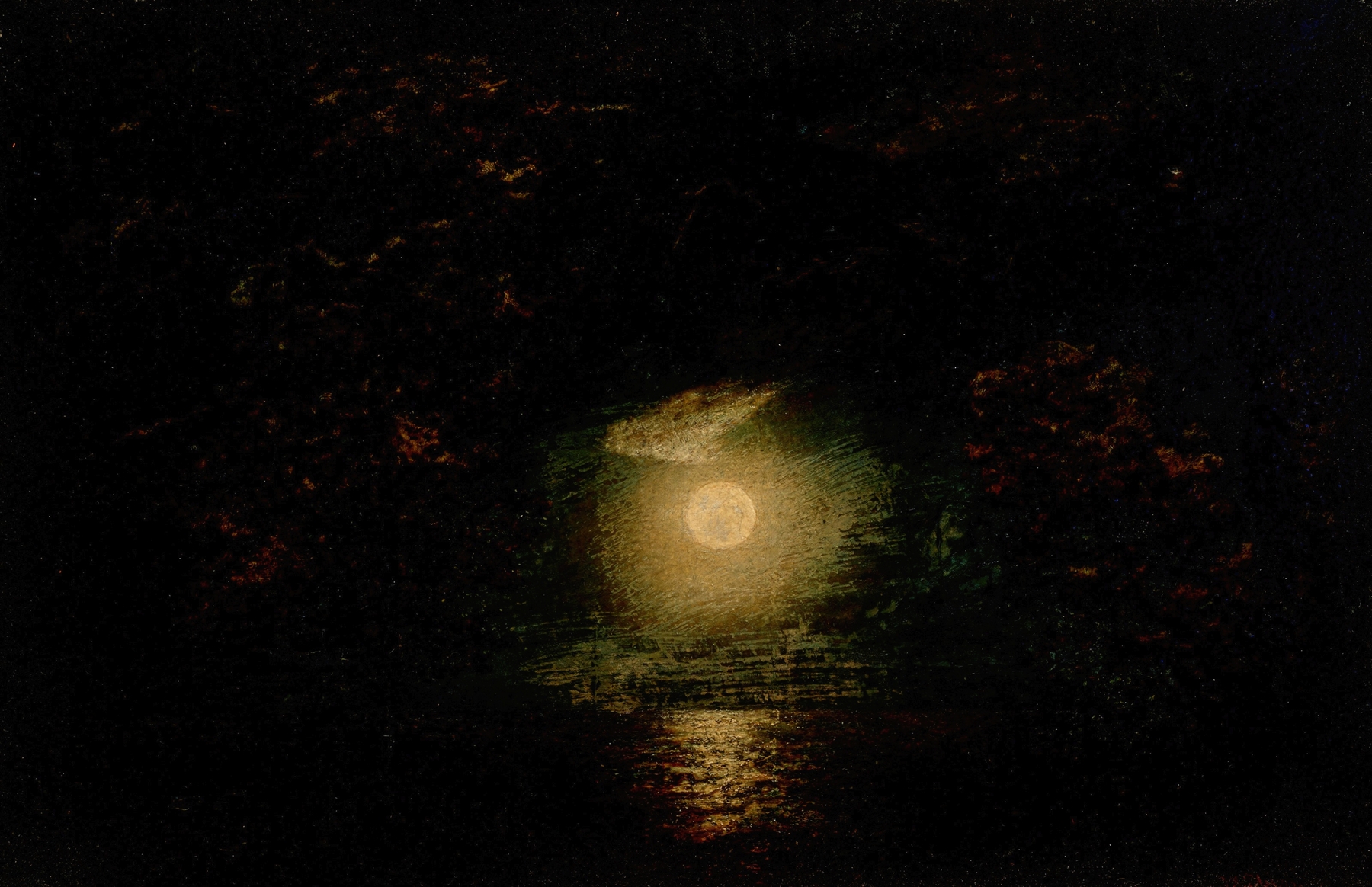
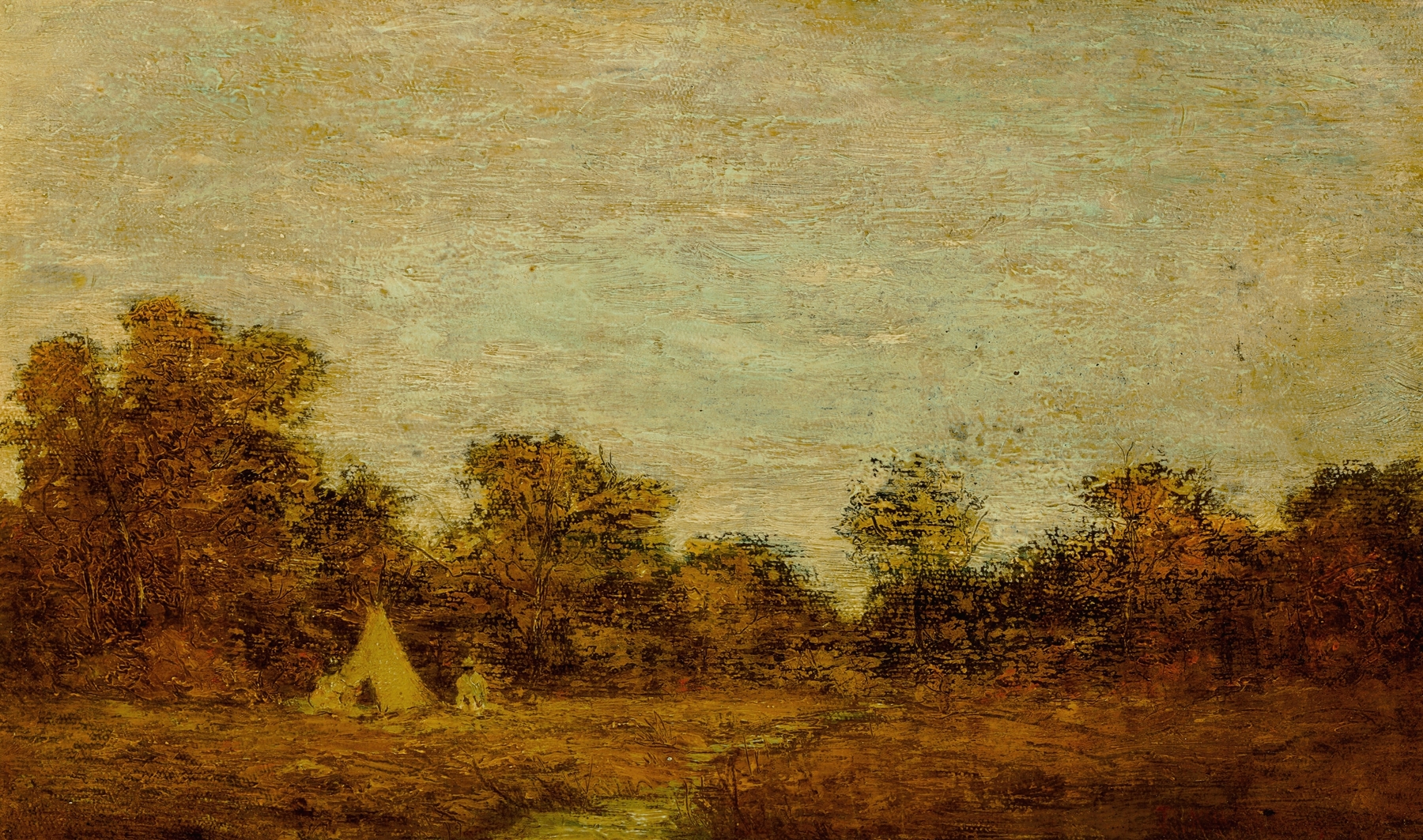
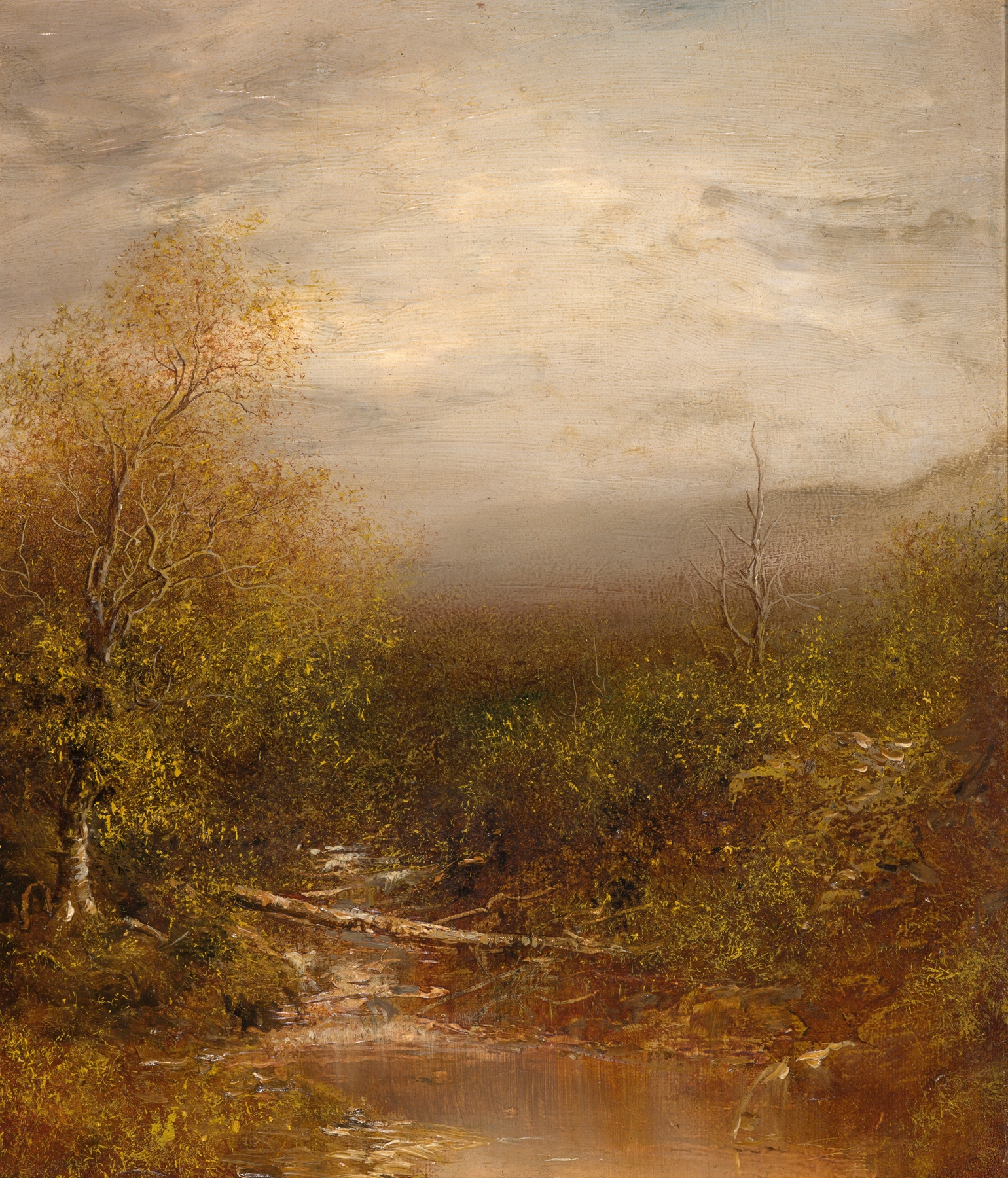
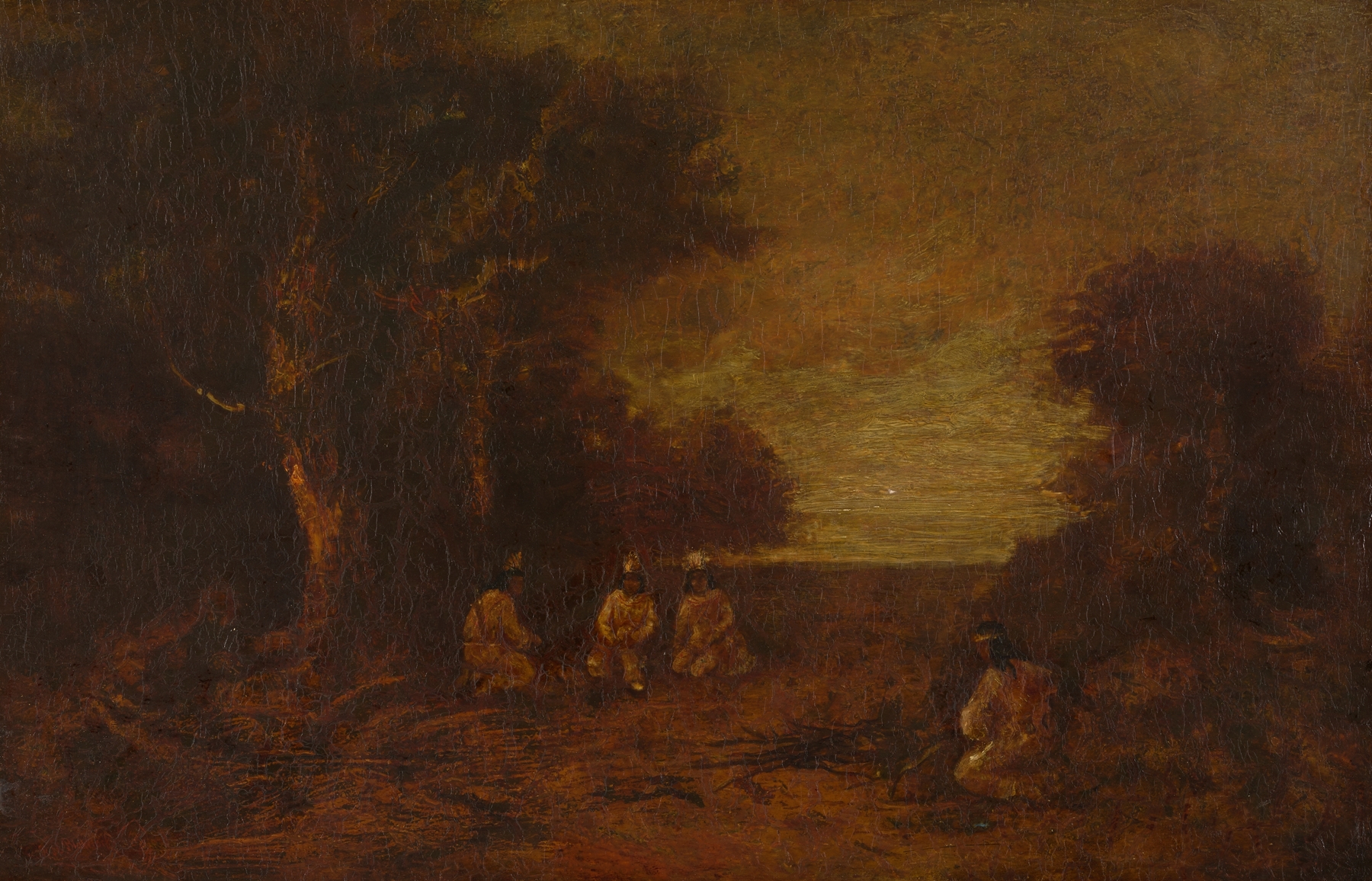
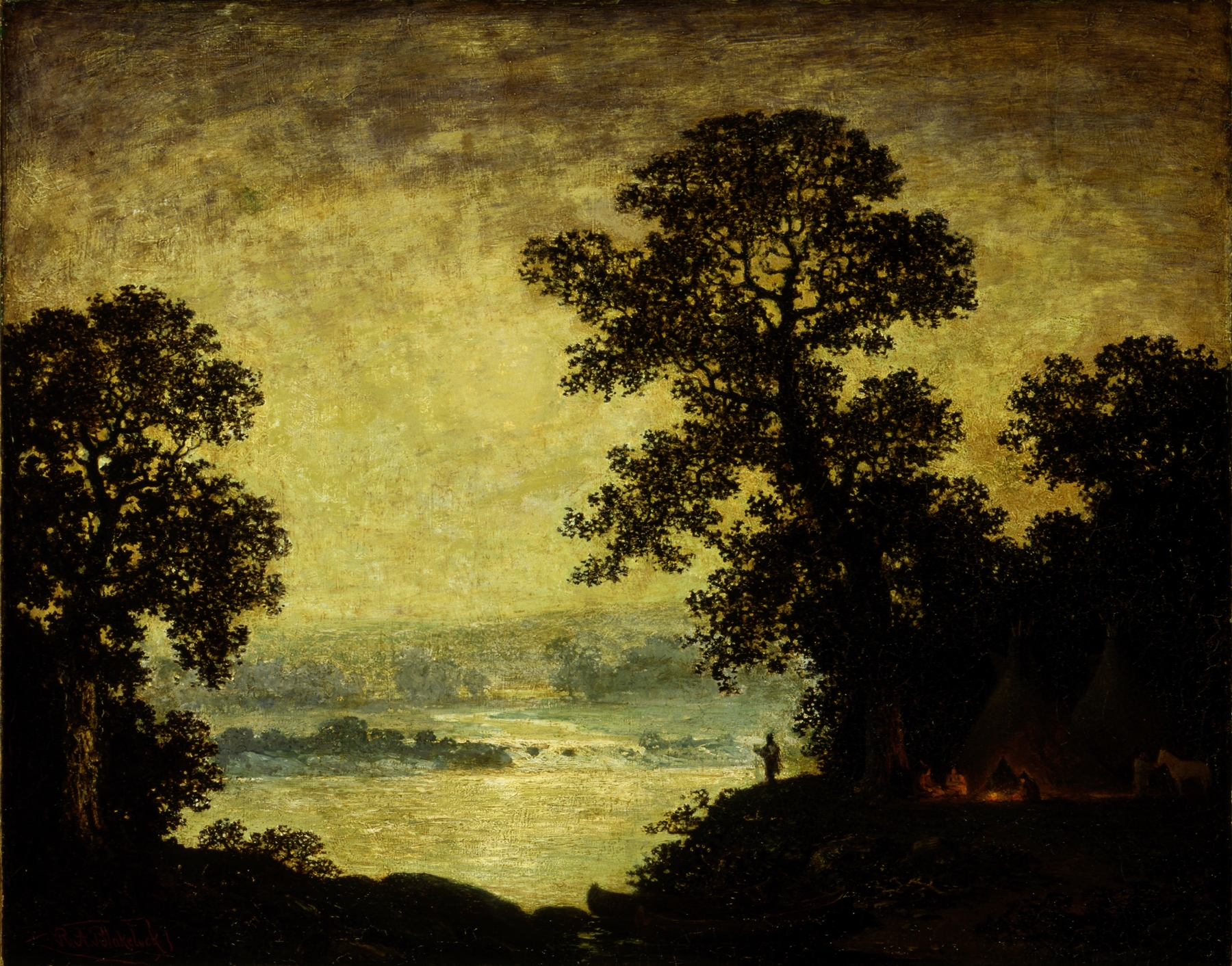
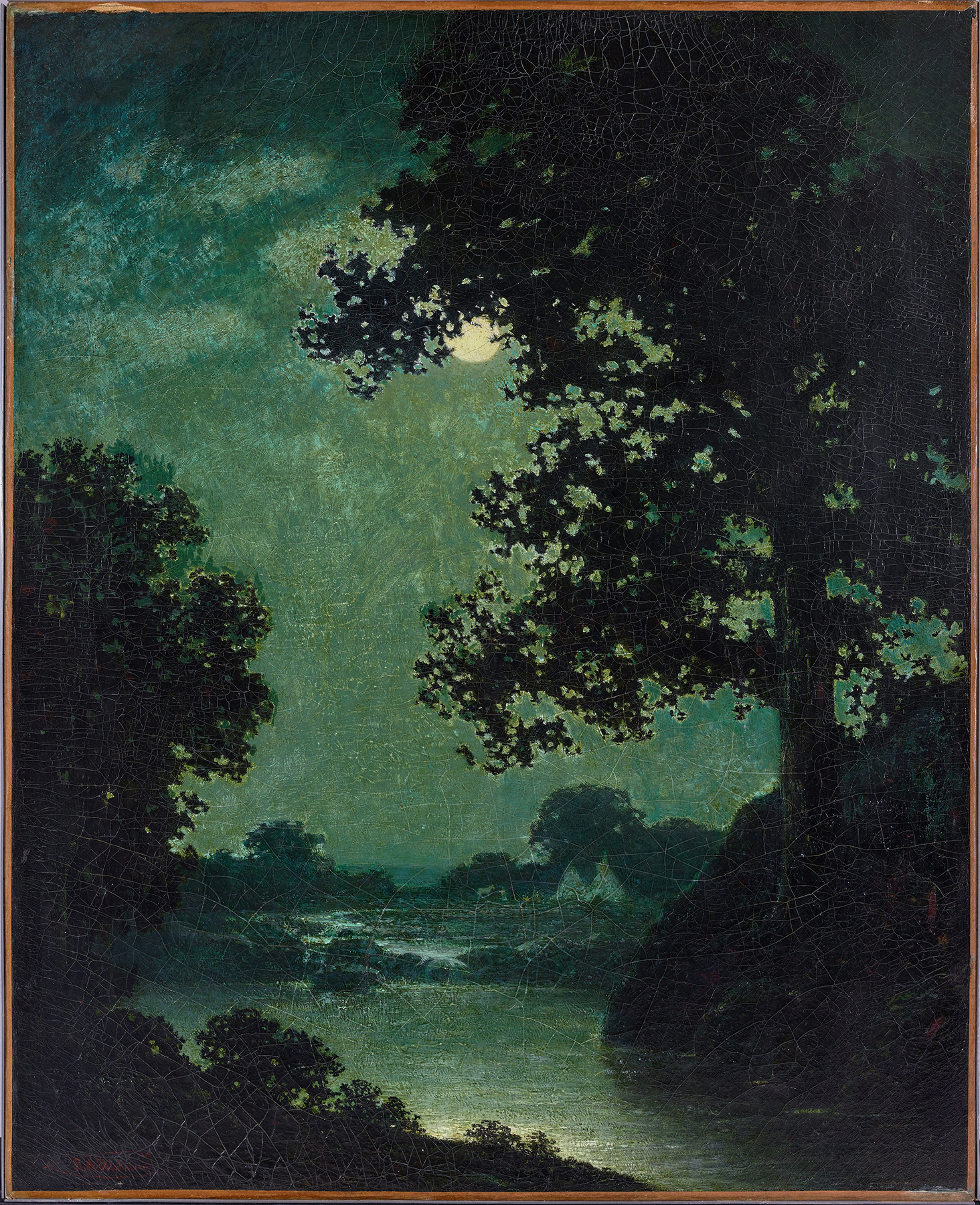
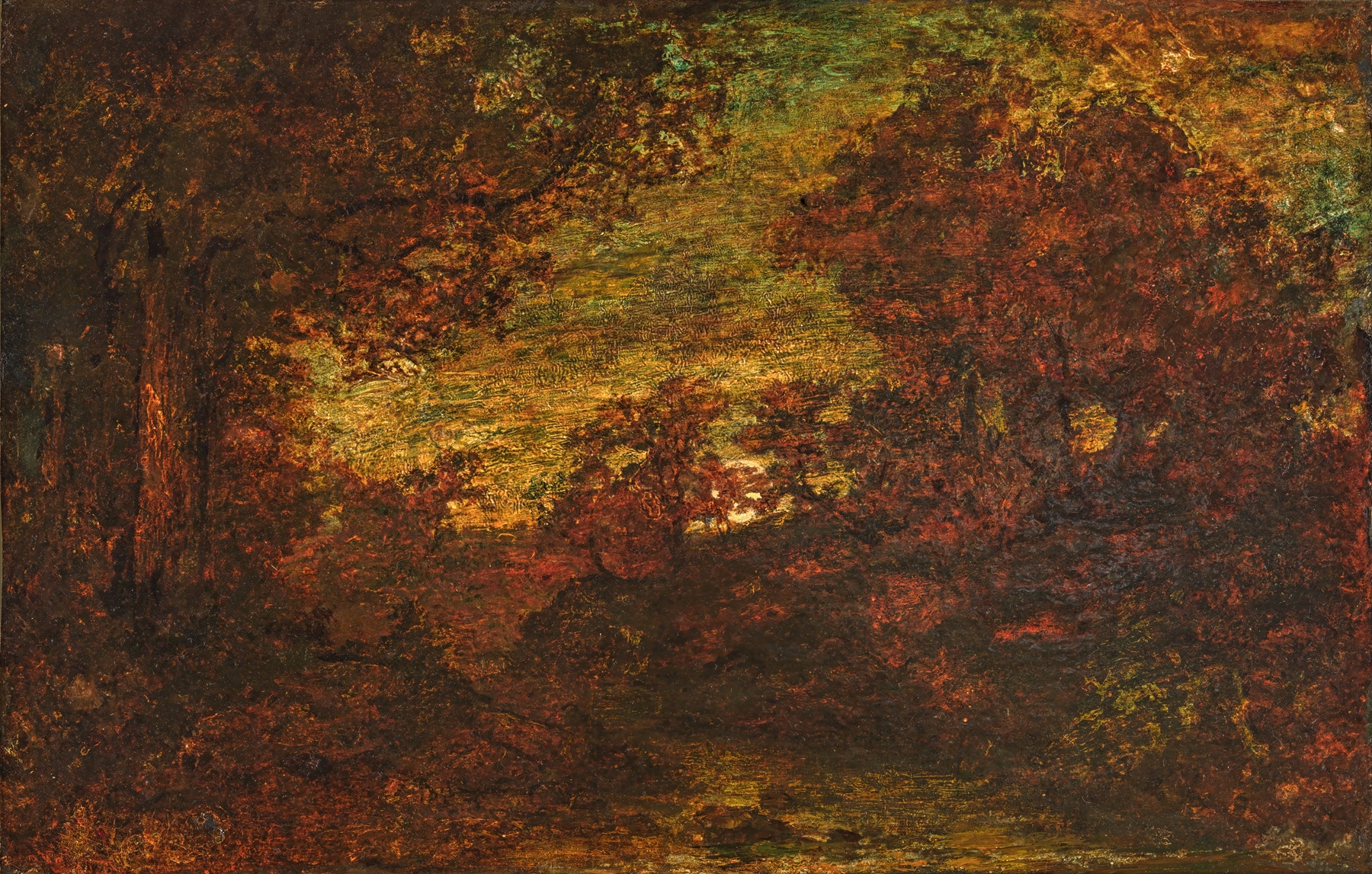
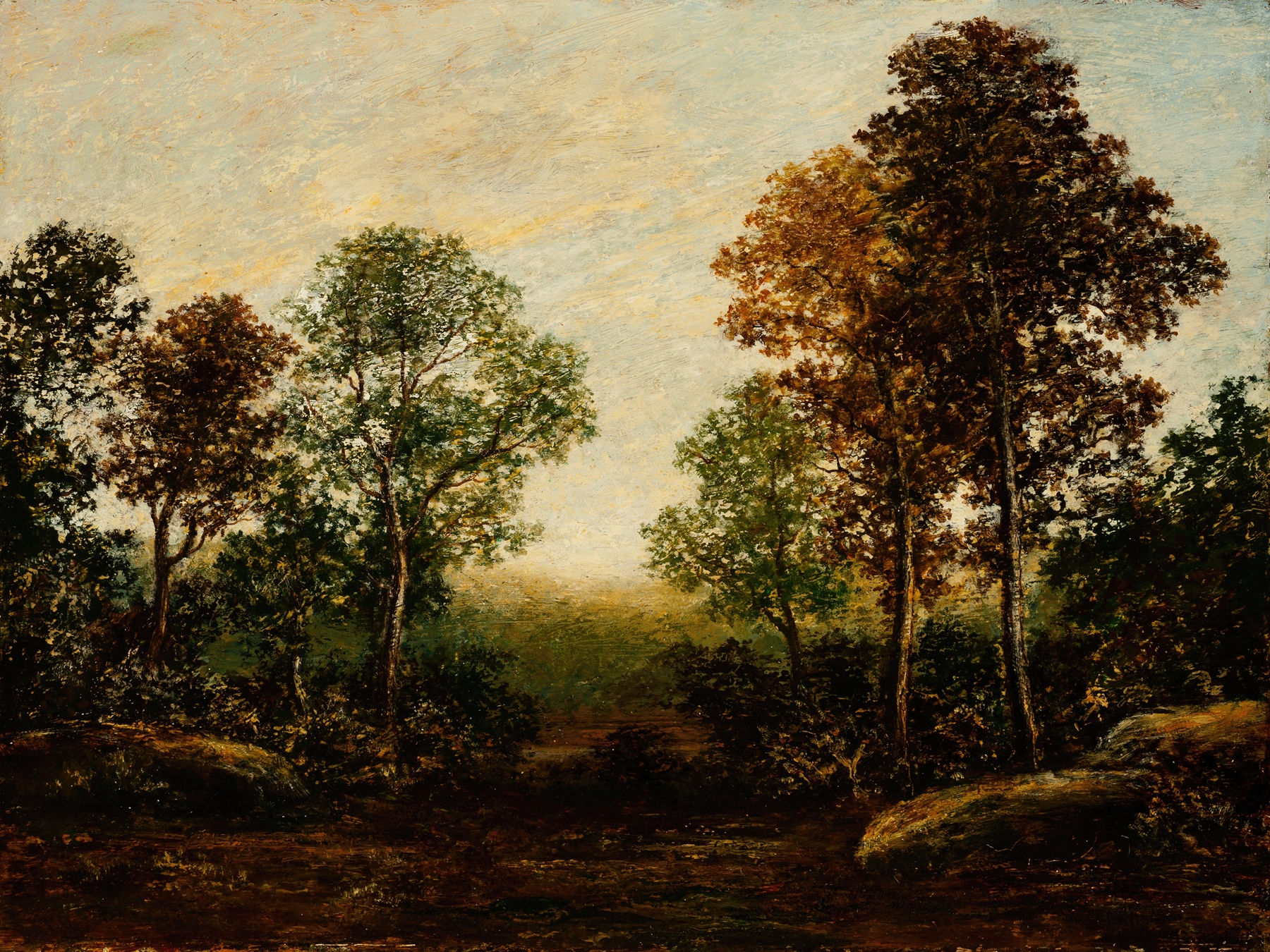
When did color learn to lie? In the soft embrace of morning light, the world reveals itself in layers both honest and deceptive, inviting us to question the essence of perception. Focus on the delicate hues that spill across the canvas, where warm golds and gentle blues converge. Notice how the light filters through the trees, each stroke meticulously crafted to evoke the ephemeral quality of dawn.
The tranquil scene is anchored by an open landscape, inviting our gaze to wander into the depths of nature, yet it feels like a moment suspended in time, a fleeting breath captured forever. The interplay between light and shadow creates a tension that speaks to the void—between reality and illusion, presence and absence. In the foreground, the vibrant colors pulse with life, while the background fades into a gentle ambiguity, suggesting a deeper emotional landscape.
The trees stand sentinel, their forms both familiar and mysterious, reflecting the complexity of our own perceptions and the stories we weave around them. Created in 1902, this piece emerged during a period of exploration for the artist, who had turned to painting as a means of expressing his inner turmoil and connection to nature. Blakelock was influenced by the American Romantic tradition and was striving to capture the transcendent beauty of the natural world, reflecting broader movements in art that sought to reconcile the individual experience with the complexities of existence.