Mrs. Henry Hill (Anna Barrett) — History & Analysis
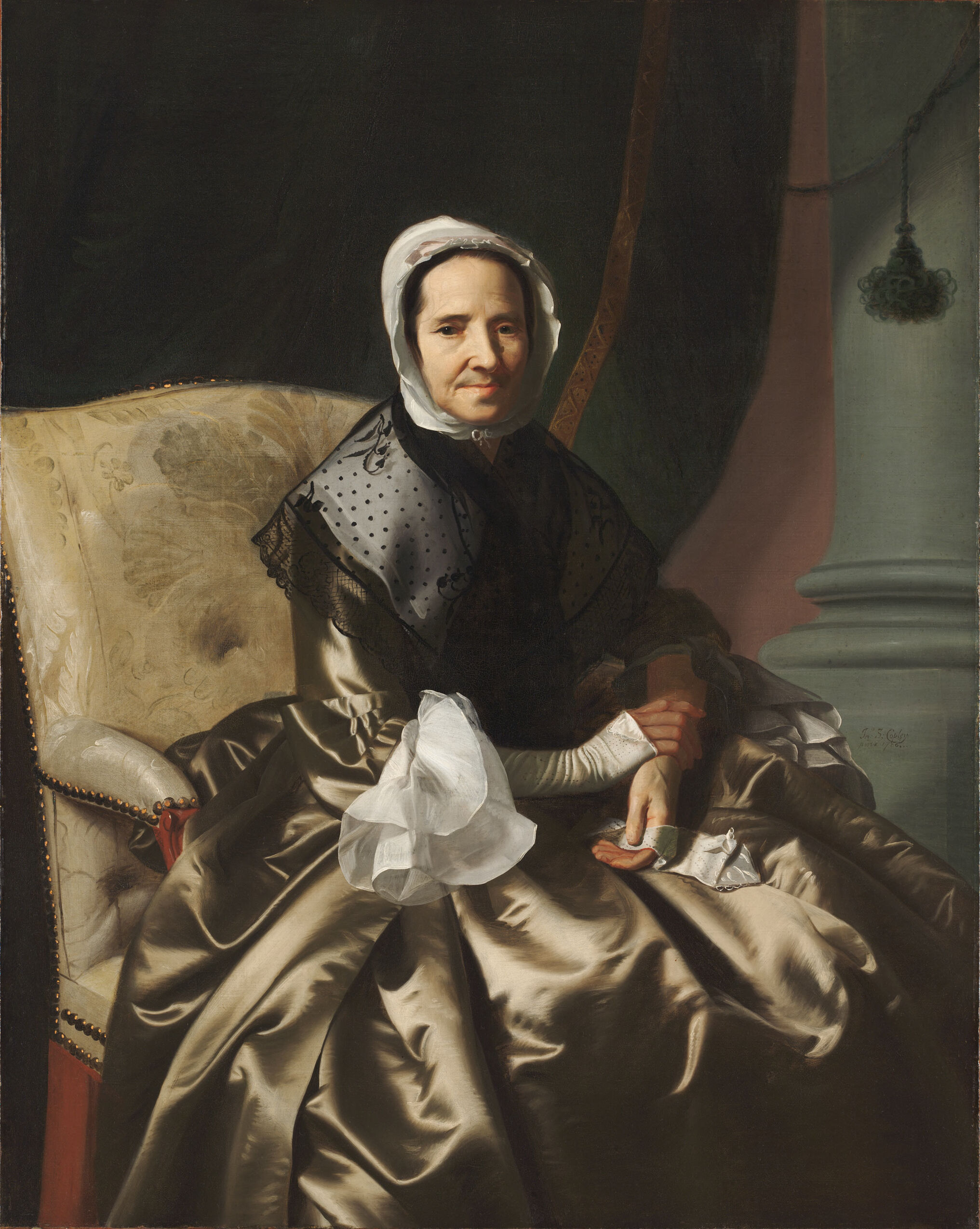
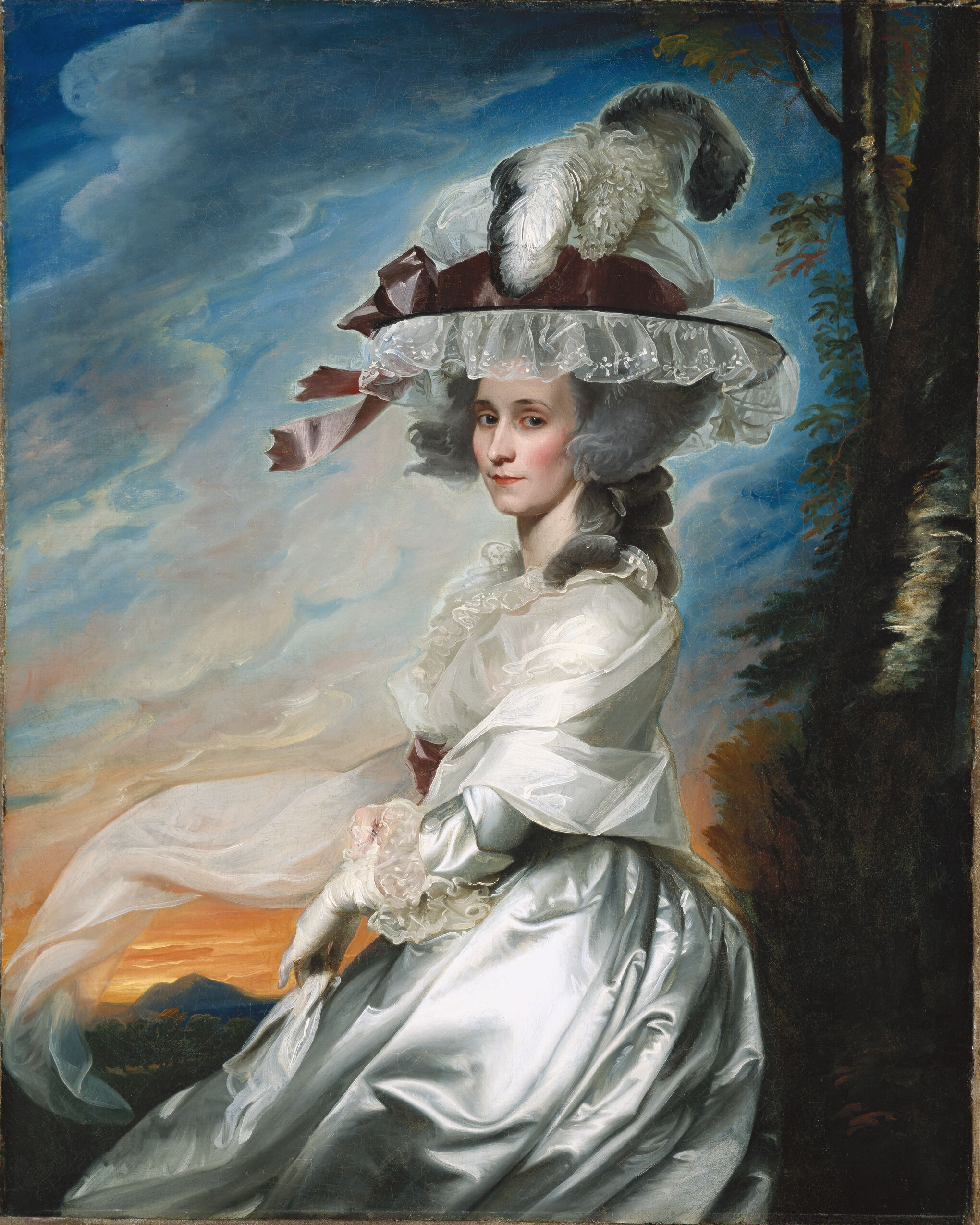
Did the painter know this moment would outlive them? In Mrs. Henry Hill (Anna Barrett), the subject emerges from the fabric of time, a poised figure embodying both grace and the weight of her world. Look to the left at the delicate folds of her gown, cascading elegantly to the floor. The intricate play of light on the richly textured fabric reveals Copley’s masterful brushwork, inviting your gaze to trace the contours of her silhouette.
Notice how the soft glow illuminates her serene expression, drawing attention to her gentle smile and thoughtful eyes, which seem to speak of unvoiced aspirations and hidden depths. The muted palette, punctuated by the vibrant hues of her attire, evokes a sense of both realism and idealism—an intersection of the mundane and the extraordinary. Beneath the surface lies a tension between tradition and change, encapsulated in her poised demeanor against the backdrop of a burgeoning America. The delicate balance of her body language suggests both confidence and constraint, reflecting the societal expectations of women in the 18th century, while her gaze hints at an awakening to the possibilities of independence.
The subtle inclusion of a landscape through the window reveals an expansive world beyond her domestic sphere, inviting contemplation of the life and choices that lie ahead. Copley painted this portrait around 1765–70 while residing in Boston, a time when America was on the brink of revolutionary change. As an artist, he was at the forefront of American portraiture, gaining acclaim for his lifelike depictions and emotional depth. This work not only exemplifies his technical prowess but also captures the complexities of a society in flux, reflecting both personal and cultural narratives that would resonate far beyond his own lifetime.