New England Birches — History & Analysis
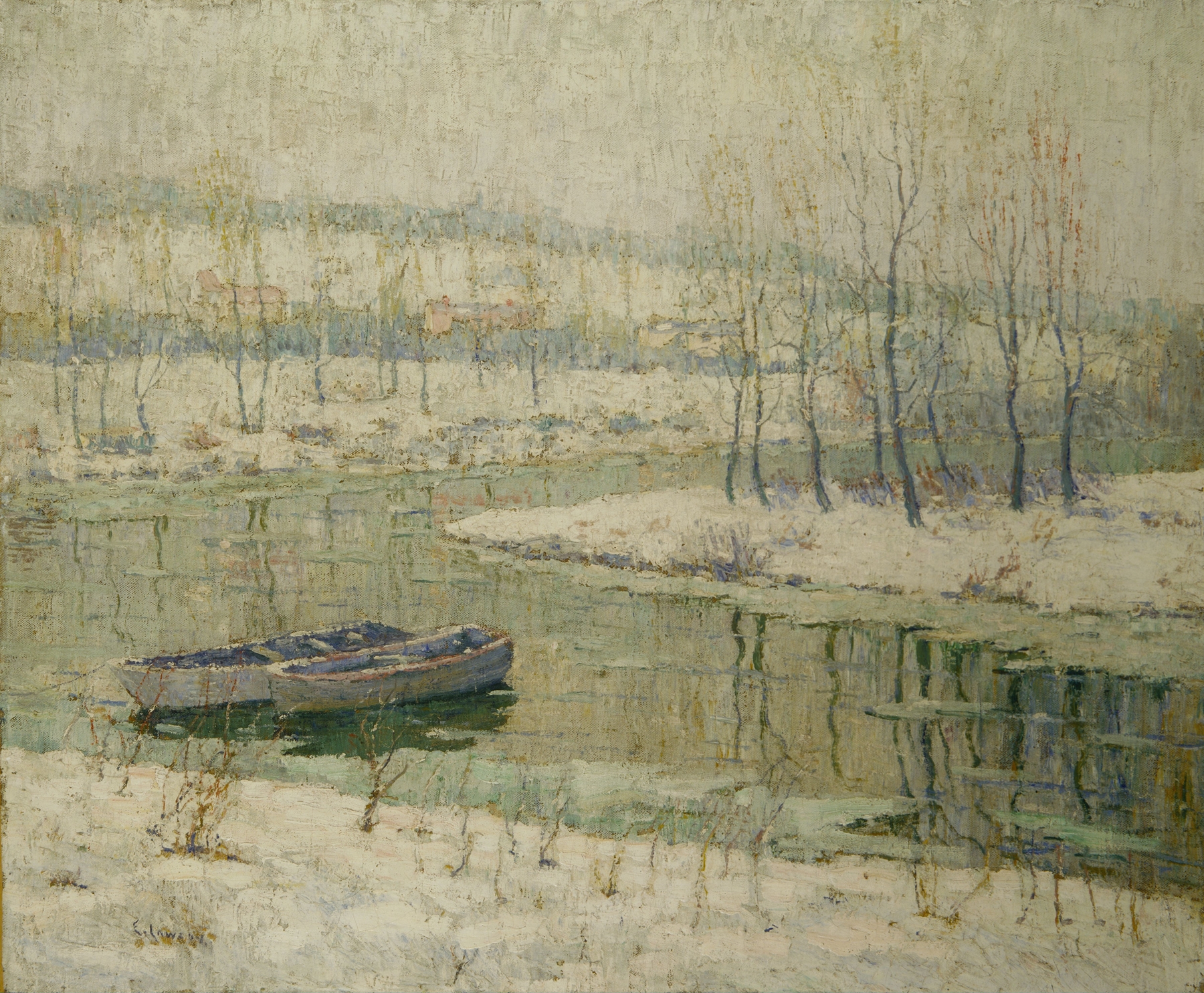
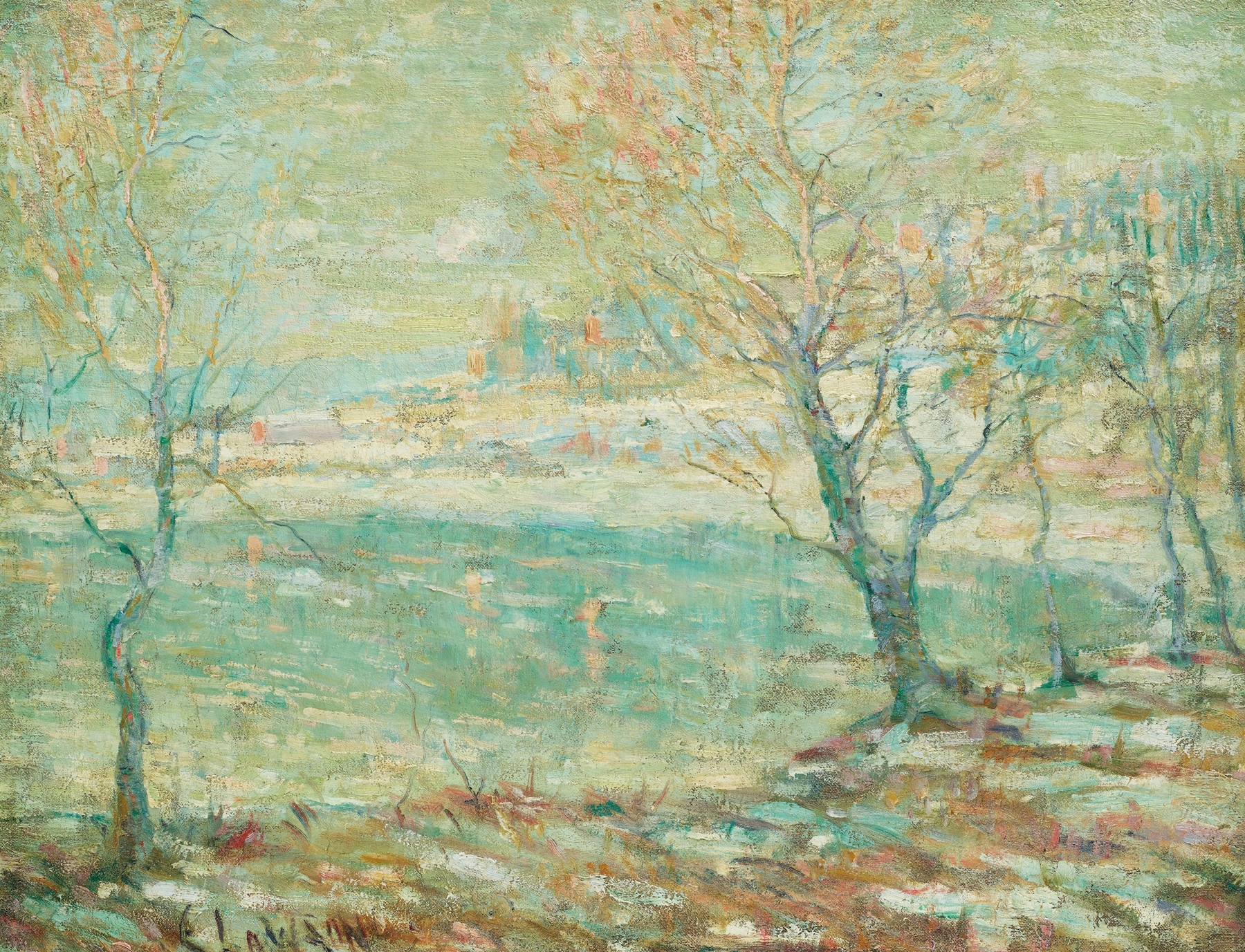
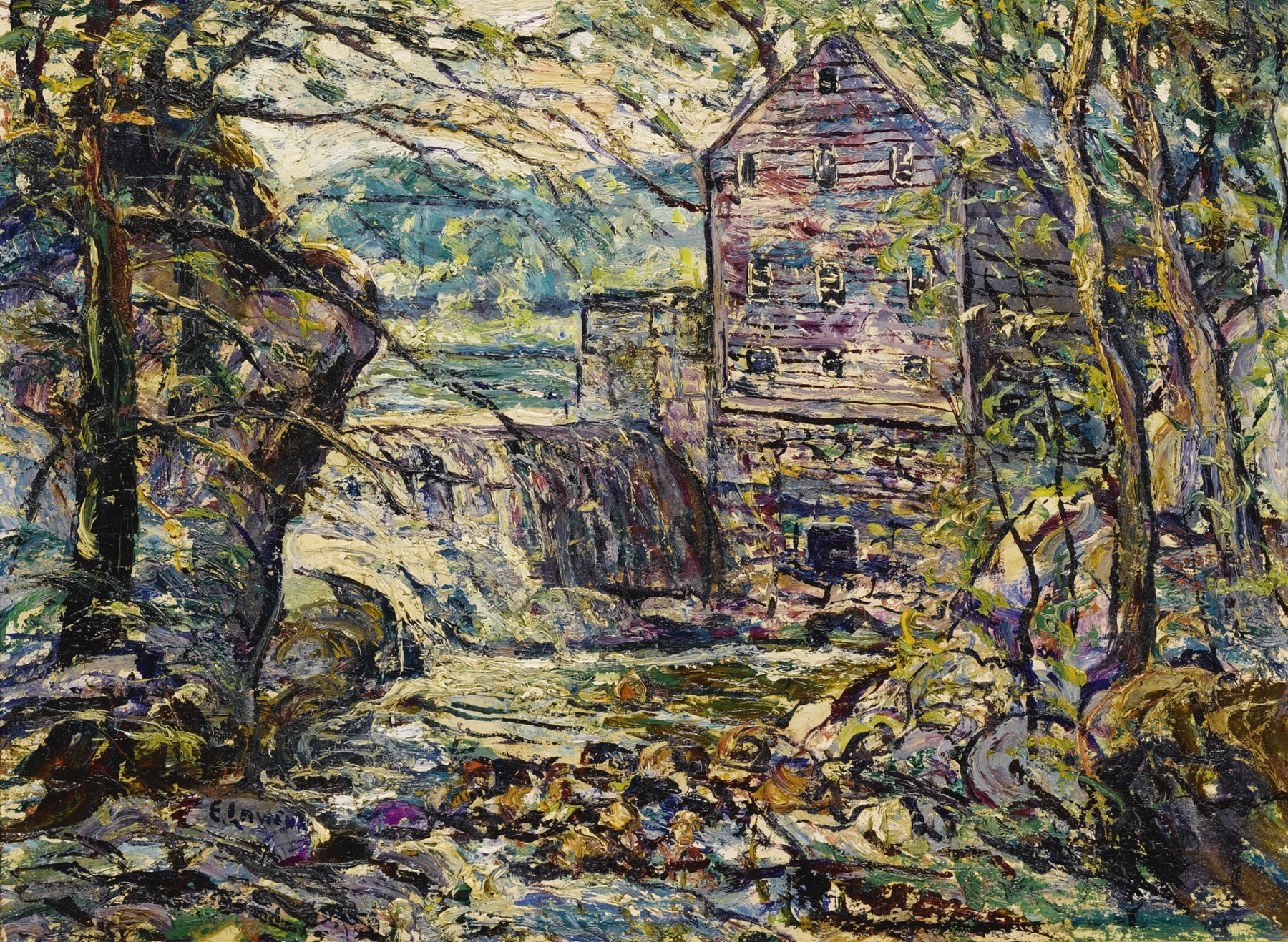
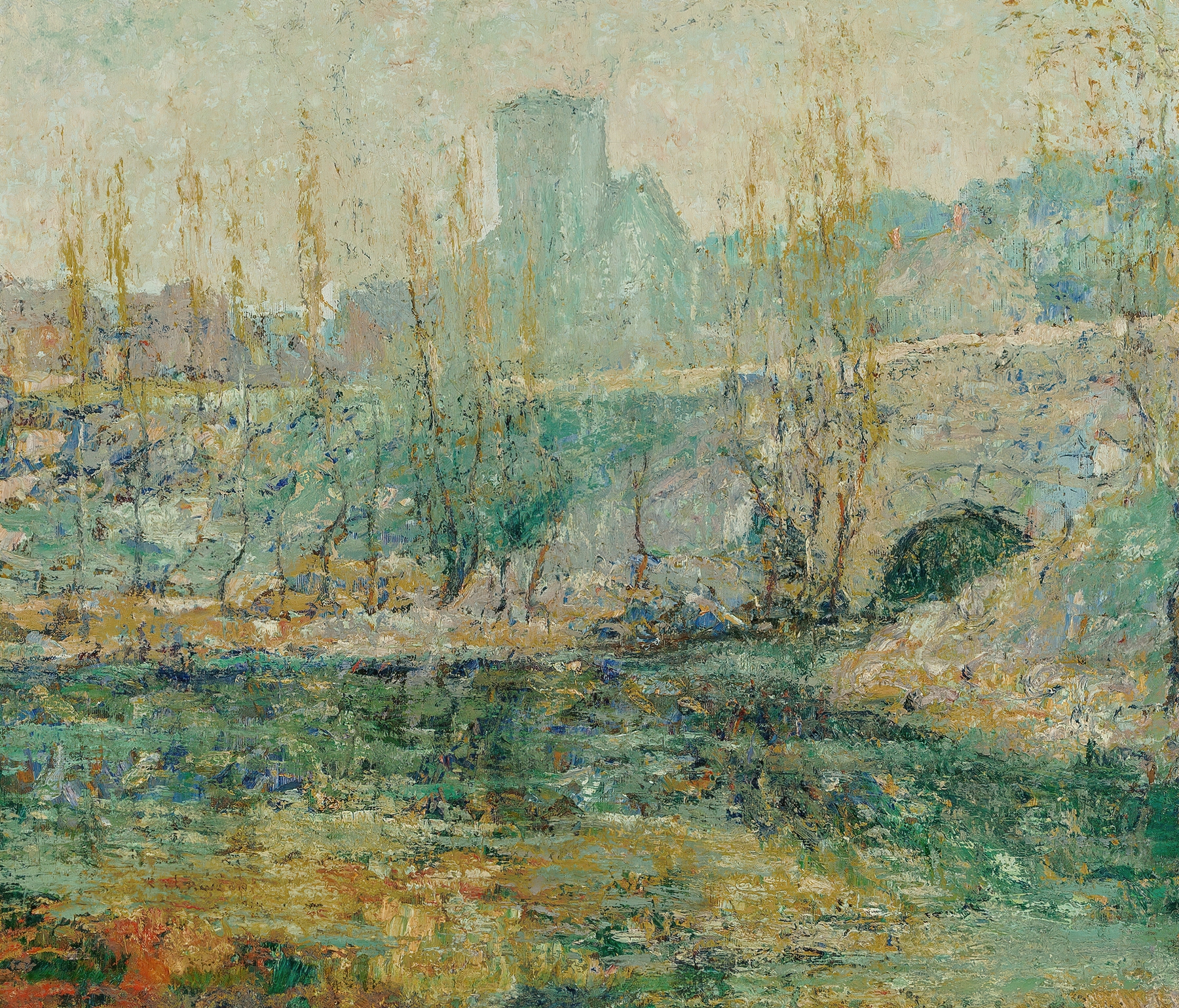
“Art reveals the soul when the world turns away.” In this stillness lies the unspoken violence of nature, a reminder of life's unfolding chaos beneath a serene façade. Look to the left at the bold strokes of green that dance among the birch trunks, where vibrant foliage suggests both life and the tumult of unseen storms. Focus on the way the sunlight seems to flicker, dappling the ground and offering a flickering rhythm that contrasts with the tranquility of the birches. Notice how Lawson’s brushwork captures texture—each leaf, each bark detail, pulsates with energy, both inviting and ominous.
Beneath this picturesque landscape, an undercurrent stirs—an emotional tension between beauty and the violent forces of nature. The interplay of light and shadow hints at impending change, as if the birches themselves are witnesses to unseen conflicts. The vibrant colors evoke a sense of longing, while the stark white of the birches stands sentinel, caught between serenity and the rawness of existence. It invites contemplation of both the external and internal battles we face.
Lawson painted this work during a time when American art was evolving, blending Impressionism with a focus on natural themes. Created in the early 20th century, he sought to capture the essence of New England landscapes, reflecting a world that was rapidly industrializing. This was an era ripe with change, and through his work, he highlighted the quiet yet violent struggles of nature, mirroring the tumult of societal transformation surrounding him.