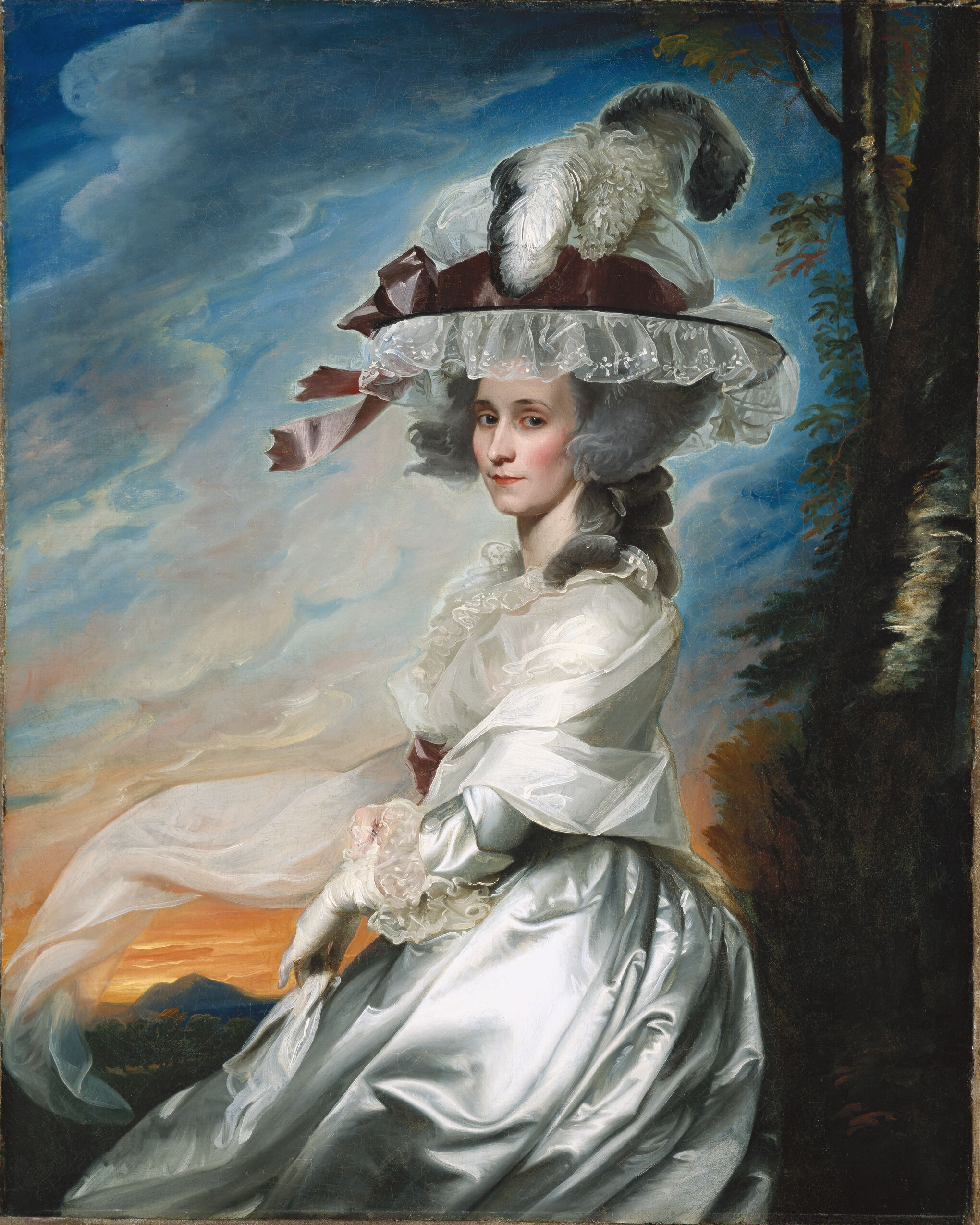
Nicholas Boylston (1716-1771) — History & Analysis
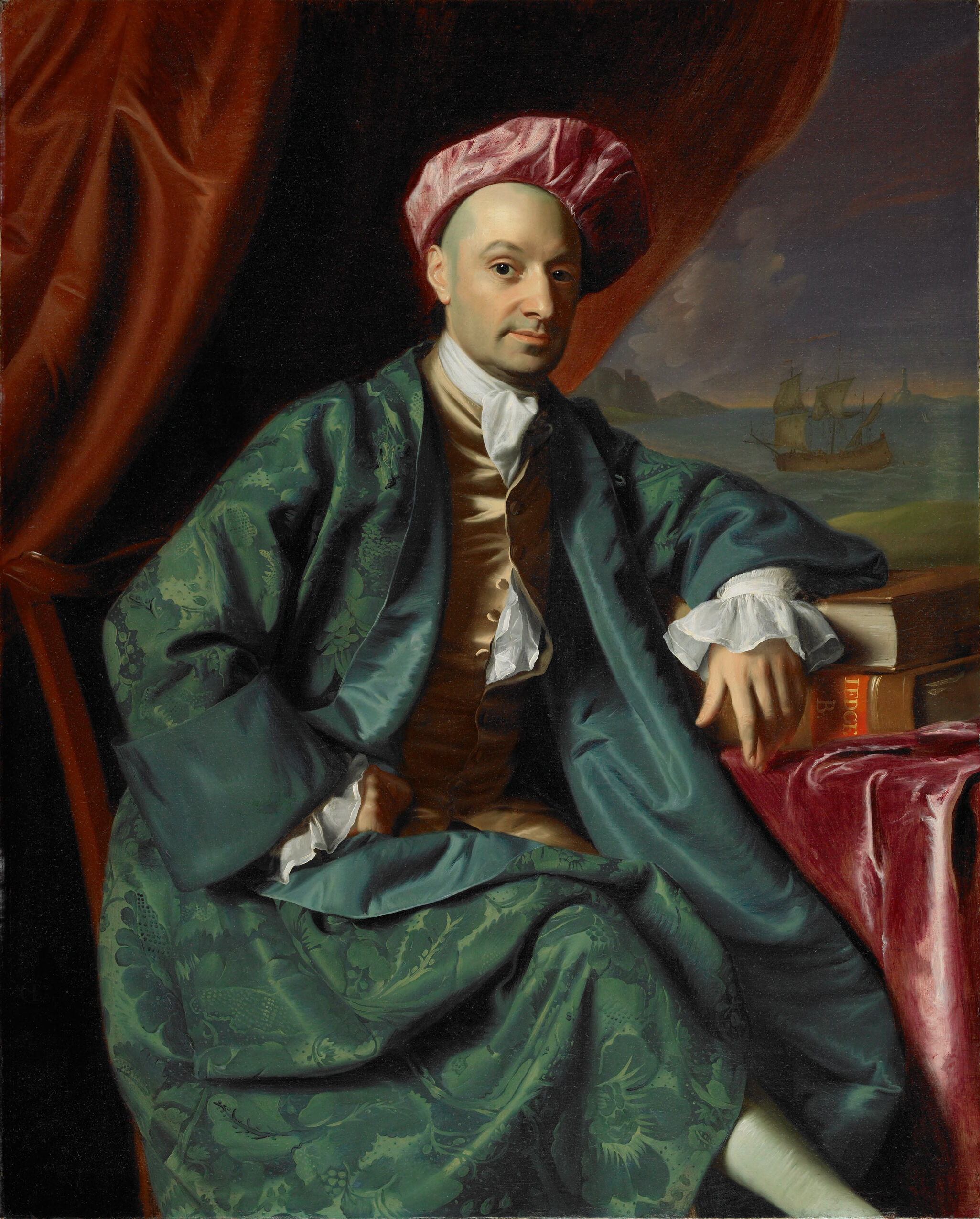
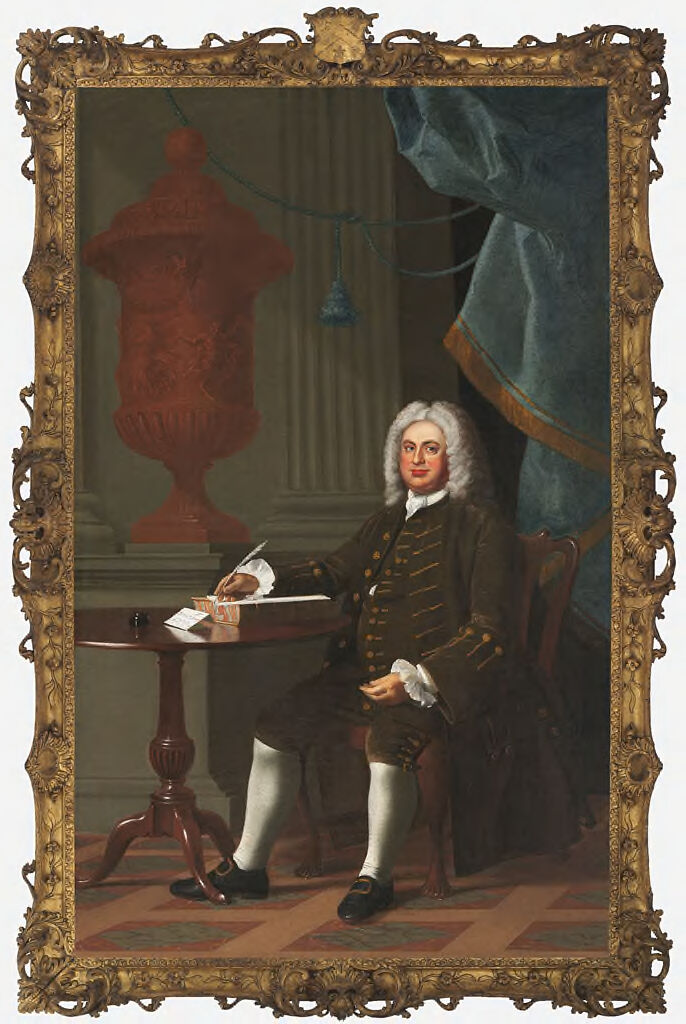
Can beauty exist without sorrow? In Nicholas Boylston, Copley captures a moment where elegance intertwines with an undercurrent of contemplation, evoking a profound sense of awe. Look to the left where Boylston stands, his posture relaxed yet dignified, clad in a tasteful dark coat that hints at his status. Notice how the light gracefully illuminates his face, casting soft shadows that contour his features, revealing a depth of character.
The artist’s meticulous brushwork gives life to the textures of his garments, inviting a tactile response, while the muted palette suggests both vibrancy and restraint. The interplay of light and shadow creates an emotional tension, as Boylston's serene expression belies the complexities of his inner life. Is he pensive, reflecting on the weight of his societal duties, or absorbed in the beauty of the present moment? This duality resonates, reminding viewers of the fine line between public persona and private emotion.
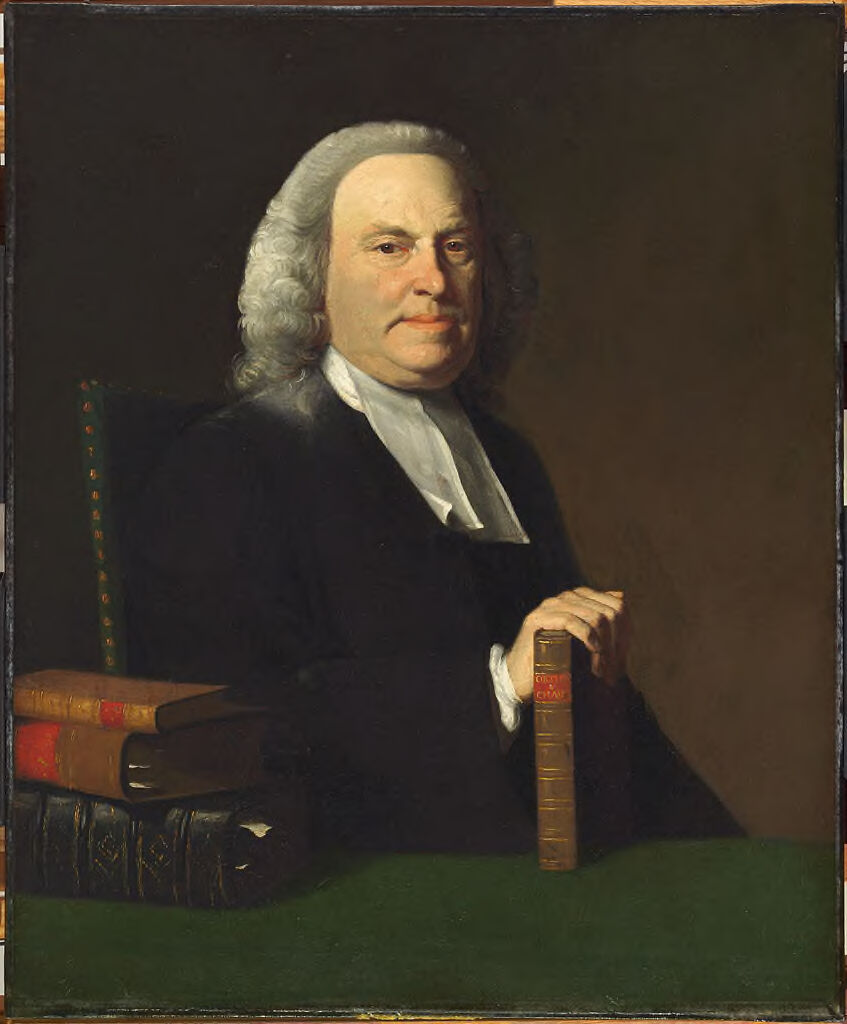
The elegant drapery of fabric and the carefully chosen props, such as the book he holds, symbolize knowledge and the quest for understanding within the constraints of his world. John Singleton Copley painted this portrait in 1773, during a transformative period in American art as colonial identity began to take shape. Residing in Boston, Copley was immersed in a society grappling with burgeoning independence and the complexities of class and culture. This work not only reflects the artist’s technical prowess but also his keen insight into human nature, capturing a moment that resonates well beyond its time.