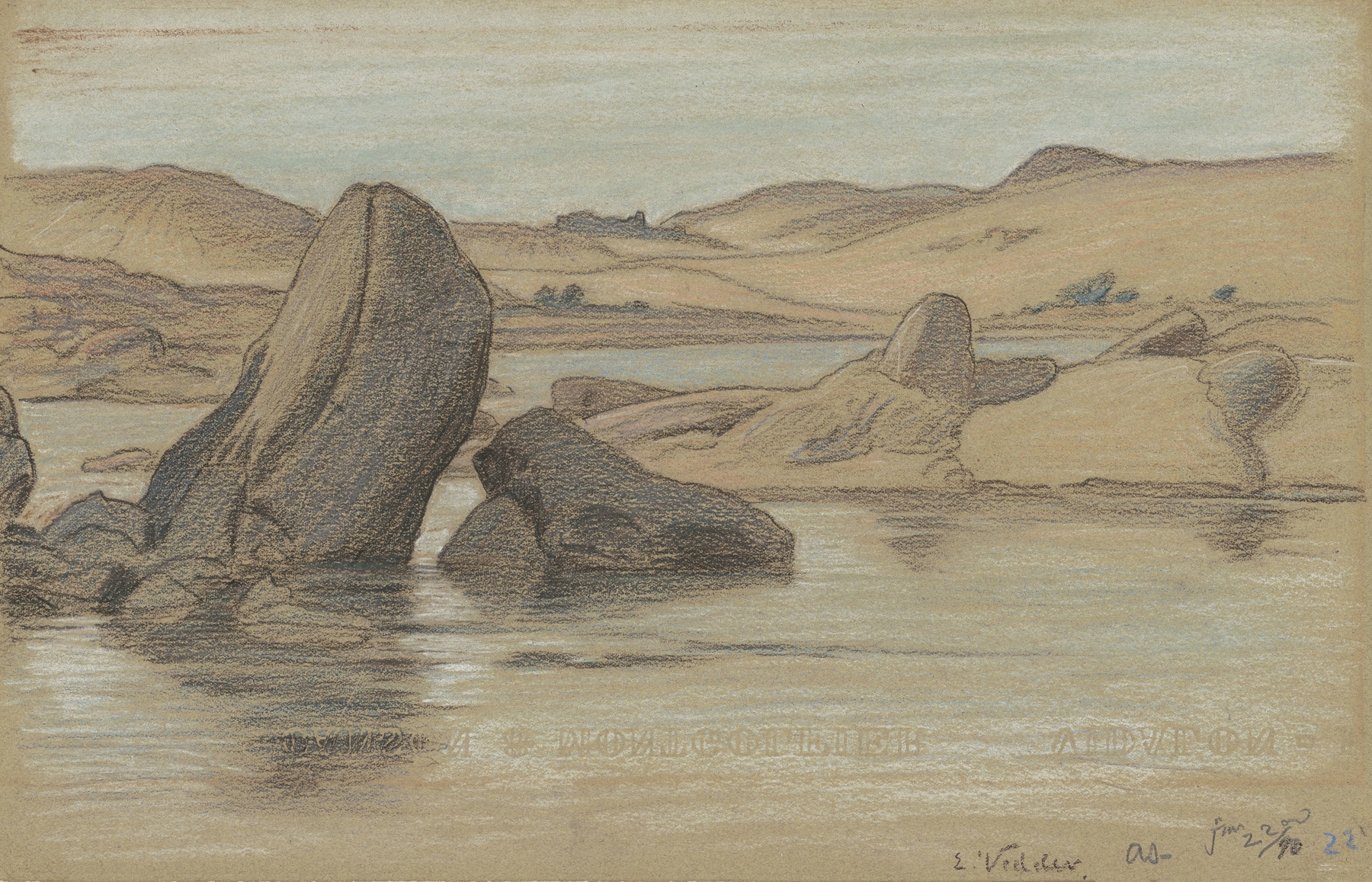
Nile Journey,No. 15 — History & Analysis
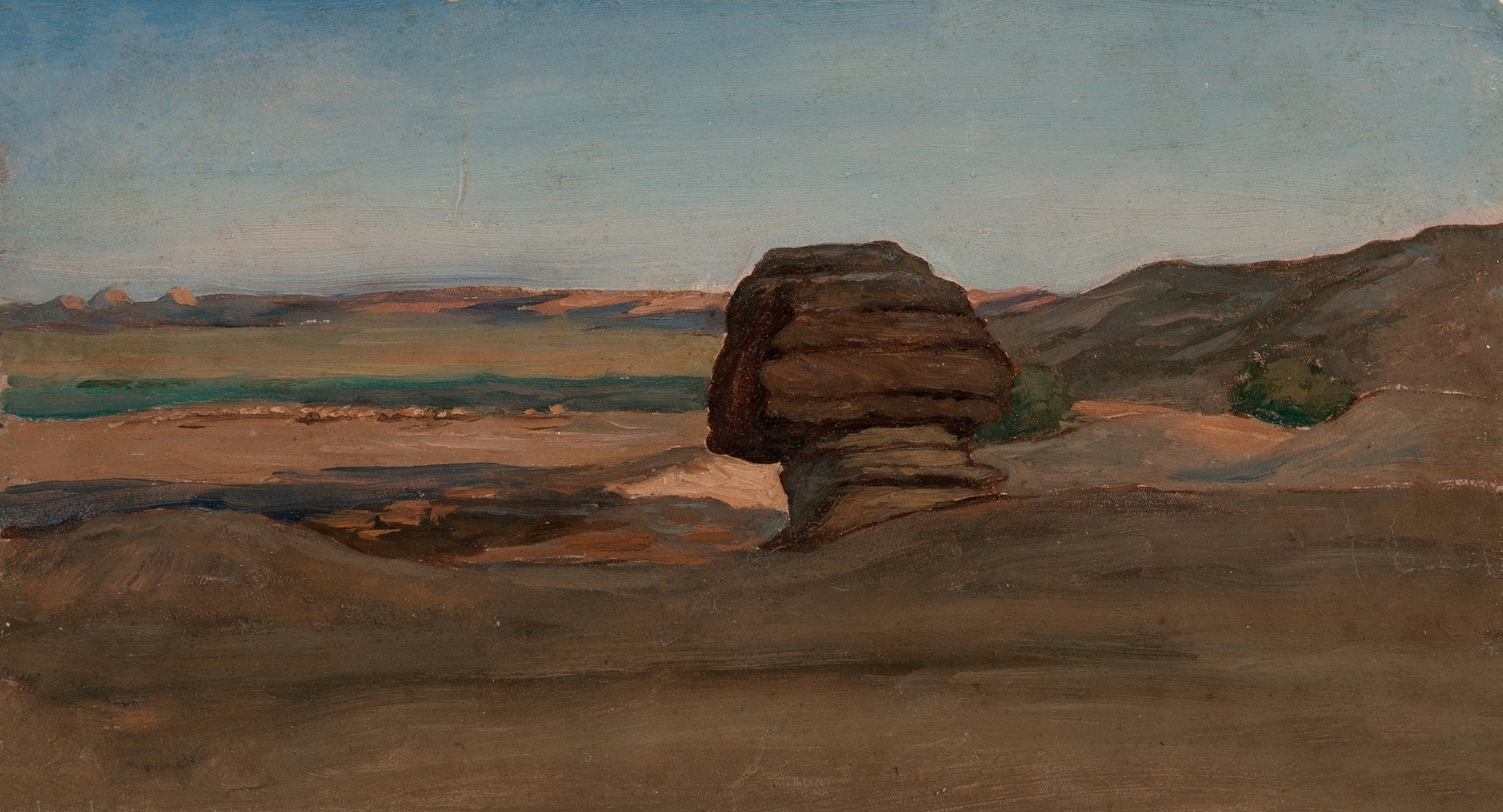
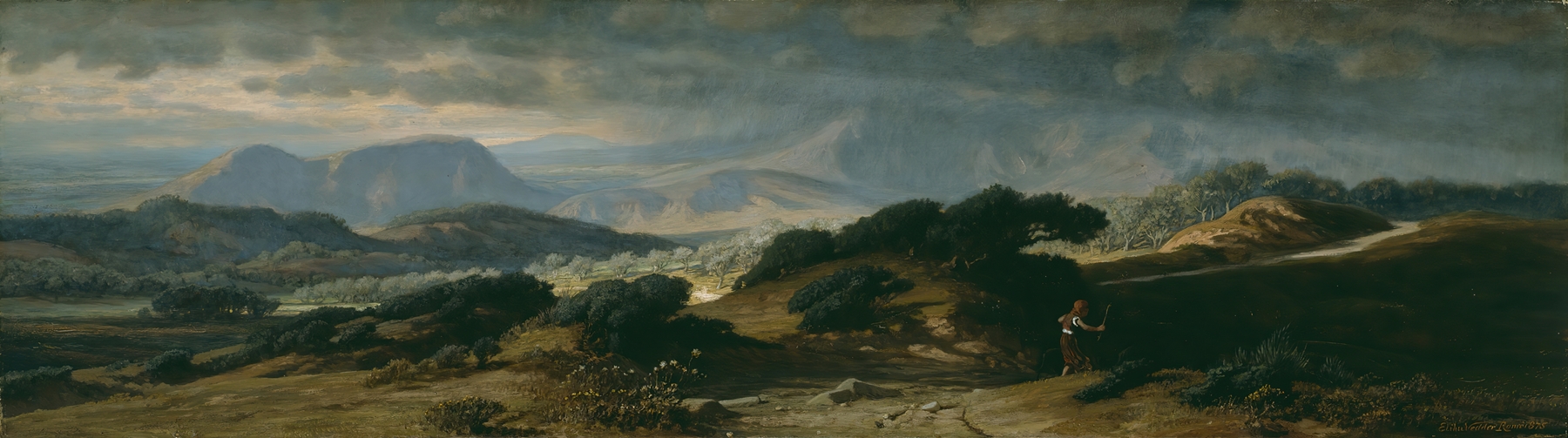
“Every silence here is a confession.” In a world filled with noise, the serenity of unspoken moments can reveal profound truths. Look to the center of the composition, where a tranquil river glides silently beneath a vast sky, enveloping the viewer in its calm embrace. The gentle hues of blues and greens create a soothing contrast with the warm earth tones of the surrounding landscape, inviting an exploration of the rich textures and flowing forms. Notice how the light dances upon the water’s surface, reflecting not just the environment, but also the quiet introspection that the journey evokes.
Delve deeper into the details, where the silhouettes of distant hills stand as silent witnesses to the passage of time. Each brushstroke conveys a sense of stillness, hinting at the narratives of those who have traversed this serene landscape. The interplay between the expansive sky and the grounded earth creates a balance, suggesting that inner peace can be found in the most uncertain travels. The viewer is left to contemplate their own journey amid the intricate layers of emotion embedded in the scene.
In the late 19th century, Elihu Vedder painted Nile Journey, No. 15 while living in Rome, immersed in a period marked by an exploration of symbolism and the spiritual. During this time, Vedder, inspired by the landscapes of Egypt, sought to capture the essence of life’s journey, drawing from both personal experiences and broader artistic movements. This work reflects his ongoing quest for deeper meaning, as he navigated the realms of art and spirituality in an evolving world.