Off Greenland—Whaler Seeking Open Water — History & Analysis
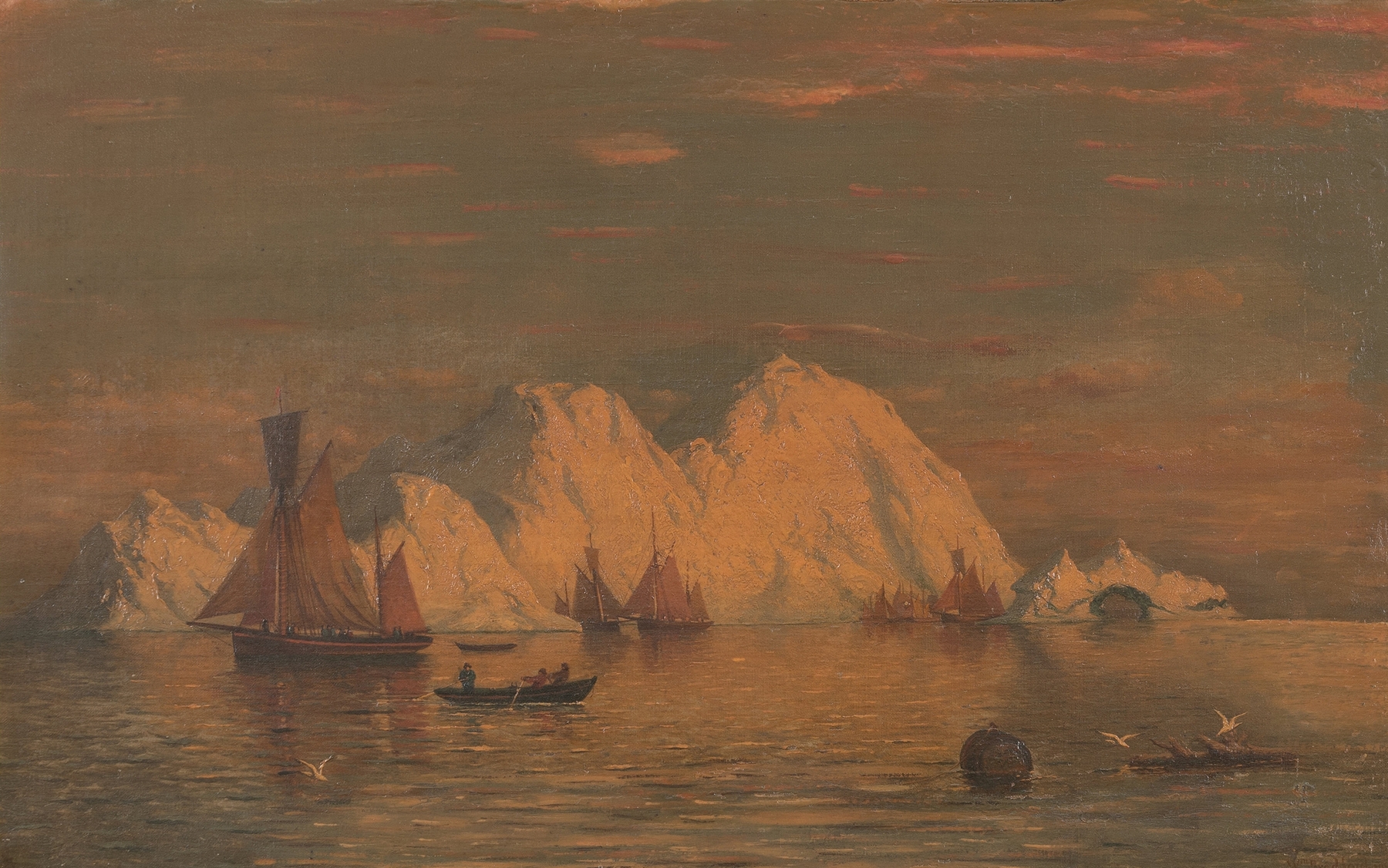
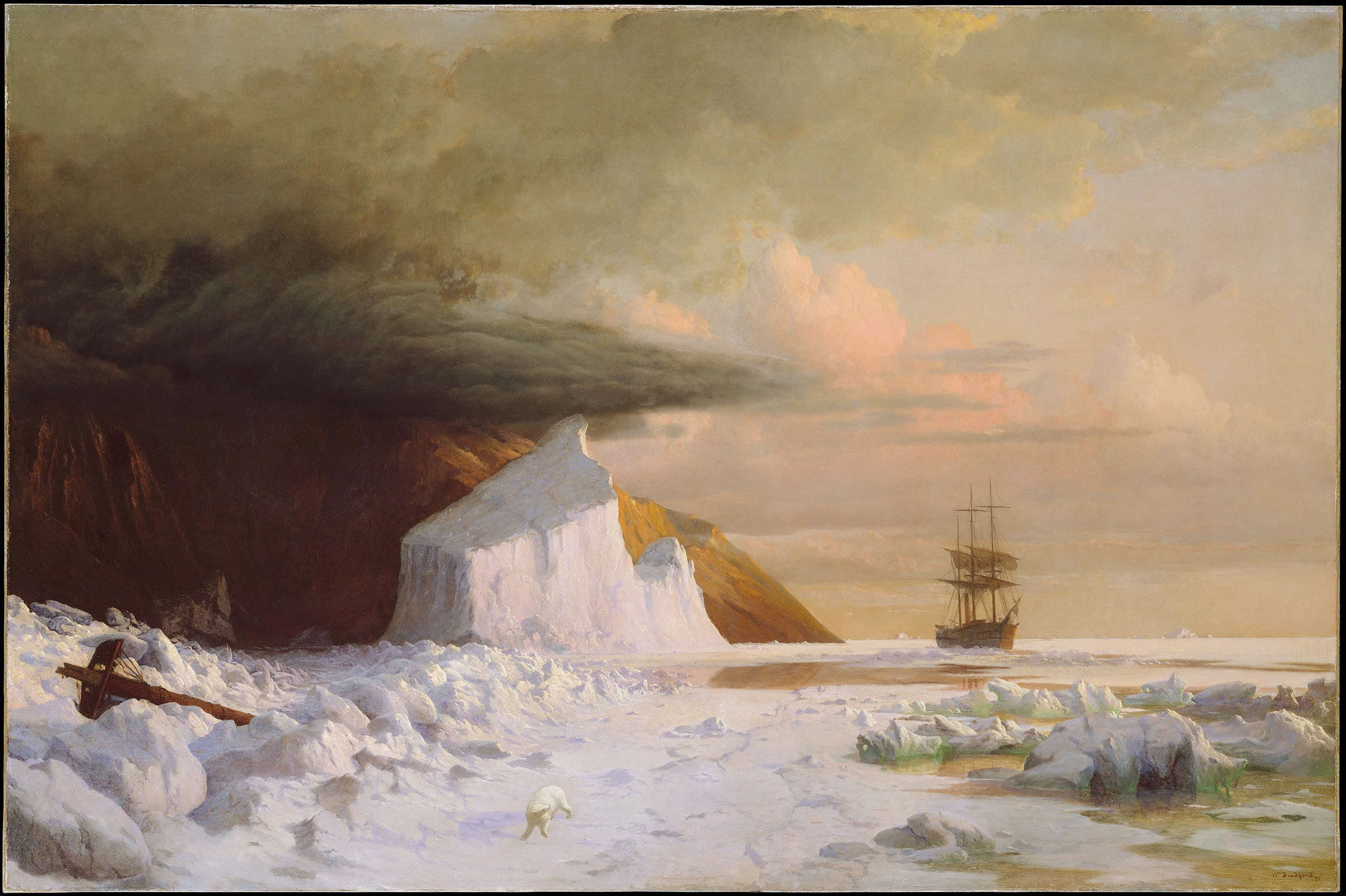
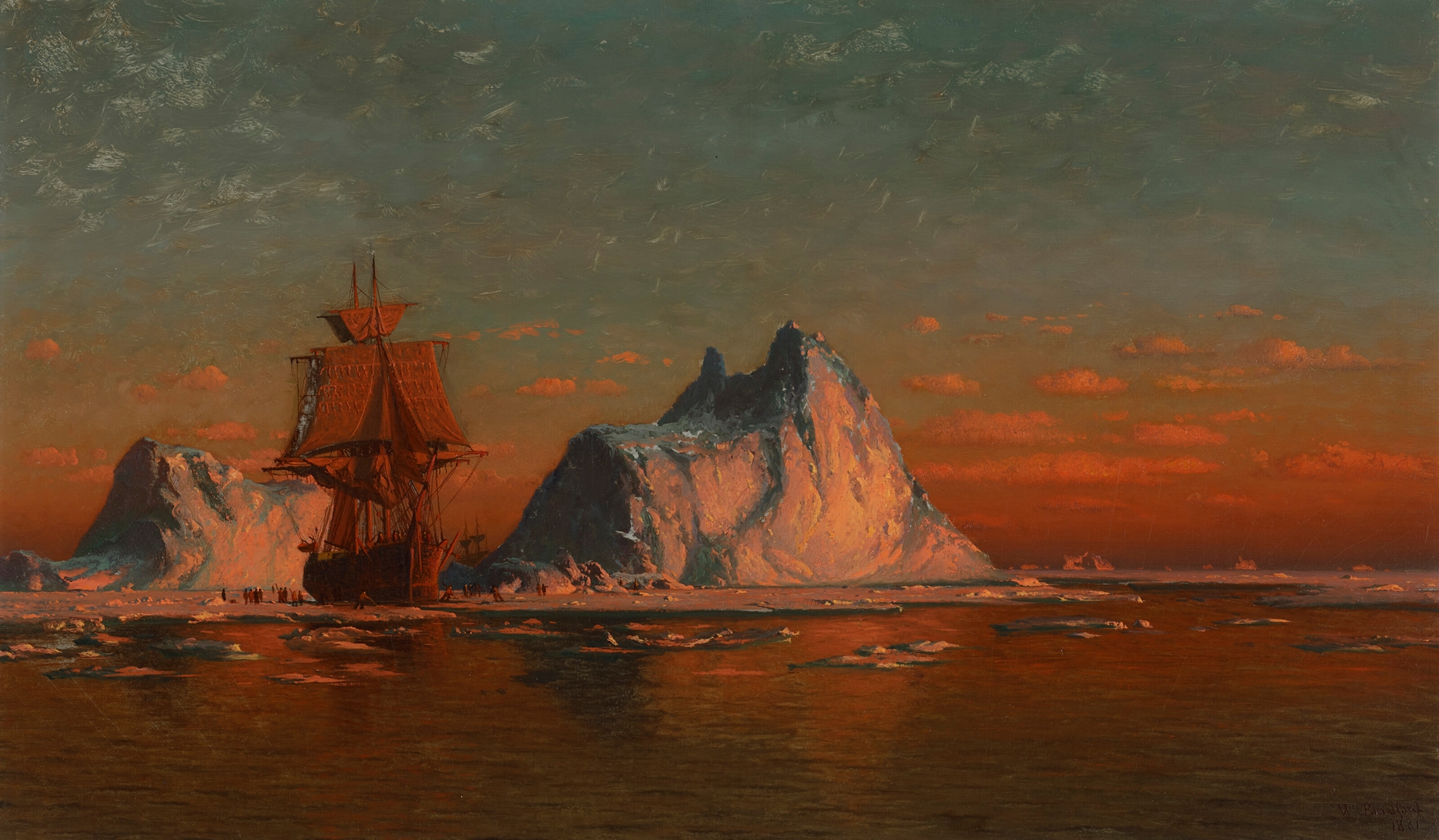
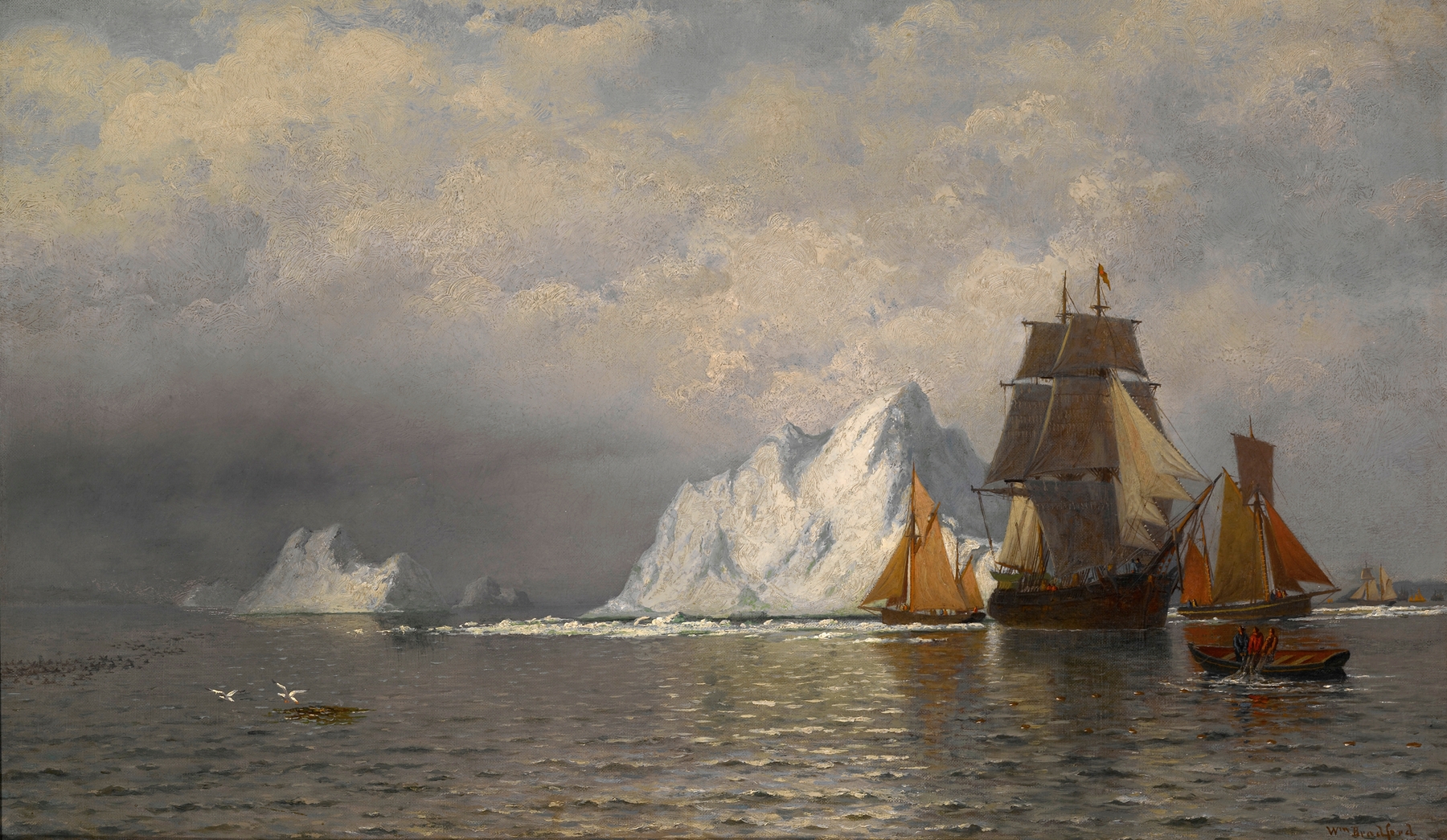
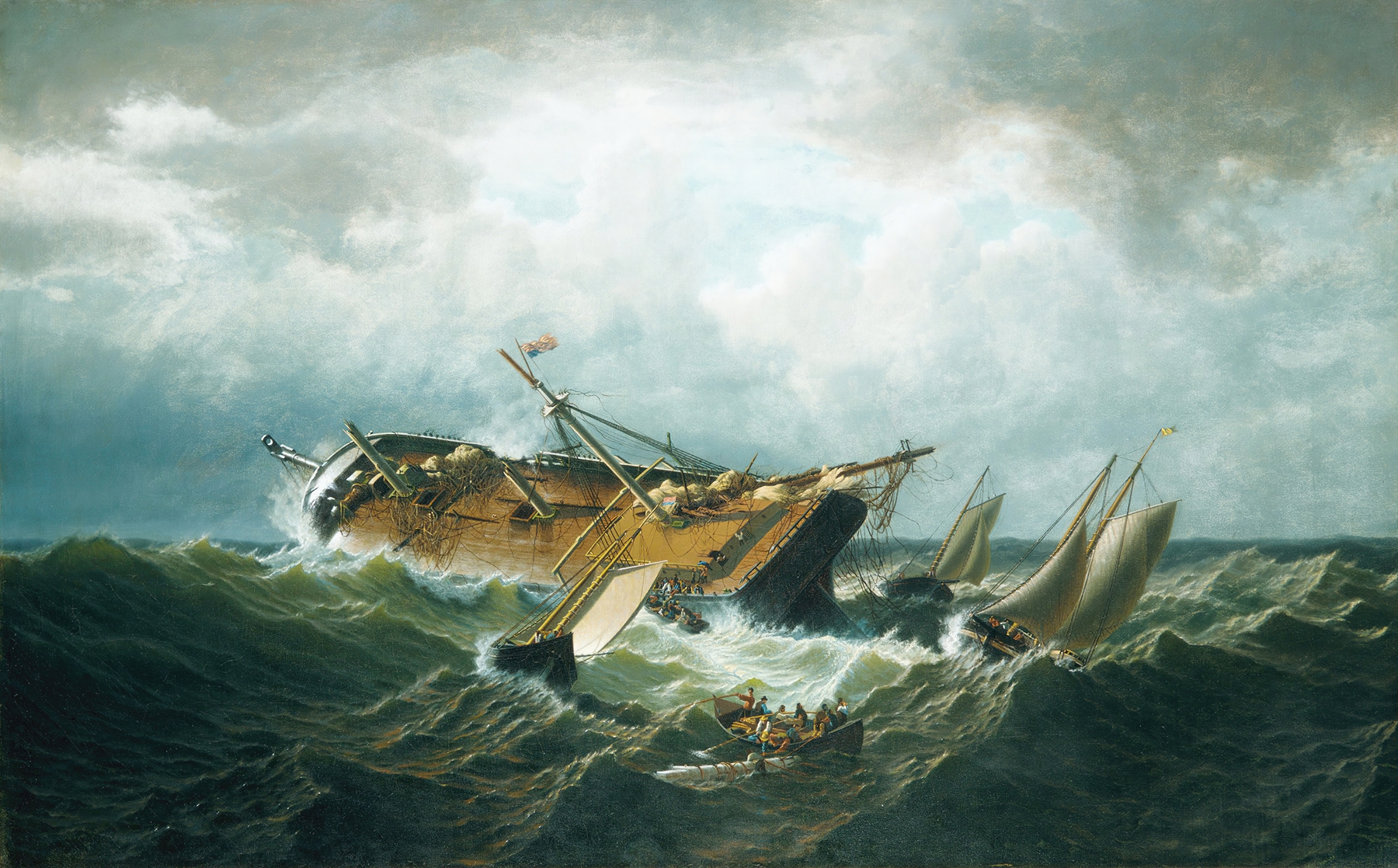
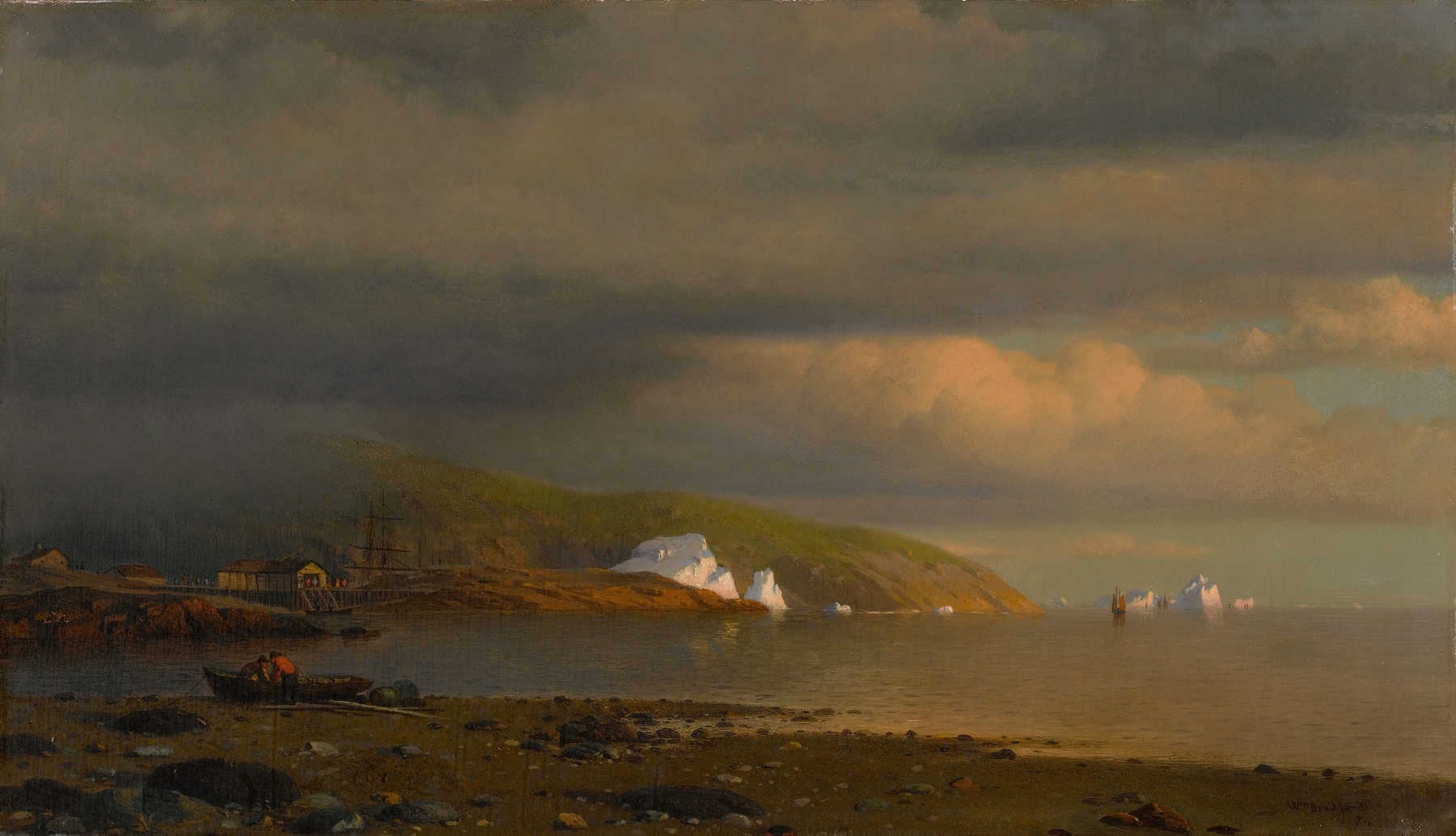
Did the painter know this moment would outlive them? In Off Greenland—Whaler Seeking Open Water, the hues of the Arctic sky blend in a breathtaking embrace with the icy sea, a testament to nature's unyielding beauty. Look to the center where the whaling ship, a steadfast silhouette, cuts through the serene, yet ominous waters. Notice how the cool blues dominate the canvas, contrasting sharply with the warm golden tones that illuminate the sky, suggesting both the promise of dawn and the peril of the voyage.
Bradford’s technique, with its delicate brushwork, captures the rippling waves and the gradual gradation of light, evoking the vastness and isolation of the Arctic realm. The emotional tension between man and nature is palpable. The ship's solitary presence amidst the overwhelming expanse underscores humanity's struggle against an indifferent universe. The shimmering light that dances on the water not only emphasizes the beauty that surrounds the whalers but also hints at the dangers lurking beneath, as life teeters on the brink of adventure and risk.
Each stroke seems to whisper stories of bravery and hubris, reminding us of the fleeting nature of triumph. William Bradford created this piece during a period marked by a fascination with Arctic exploration and whaling, likely in the late 19th century. It reflects his deep appreciation for the landscapes he encountered on his voyages. As a member of the Hudson River School, Bradford was influenced by the Romantic movement, which celebrated the grandeur of nature, even as it remained aware of the human cost involved in taming it.