On the Conway River, North Wales — History & Analysis
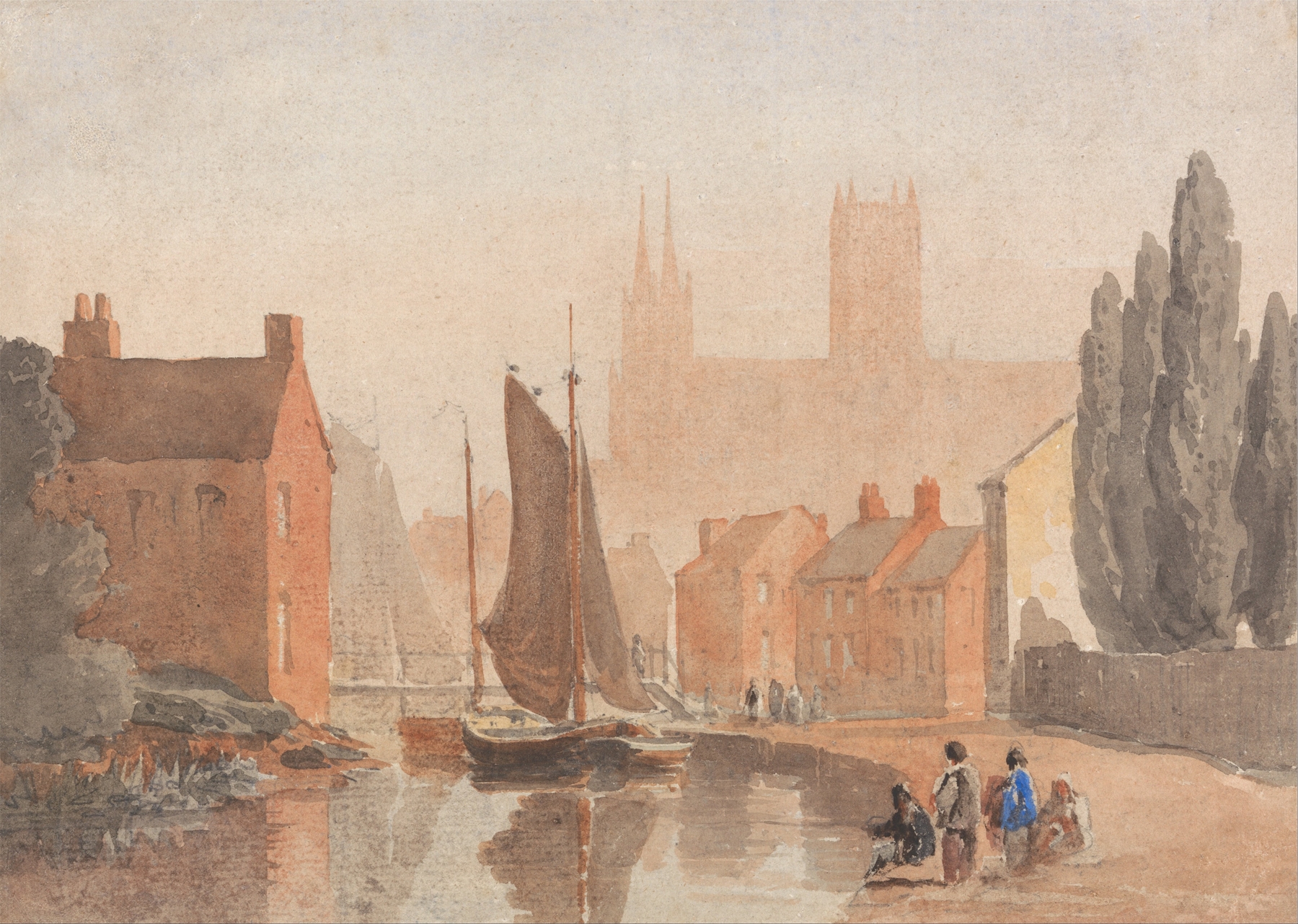
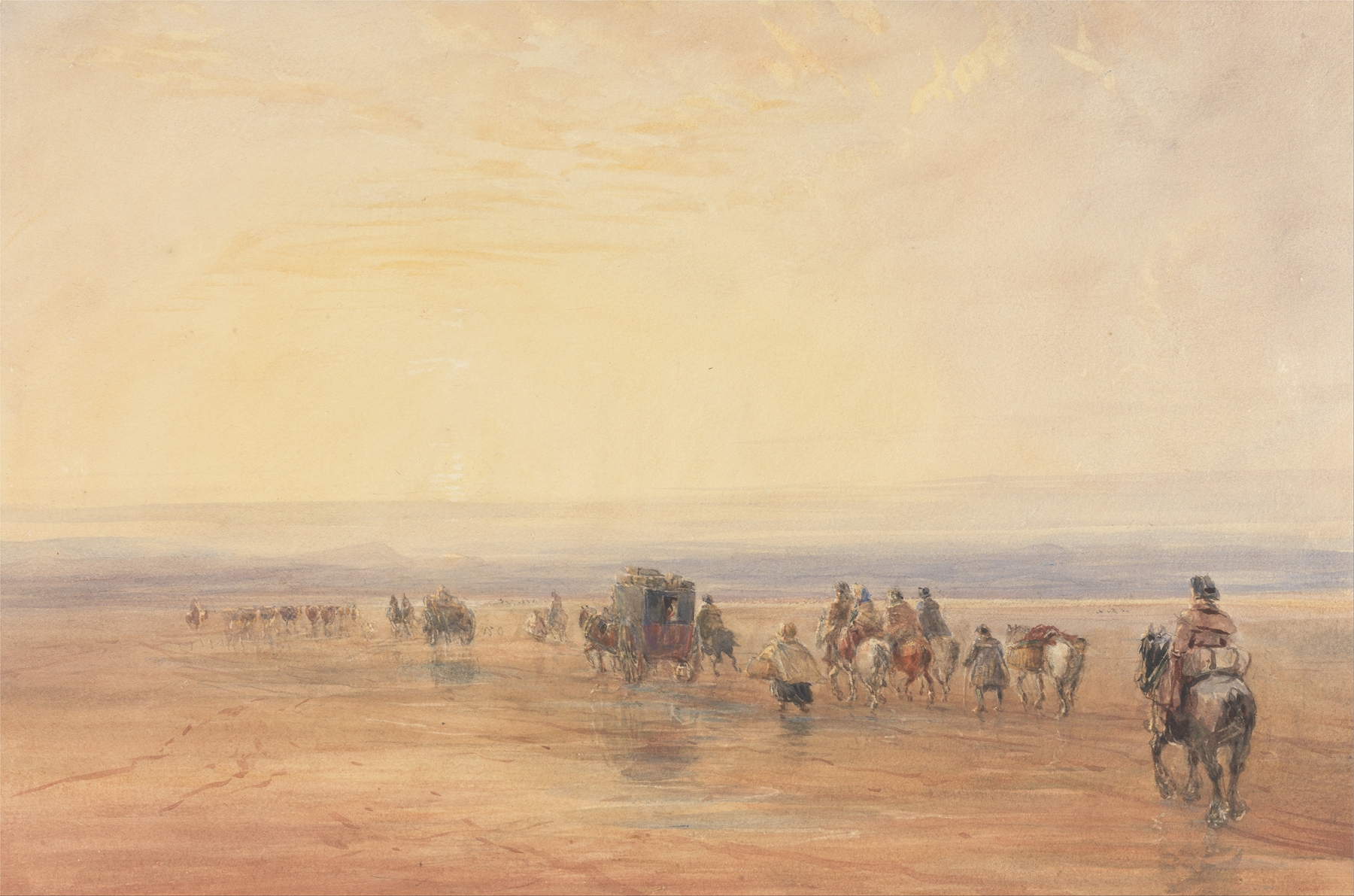
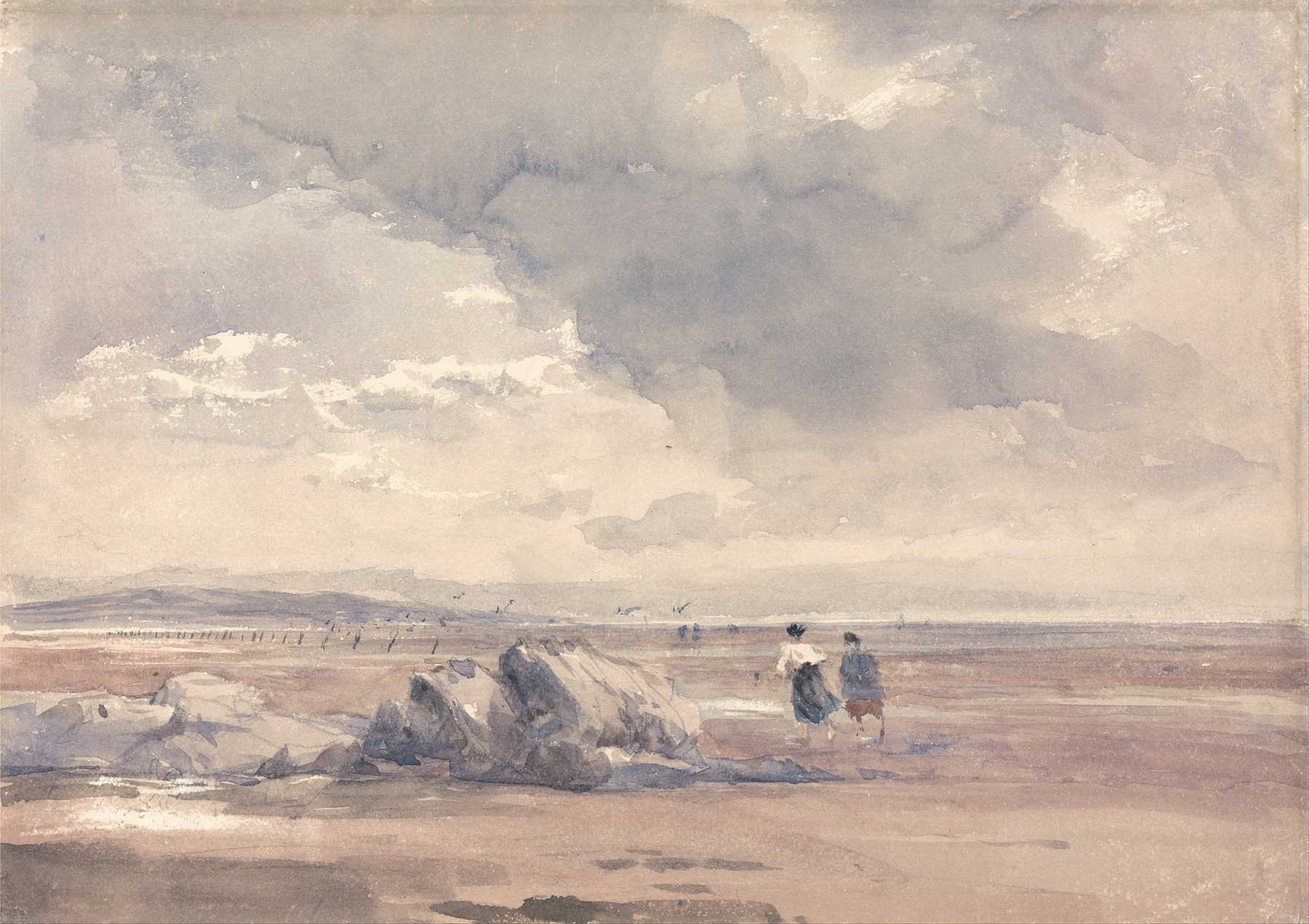
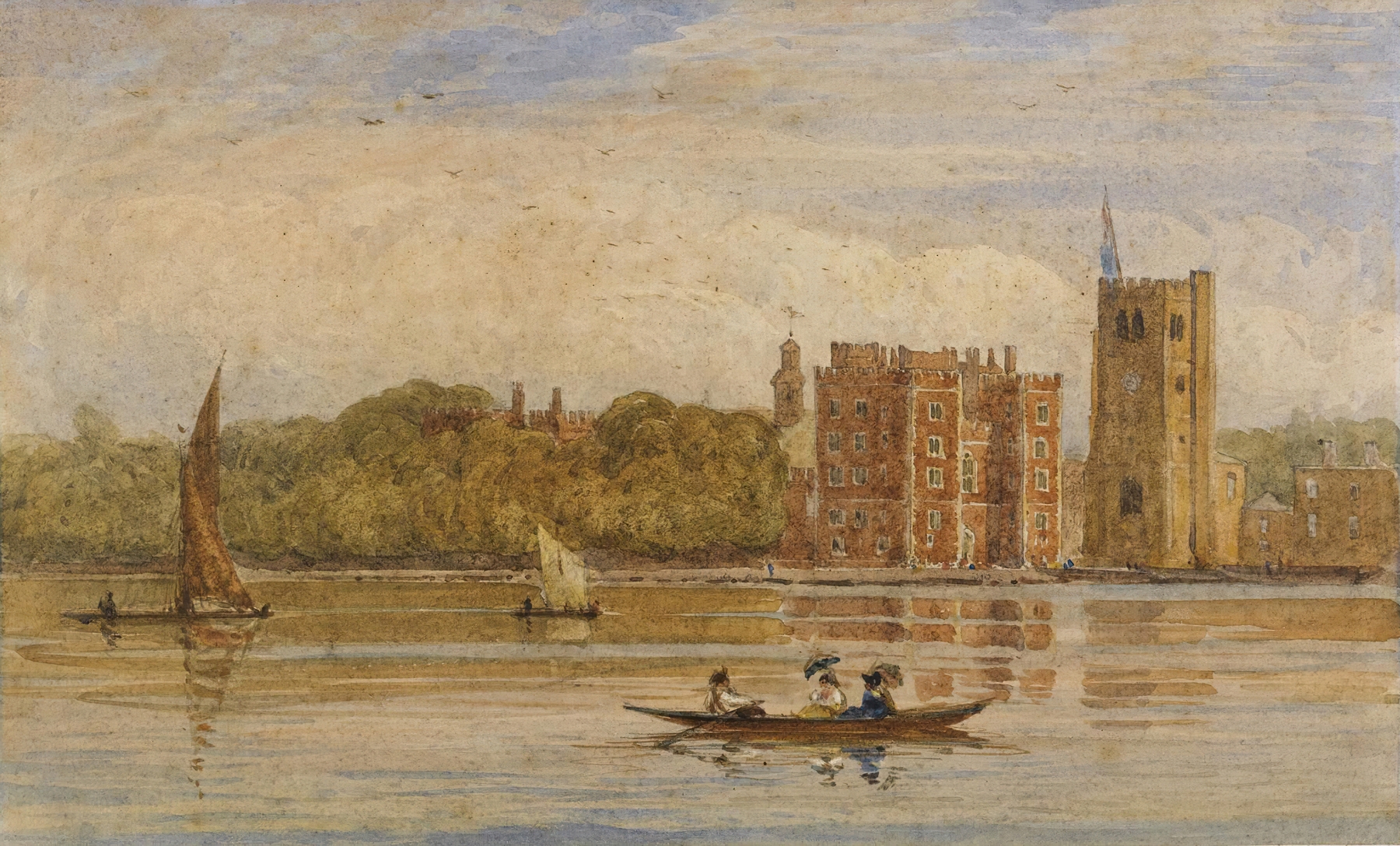
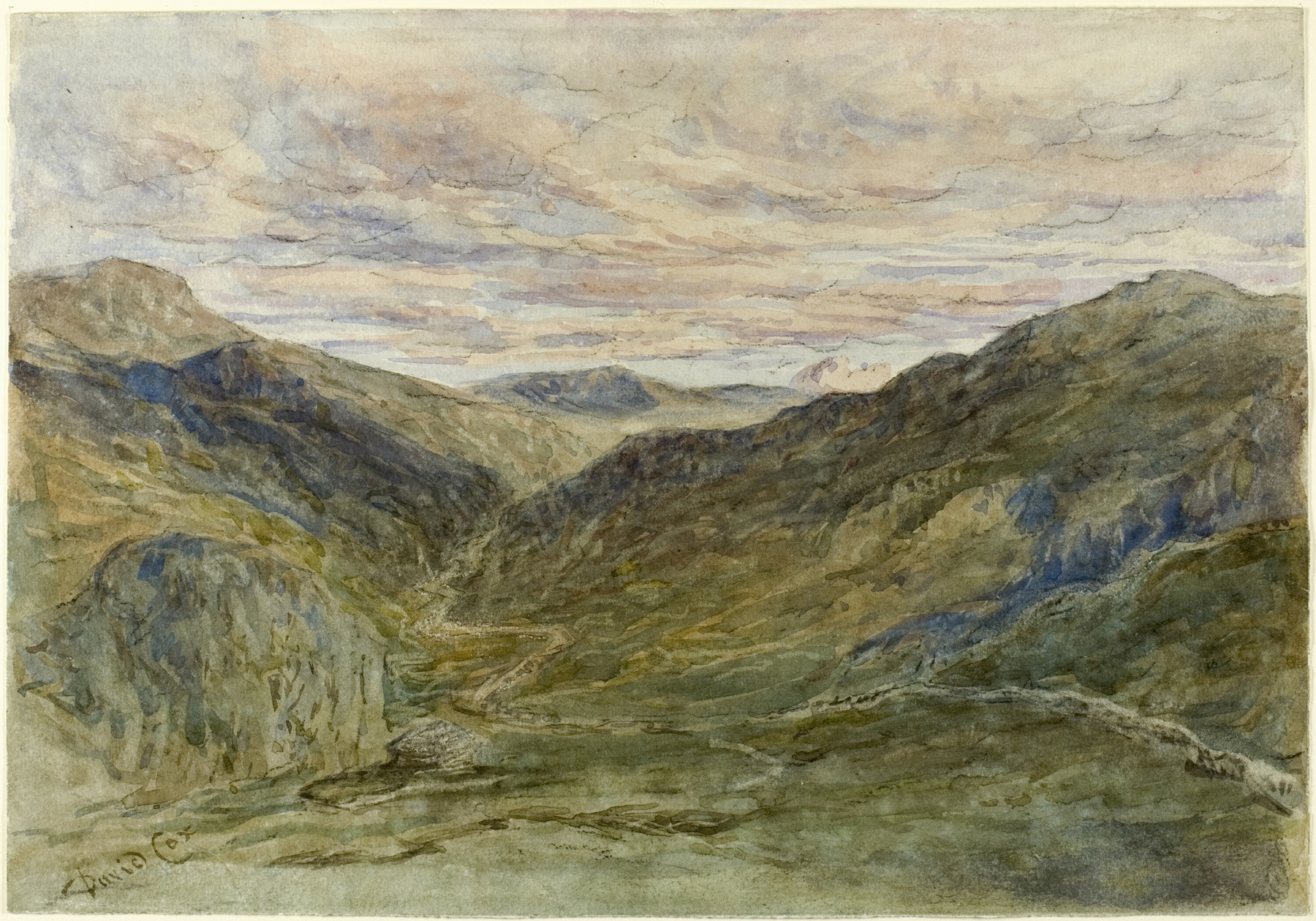
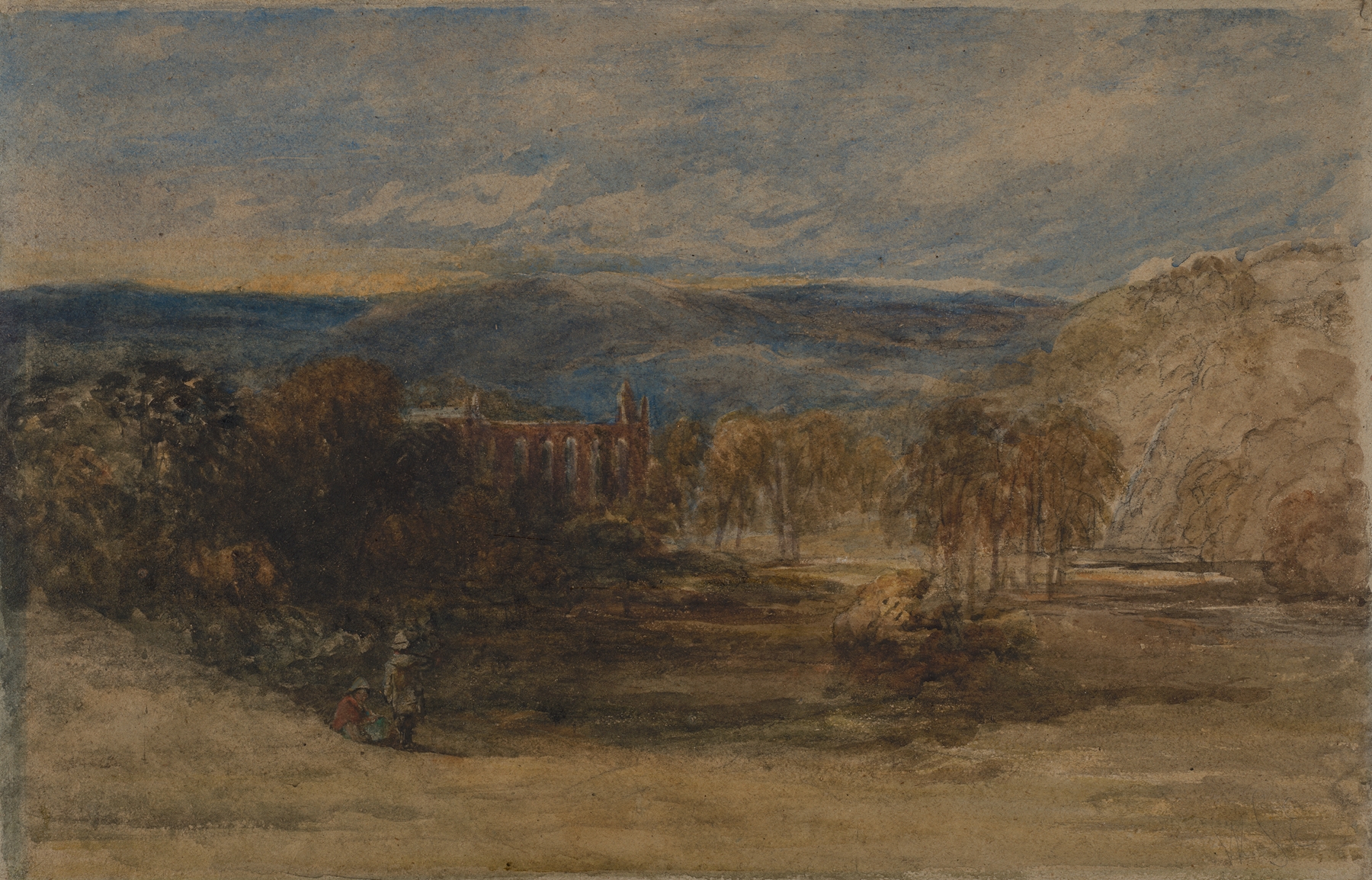
Can paint confess what words never could? In On the Conway River, North Wales, the brush captures a world where nature and time intertwine, hinting at the quiet decay that shadows both landscape and memory. Look to the left at the gentle curve of the river, reflecting the soft hues of dusk. There, the water shimmers with a blend of blues and greens, cradling the fading light as it dances on the surface.
Notice how the trees, rendered in washes of muted browns and grays, lean inwards, as if whispering secrets to the flowing current. The distant mountains loom majestically, their outlines softened by an ethereal mist, inviting the viewer into a realm where tranquility reigns, yet a sense of loss lingers palpably. Amid the serene beauty, subtle contrasts reveal an emotional depth. The vibrant life of the river is juxtaposed with the darkened foliage, signaling an inevitable decline—an echo of mortality within nature’s cycle.
The artist’s delicate brushwork conveys both movement and stillness, crafting a scene that feels both alive and hauntingly transient; the delicate balance between vibrancy and decay is palpable, urging contemplation of our own impermanence. During the period when this piece was created, David Cox found himself deeply entrenched in the Romantic movement, exploring themes of nature and emotional resonance in his work. The exact date remains elusive, yet it is clear he was drawing from his experiences in Wales, a region that profoundly influenced his vision. At this time, the art world was shifting towards valuing the emotional impact of landscapes, allowing Cox to delve into the interplay of beauty and decay that characterizes his artistry.