Optocht van bacchanten — History & Analysis
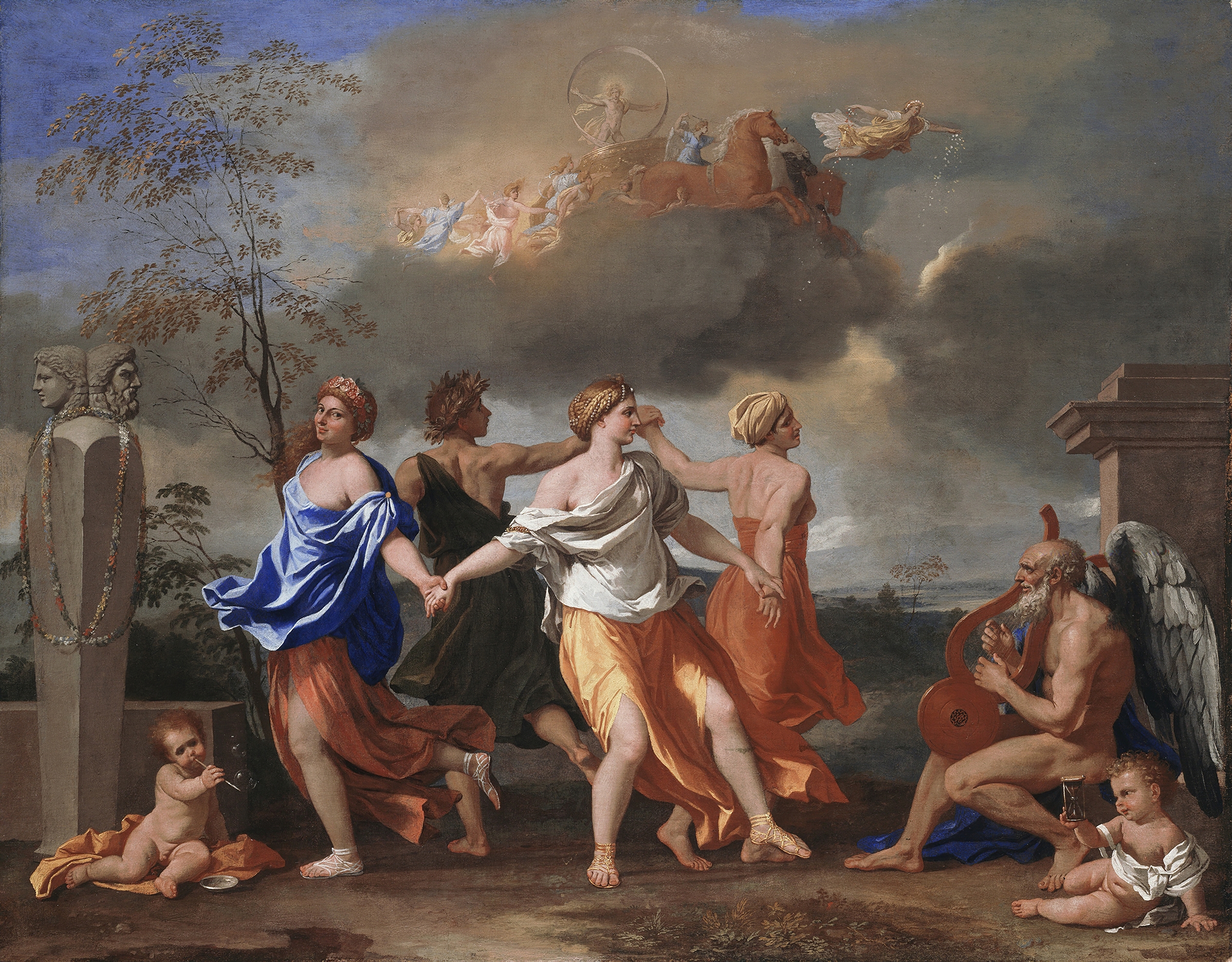
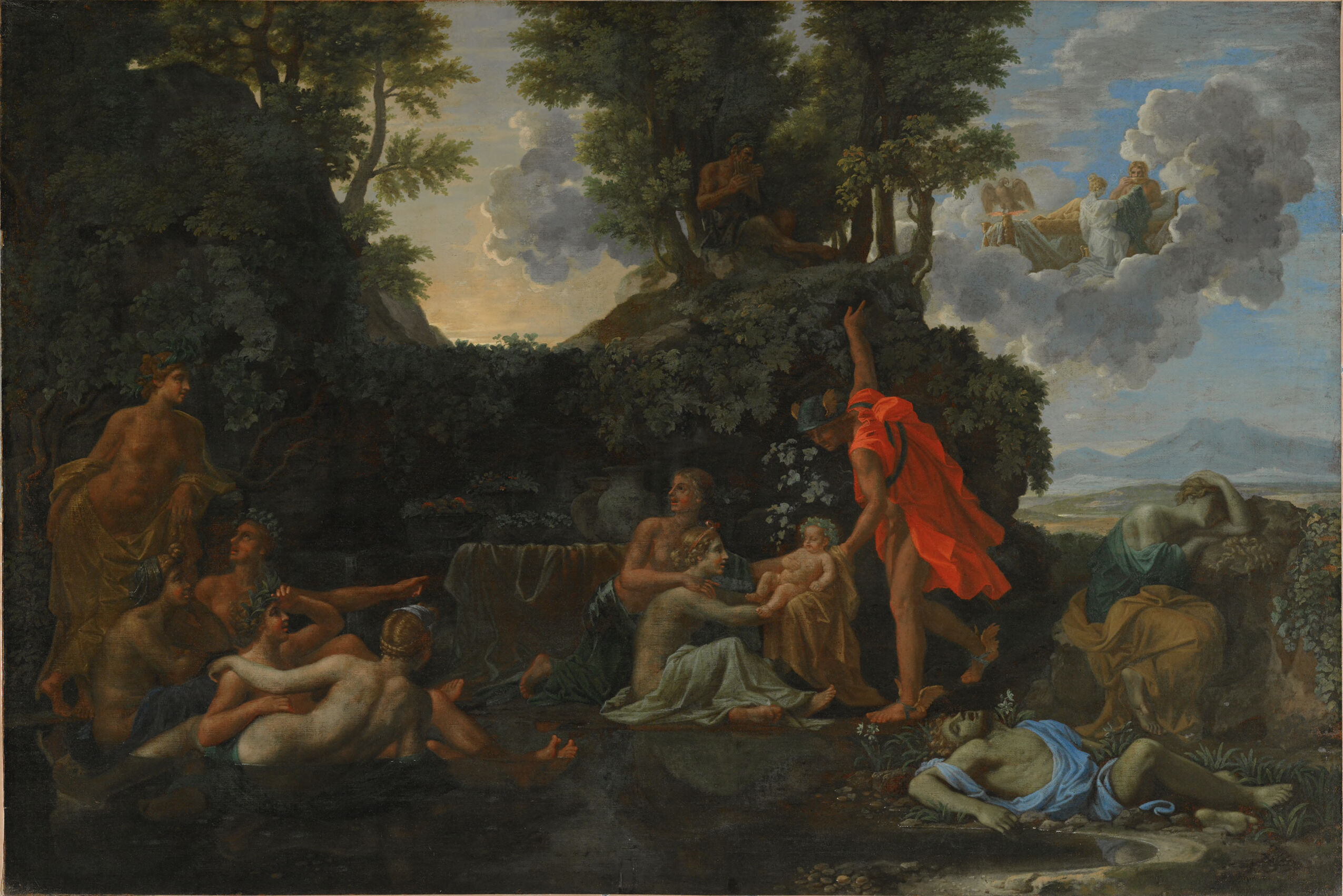
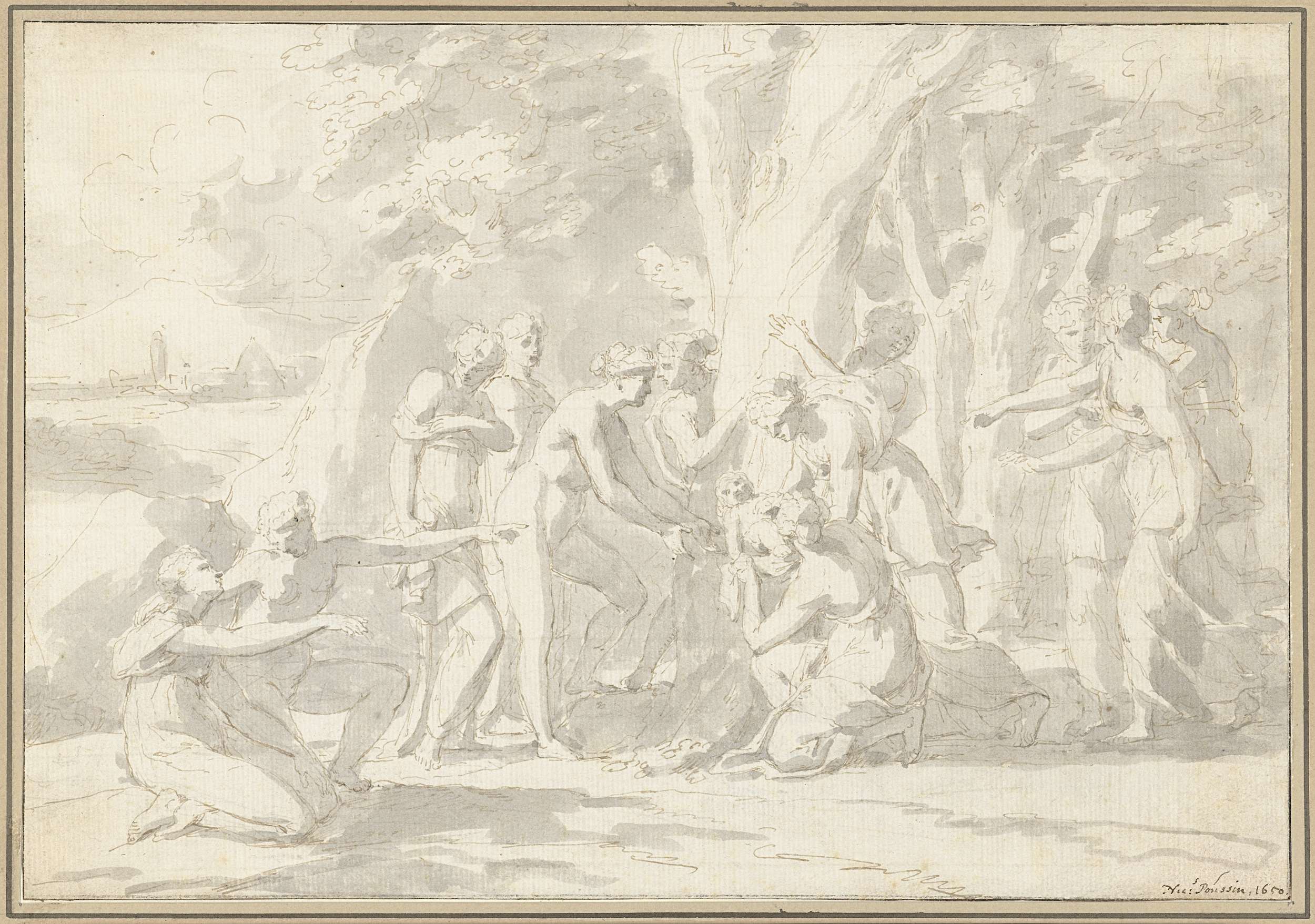
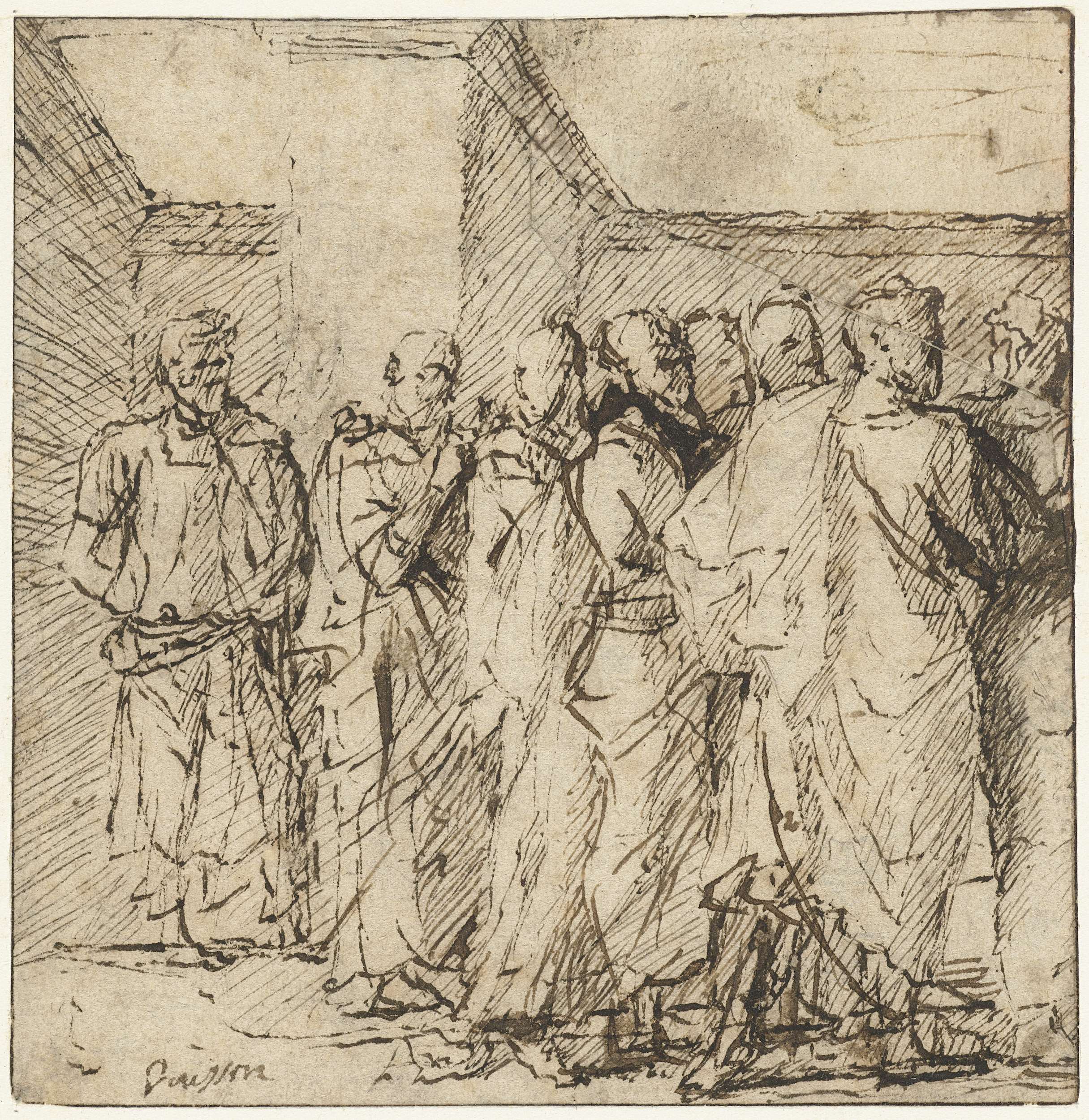
Can paint confess what words never could? In Optocht van bacchanten, the vibrant procession unfolds like a forgotten memory, filled with the intoxicating essence of nostalgia. Look to the left at the jubilant figures, their bodies entwined in celebration, as they weave through a lush landscape that bursts with rich greens and warm golds. Notice how the gentle curves of the composition guide the eye toward the central focal point, where Bacchus, the god of wine, is depicted amidst a riot of color and movement.
The masterful use of chiaroscuro creates a striking contrast between the luminous highlights and the deeper shadows, enhancing the emotional resonance of the scene. Within the revelry lies a deeper commentary on the human experience — the dance between joy and excess, and the fleeting nature of pleasure. The joyous expressions juxtaposed with the looming trees suggest a transient moment that is both blissful and potentially perilous. Each figure, while lost in their own ecstasy, embodies a universal yearning for connection and liberation, echoing sentiments of both celebration and inevitable loss.
Nicolas Poussin painted Optocht van bacchanten in the mid-17th century, a time when he was immersed in the Baroque movement, drawing inspiration from classical themes and mythology. Residing in Rome during this period, he grappled with the tensions between rationality and emotion in art, seeking to elevate the narrative quality of his works. This painting emerged against a backdrop of a European art scene that was increasingly fascinated by mythological subjects and the exploration of human passions.