Overshot Mill, North Wales — History & Analysis
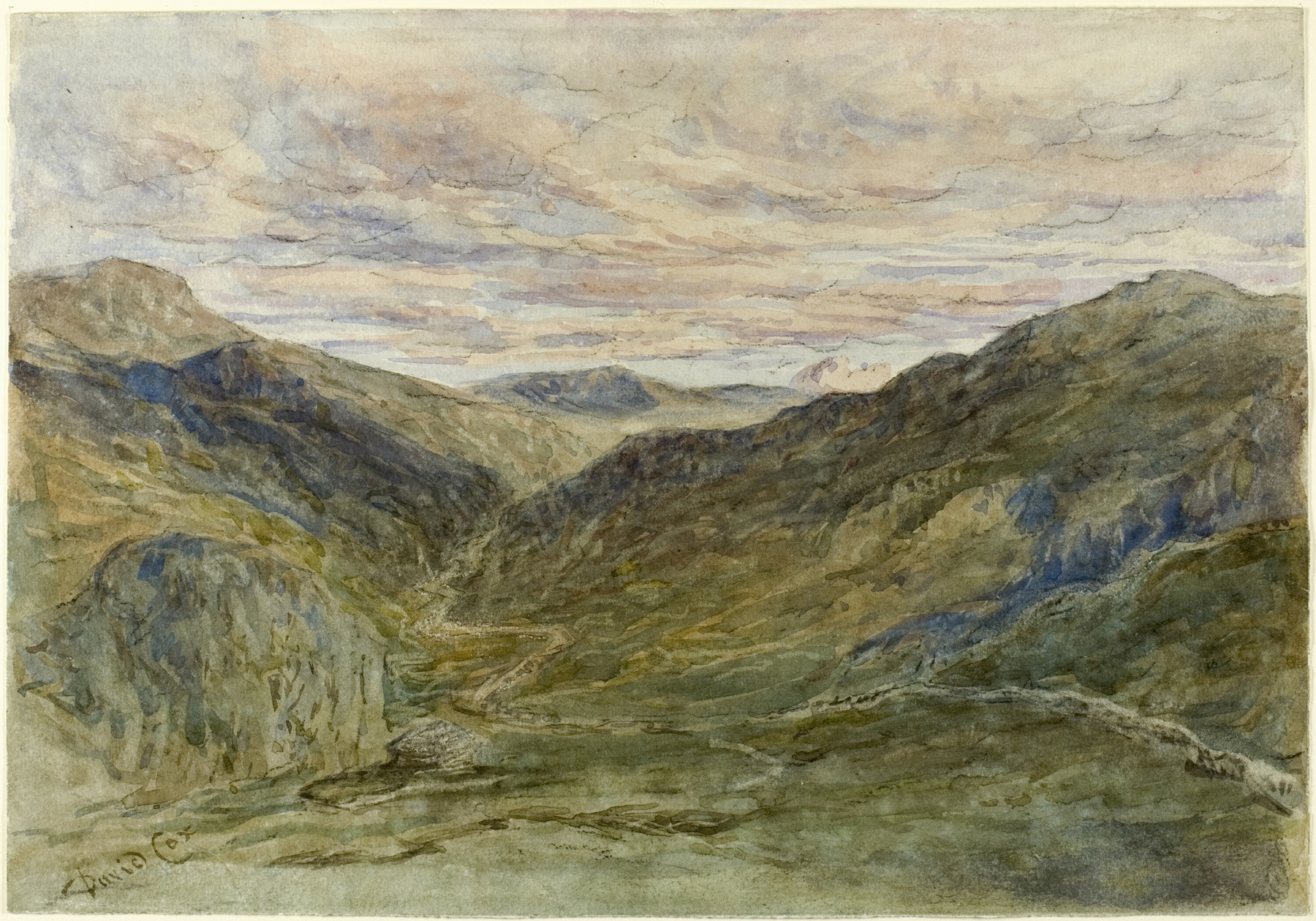
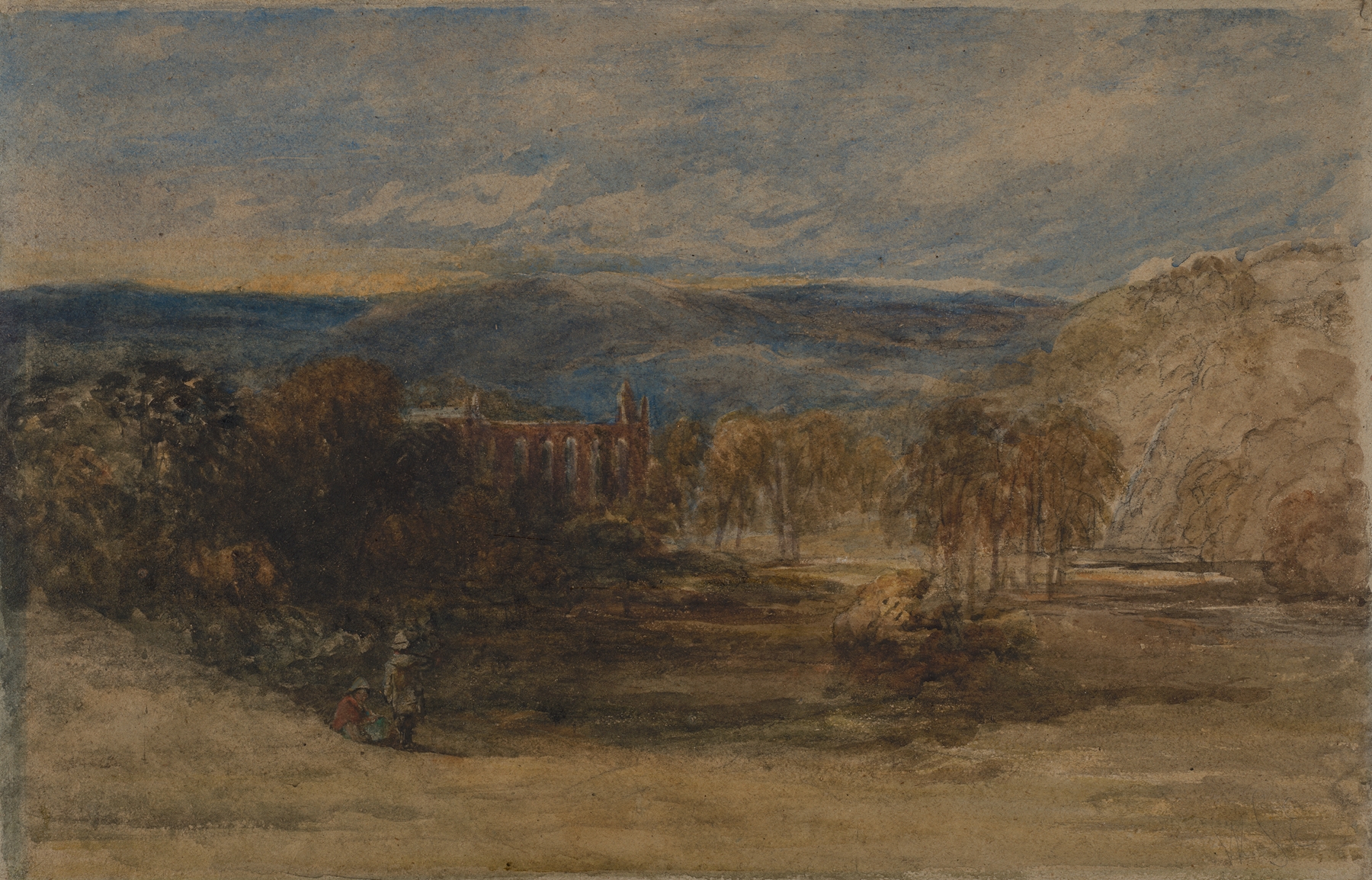
“Under the brush, chaos becomes grace.” In the quiet moments between creation and completion, the essence of loss transforms into something ethereal. Look to the left at the tall, imposing mill, its weathered stones bathed in soft, muted light that dances across its surface. Notice how the artist's delicate brushstrokes bring texture to the scene, creating a palpable sense of time and decay. The gentle ripples of the nearby water reflect the mill, a haunting echo of the past, while the surrounding trees frame the composition, their rich greens contrasting with the somber earth tones of the structure.
This interplay of light and shadow invites the viewer into a serene yet melancholic atmosphere. As you delve deeper, observe the subtle details: the way the water flows around the mill suggests the passage of time and the inevitability of change. Each stroke conveys not just the visual reality but an emotional resonance—an acknowledgment of what has been lost to time. The mill, once a hub of activity, now stands still, a monument to memories that linger long after the last echoes have faded.
It’s a poignant reminder that beauty often coexists with melancholy. David Cox painted this piece in the 19th century, during a period marked by significant transitions in both his personal life and the broader artistic community. An accomplished landscape artist, he sought to capture the essence of rural scenes, often reflecting themes of nostalgia and loss. His work emerged amidst a growing interest in capturing the sublime beauty of the natural world, making Overshot Mill, North Wales a significant testament to both his artistic vision and the reverberations of a vanishing past.