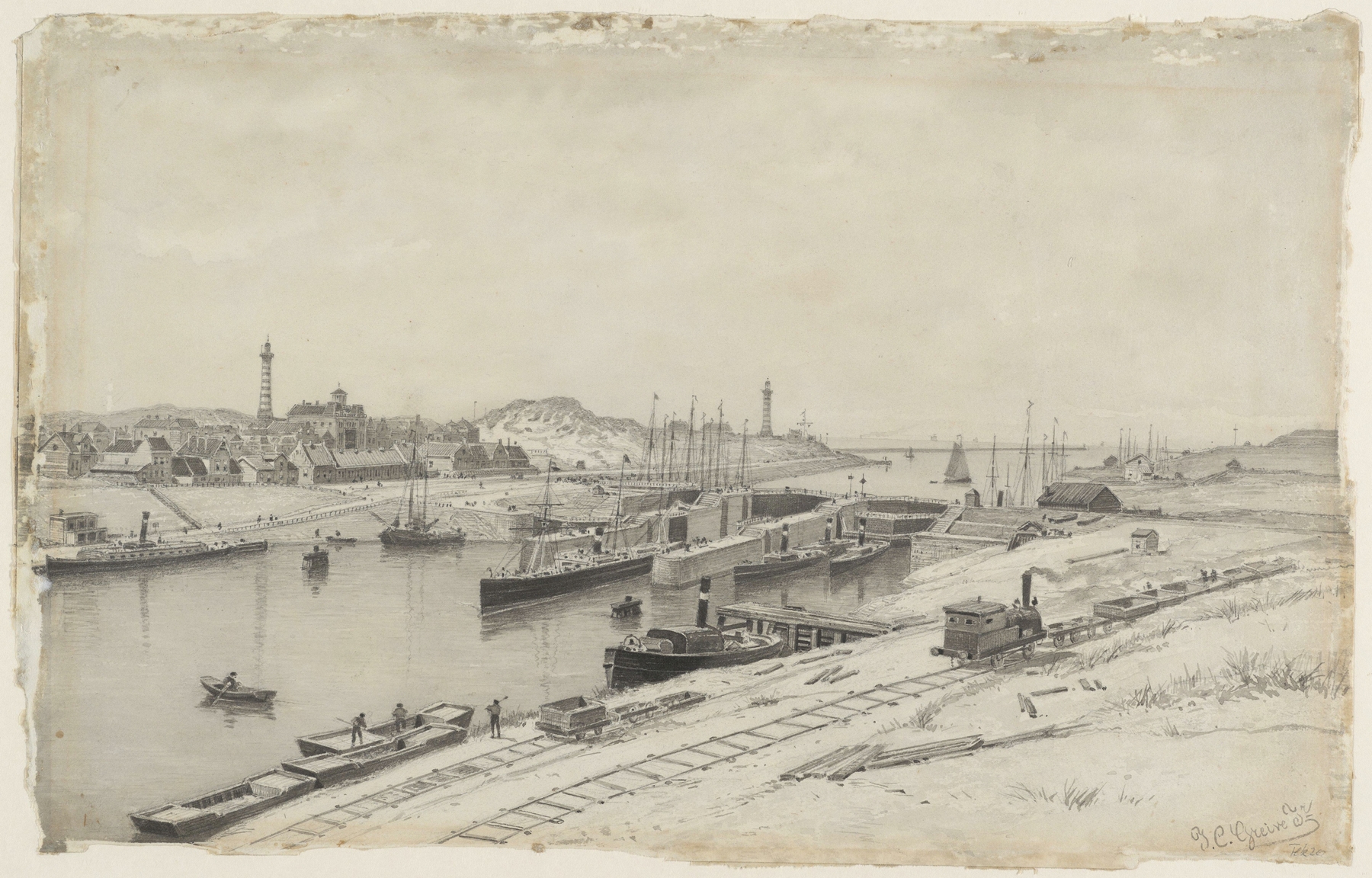
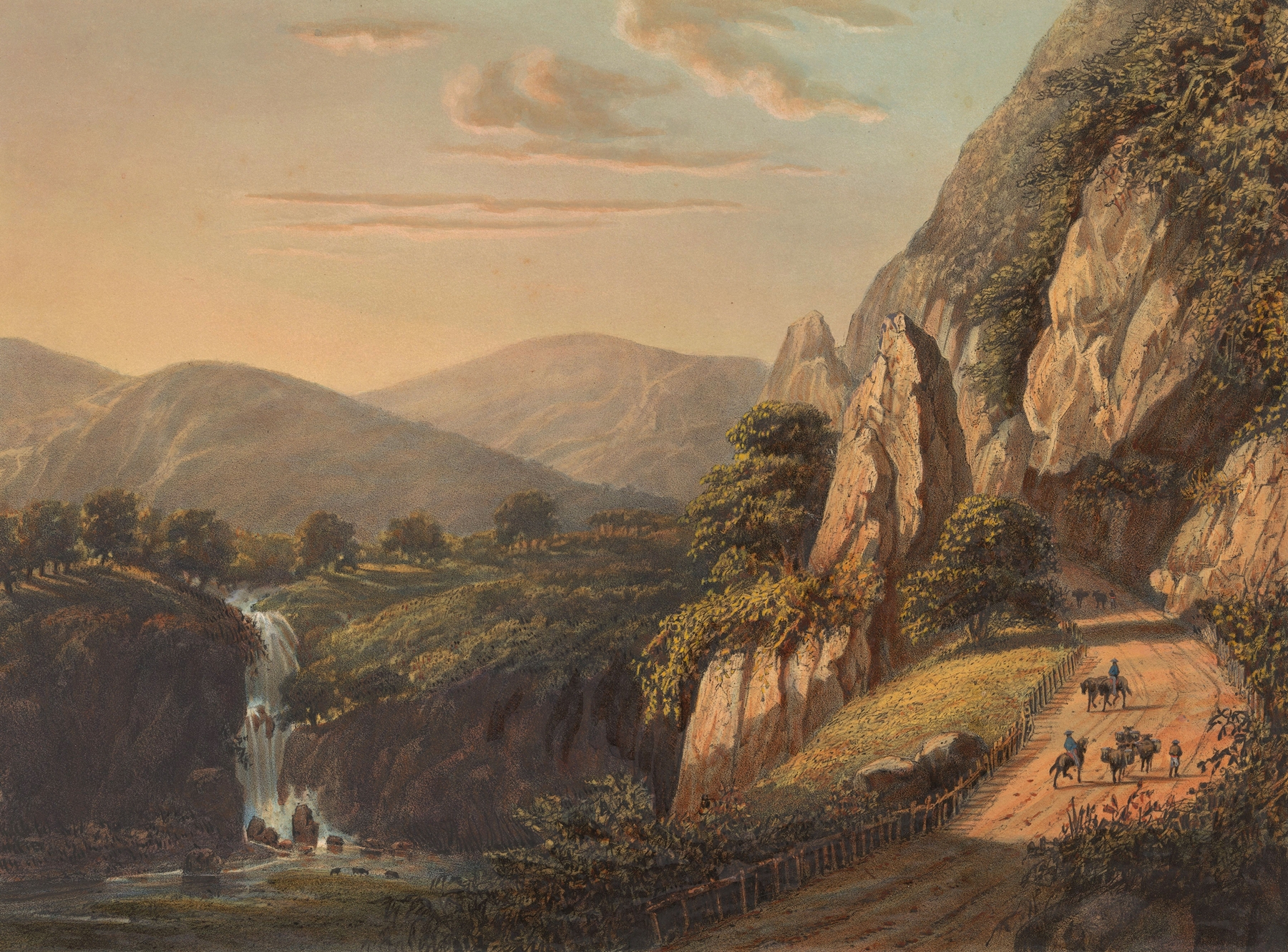
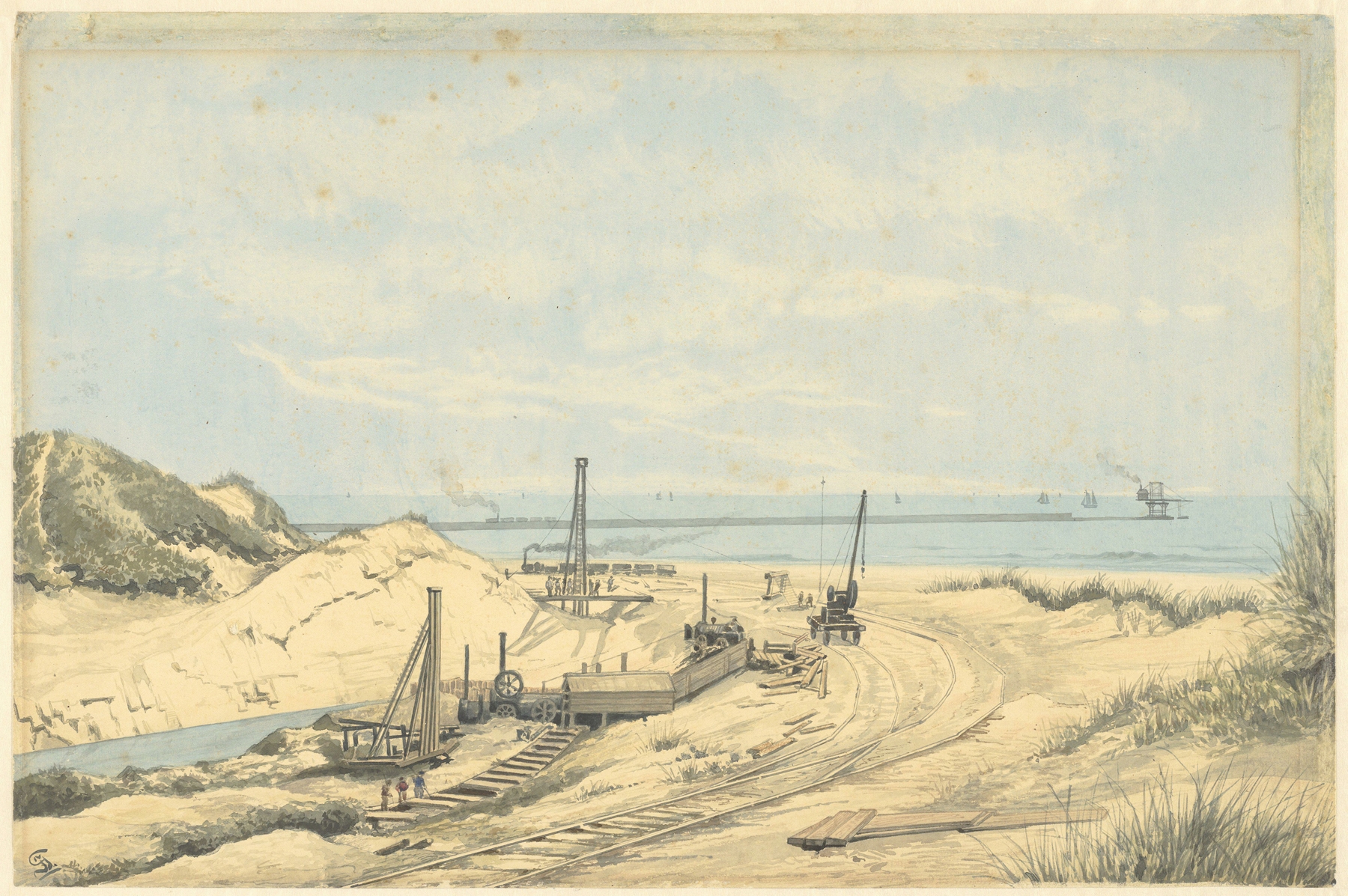
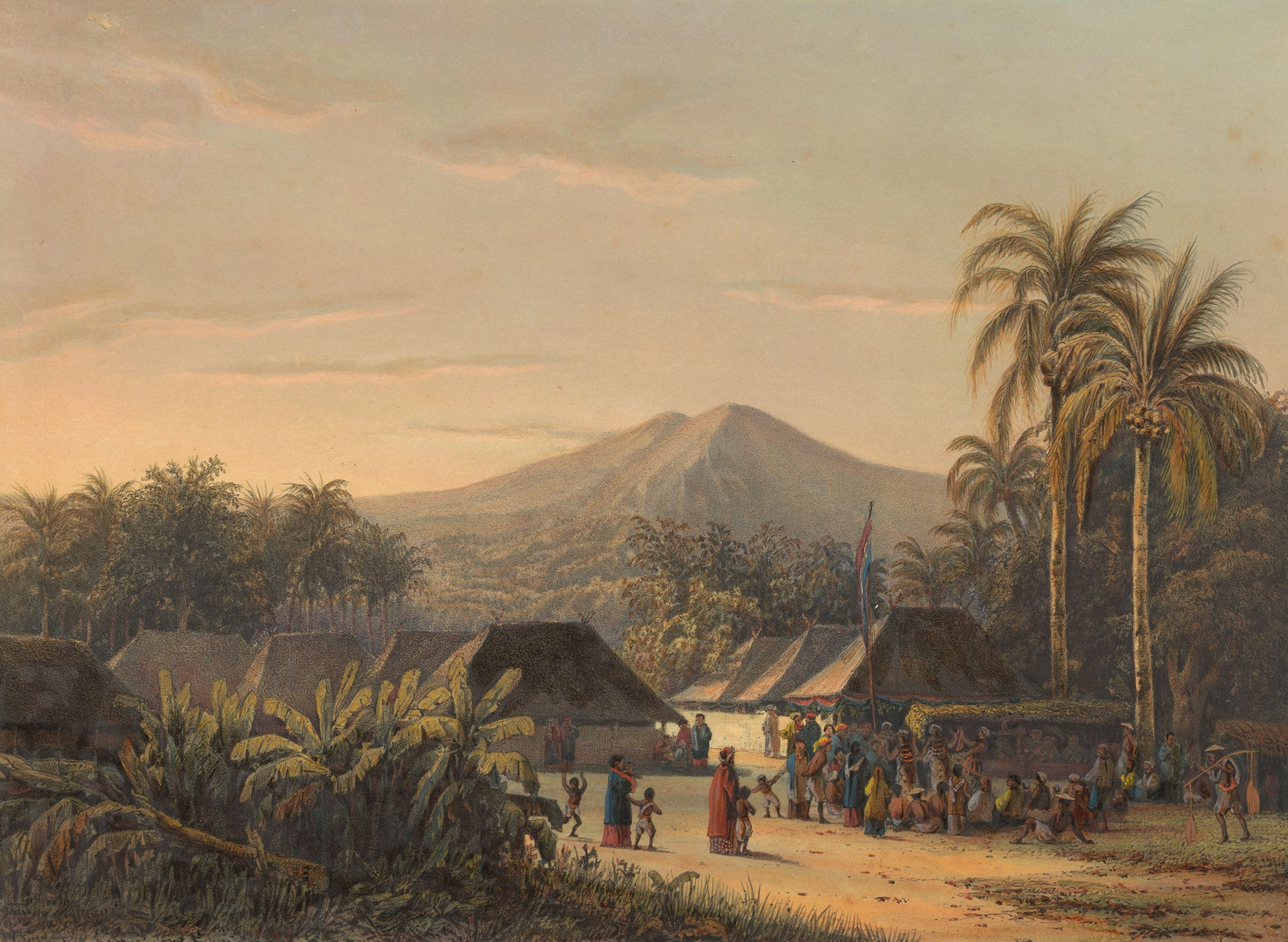
Pangka-fabriek nabij Tegal op Midden-Java Suikerfabriek Pangka — History & Analysis
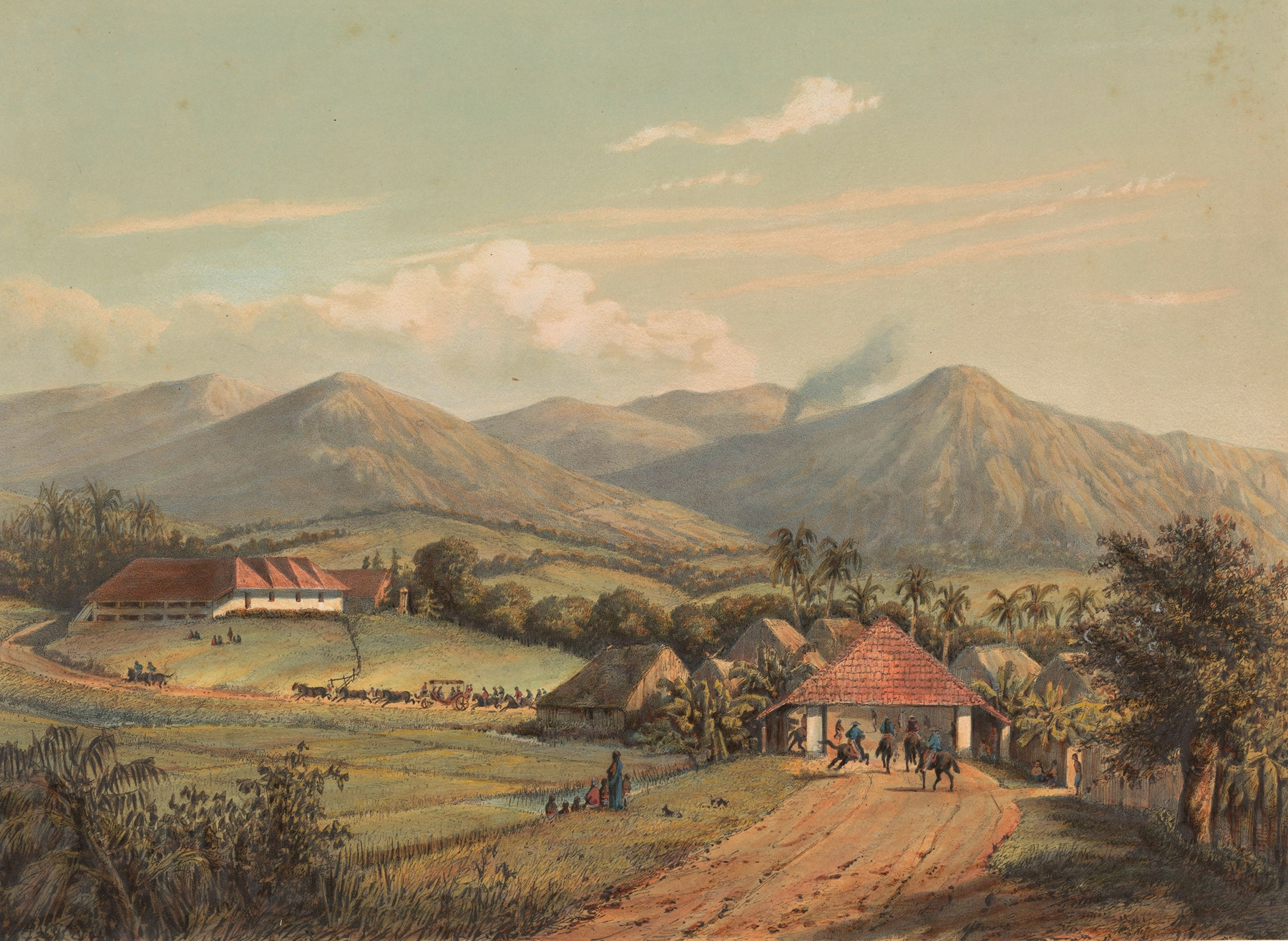
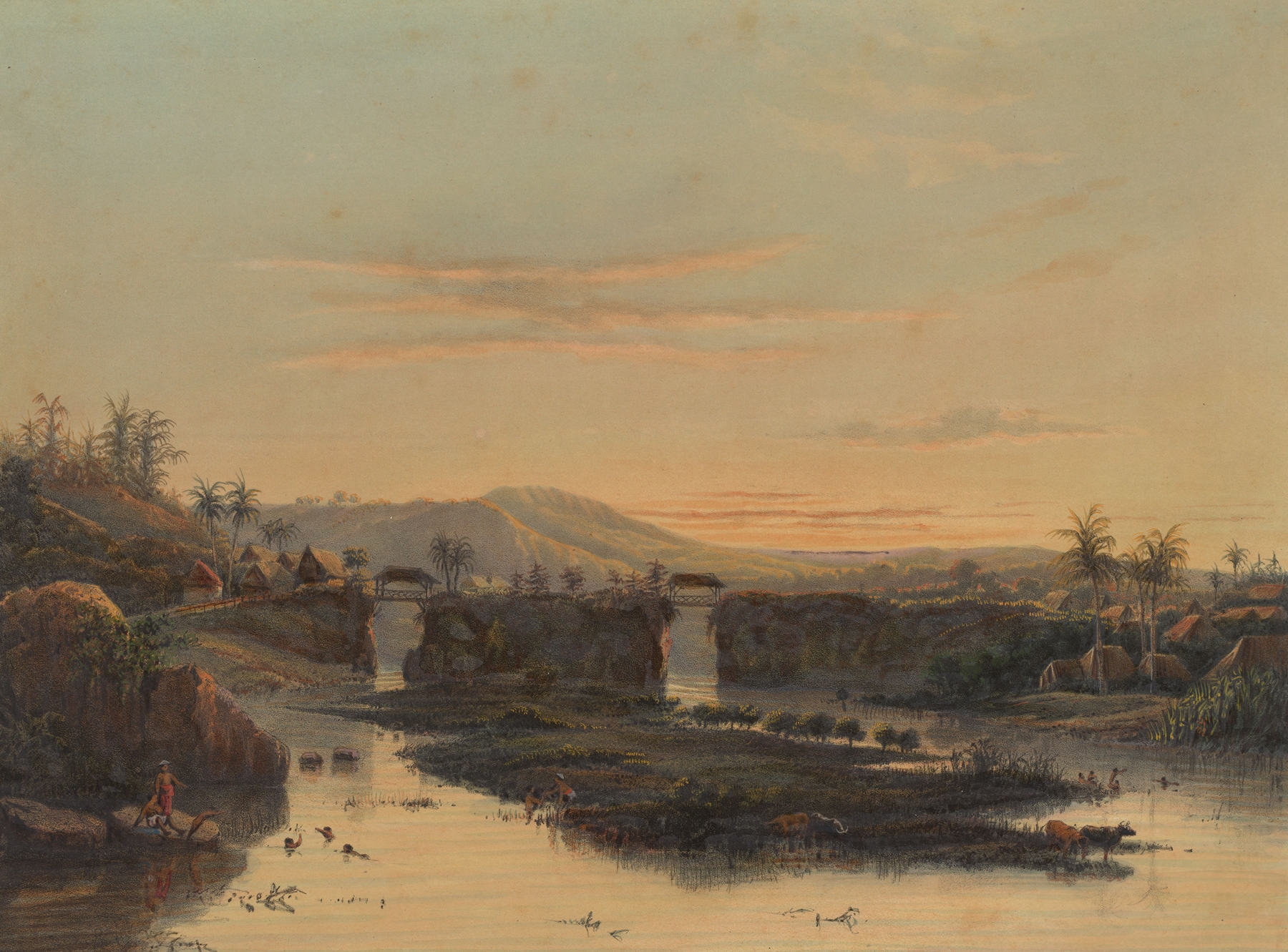
“Every brushstroke is a heartbeat remembered.” In the realm of art, truth reveals itself through the intricate lines and colors, inviting us to explore deeper realities. Focus first on the vivid blues and greens that envelop the scene, drawing your eye toward the sprawling sugar mill nestled within the lush landscape. Notice how the artist employs gentle brushwork to depict the billowing smoke rising from the factory’s chimney, contrasting with the stillness of the surrounding rice fields. The carefully balanced composition creates a harmonious dialogue between industry and nature, hinting at the complex relationship between progress and the earth's bounty.
As you study this work, consider the interplay of light and shadow that highlights the industriousness of the sugar mill. The vibrant colors evoke a sense of vitality, while the underlying tones of earthiness remind us of the toil that sustains such enterprise. There's a palpable tension between the natural beauty of the Java landscape and the mechanical presence of the factory, symbolizing the transformative power of industry and its inevitable encroachment upon traditional ways of life.
Johan Conrad Greive painted this piece between 1865 and 1872, during his time in the Dutch East Indies. This period was marked by a growing interest in documenting the local landscapes and cultures as colonial expansion progressed. Greive's work reflects the duality of admiration for the exotic beauty of Java and the industrial advancements spurred by European influence, encapsulating a pivotal moment in both his life and the wider art world.