Paysage — History & Analysis
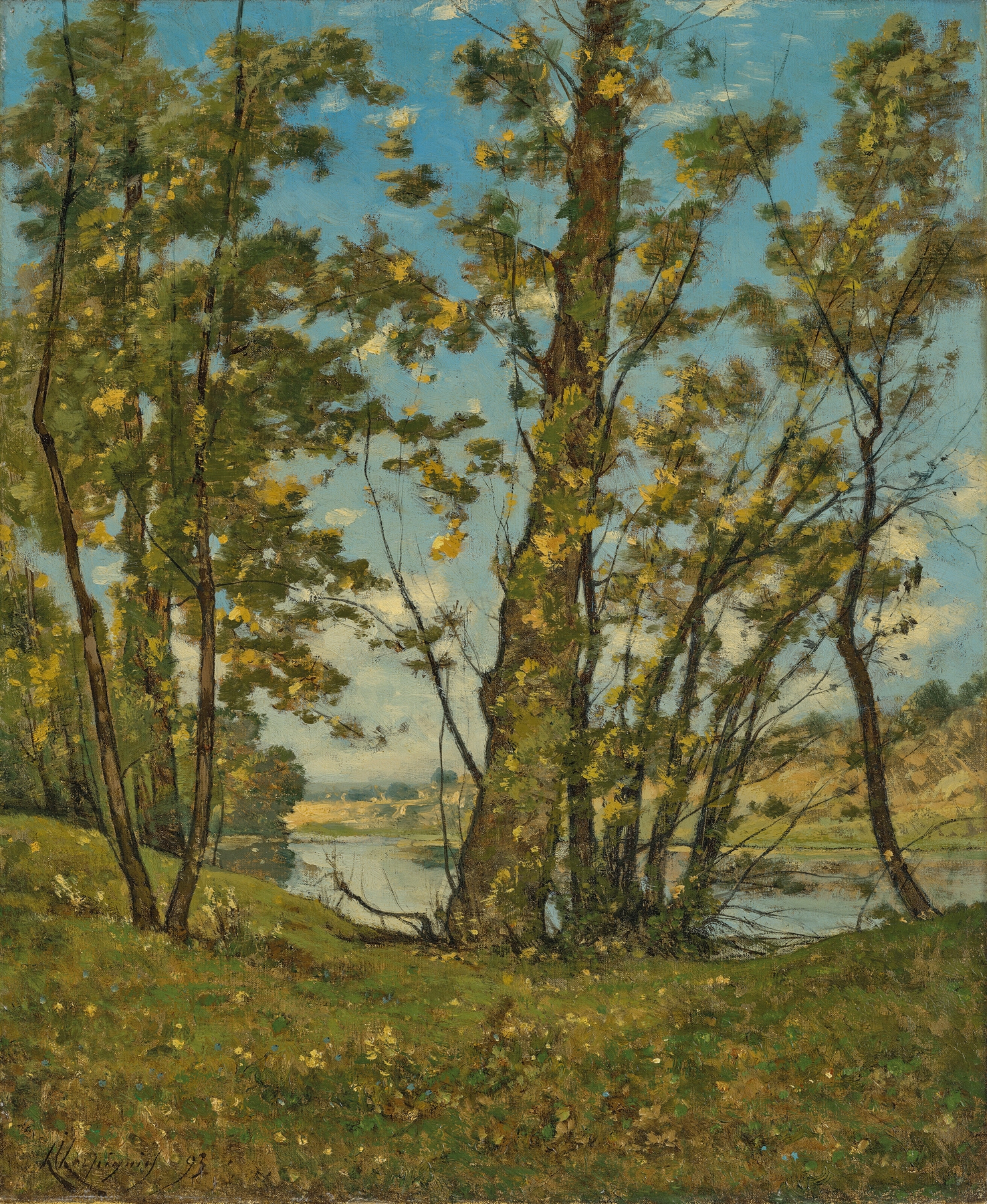
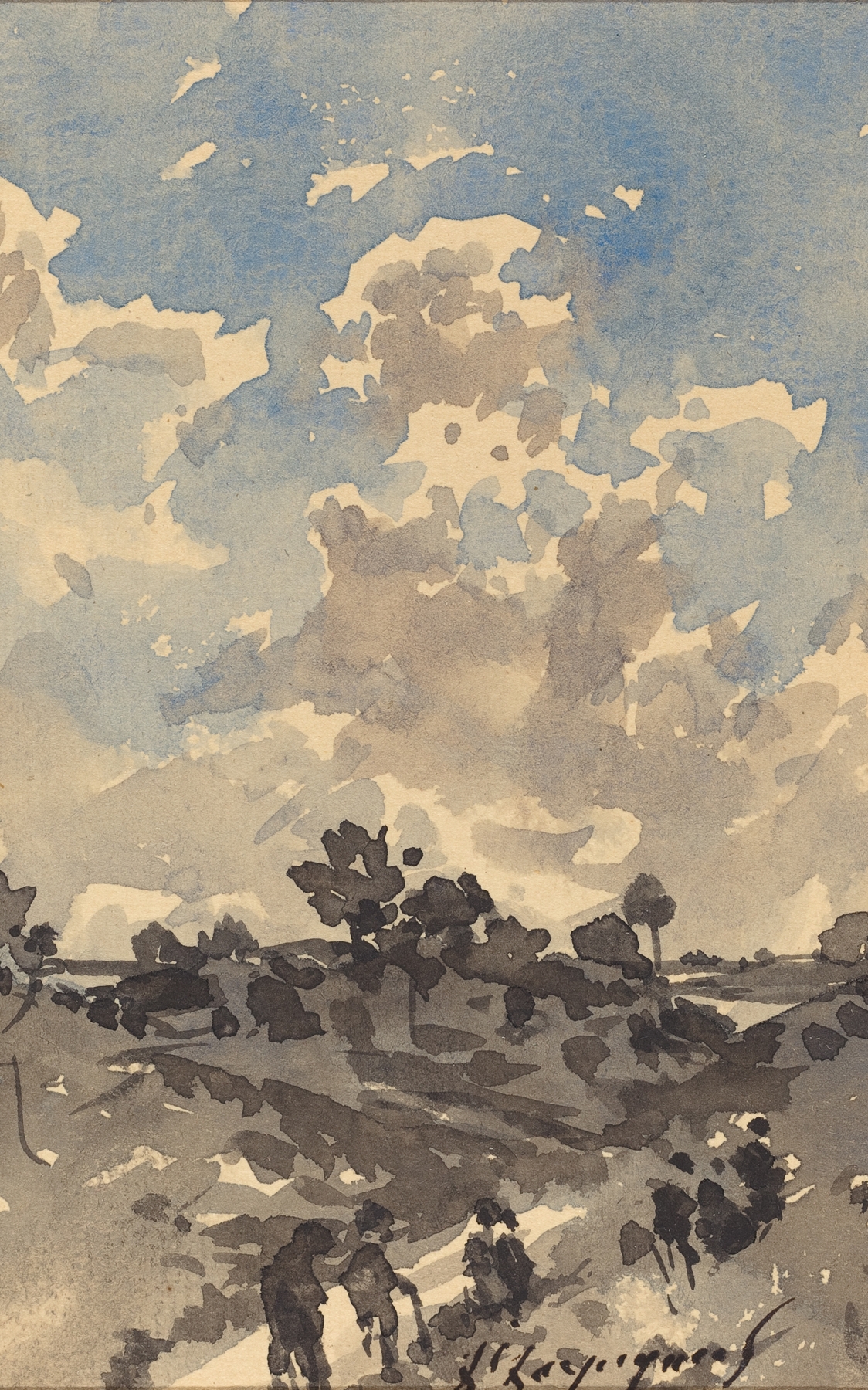
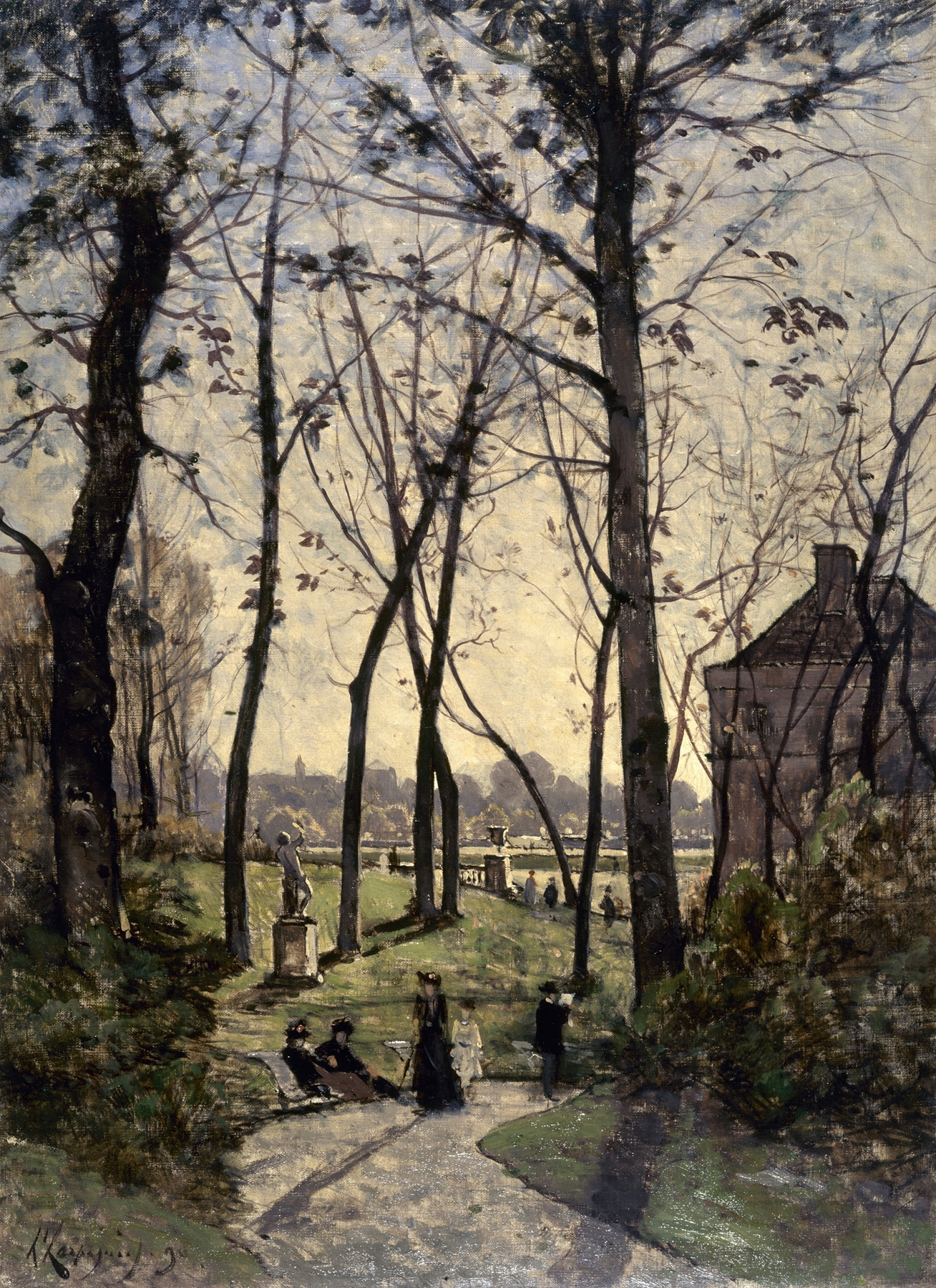
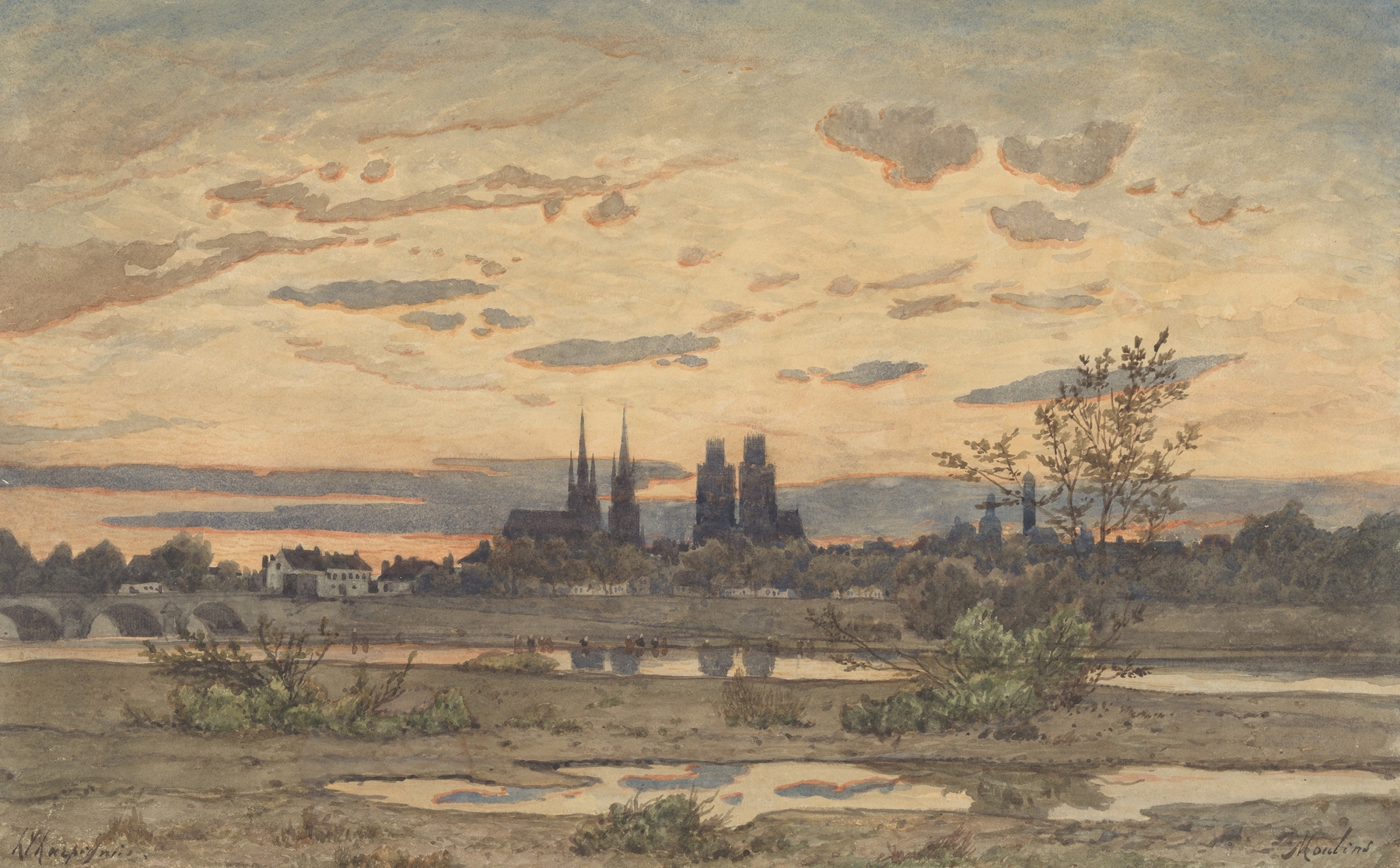
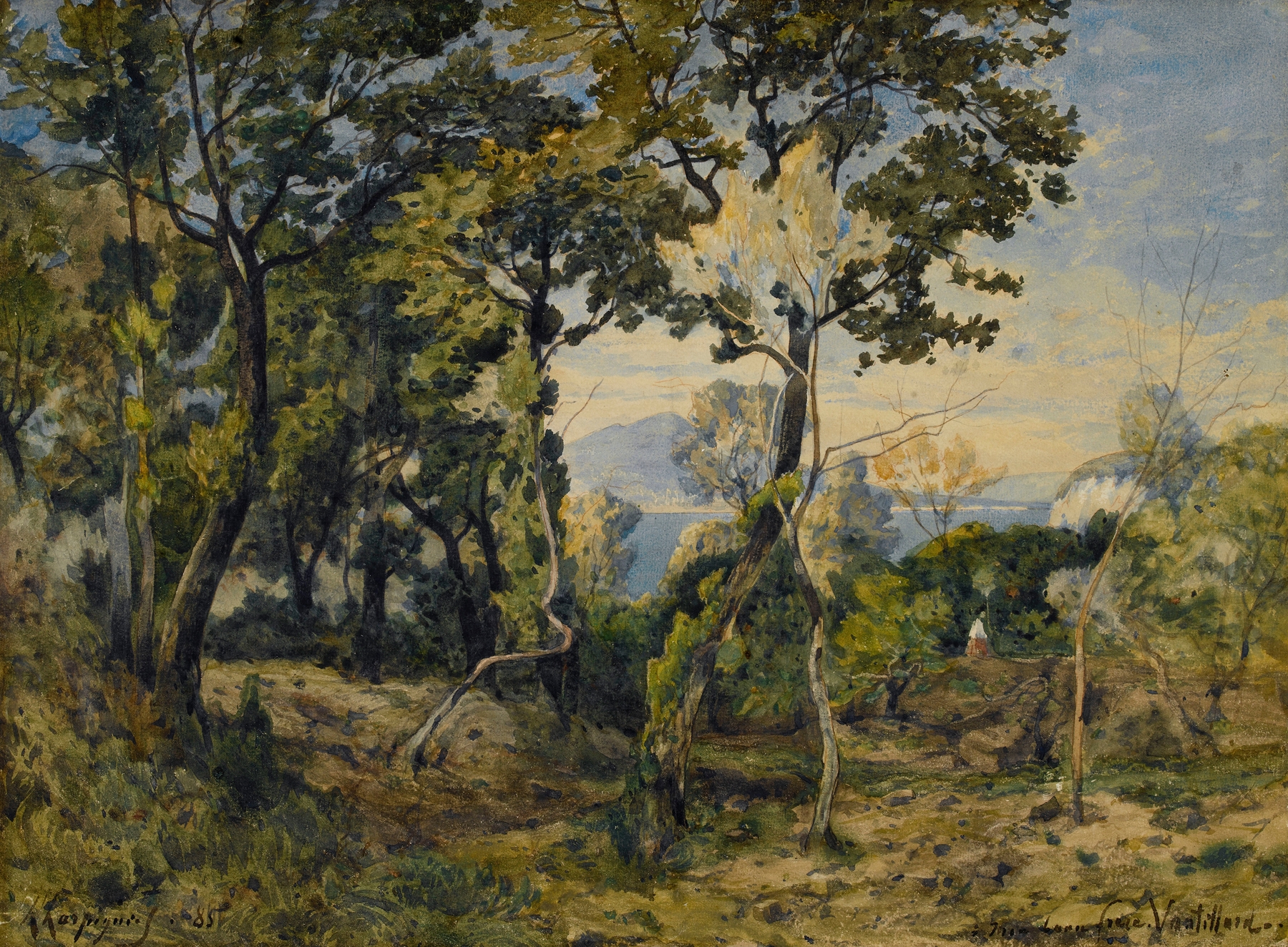
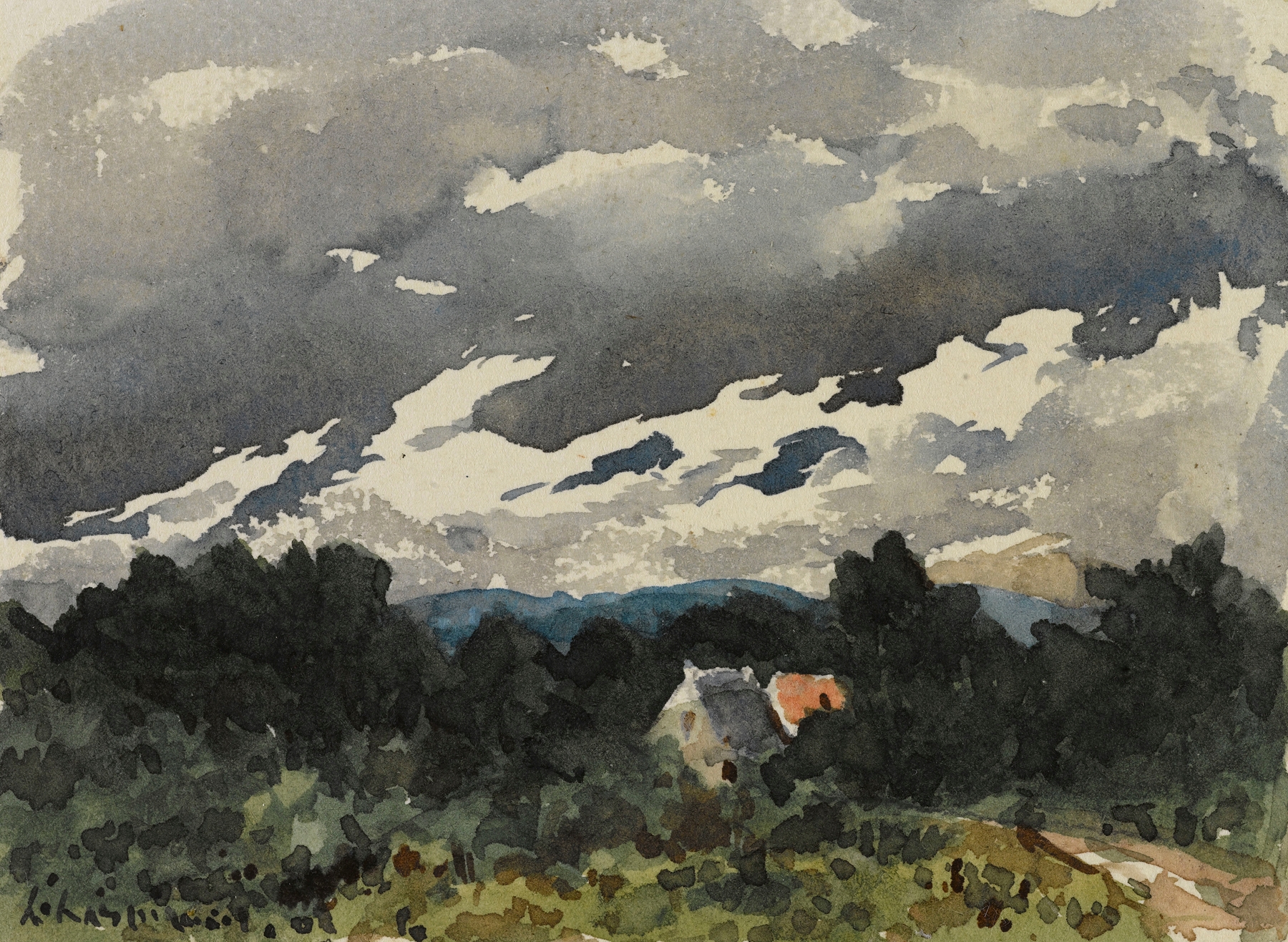
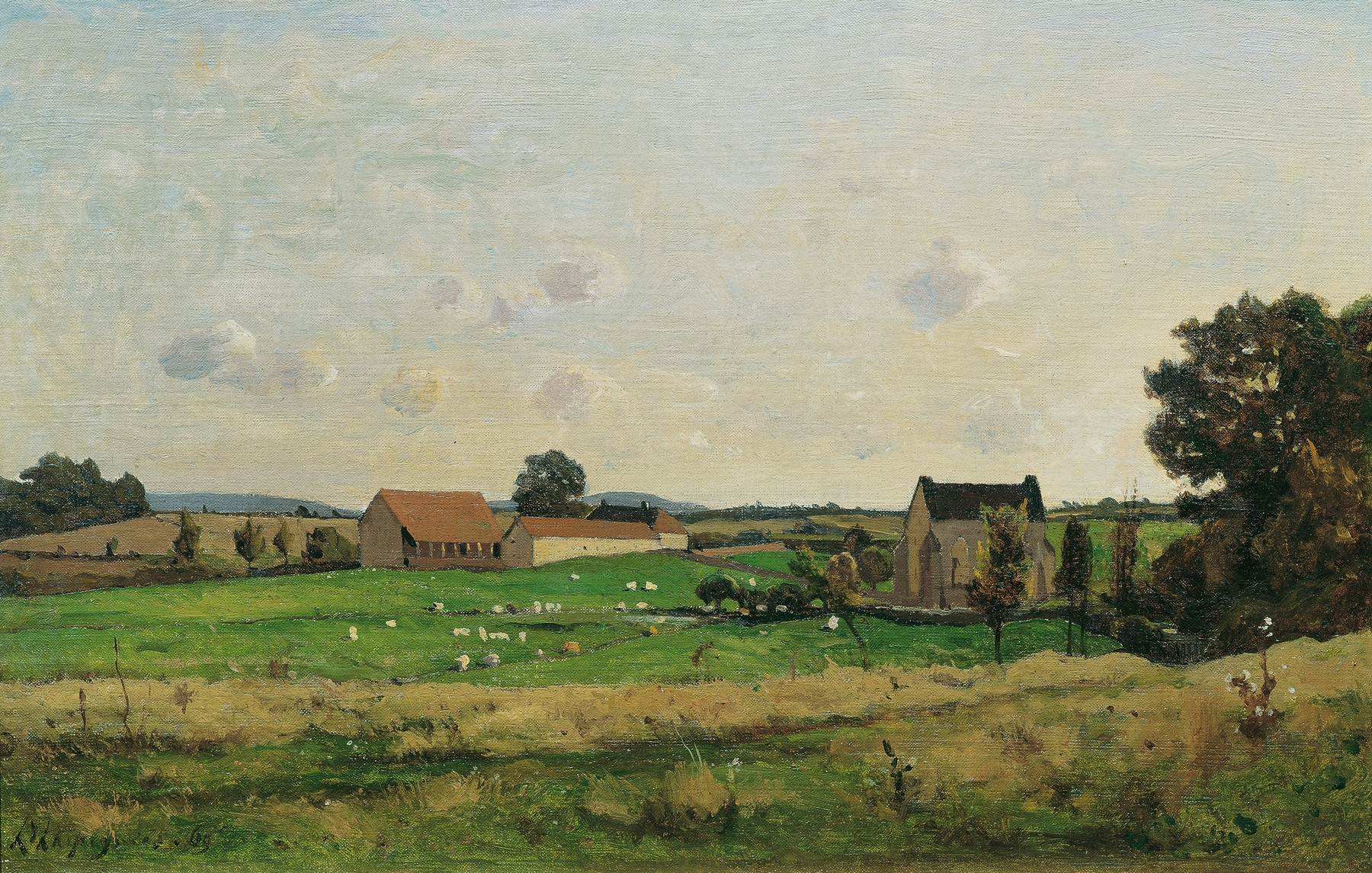
“To paint is to remember what time wants us to forget.” In the act of creation, memories unfurl like leaves in spring, revealing landscapes shaped by both the passage of time and the brush of the artist's hand. Focus on the gentle sweep of the horizon in Paysage, where soft greens and blues blend harmoniously, evoking the serenity of a natural world untouched by human hands. Notice how the light dances across the scene, illuminating the textured foliage and creating a subtle interplay of shadow and brilliance. The composition draws your gaze to a distant thicket, inviting contemplation of the mysteries that lie beyond the canvas.
Here, a transformation unfolds—an invitation into the rhythm of nature’s cycles. The artist juxtaposes tranquil serenity with hints of impending change; the luscious greenery suggests vitality, while the looming clouds may whisper of storms yet to come. The juxtaposition of vibrant colors against subtle earth tones reflects a world in flux, reminding us that all beauty is ephemeral.
During 1866, Harpignies painted Paysage while immersed in the picturesque landscapes of France. His work flourished amidst a burgeoning appreciation for plein air painting, as artists sought to capture the fleeting effects of light and atmosphere. In this period, he found his voice, embracing a balance between realism and impressionism, shaping a new understanding of the natural world.