Pejzaż z wiatrakami — History & Analysis
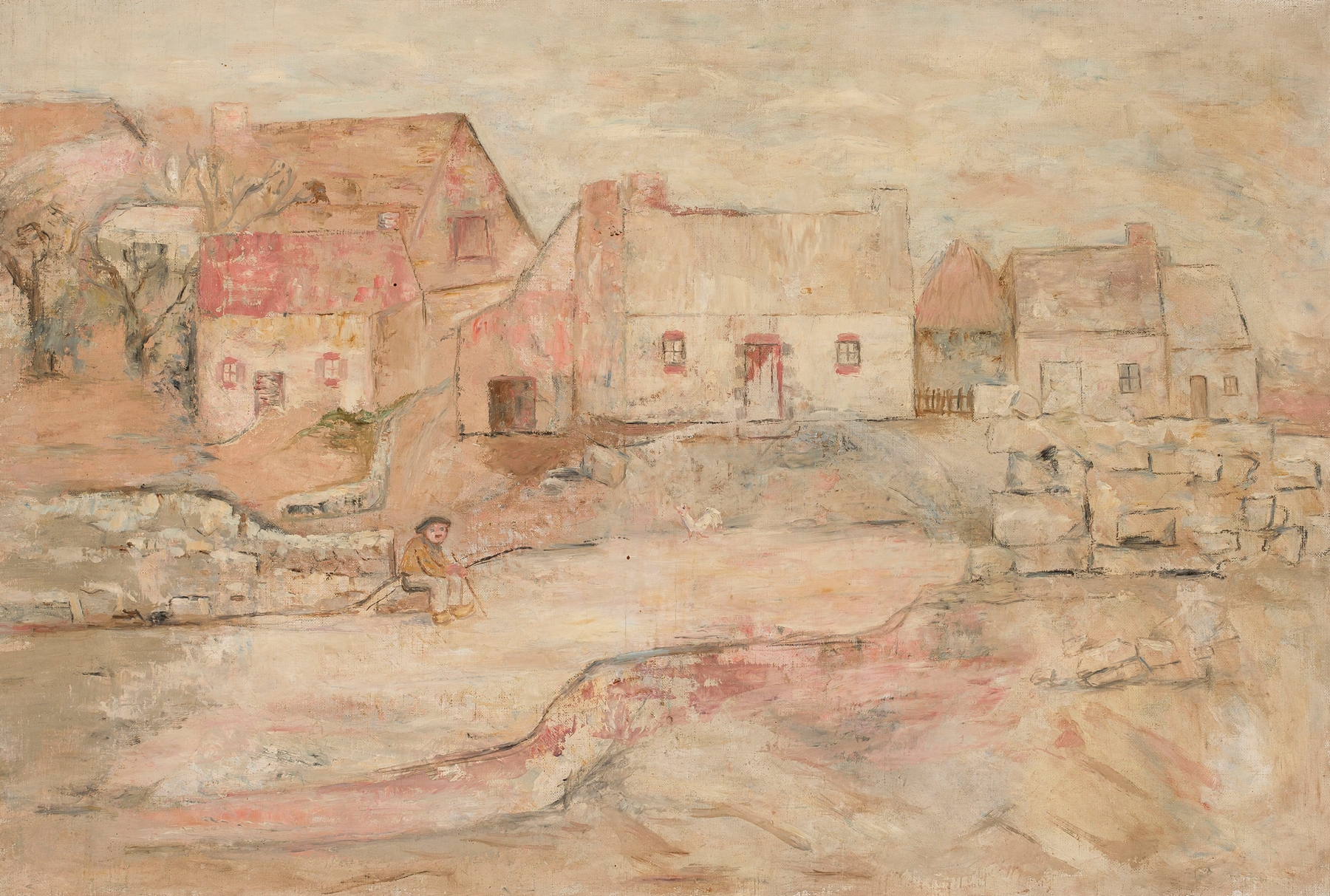
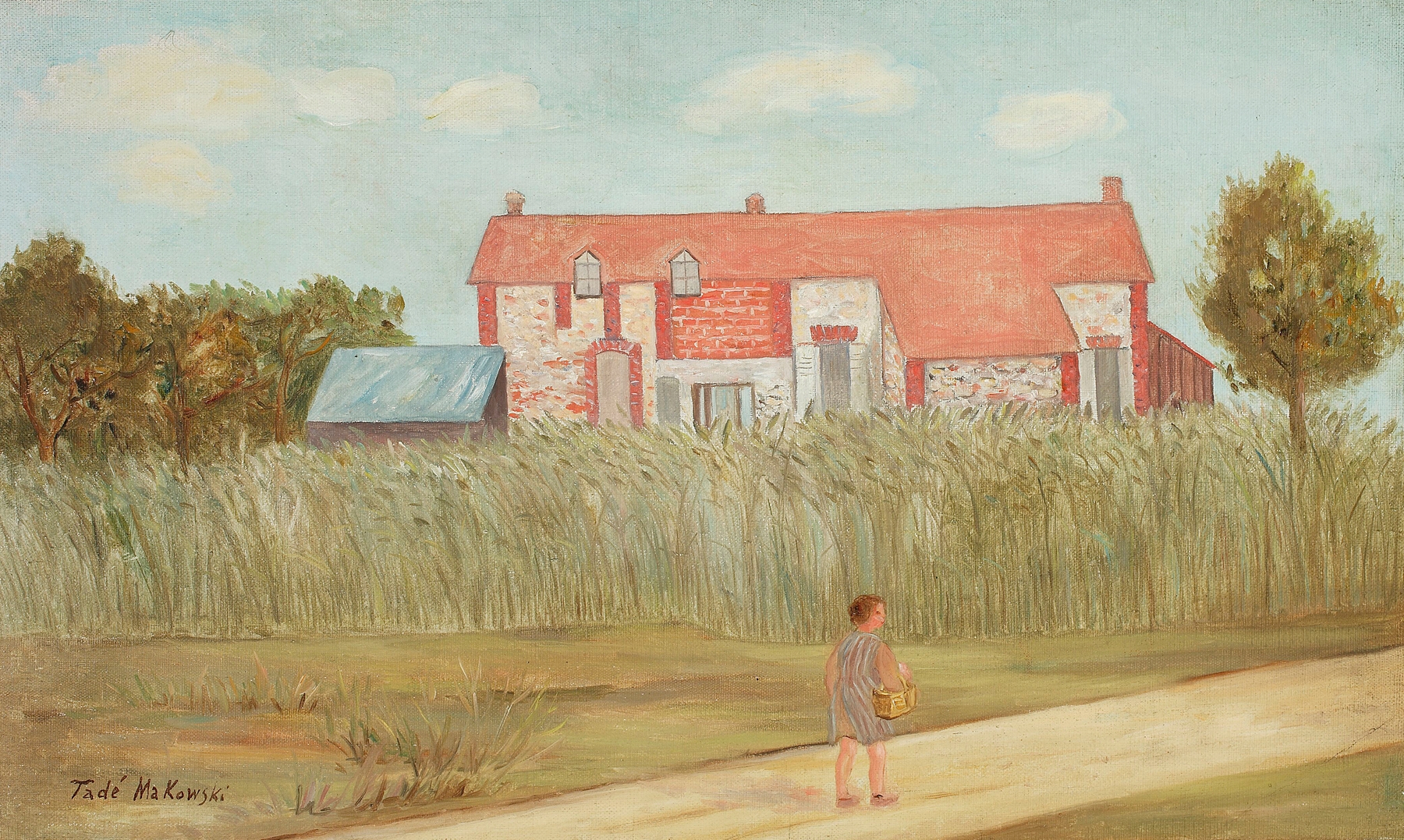
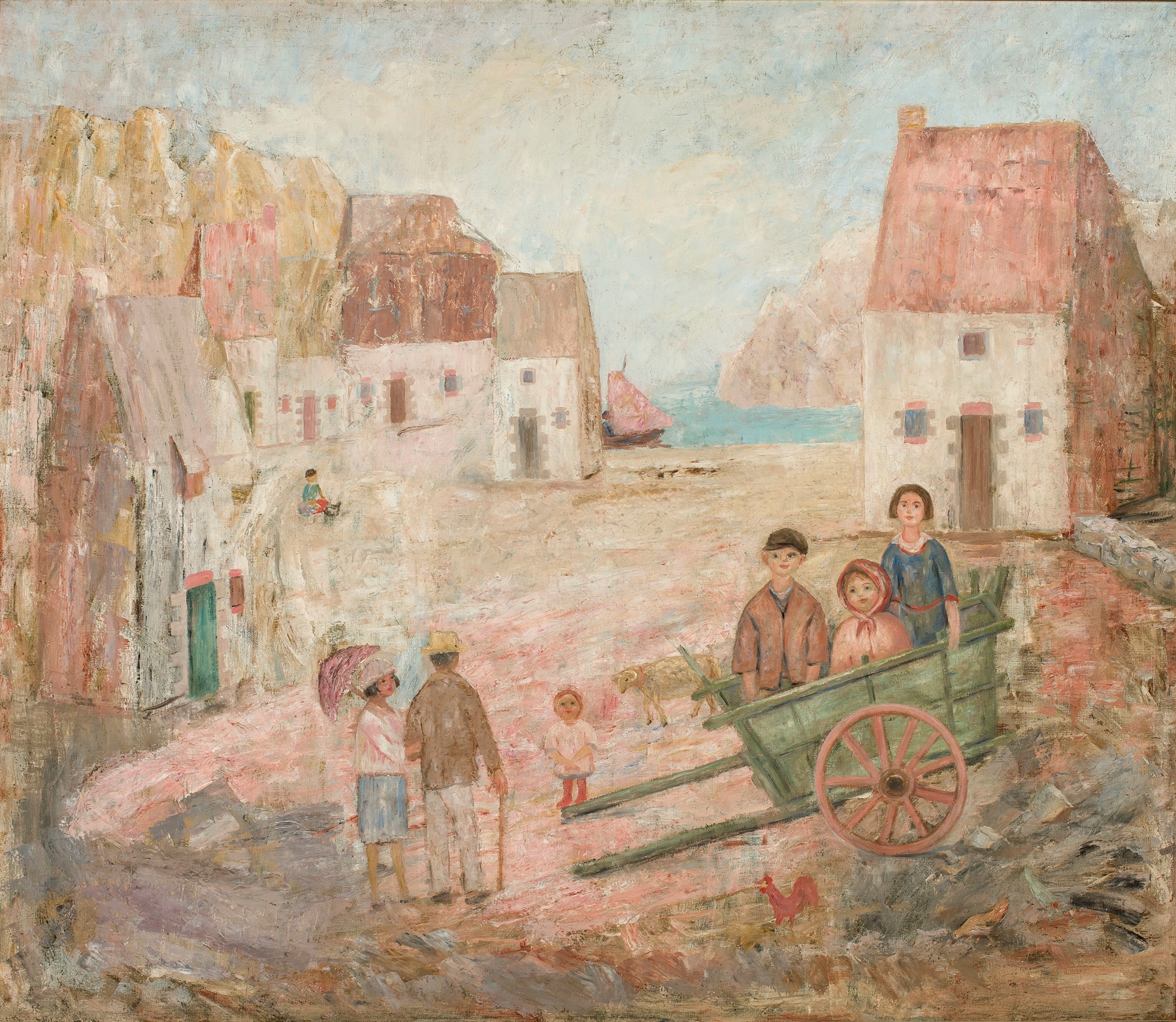
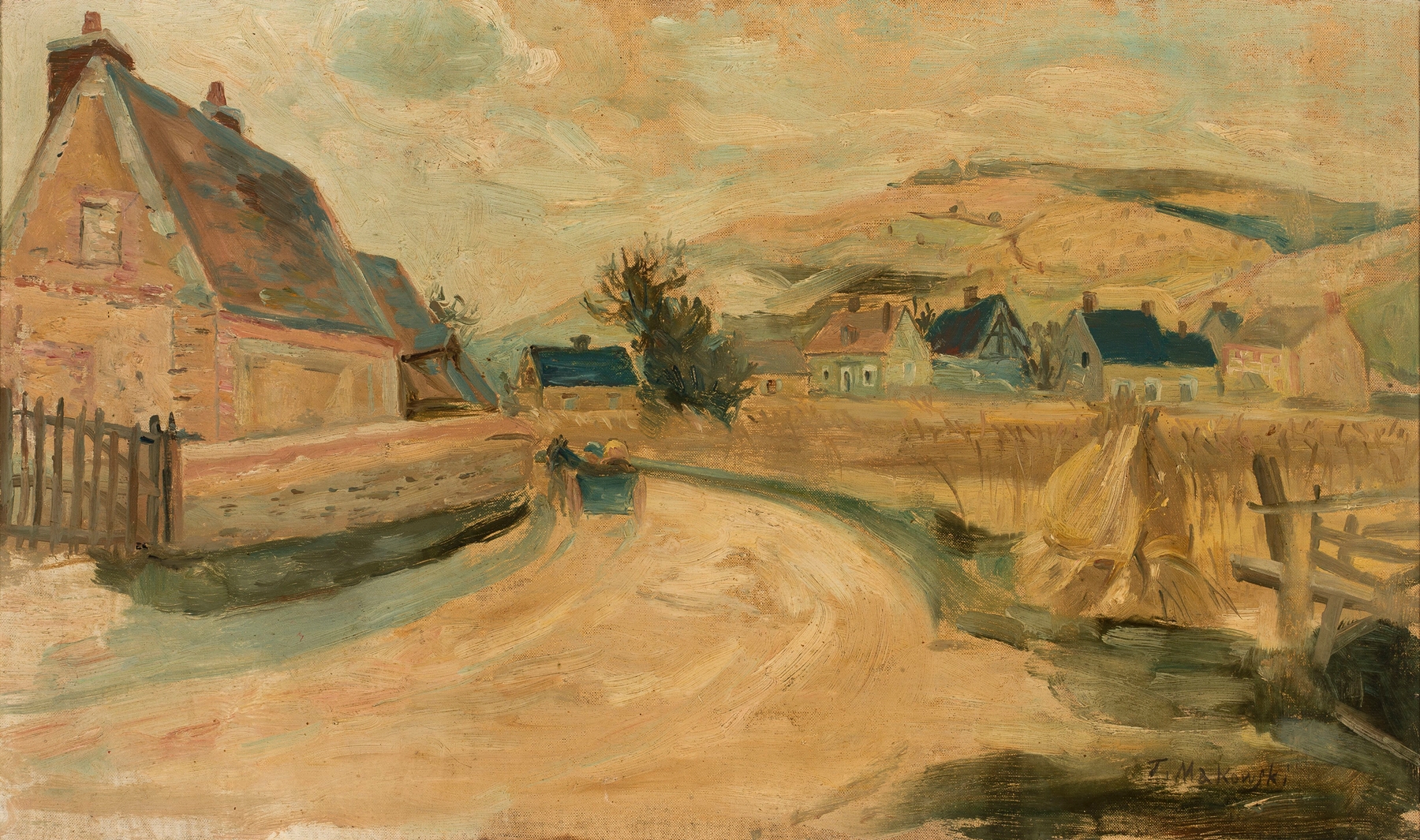
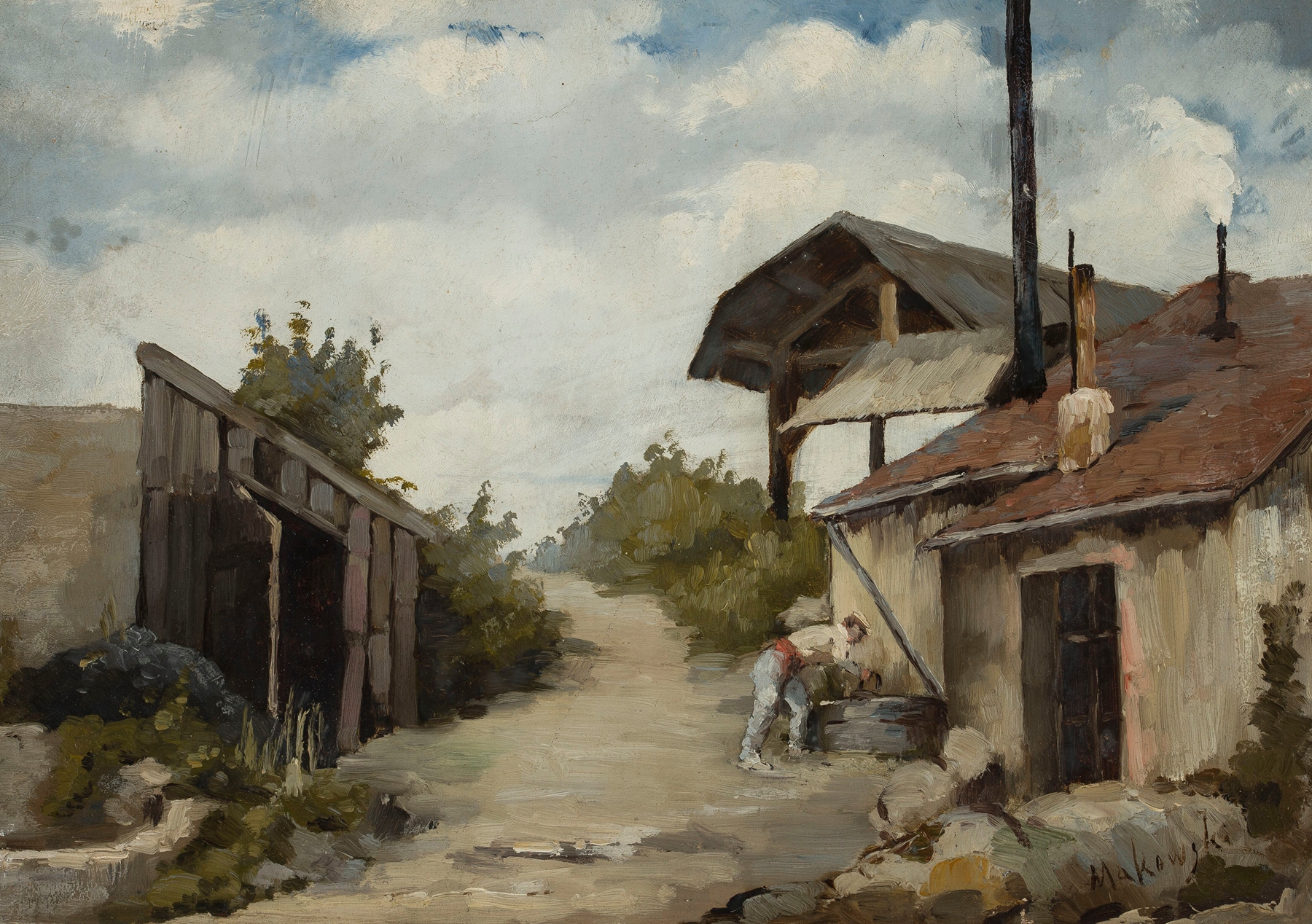
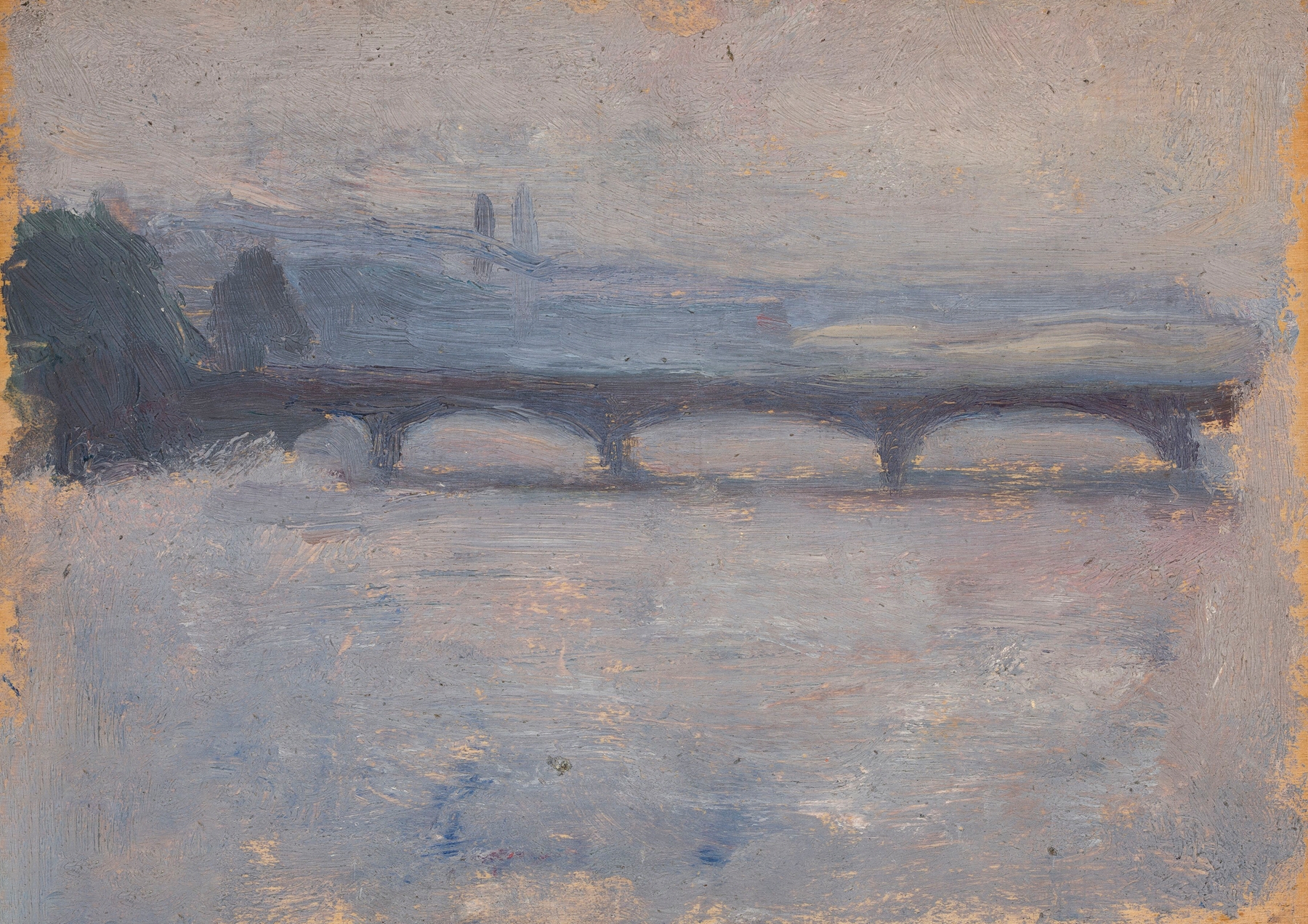
Who listens when art speaks of silence? In Pejzaż z wiatrakami, the stillness of a rural landscape whispers its secrets, revealing the fragile balance of nature and human presence. Look to the right at the gentle sweep of the windmills, their graceful forms standing sentinel against a expansive sky. The muted palette of greens and browns evokes a sense of tranquility, while soft strokes of white suggest the delicate movement of cloud and breeze.
Notice how the light filters through the wispy clouds, illuminating the scene with a tender glow, inviting viewers to breathe in the serene atmosphere that envelops the canvas. Yet beneath this calm surface lies a poignant tension. The windmills, though sturdy, symbolize the fleeting nature of human endeavor against the vastness of time. Their quiet resilience juxtaposes the fragile elements of the landscape, such as the delicate grasses swaying in the breeze.
This duality speaks to the transitory nature of life itself, inviting contemplation on the enduring against the ephemeral, a reflection on human effort amidst the ever-changing backdrop of nature. In 1907, Tadeusz Makowski created this work while immersed in the vibrant artistic movements of his time, influenced by both Impressionism and a desire to capture the essence of rural life. Living between France and Poland, he sought to bridge cultural influences while exploring themes of innocence and nostalgia. This painting, born from a period rich with artistic exploration, becomes a testament to both the beauty and fragility of existence, echoing the complexities of life that resonate deeply even today.