Pilatus toont Christus aan het volk (Ecce Homo) — History & Analysis
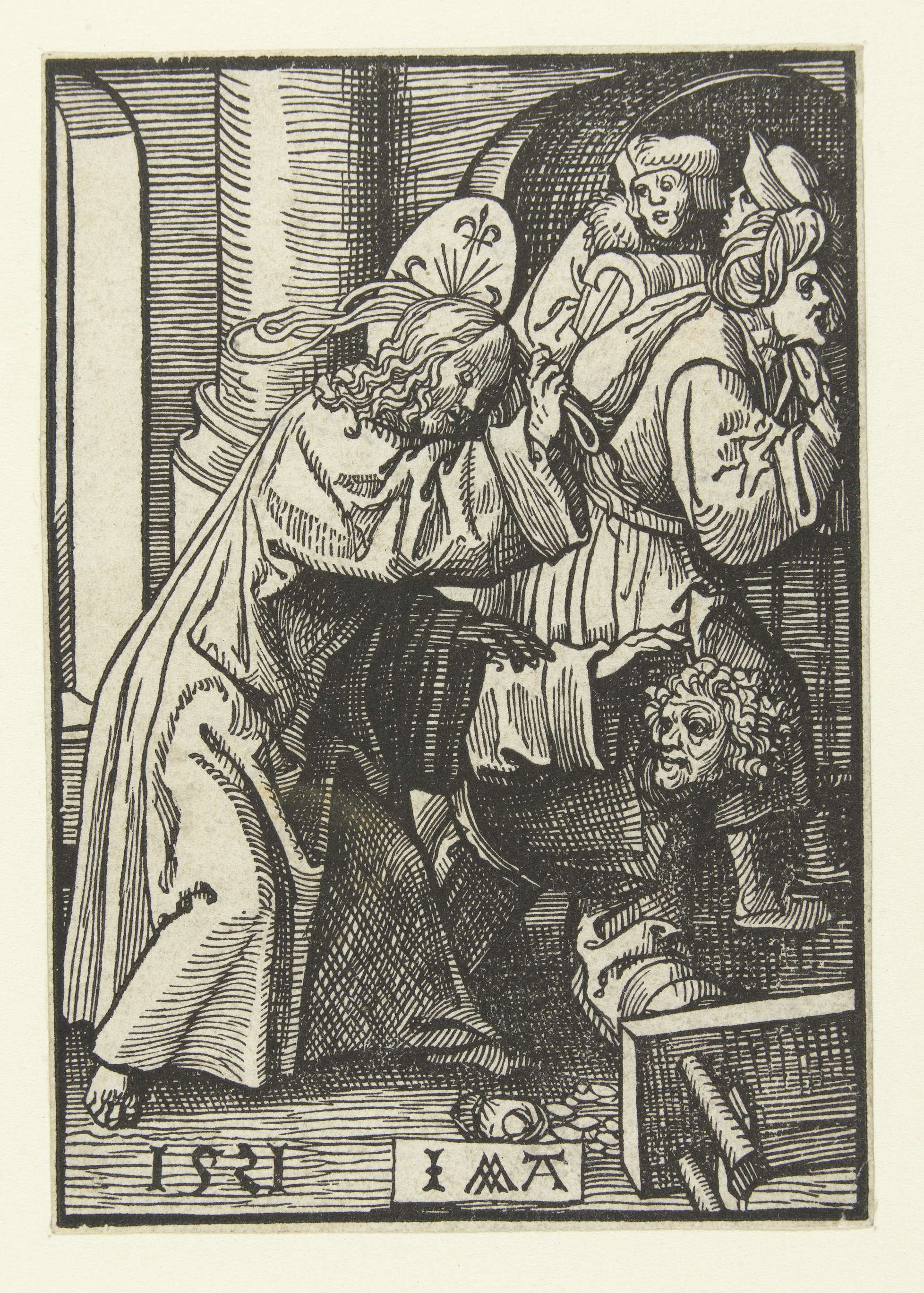
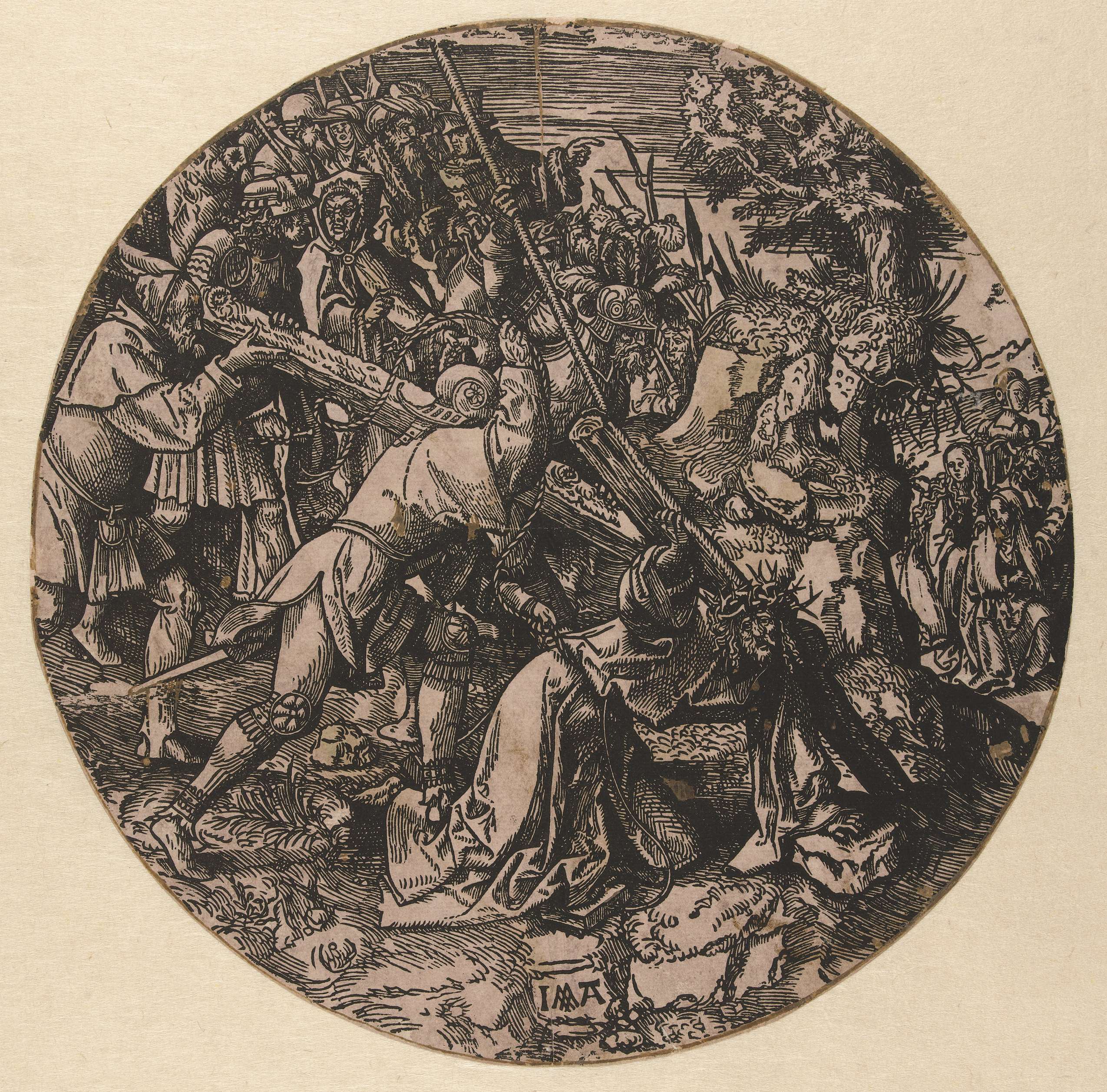
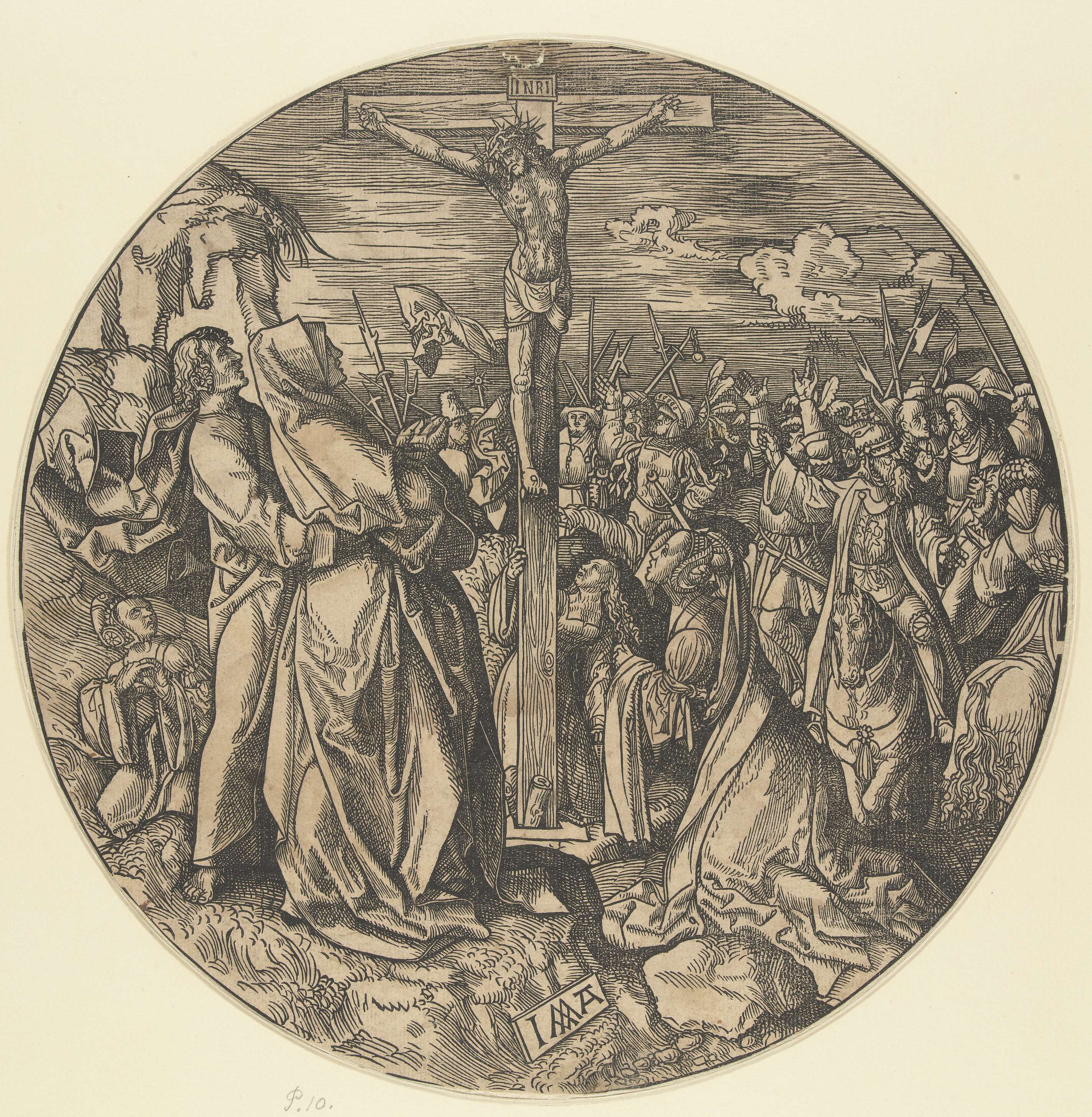
Is this a mirror — or a memory? In Ecce Homo, the moment suspended in time invites profound contemplation on the nature of divinity and humanity, fusing together the sacred and the earthly. Look closely at the central figure, where Christ stands bound, a striking contrast to the ornate garb of the surrounding officials. The somber palette of ochres and browns envelops the scene, while the piercing gaze of Christ reflects a quiet dignity amidst his plight. Notice how the light cascades down softly, illuminating his serene countenance, suggesting an ethereal aura that underscores his role as both victim and savior.
Your eye is drawn to the expressions of the crowd — a tapestry of emotions ranging from indifference to sorrow, each face a narrative in itself. Beneath the surface, this artwork grapples with the tension between power and vulnerability. Each figure's posture speaks volumes; the authority of Pilate looms large, yet his expression betrays uncertainty, hinting at the internal conflict of judgment. The juxtaposition of Jesus’s quiet resolve against the turmoil of the onlookers encapsulates the struggle between faith and despair.
Additionally, the use of light and shadow serves to deepen the emotional resonance, as the illumination of Christ’s figure starkly contrasts with the darkness surrounding him, alluding to the dichotomy of divine grace amidst human suffering. In the early 16th century, as he painted this scene, Jacob Cornelisz van Oostsanen was immersed in a vibrant artistic landscape, marked by the transition from medieval to Renaissance ideals. Working in Amsterdam during a period of religious upheaval and exploration, he navigated the influences of both Northern Renaissance art and early Reformation themes. This context profoundly shaped his exploration of themes like divinity, sacrifice, and the human condition, as he sought to convey both the physical and spiritual weight of this pivotal moment in history.