Plymouth Dockyard after the Fire — History & Analysis
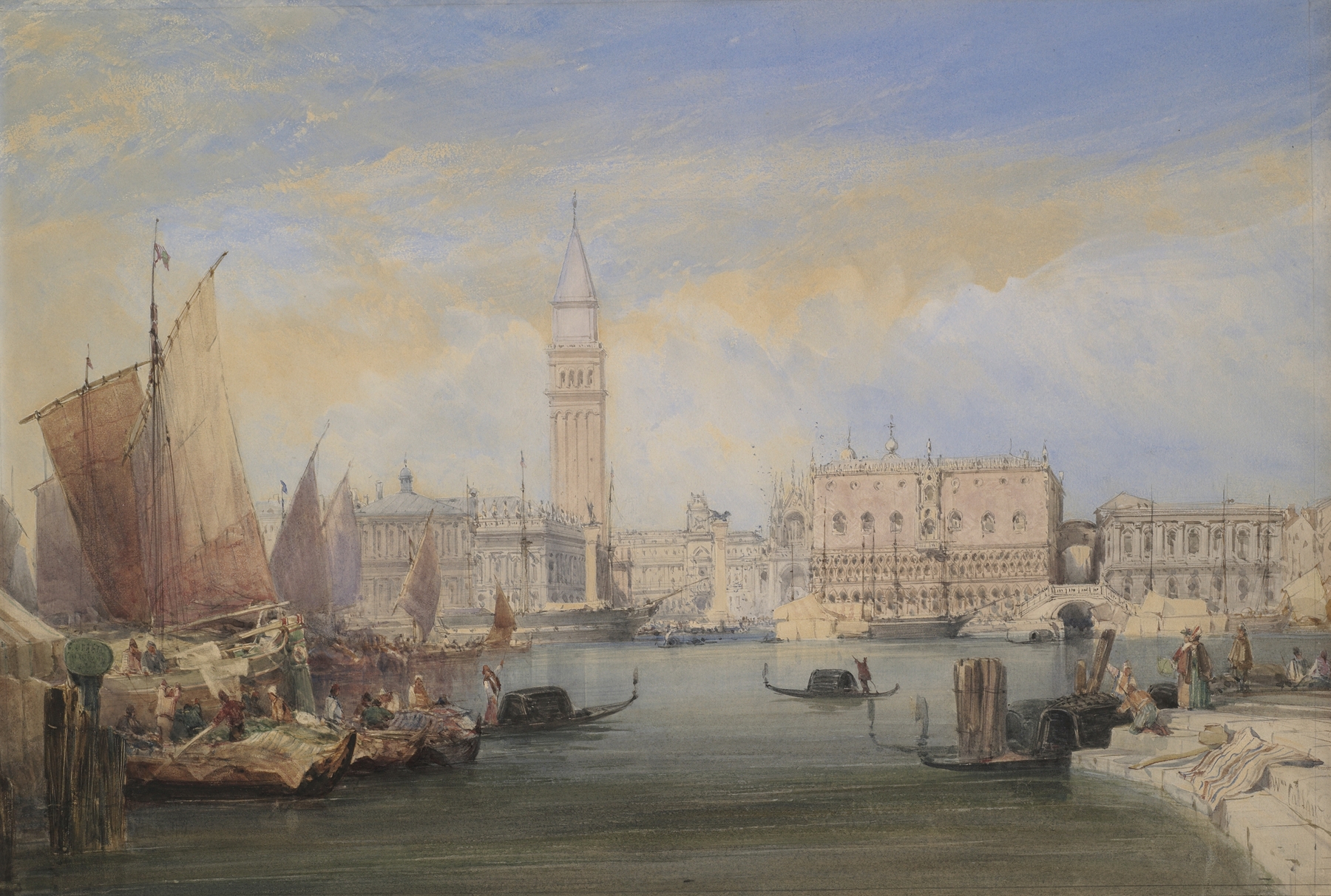
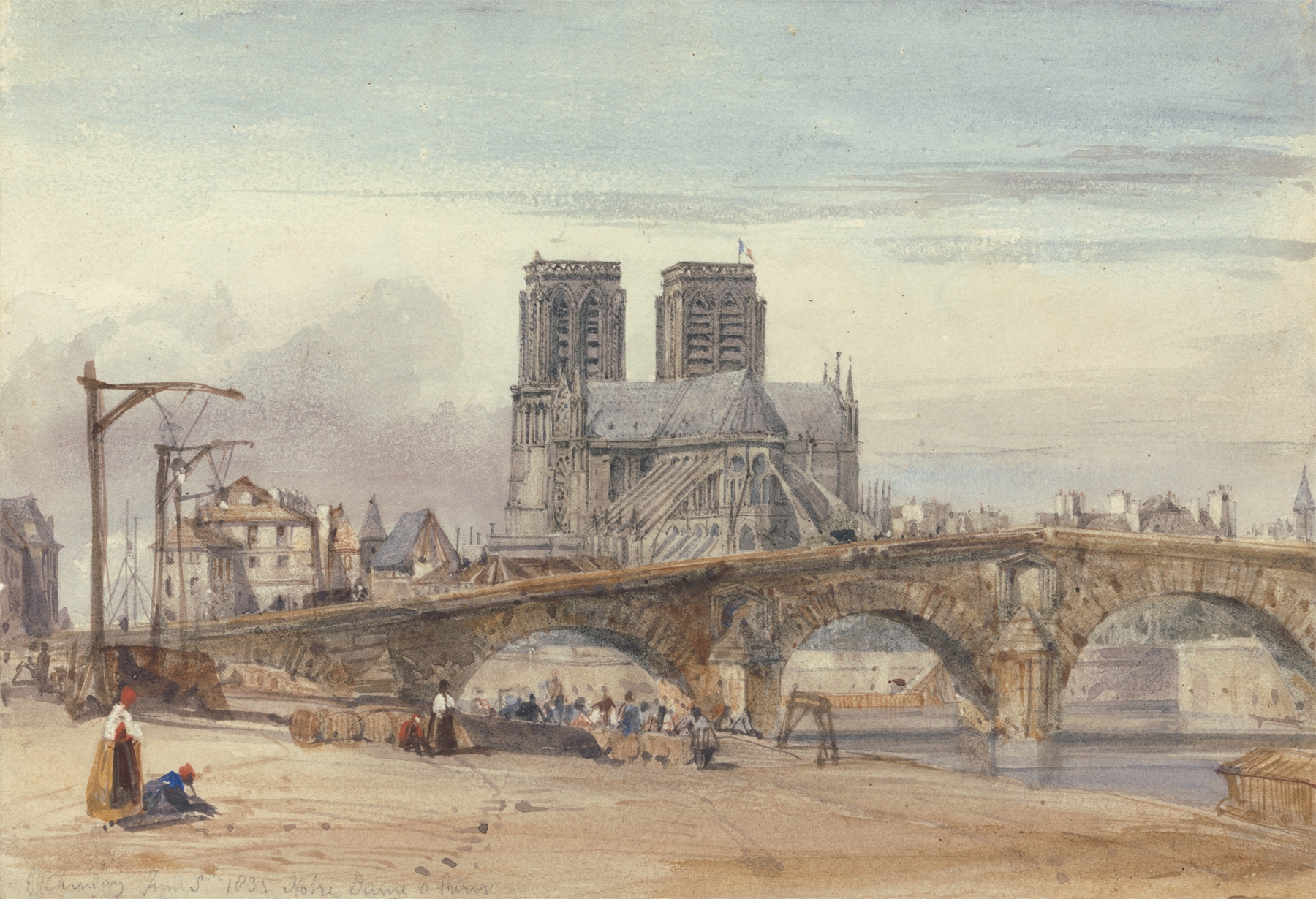
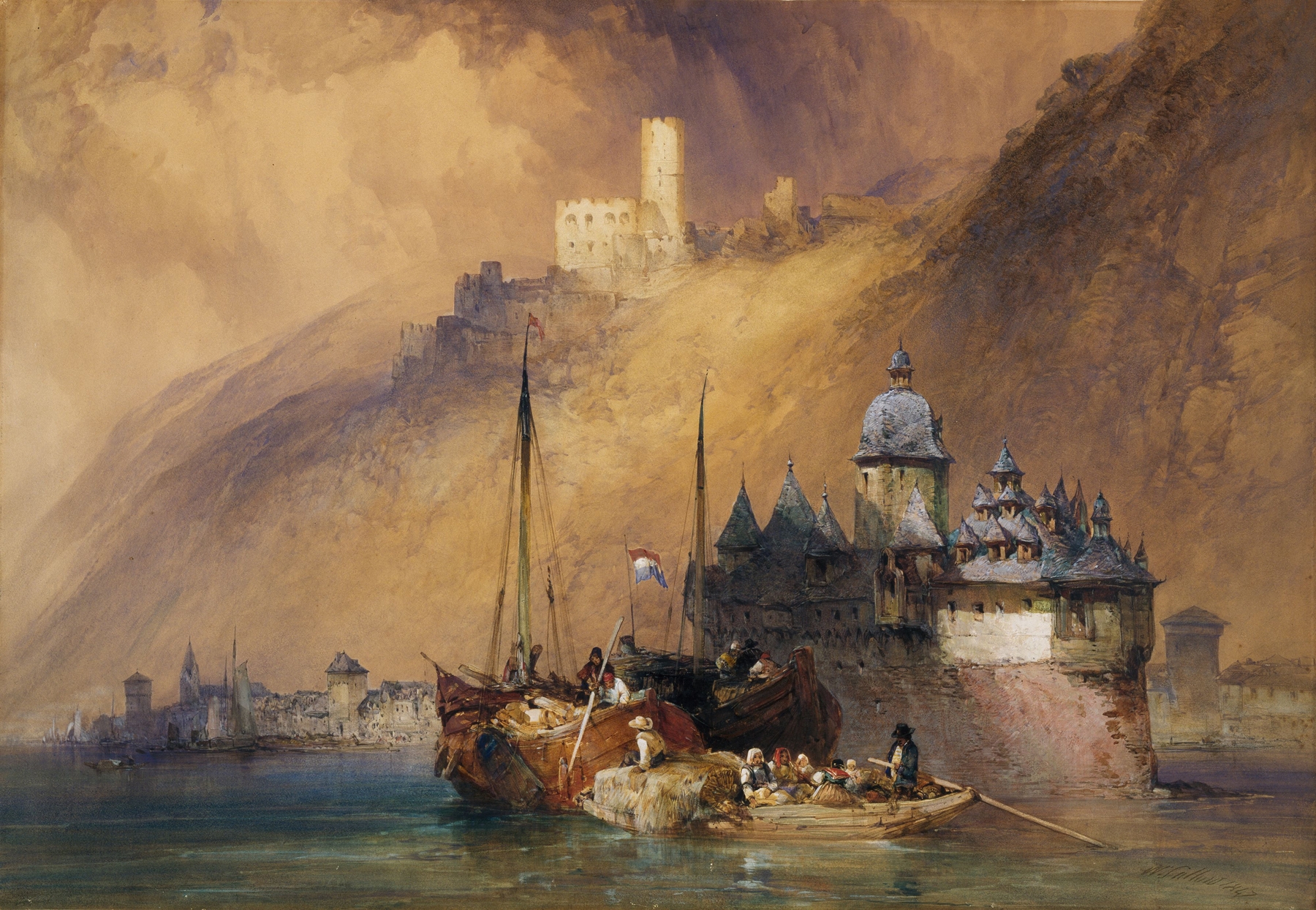
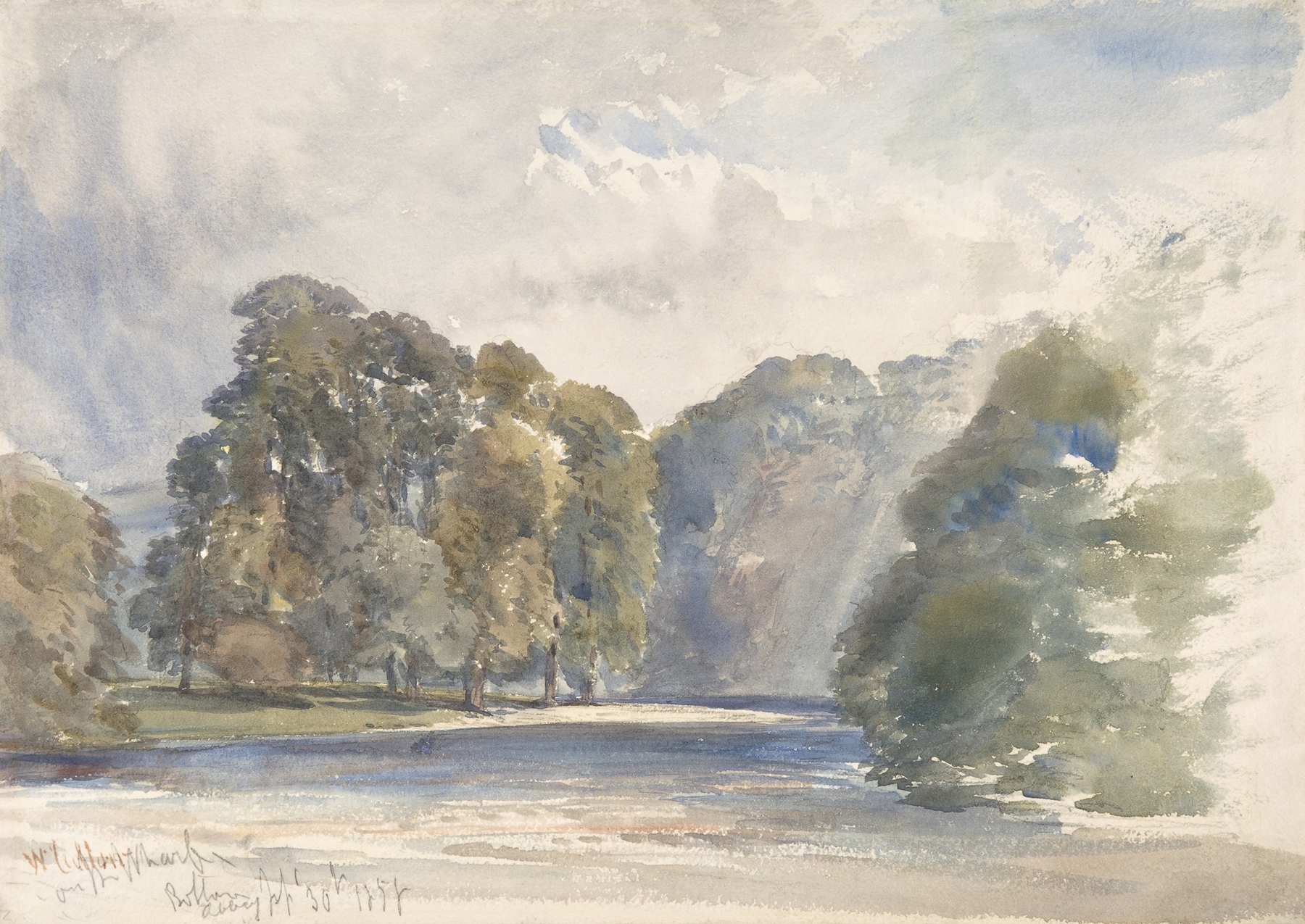
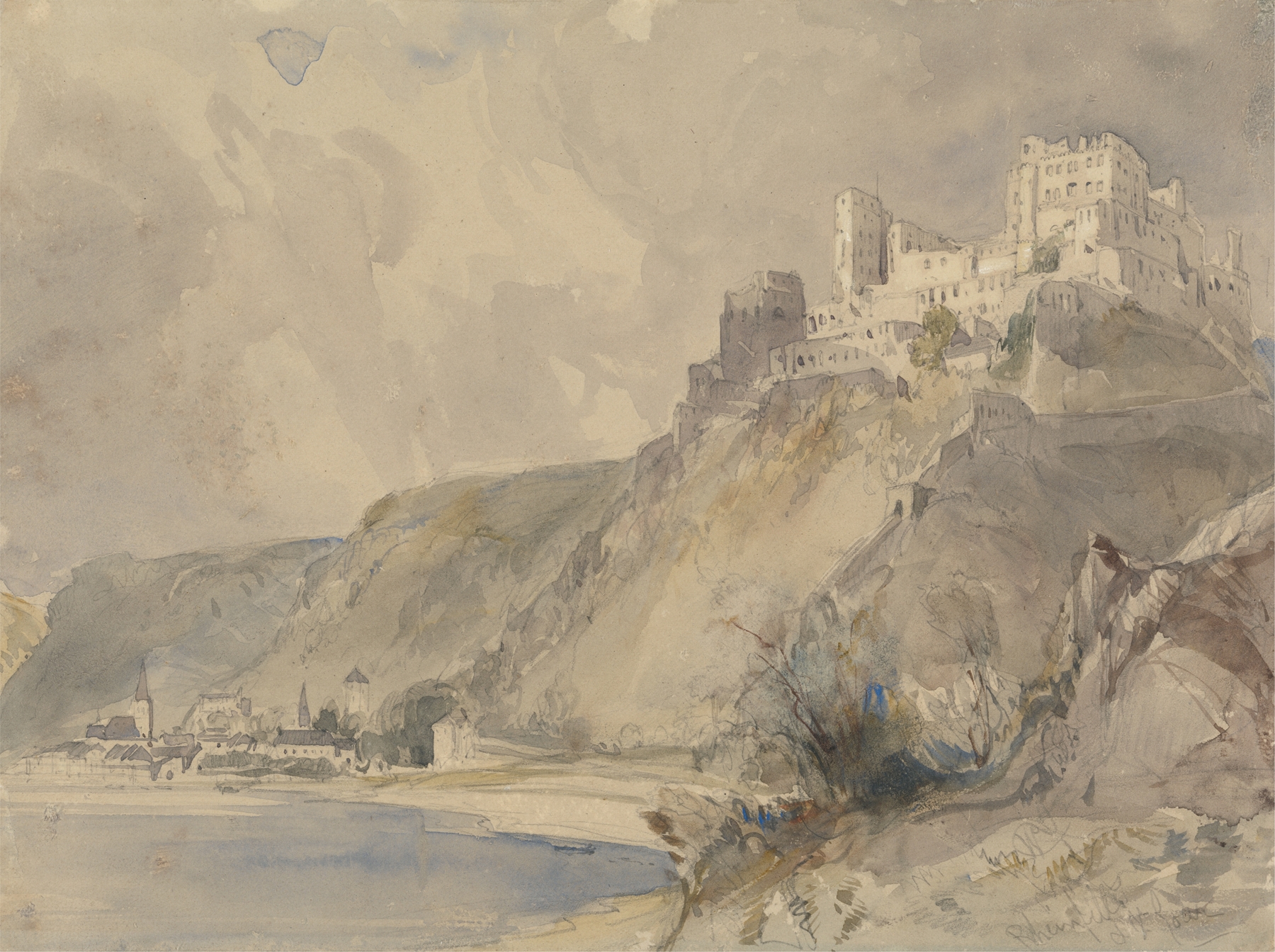
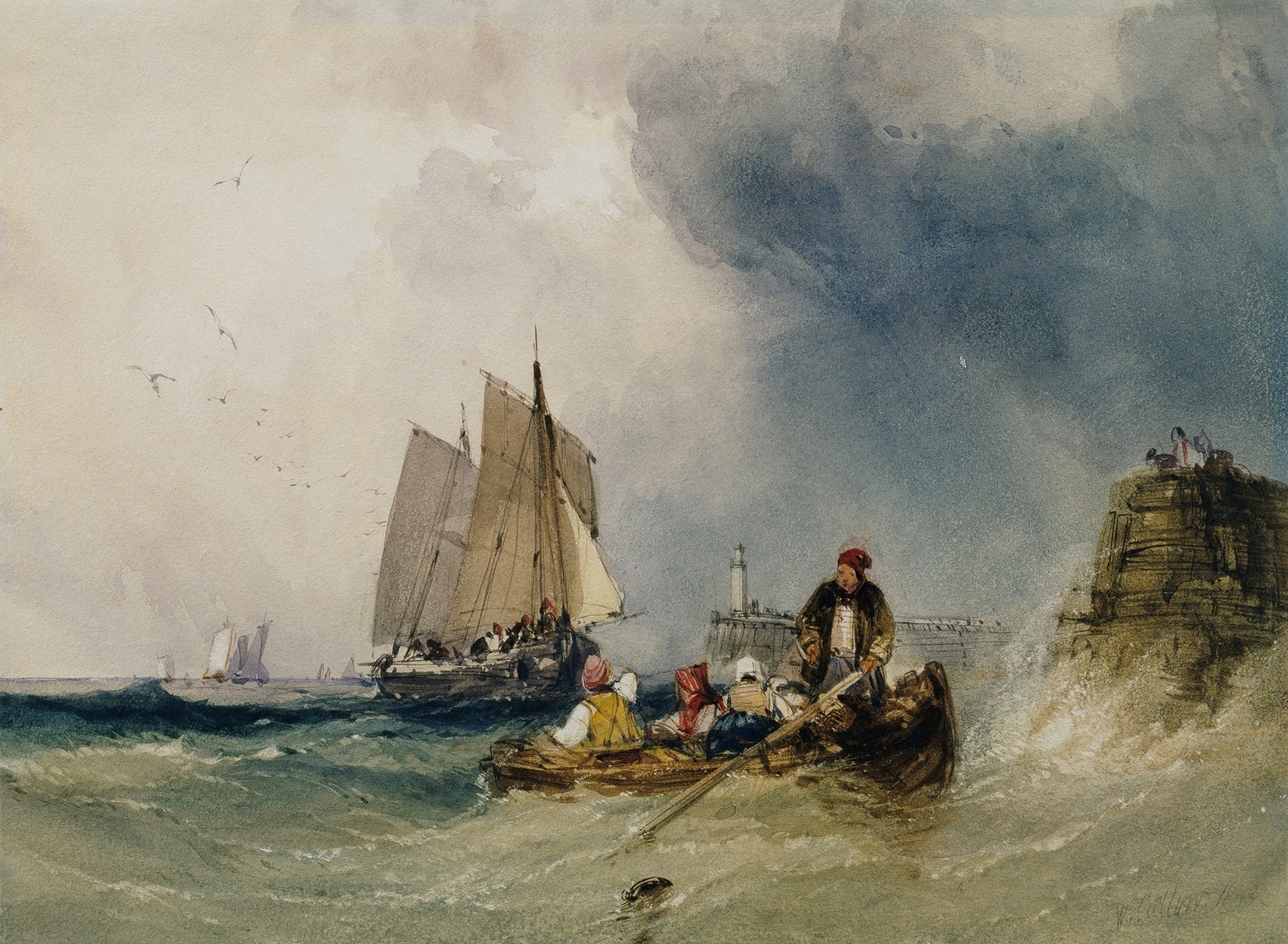
Where does light end, and longing begin? In the aftermath of destruction, a new dawn stirs amidst the remnants of yesterday. Look to the left at the soft hues of dawn breaking over the water, painting the sky in shades of golden amber and soft lavender. Notice how the gentle light reflects on the surface, creating a shimmering path that leads toward the distant horizon. The dark silhouettes of charred structures stand solemnly, their outlines softened by the rising light, suggesting the lingering shadows of grief even as hope begins to emerge.
Callow’s brushwork conveys both the aftermath of chaos and the beauty of renewal, drawing the eye across the canvas as one contemplates the duality of loss and rebirth. The juxtaposition of light and darkness in this piece invites a meditation on resilience. The burnt remains of the dockyard signify the scars of destruction, yet the radiance of dawn hints at a transformative possibility. The juxtaposed elements tell a story of endurance; what was once lost can rise anew.
The careful balance of colors and textures creates an emotional tension, echoing the fragile, yet hopeful, human spirit as it navigates between despair and renewal. William Callow painted this evocative work in 1840, during a period marked by significant changes in Britain’s industrial landscape. Having established himself in London after moving from his native England, he witnessed the monumental shifts of his time—from the rise of industrial innovation to the societal transformations that accompanied it. This painting, reflective of both personal and collective rebirth, emerges amidst a backdrop of recovery from disaster, resonating with the spirit of an era striving towards regeneration and hopefulness.