Red Sea, Suez — History & Analysis
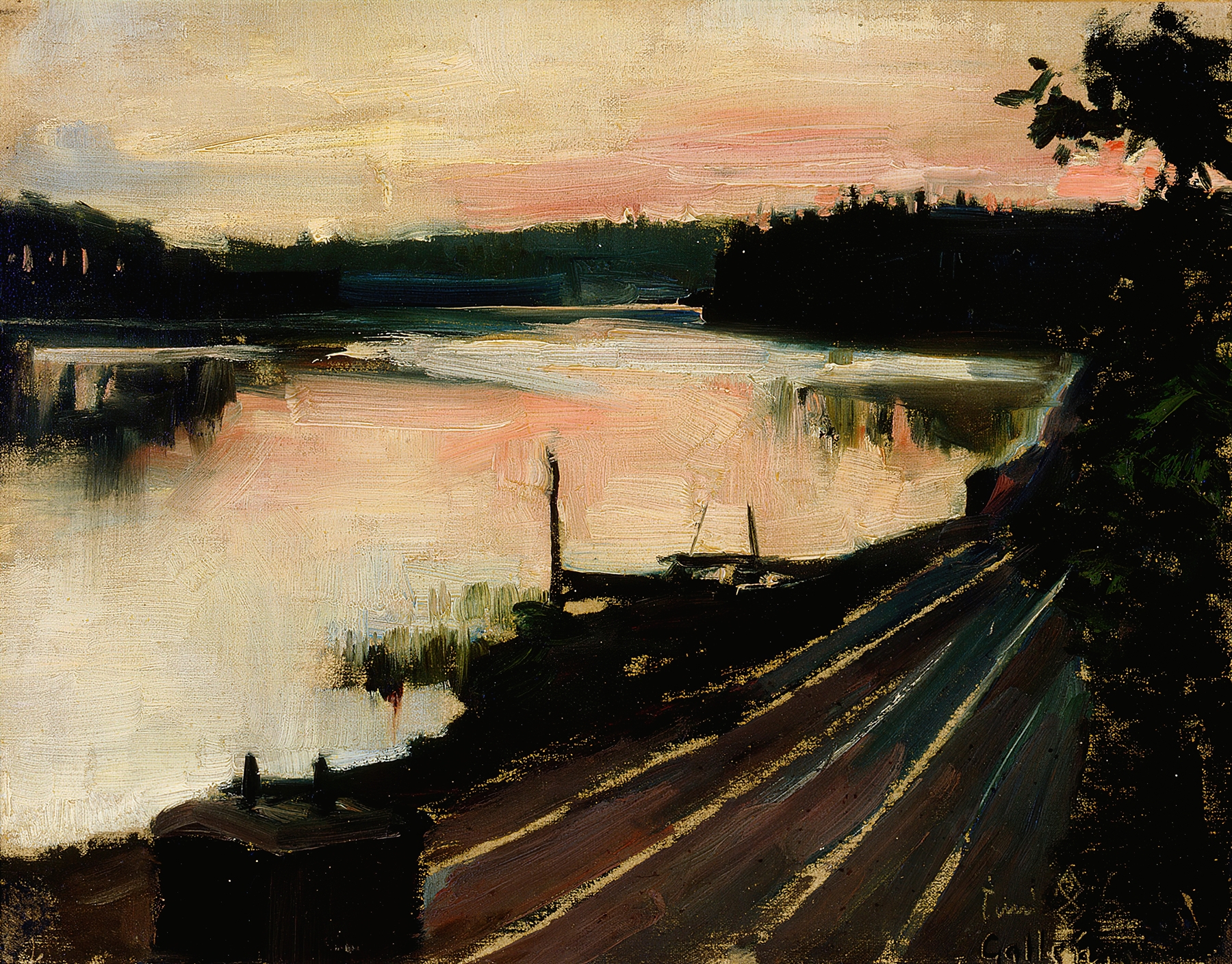
“Between color and silence, truth hides.” In the vast expanse of the canvas, rebirth blooms amidst the tension of vibrant hues and deep shadows, mirroring both nature’s fury and its tranquil genesis. Look to the left at the bold strokes of red that surge from the depths of the sea, a visceral testament to the violent beauty of the wave. The interplay of this intense color against cooler blues and greens creates a striking contrast, drawing the eye towards the horizon where chaos meets calm. Notice how the artist employs dramatic lighting to highlight the churning water, imbuing the scene with a palpable energy that vibrates with life.
This artwork captures not just a moment in nature but the essence of transformation. The tumultuous waves signify not only the physical power of the sea but also the metaphorical notion of rebirth from chaos. The horizon, bathed in soft light, promises a new dawn—a poignant juxtaposition to the ferocity below. Each brushstroke embodies the duality of destruction and creation, prompting viewers to reflect on their own journeys through turbulence towards renewal.
In 1909, Akseli Gallen-Kallela painted Red Sea, Suez while living in Finland, immersed in the Symbolist movement and inspired by the landscapes of his travels. During this period, he sought to express not only the external world but also the inner emotional landscapes of humanity. His explorations into color and form were reflective of both personal and societal transformations, encapsulating the spirit of an era that craved both understanding and rebirth.