Winter, Spuyten Duyvil — History & Analysis
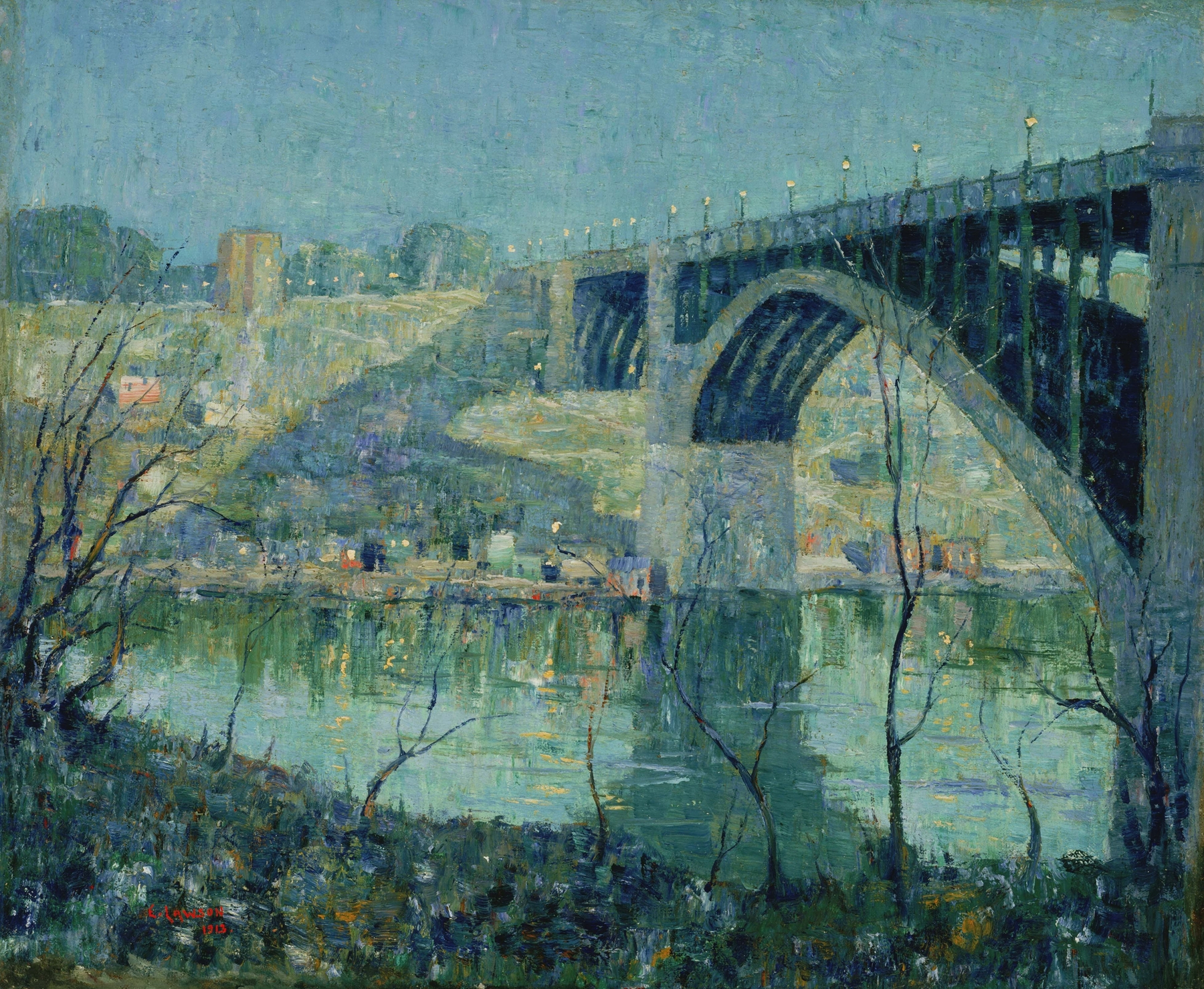
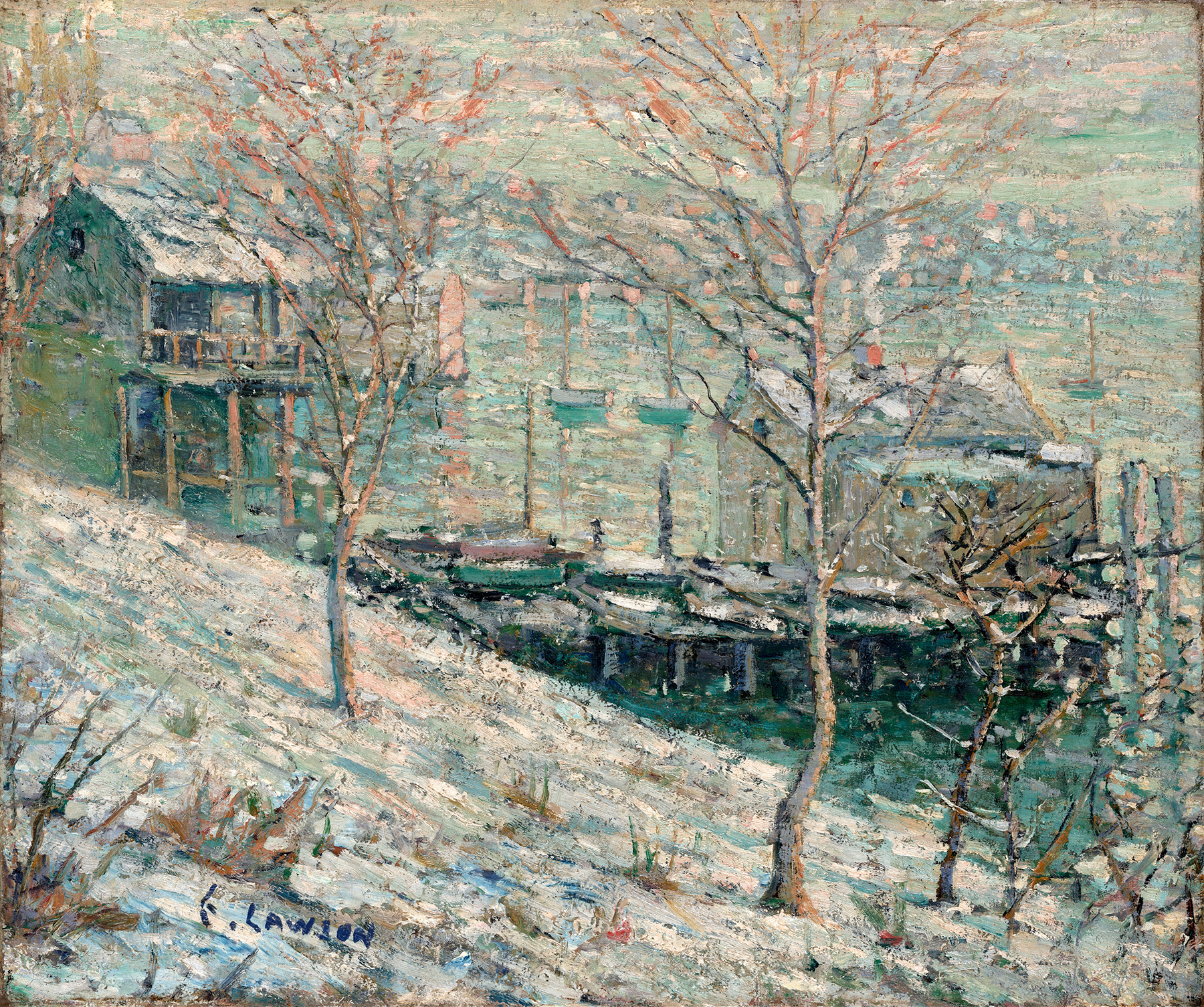
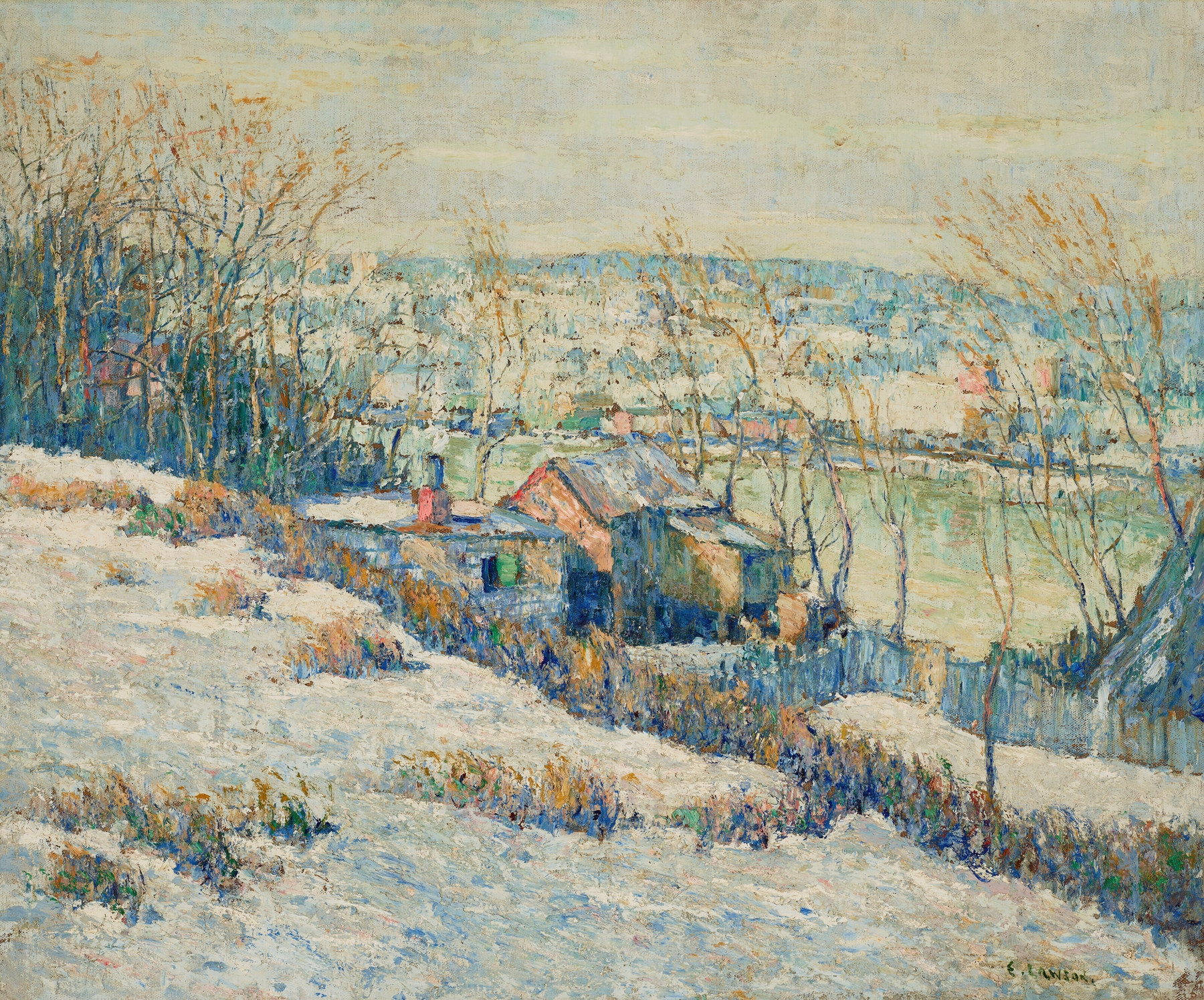
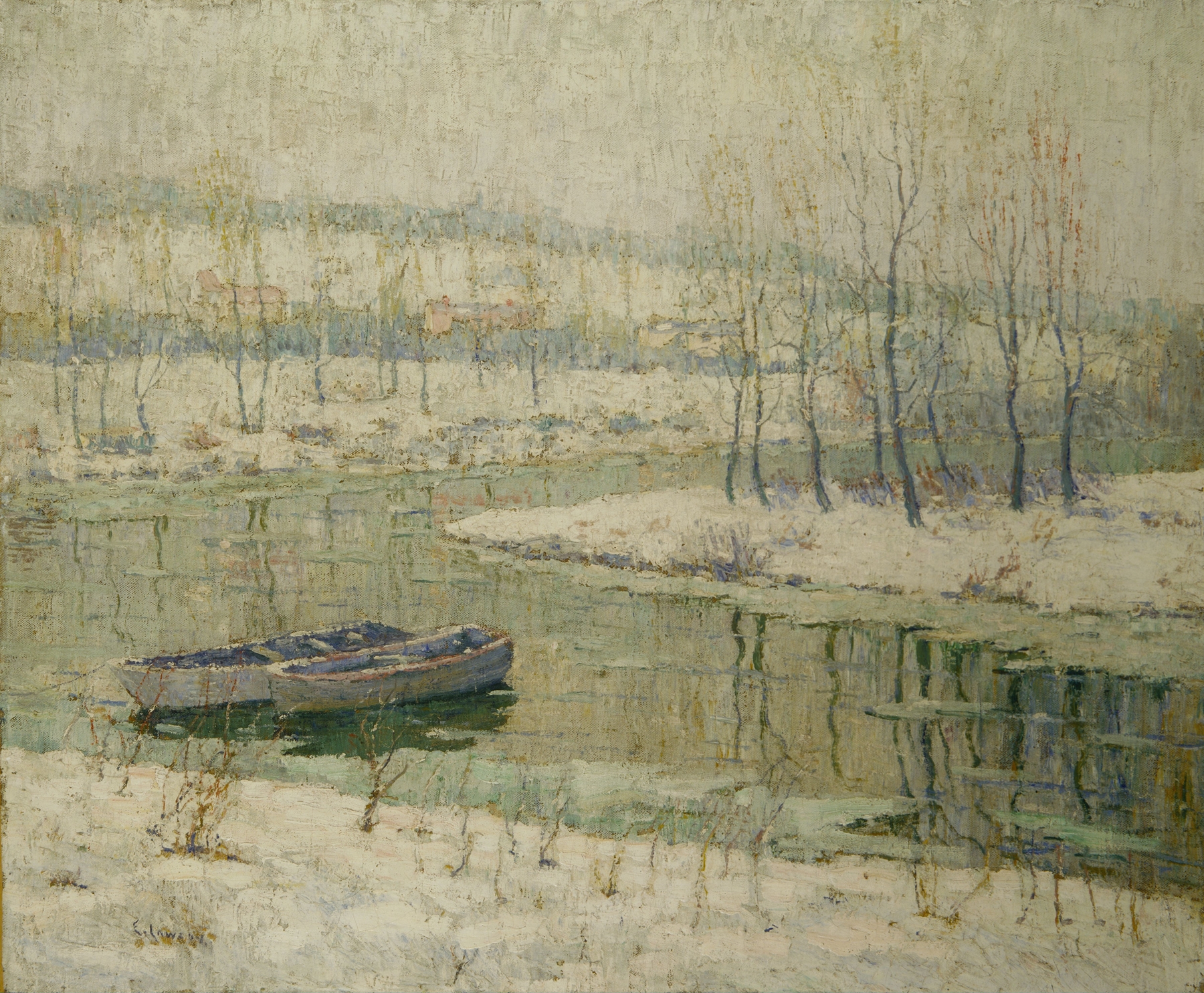
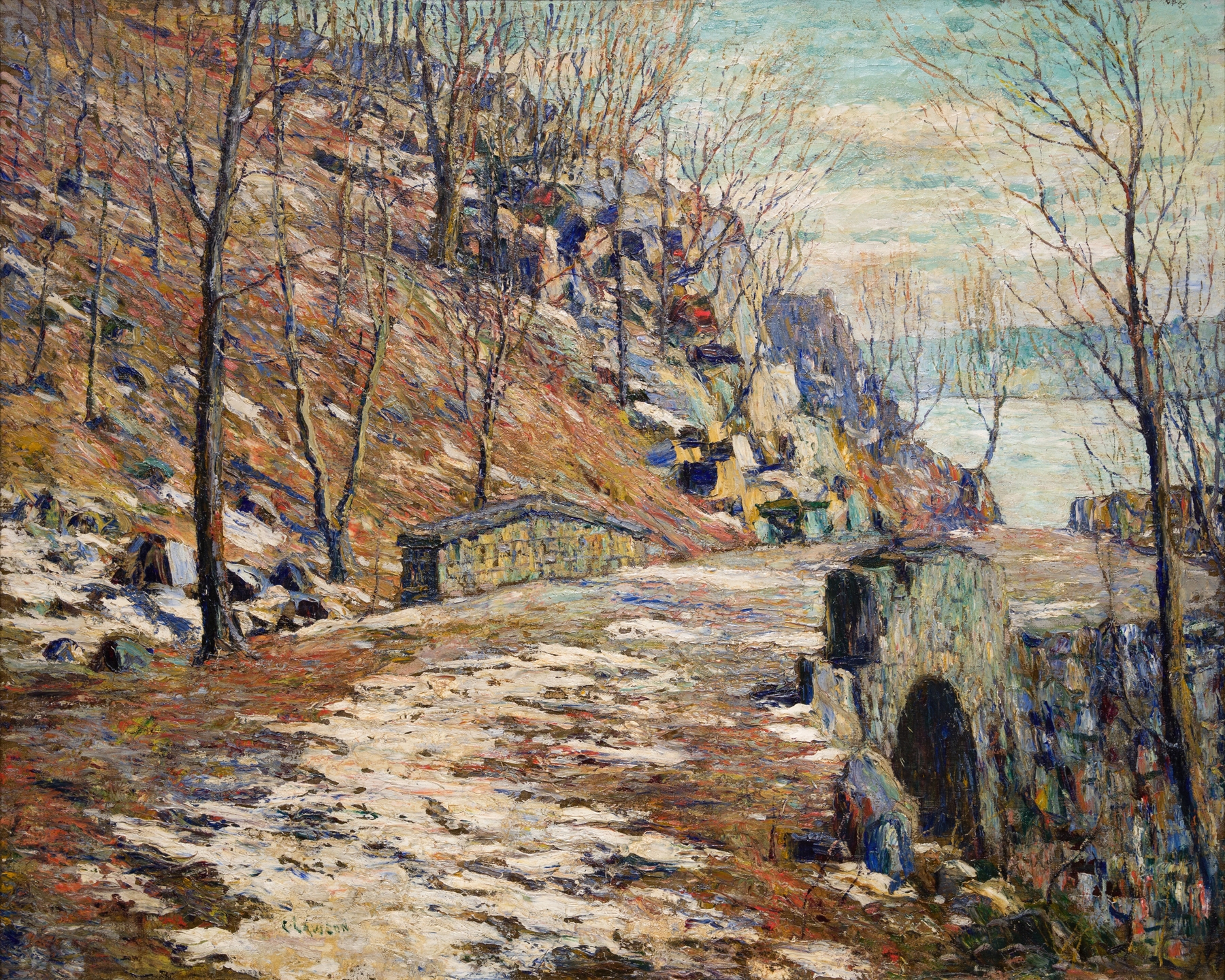
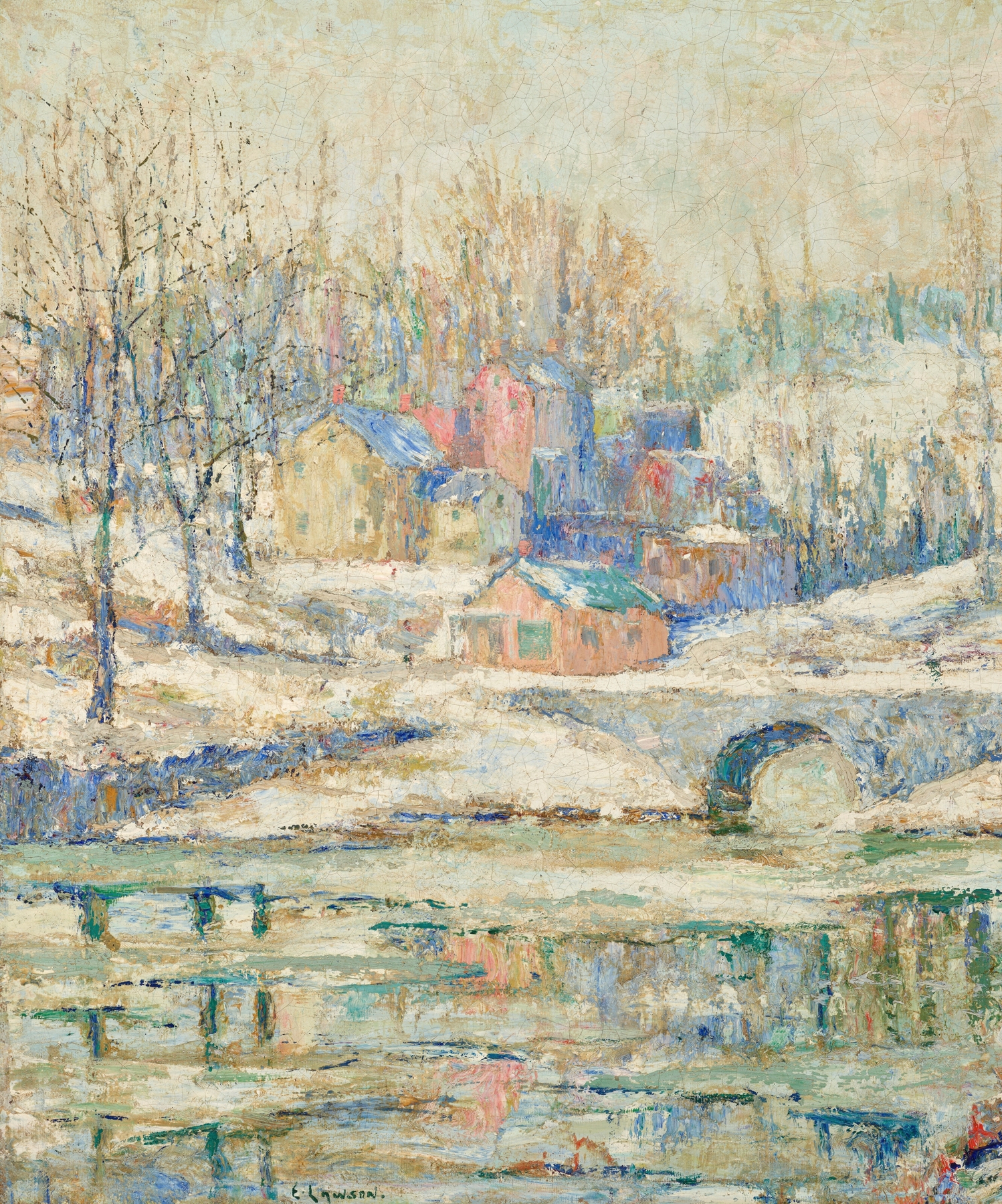
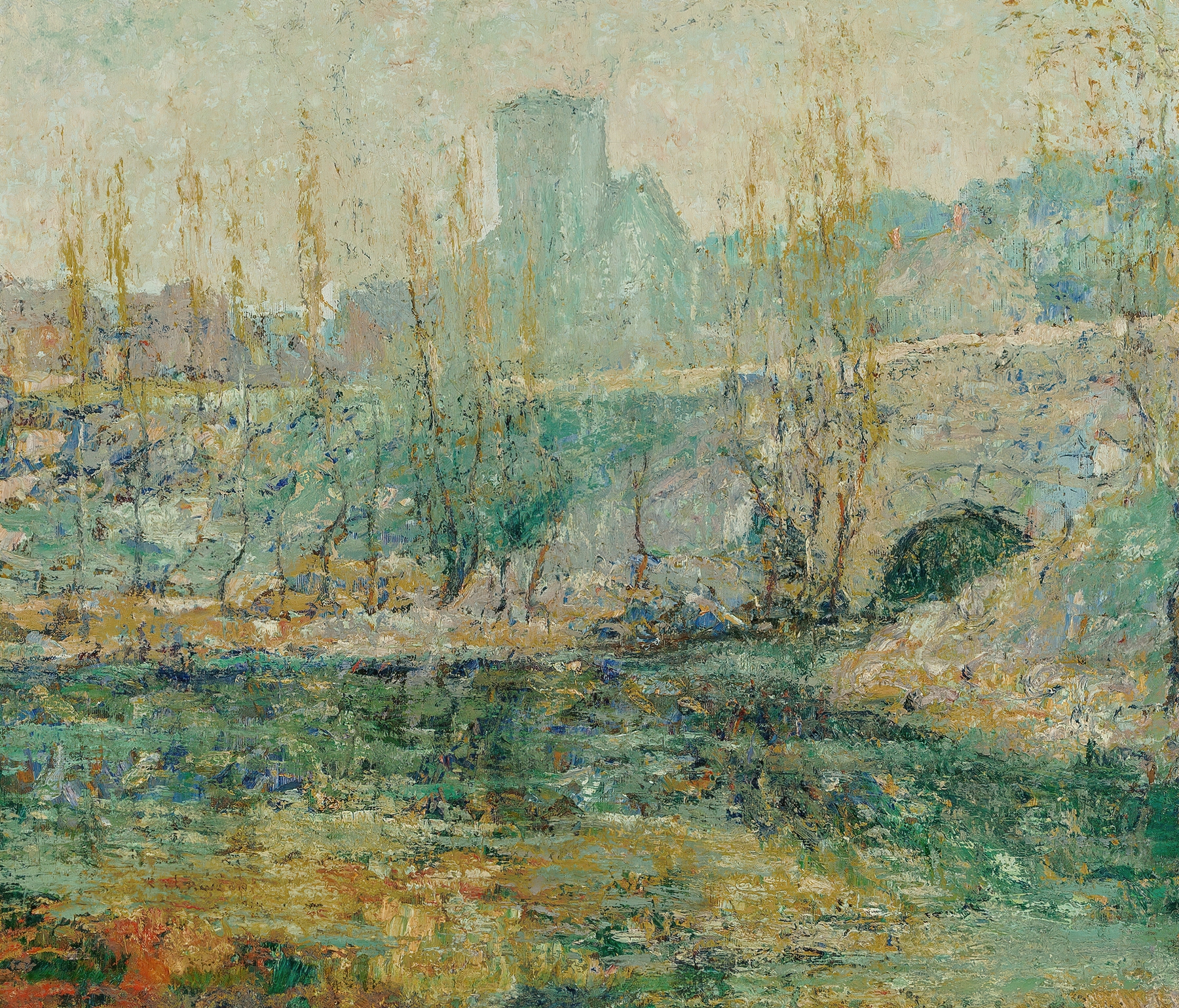
“The canvas doesn’t lie — it simply waits.” In the crispness of winter, revelations unfold not just in the fleeting moments of life but in the quiet stillness of nature's embrace. Look closely at the lower half of the canvas, where the icy river glides past the snow-laden banks. The muted blues and whites blend seamlessly, creating an ethereal quality that draws you into the scene. Notice how the gentle brushstrokes convey the chill in the air, while clusters of trees, their branches heavy with snow, frame the composition, adding depth and perspective. The light dances upon the water’s surface, hinting at the sun’s warmth hidden somewhere beyond the horizon.
Yet, beneath this serene exterior lies a tension between solitude and connection. The viewer's eye is instinctively guided toward the distant figures, small and almost insignificant against the vast landscape. They evoke the human struggle against nature, suggesting a narrative of isolation amidst beauty. The contrasting earth tones of the land against the cool palette of the water hints at the duality of winter — a season that both reveals and conceals.
In 1908, when Winter, Spuyten Duyvil was created, Lawson was at the forefront of the American Impressionist movement. Living in New York, he was influenced by his urban surroundings while also finding solace in the natural landscapes nearby. The world was in a state of transition, with rapid industrialization and a burgeoning art scene that embraced new techniques and perspectives. This painting reflects his mastery of light and color, emblematic of a time when artists began to explore the emotional resonance of nature through their work.