Rue Damiette, à Rouen — History & Analysis
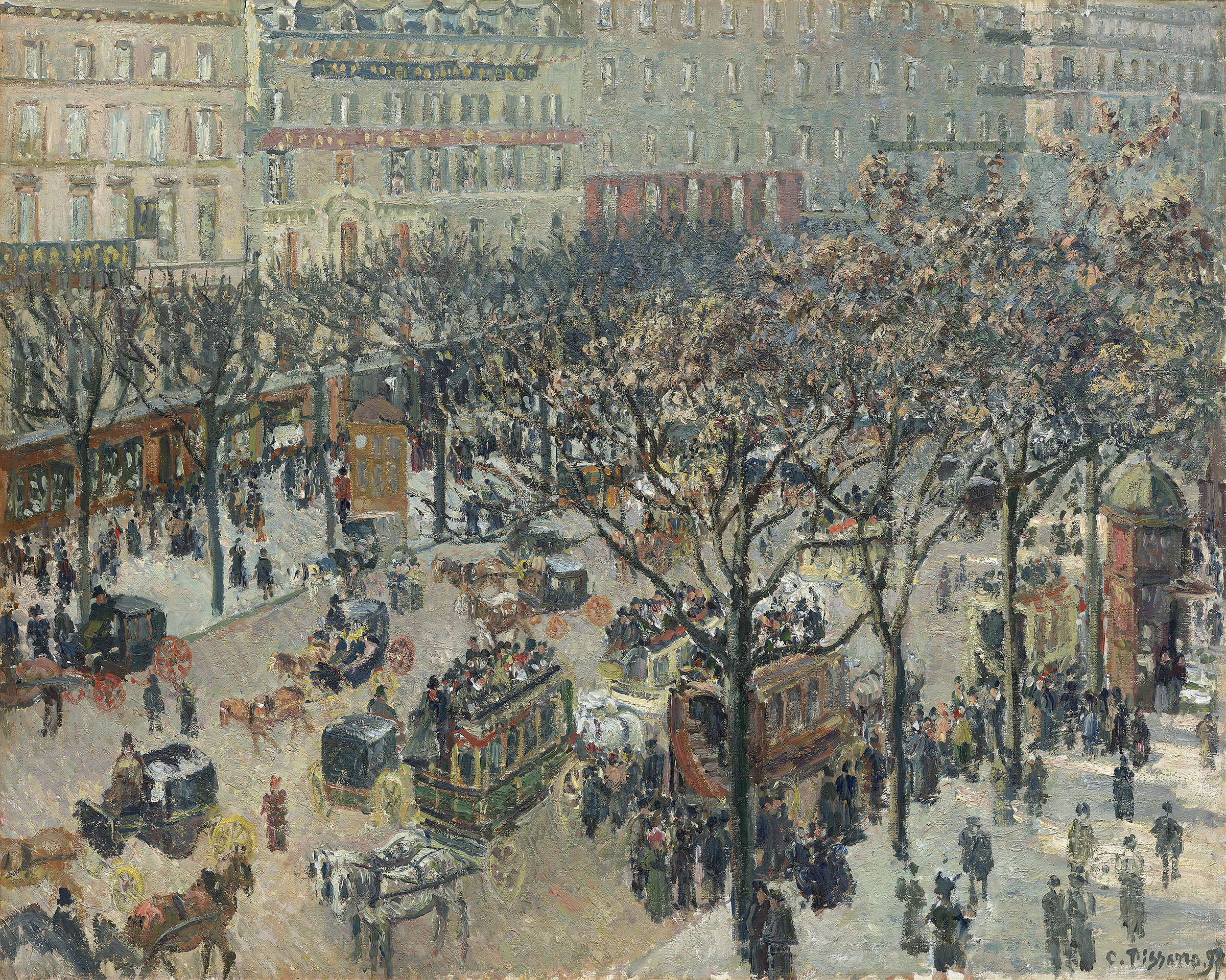
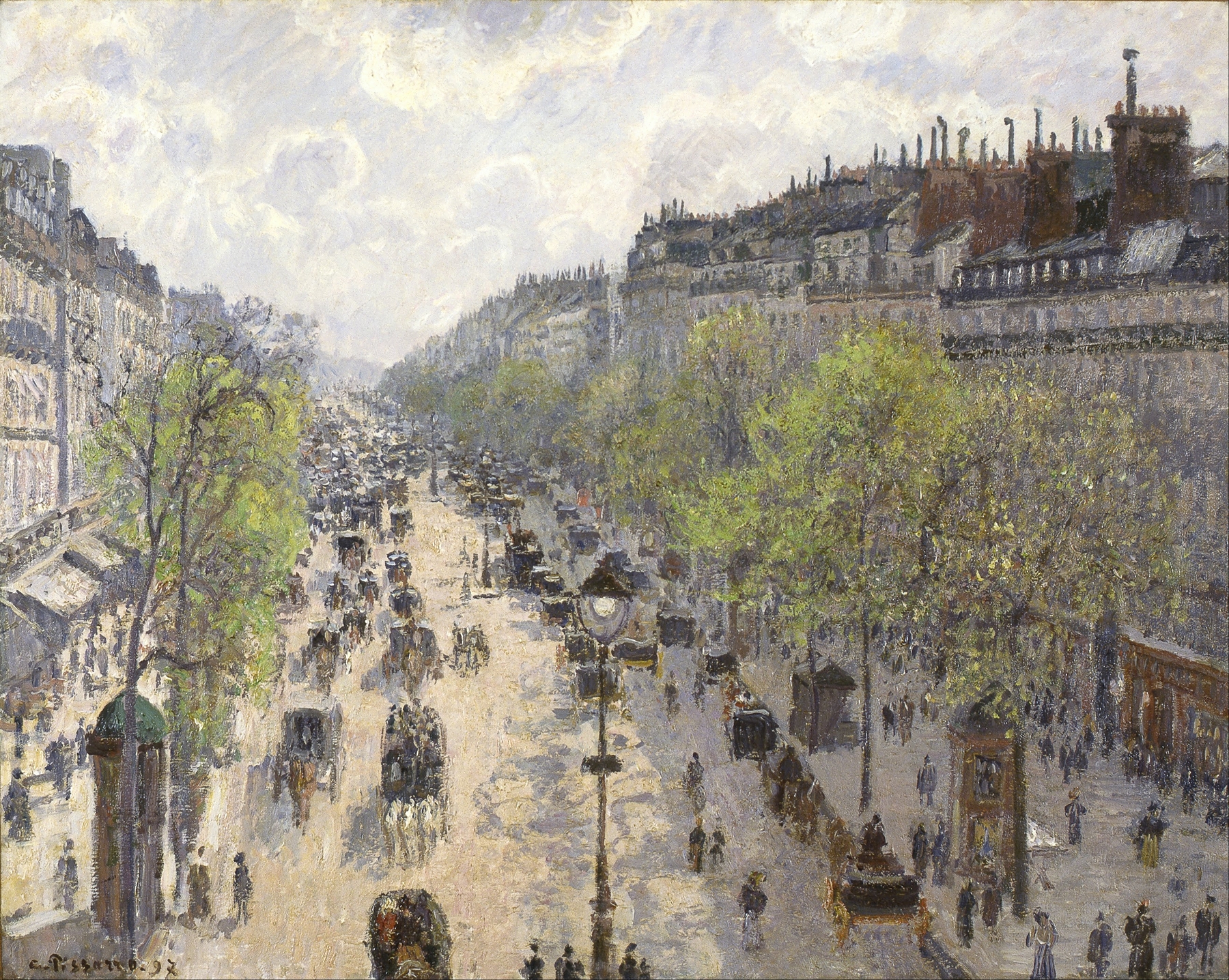
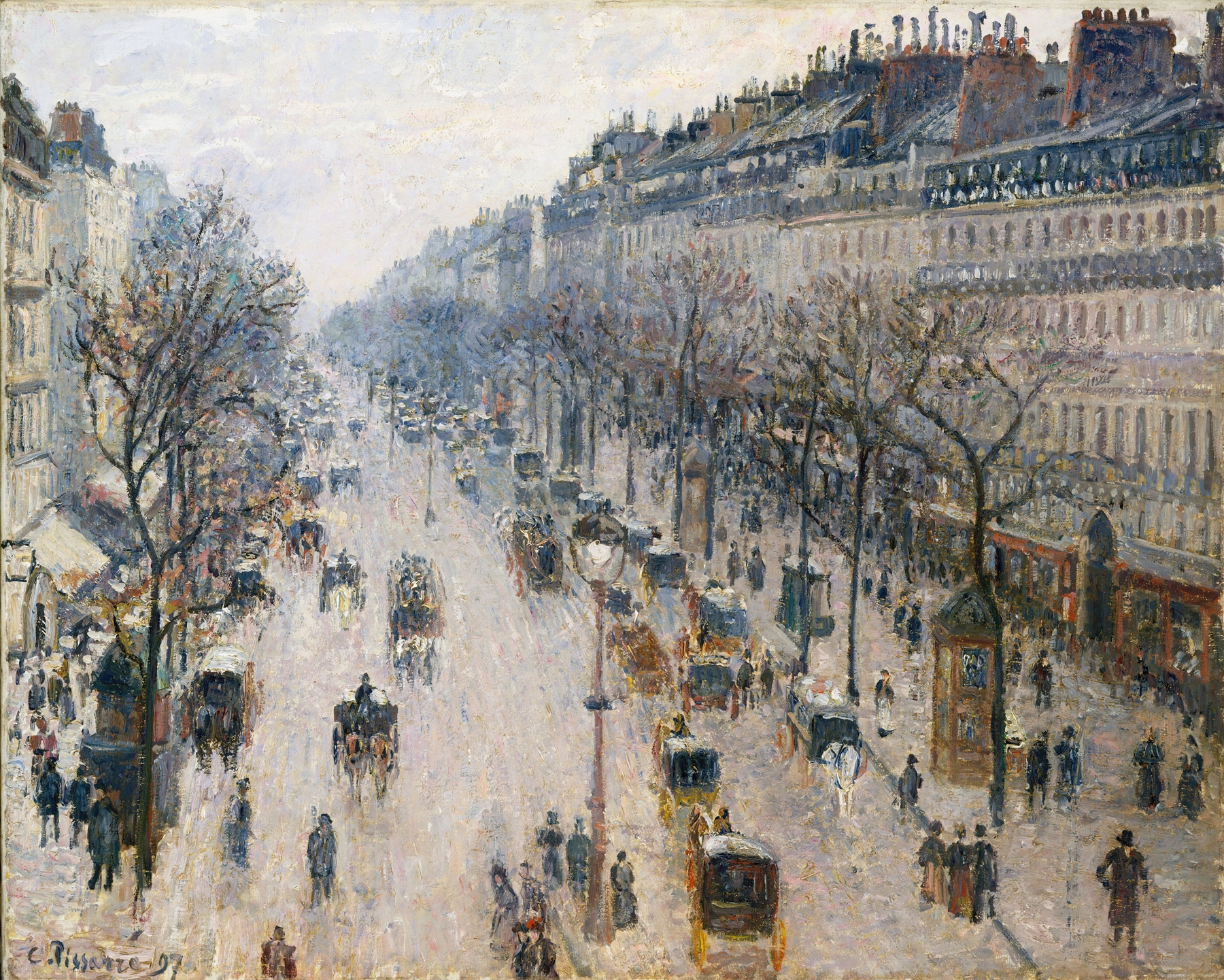
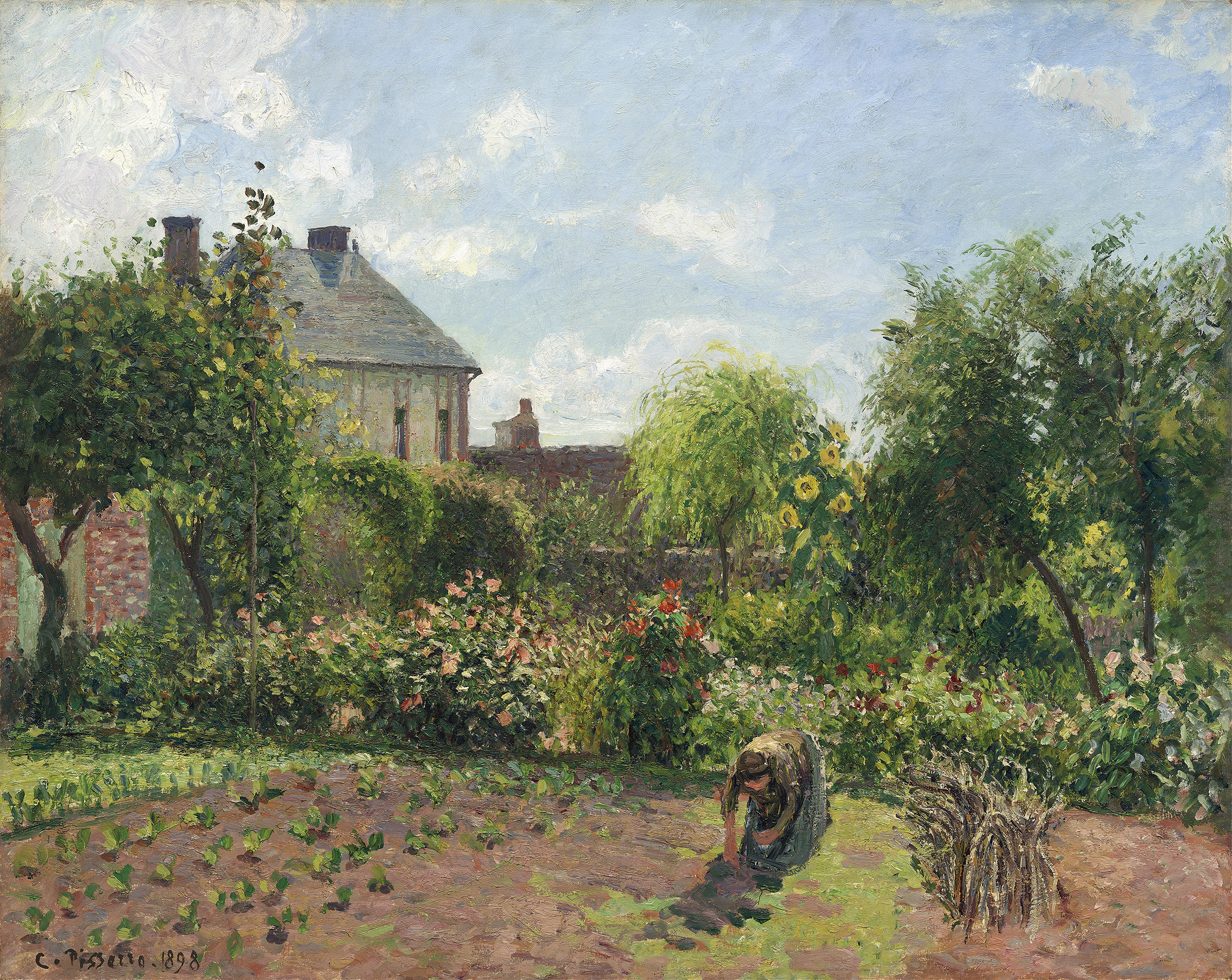
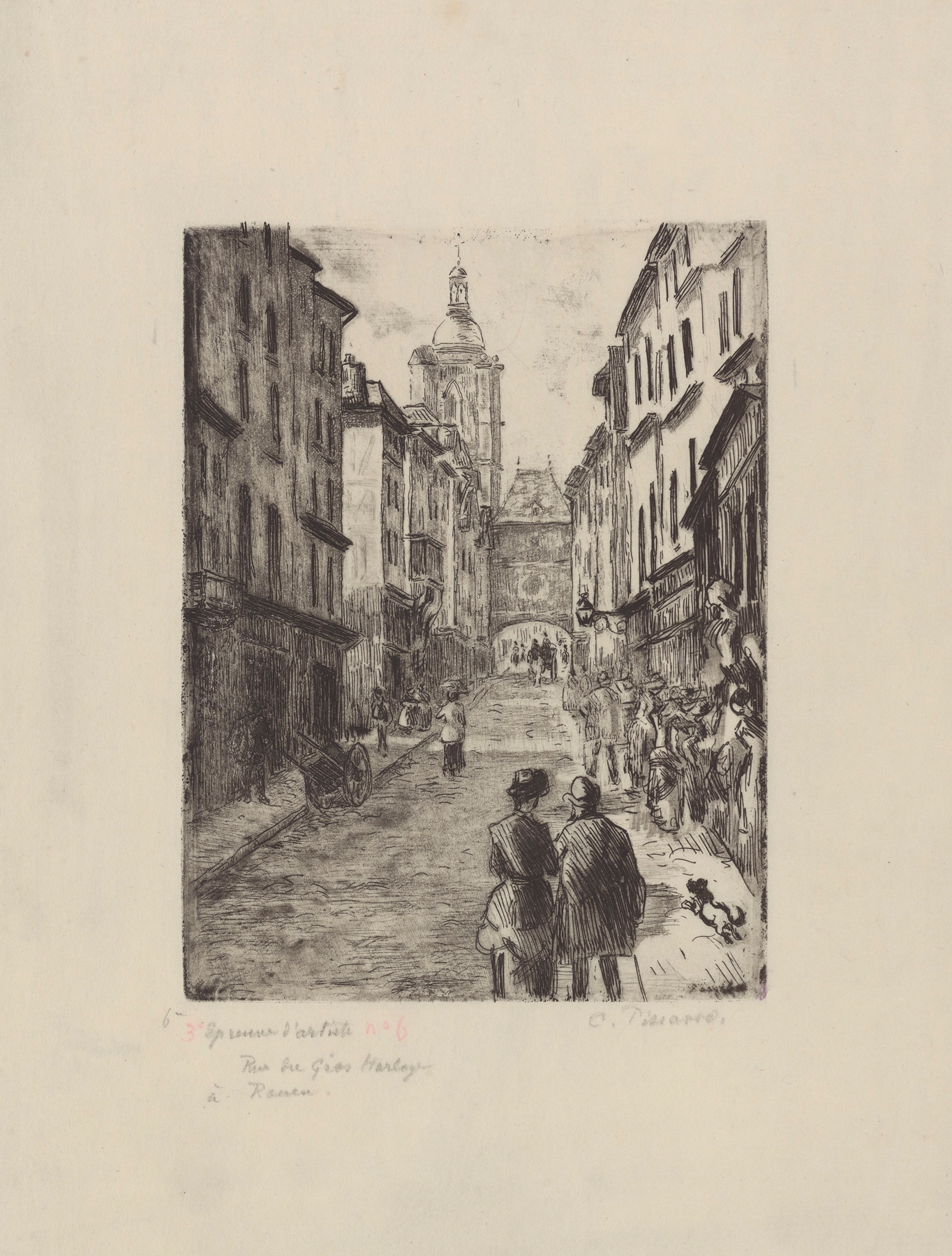
“Art reveals the soul when the world turns away.” In the stillness of a quiet street, where the cobblestones cradle whispers of history, a moment suspended in time beckons us to linger. Here, the essence of longing transcends mere depiction, inviting viewers to step into the heart of a scene that resonates with the unspoken. Look to the left at the soft pastel hues that breathe life into the buildings, where the ochres and blues weave together like memories of days gone by. Notice how the light dances across the facades, casting gentle shadows that create depth and warmth.
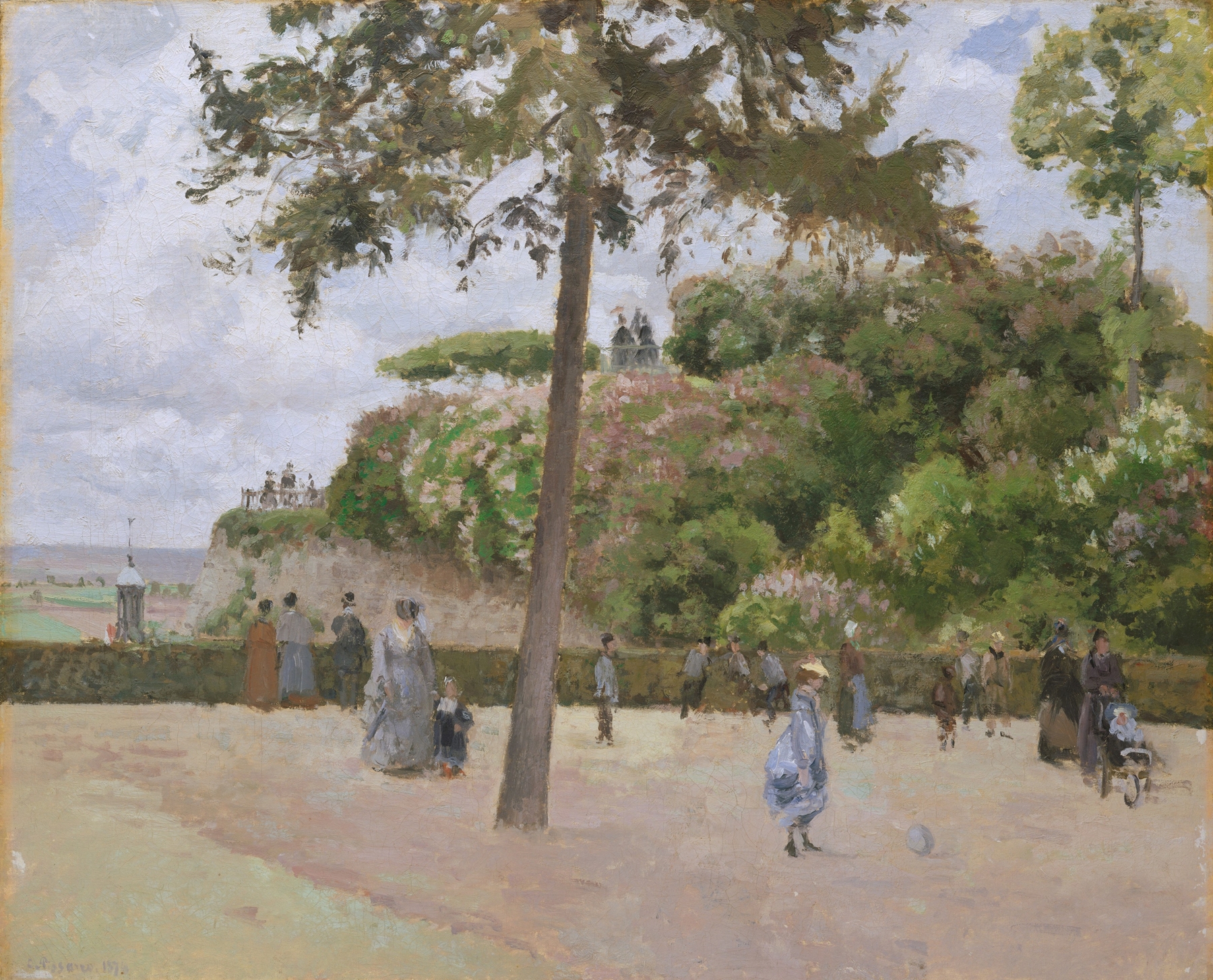
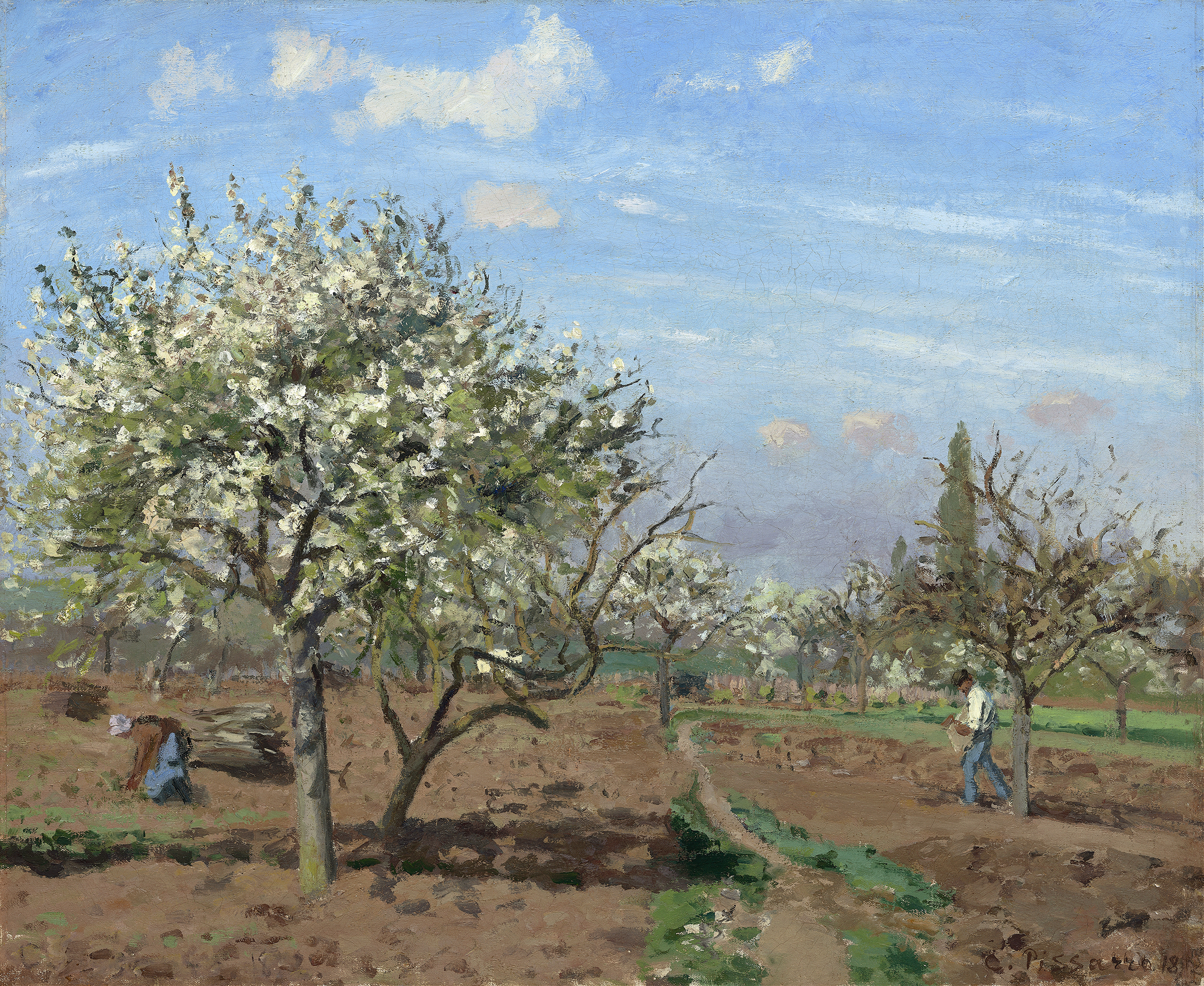
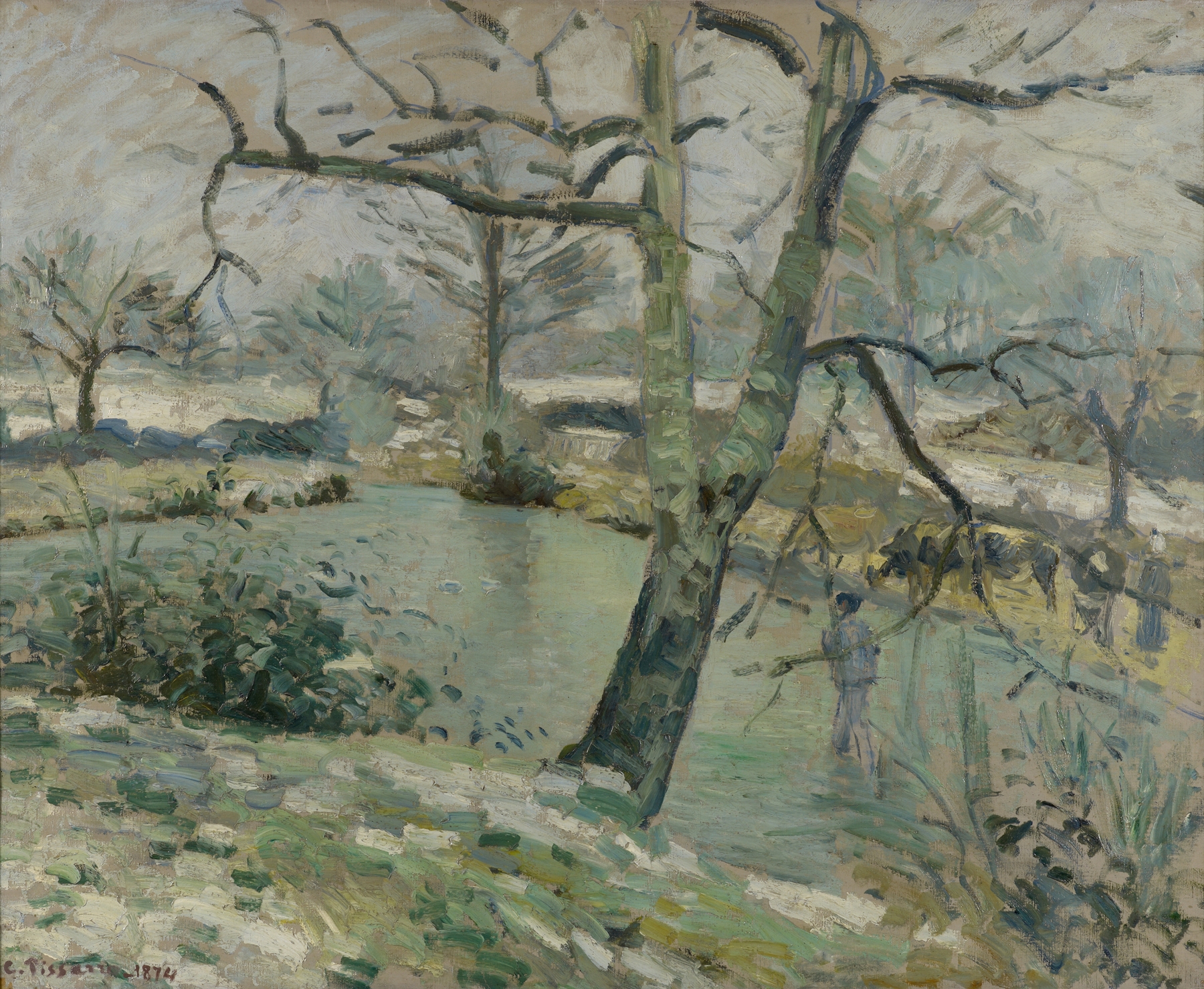
The brushwork is fluid, almost dreamlike, as if capturing not just a place but an emotion—a fleeting moment of beauty that speaks to the soul. As you explore the scene, consider the people depicted—a solitary figure walking with purpose beneath a canopy of muted color. Their presence, while seemingly ordinary, hints at a deeper narrative of yearning and exploration. The juxtaposition of the bustling activity in the background against the quiet introspection of the foreground speaks to the tension between the exterior world and inner life, suggesting a longing for connection amidst the chaos.
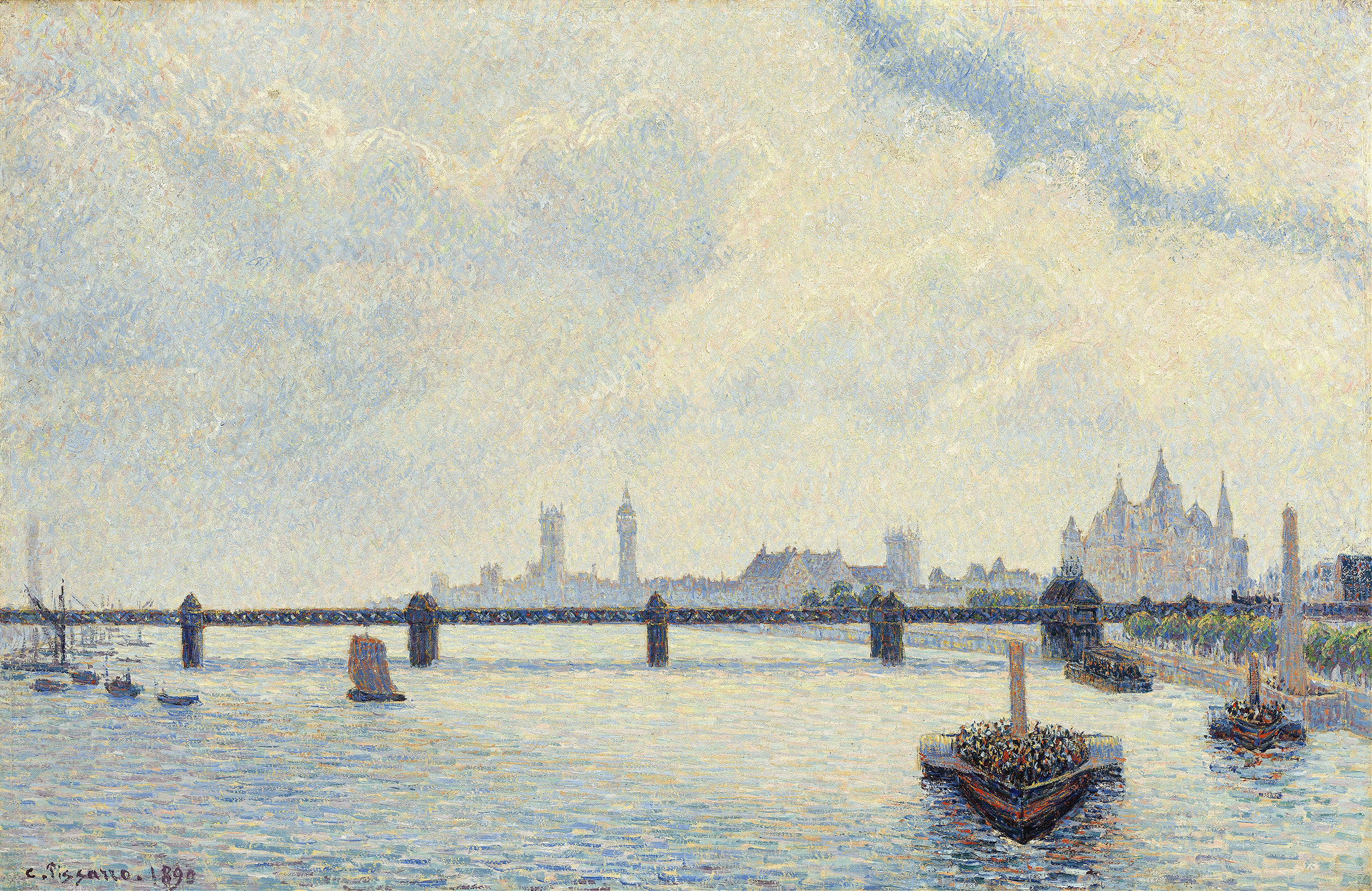
During 1884, while living in France, the artist found himself at a crossroads, both personally and within the broader Impressionist movement. This was a period of rich experimentation, as he and his contemporaries sought to capture the ephemeral qualities of light and atmosphere. In Rue Damiette, à Rouen, Pissarro merged his observations of daily life with an emotional depth that reflected not just his surroundings but the complex fabric of human experience.