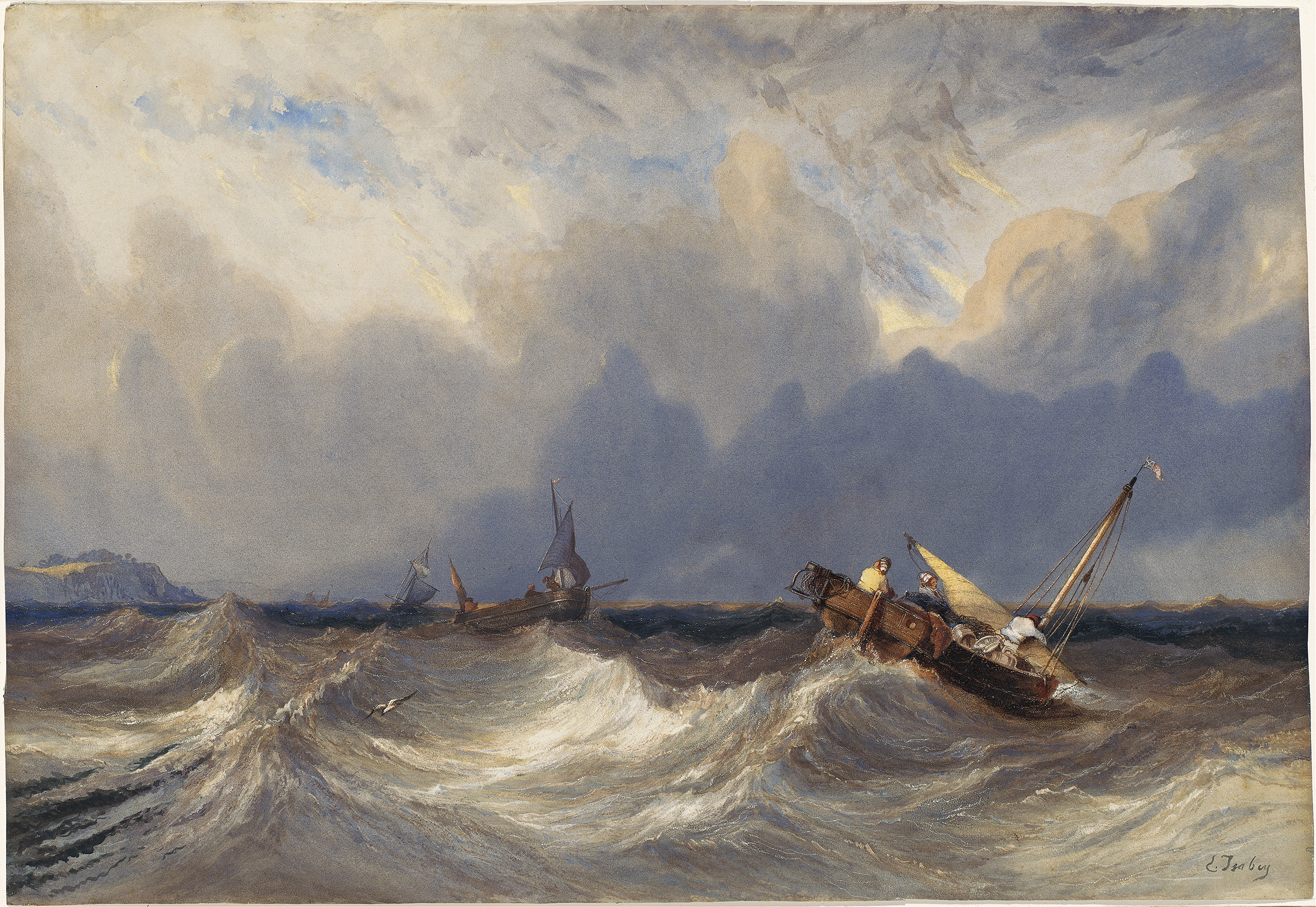
Ruines du château et du village de Saint Nectaire — History & Analysis
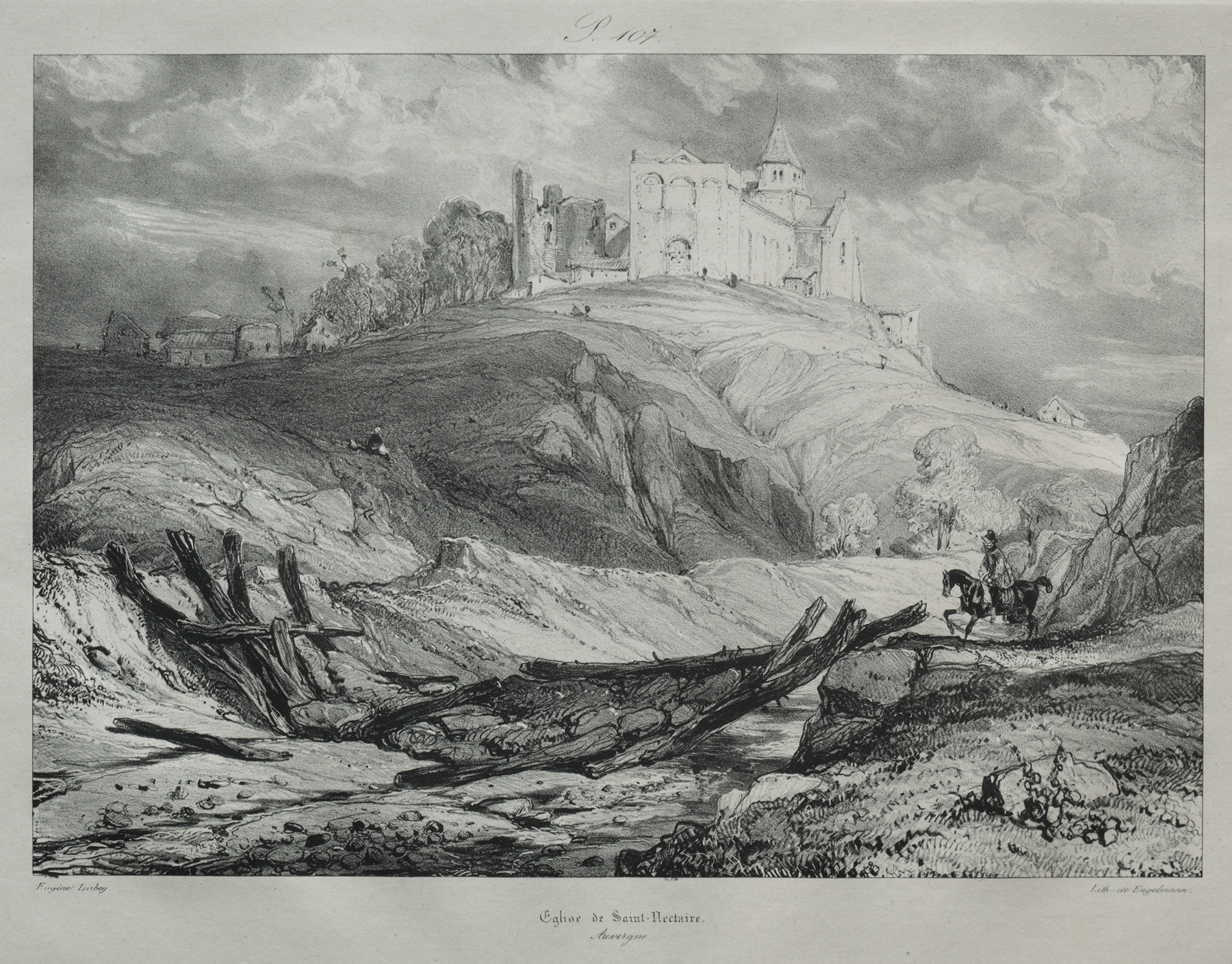
What if beauty was never meant to be finished? In Ruines du château et du village de Saint Nectaire, the remnants of a once-proud castle rise from the canvas, whispering tales of loss and longing amidst the shadows of its crumbling stones. Look to the foreground, where the delicate brushstrokes reveal a tapestry of wild grasses and wildflowers, encroaching upon the aged ruins. Notice how the light filters through the clouds, bathing the scene in a muted glow that accentuates the contrasts between the enduring earth and the ephemeral sky.
The palette, dominated by earth tones with hints of somber greens and greys, reflects the quiet decay, inviting the viewer to linger in the melancholic beauty of abandonment. Here, the juxtaposition of nature reclaiming what was once man-made speaks volumes about the passage of time. The village, once bustling with life, now a mere whisper against the backdrop of history, evokes a sense of grief for what has been lost. Every cracked stone and unnoticed bloom carries the weight of nostalgia, suggesting that even as we build, we are, invariably, preparing for decay.
The painting captures a moment where hope and despair coexist, creating a poignant dialogue that resonates deeply with human experience. Eugène Isabey painted this work in 1831, during a period marked by a growing Romantic sentiment in art. Living in France, he observed the transformative effects of both nature and society, reflections of which became increasingly evident in his paintings. This time was characterized by a fascination with ruins, echoing a collective longing for the beauty embedded in the past, as well as a recognition of the inevitable passage of time that shapes our existence.