Runonlaulaja Pahkomin talo Akonlahdelta — History & Analysis
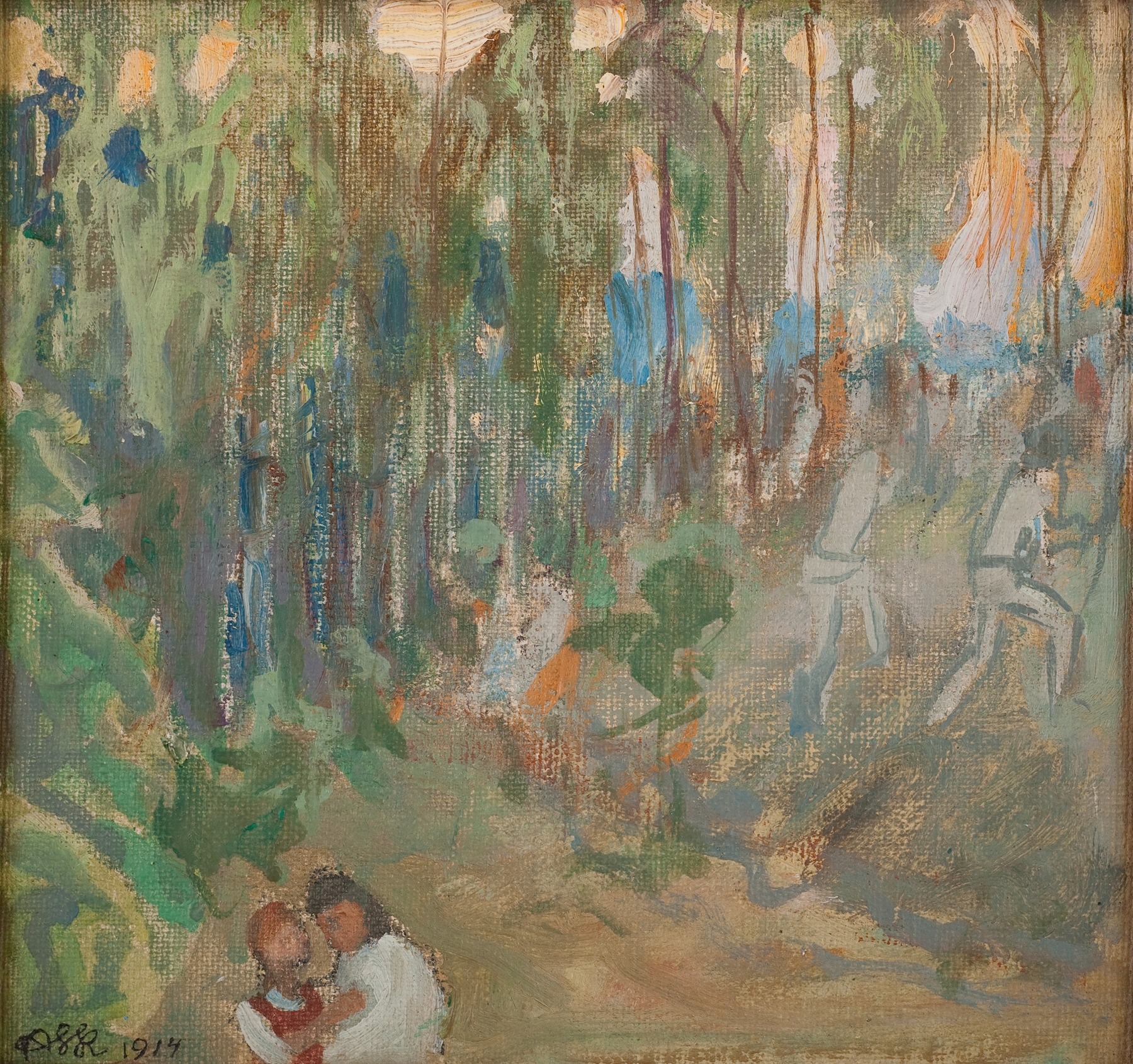
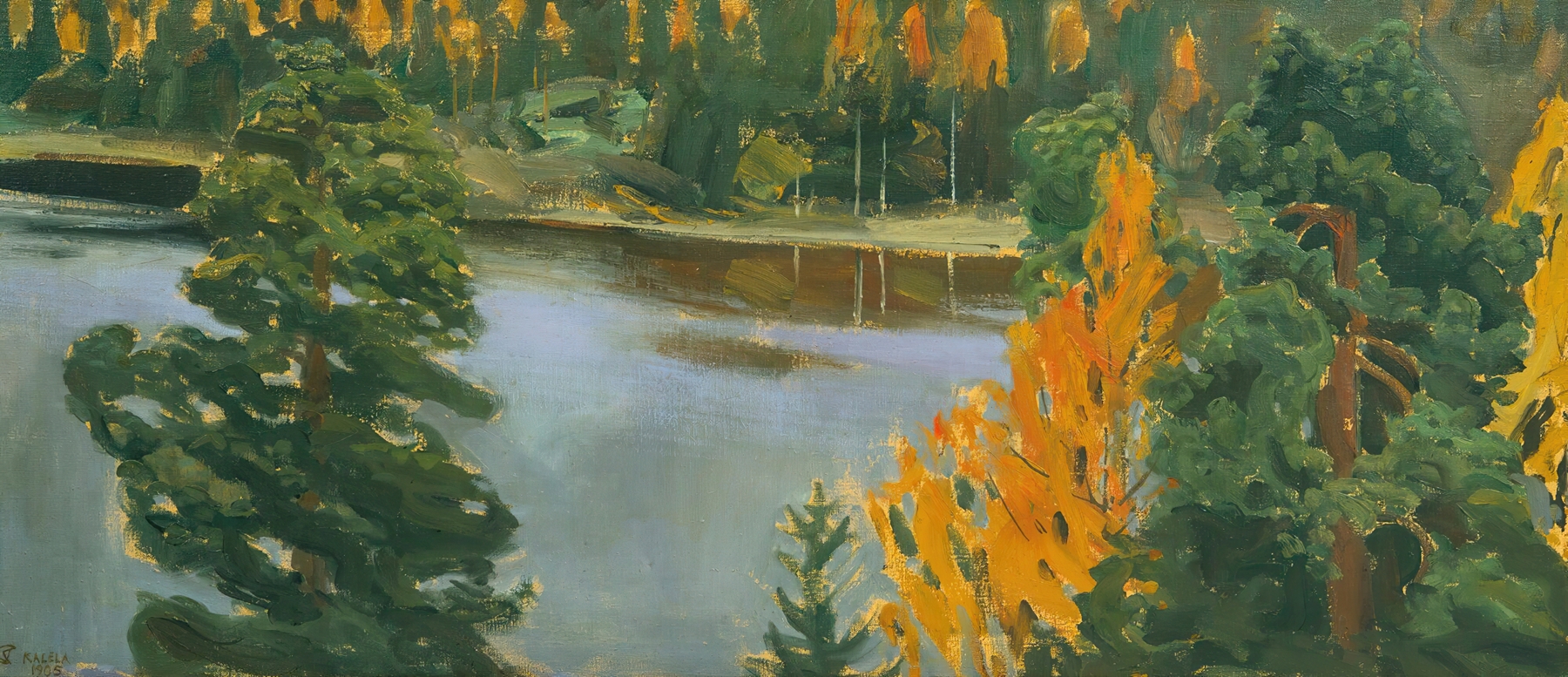
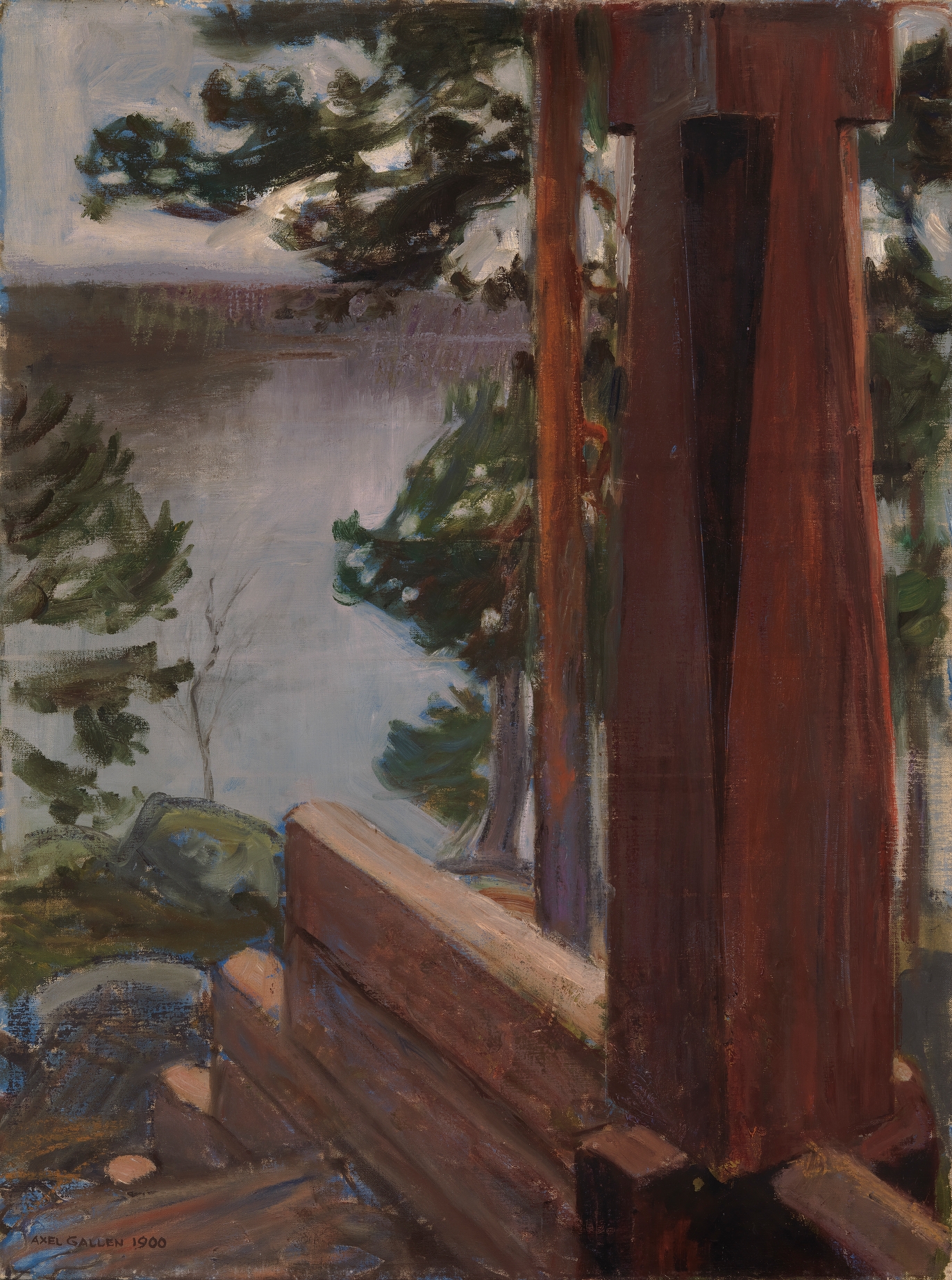
When did color learn to lie? In Runonlaulaja Pahkomin talo Akonlahdelta, vibrant hues entwine with the ethereal, drawing us into a dreamlike realm that straddles the line between reality and illusion. Focus on the confluence of color and texture in this piece. Look closely at the vivid greens and blues that pulse with life, as if the landscape itself is breathing. The painter's brushstrokes create a shimmering effect, inviting the eye to dance across the surface, while the figures in the foreground exude an almost palpable energy.
Notice how the light filters through the trees, casting dappled shadows that enhance the mystical atmosphere, while the detailed patterns on the clothing of the figures anchor us to tradition. Amid the lush surroundings, a tension arises between the celebration of folklore and the passage of time. The central figure, a storytelling bard, stands as a conduit between the past and present, embodying a cultural legacy that risks fading away. The juxtaposition of the vibrant natural world against the somber expressions of the listeners hints at the weight of memory and the fragility of stories.
Each element, from the cascading foliage to the intricate motifs, speaks to the larger narrative of human experience, evoking both wonder and nostalgia. Created in 1890 during a period of national romanticism in Finland, Akseli Gallen-Kallela sought to encapsulate the spirit of his homeland through his art. Living in a time of cultural revival and exploration, he was deeply influenced by Finnish folklore and mythology. This work reflects not just personal artistic growth, but also a broader movement toward defining a unique national identity through the lens of nature and tradition.