San Pietro di Castello — History & Analysis
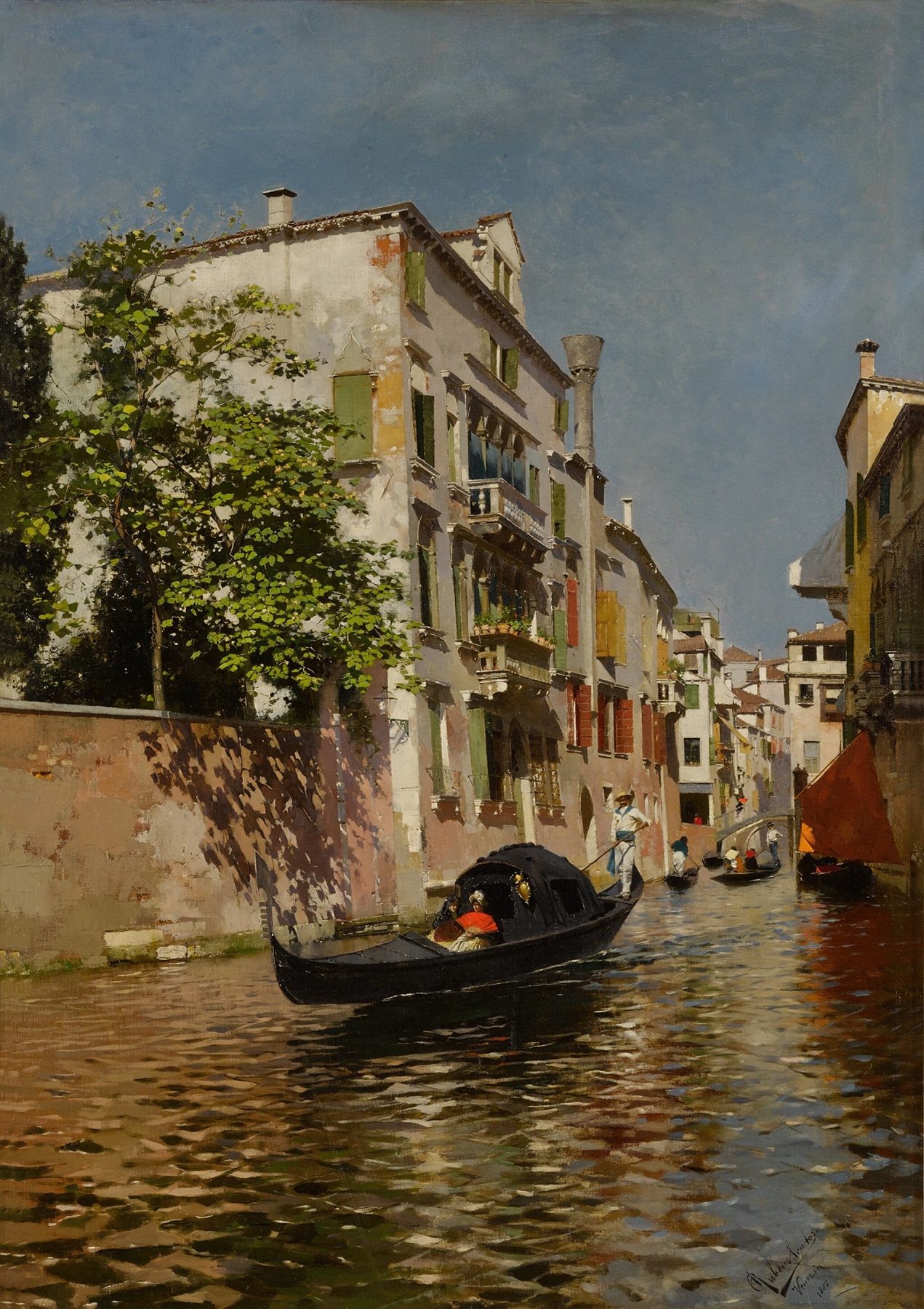
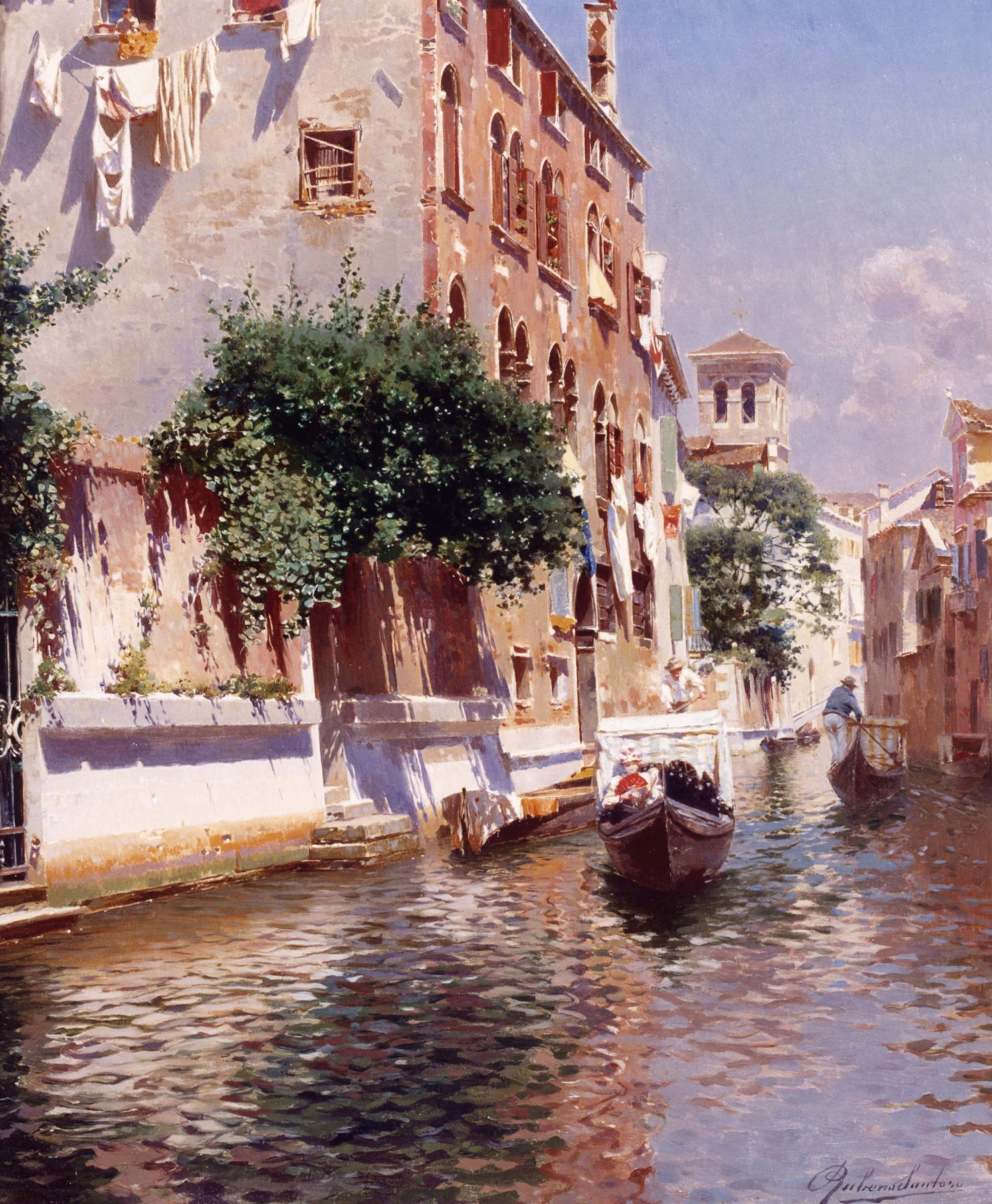
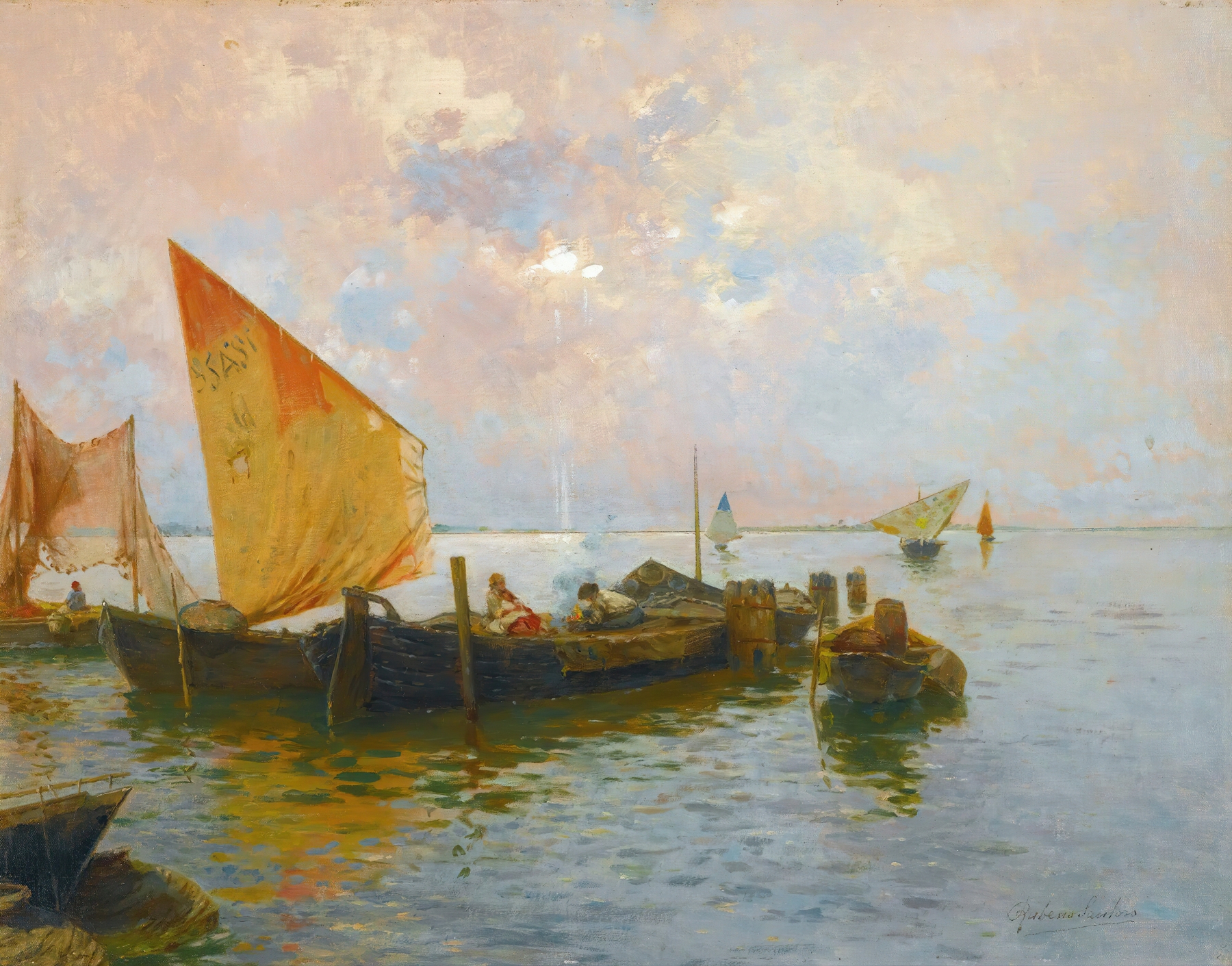
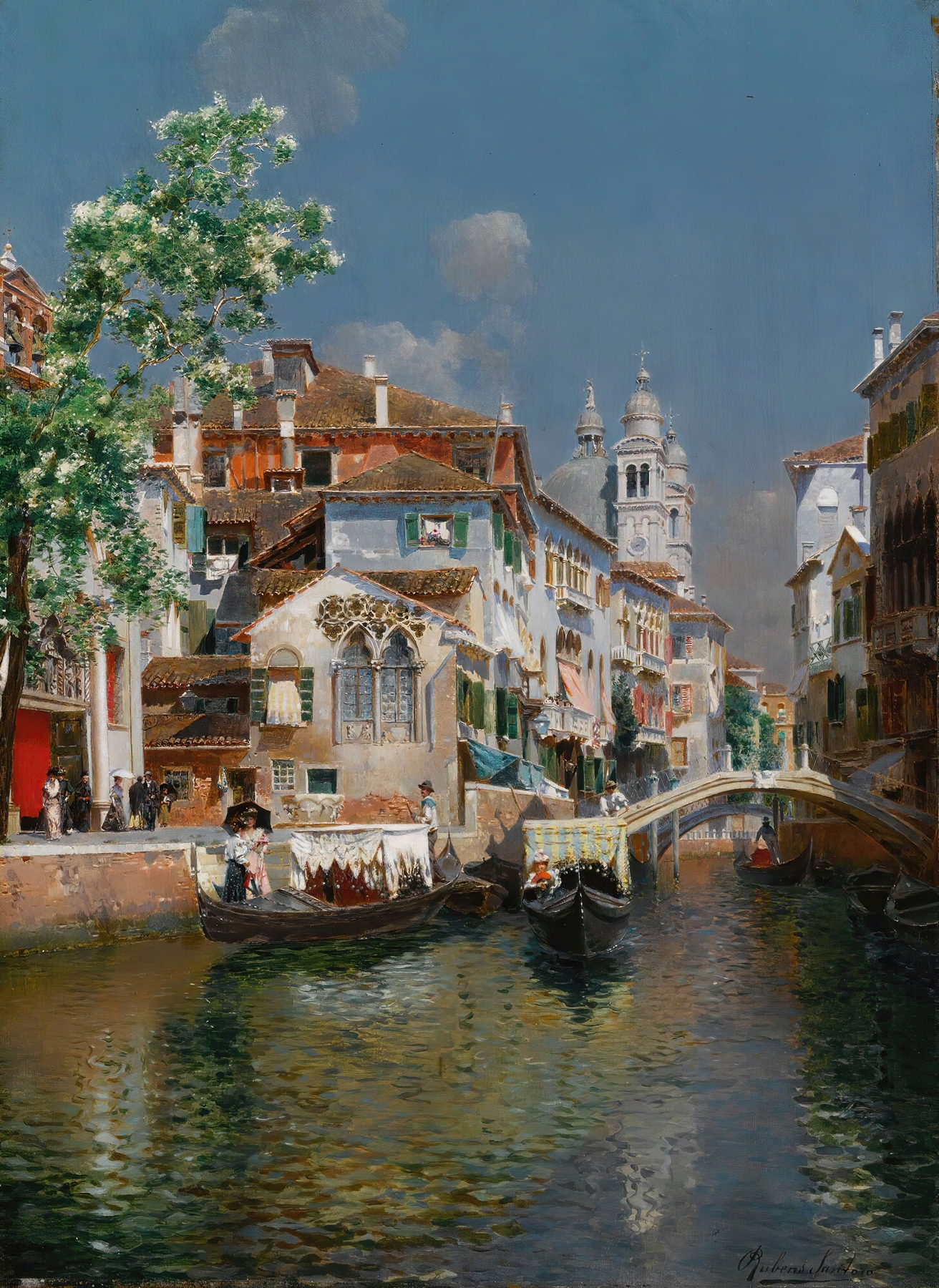
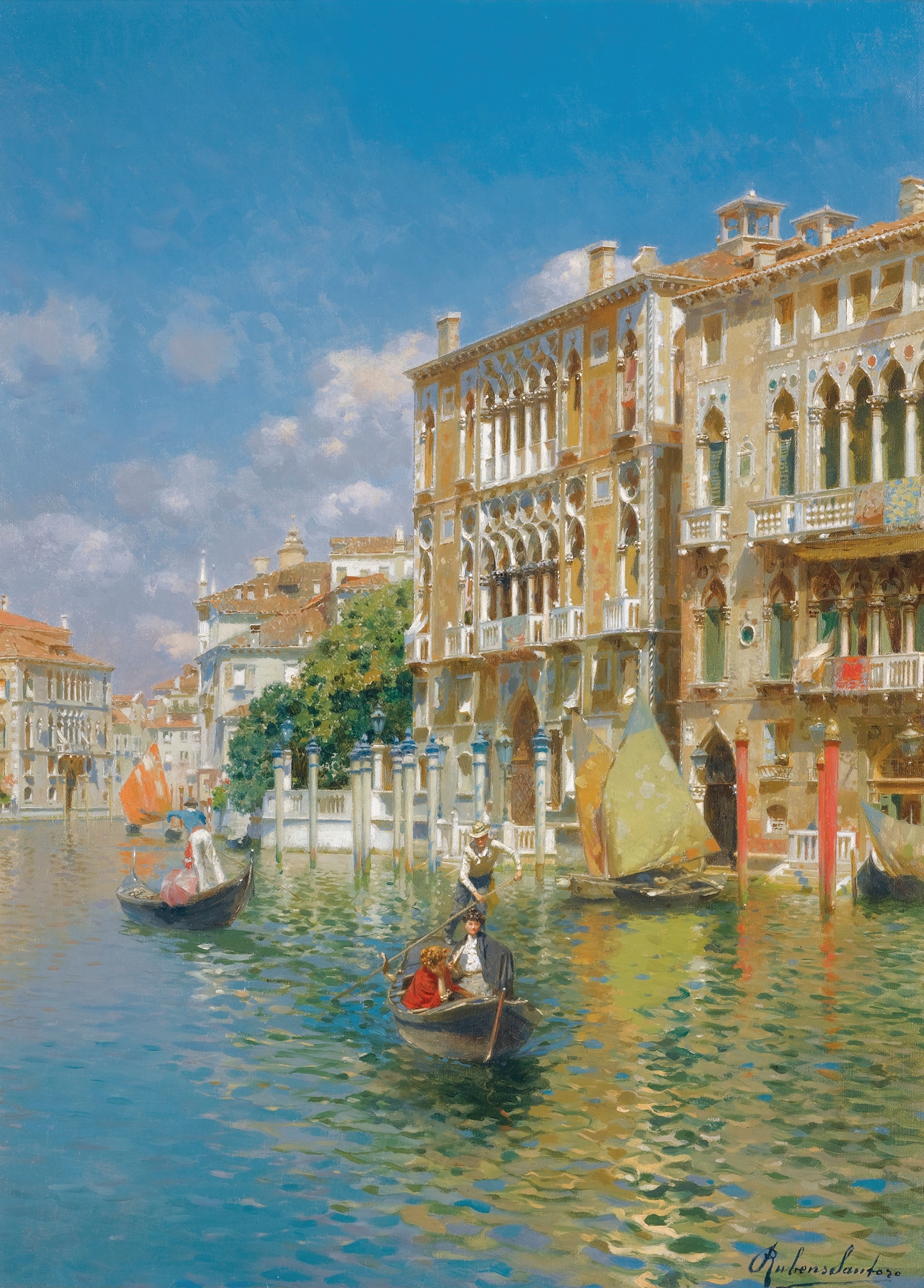
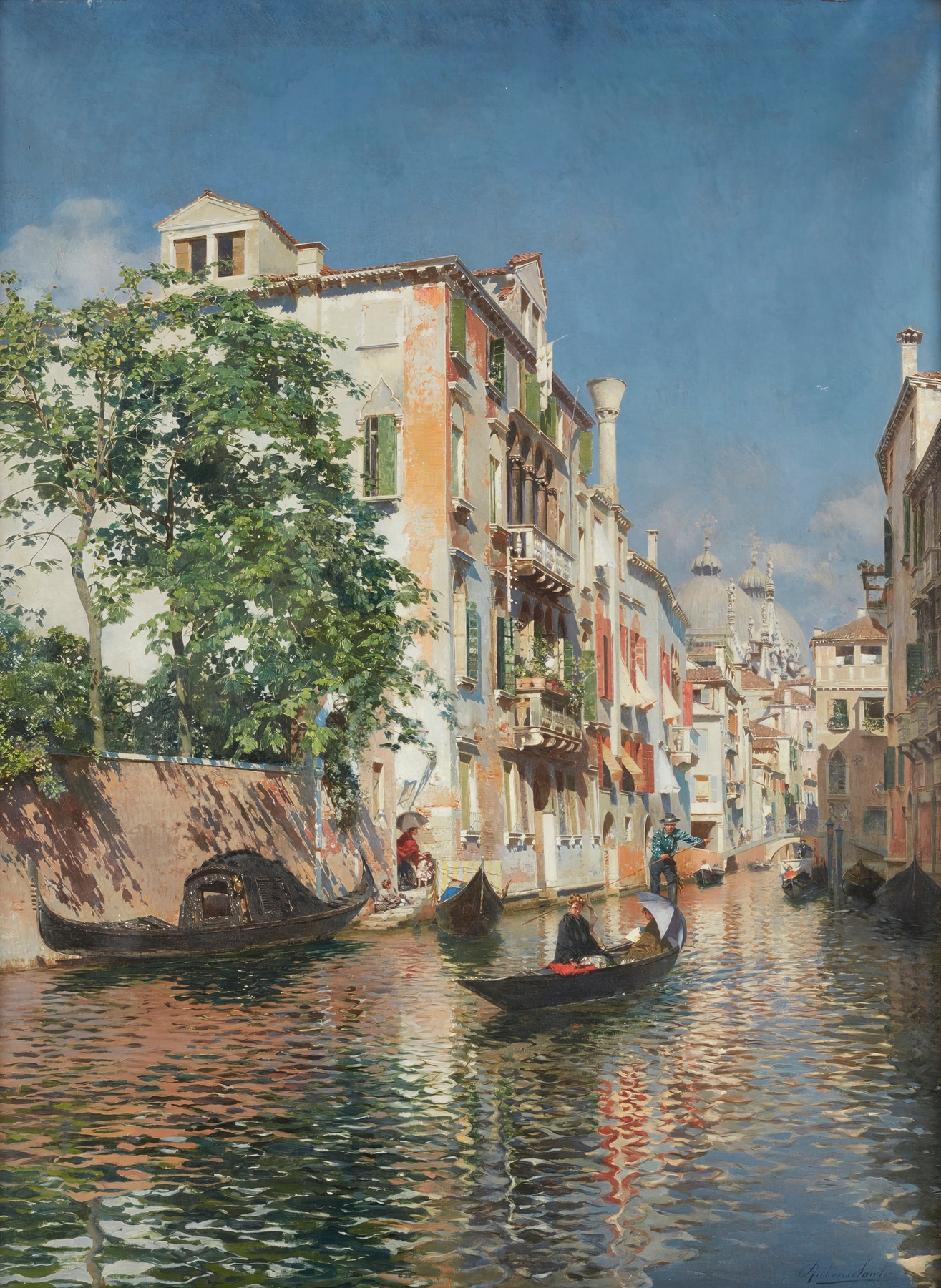
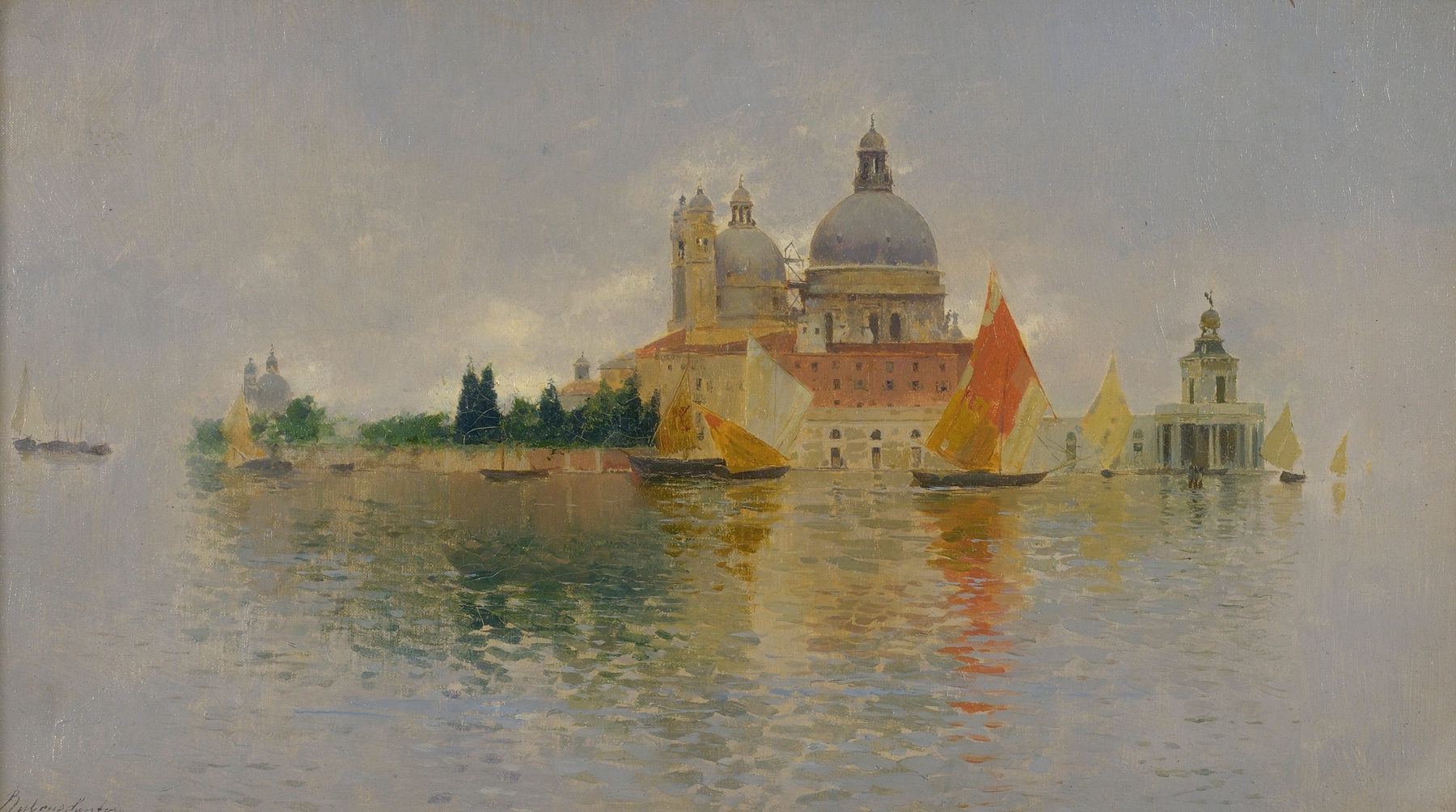
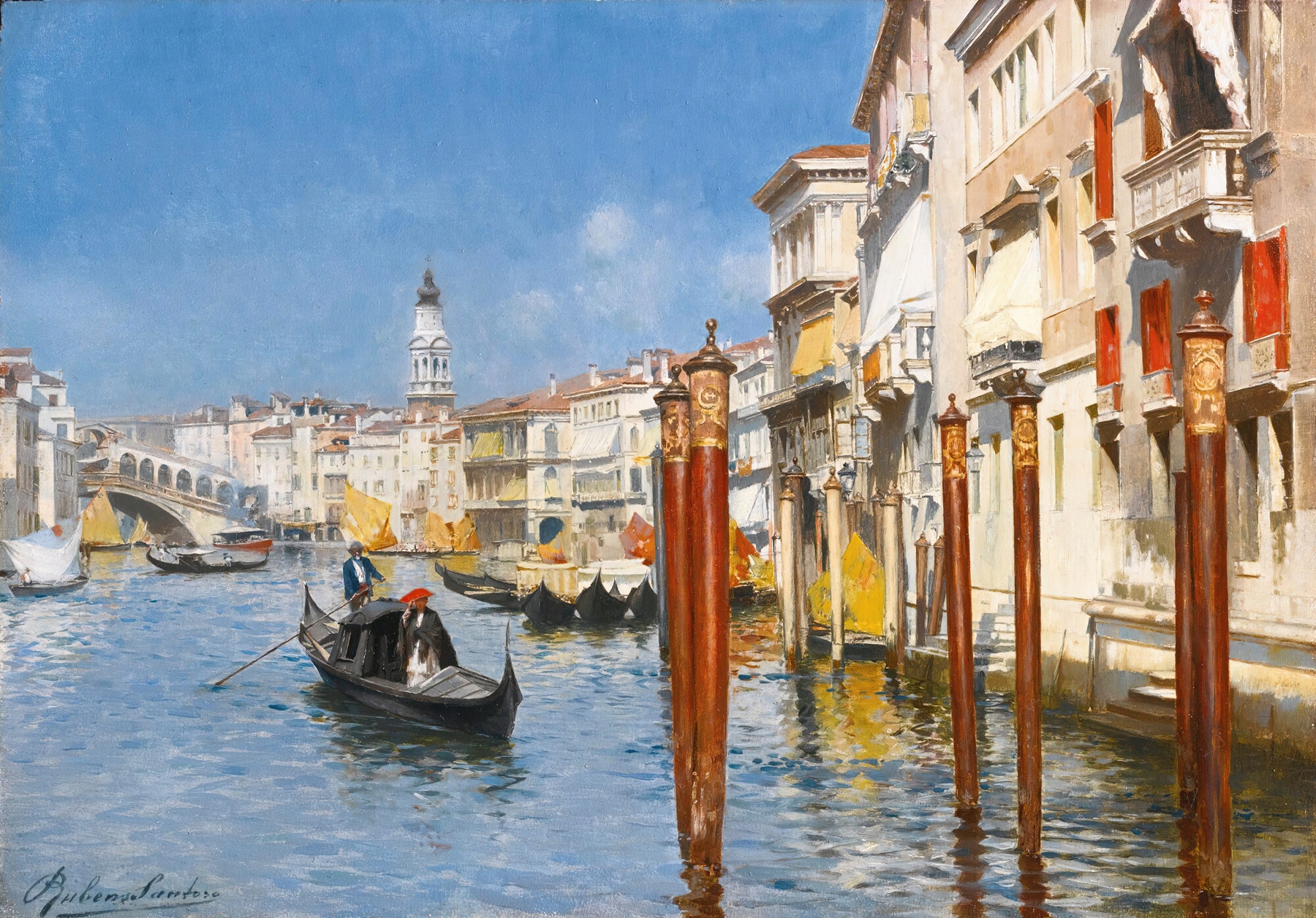
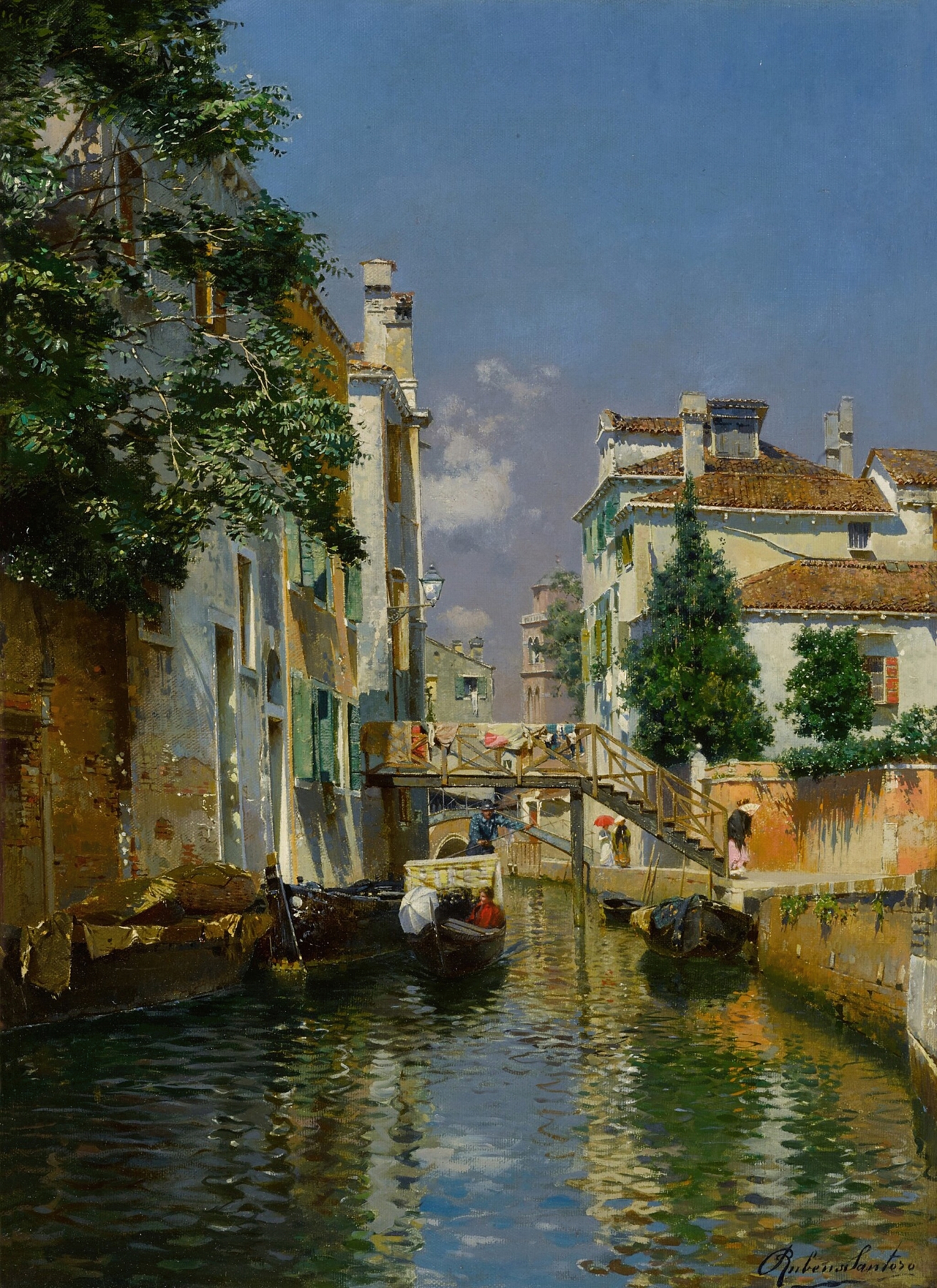
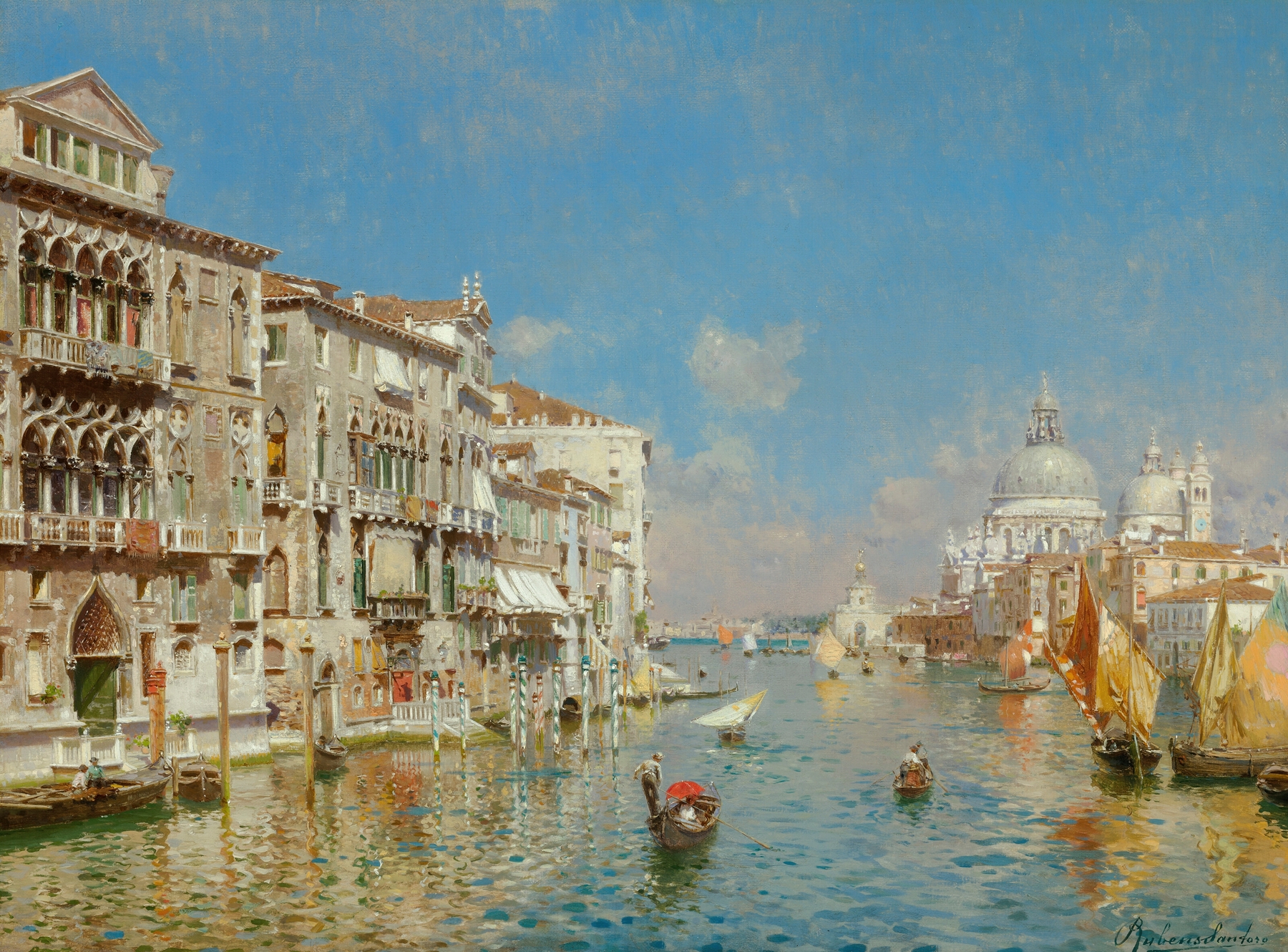
“To paint is to remember what time wants us to forget.” In the quiet realm of memory, longing finds its expression through color and form, capturing fleeting moments suspended in time. Focus first on the ethereal glow that bathes the architecture, illuminating the intricate details of the buildings that seem to rise like whispers from the canvas. Notice how the artist’s brush dances over the surface, creating a delicate interplay of light and shadow. The palette, rich in warm tones, evokes a sense of nostalgia, inviting viewers to step into a world that feels both familiar and distant.
As your gaze wanders, consider the stillness that pervades the scene, where the absence of figures allows for a profound sense of solitude. The gentle curve of the canal suggests movement, yet the still water reflects a longing for connection, a reminder of the past etched within its depths. Each stroke tells a story of a place once vibrant with life, now cloaked in the silence of memories, evoking a bittersweet sense of yearning for what has been lost.
Rubens Santoro created this work at an indeterminate time, likely during a period of deep reflection in his artistic journey. Active in the late 19th to early 20th century, he was surrounded by an evolving art world that sought to capture the ephemeral beauty of life. His experiences, coupled with the influence of the Venetian landscape, fueled his exploration of emotions tied to memory and the passage of time, as reflected in this poignant piece.