Schmugglerpfad — History & Analysis
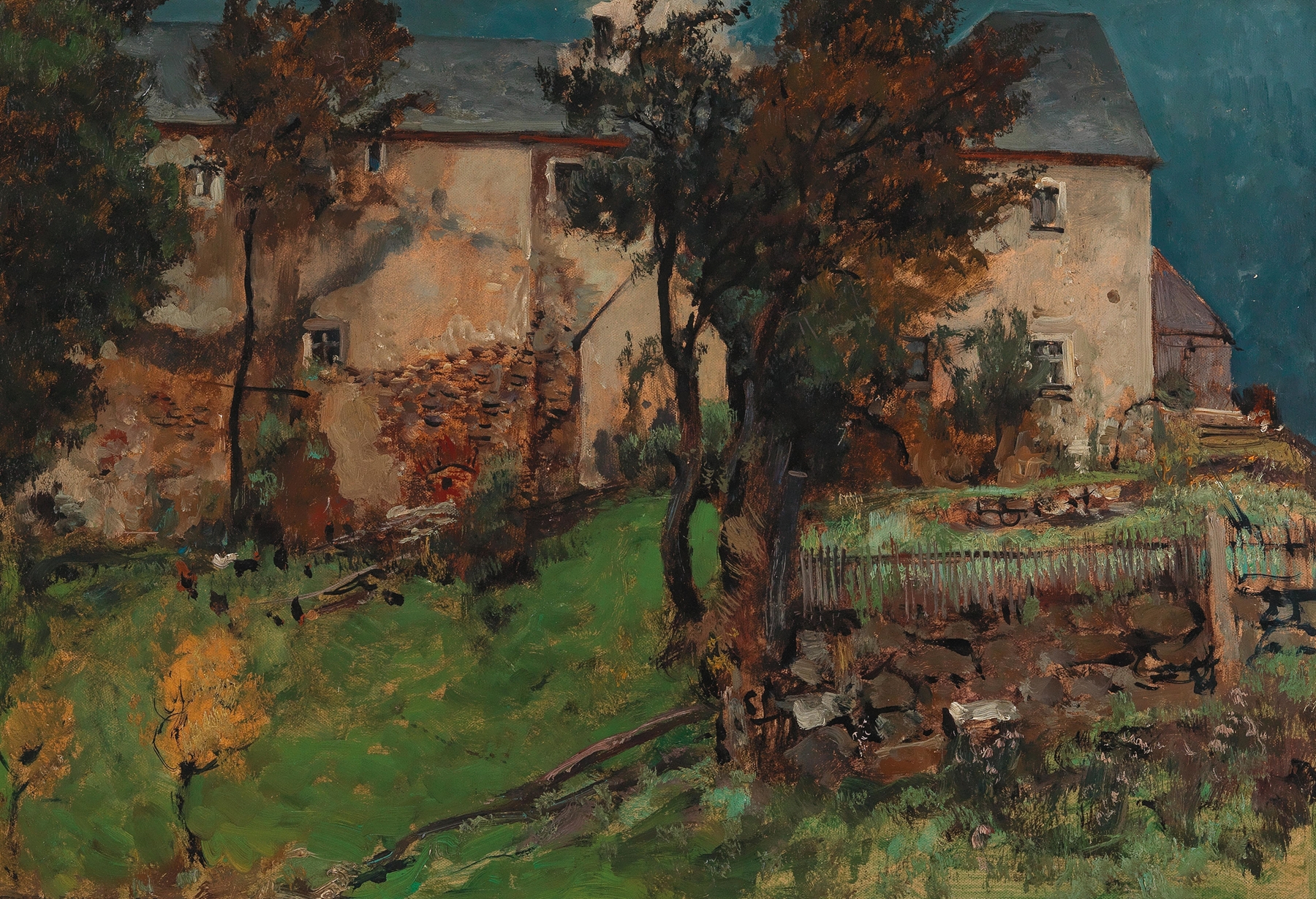
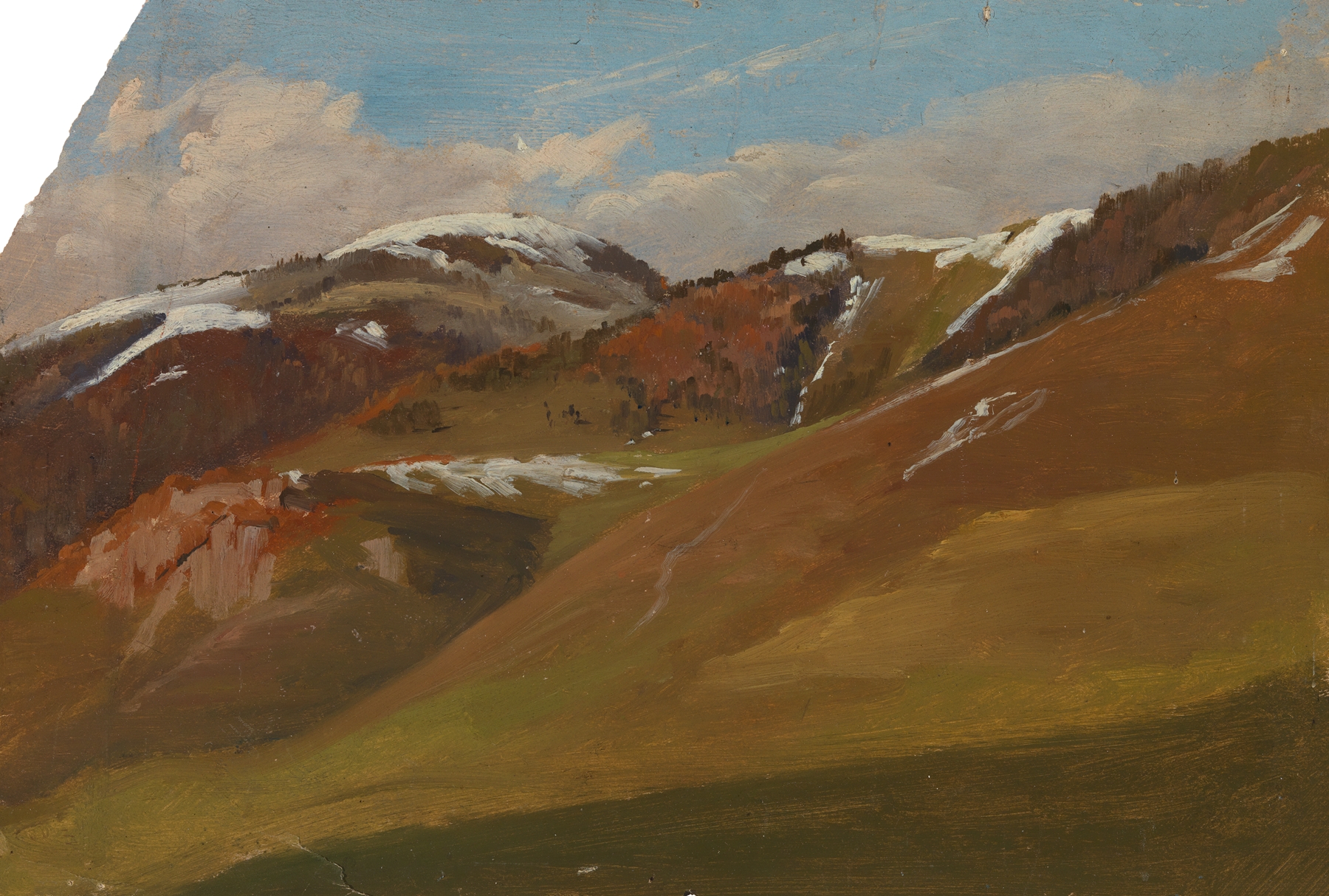
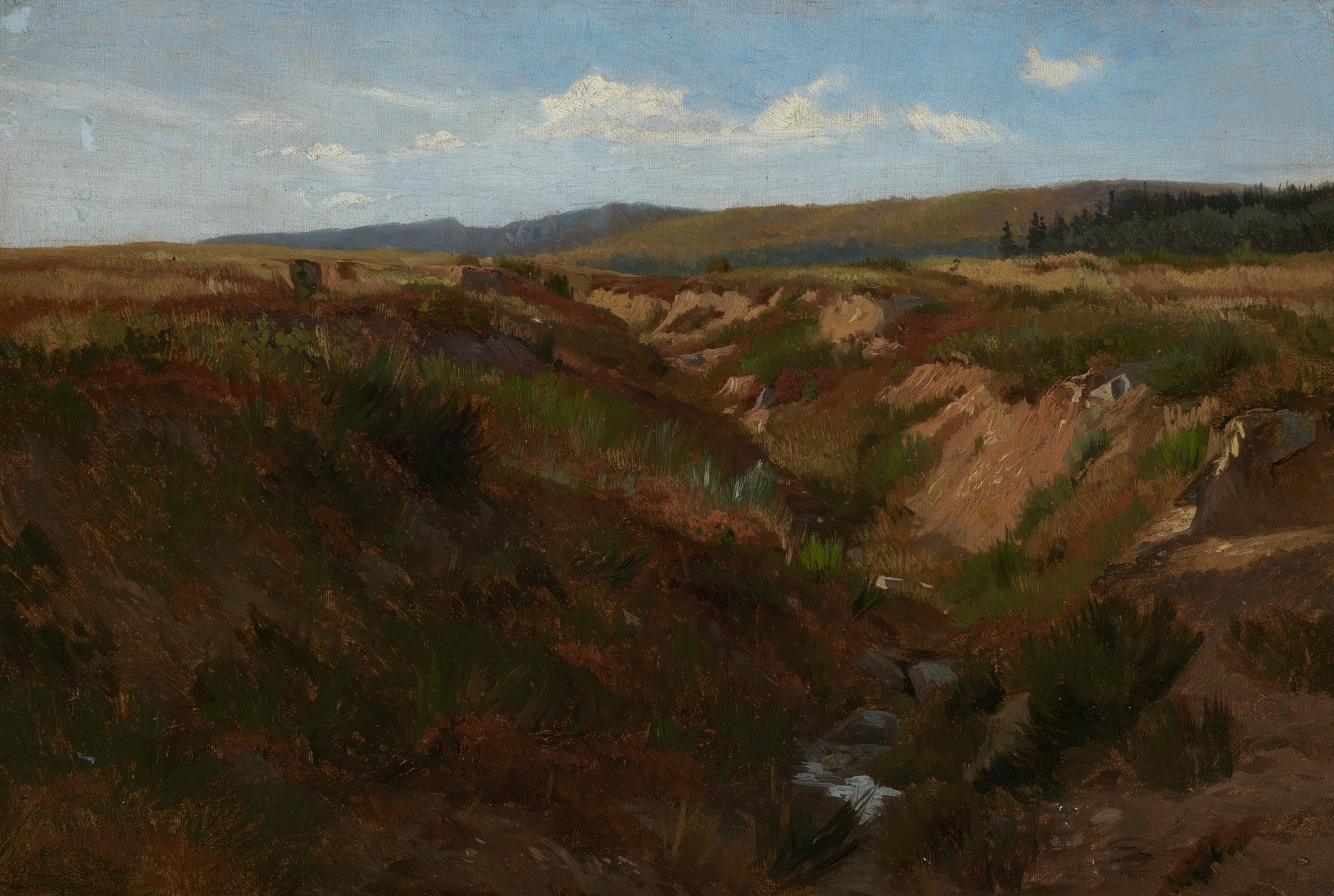
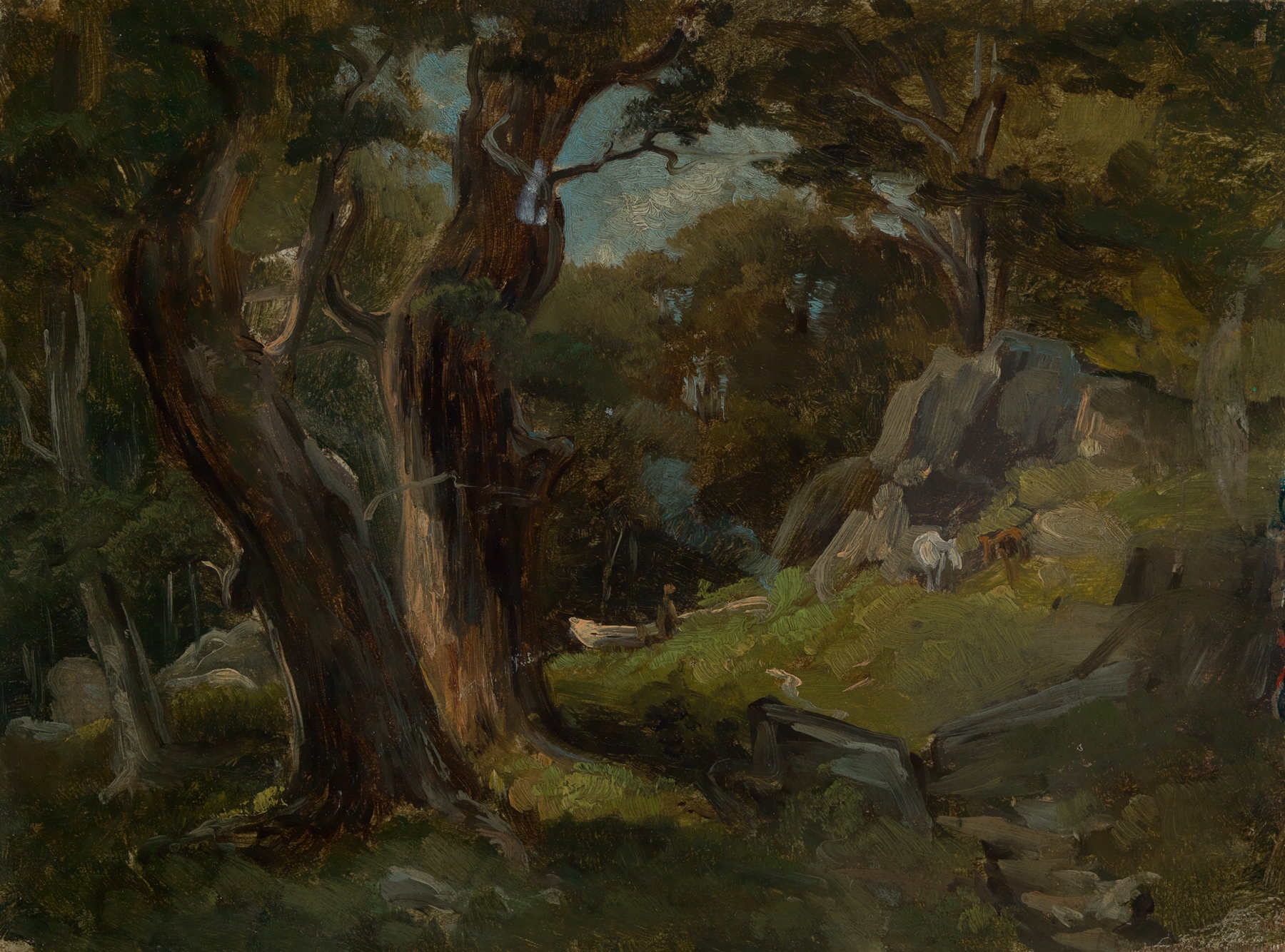
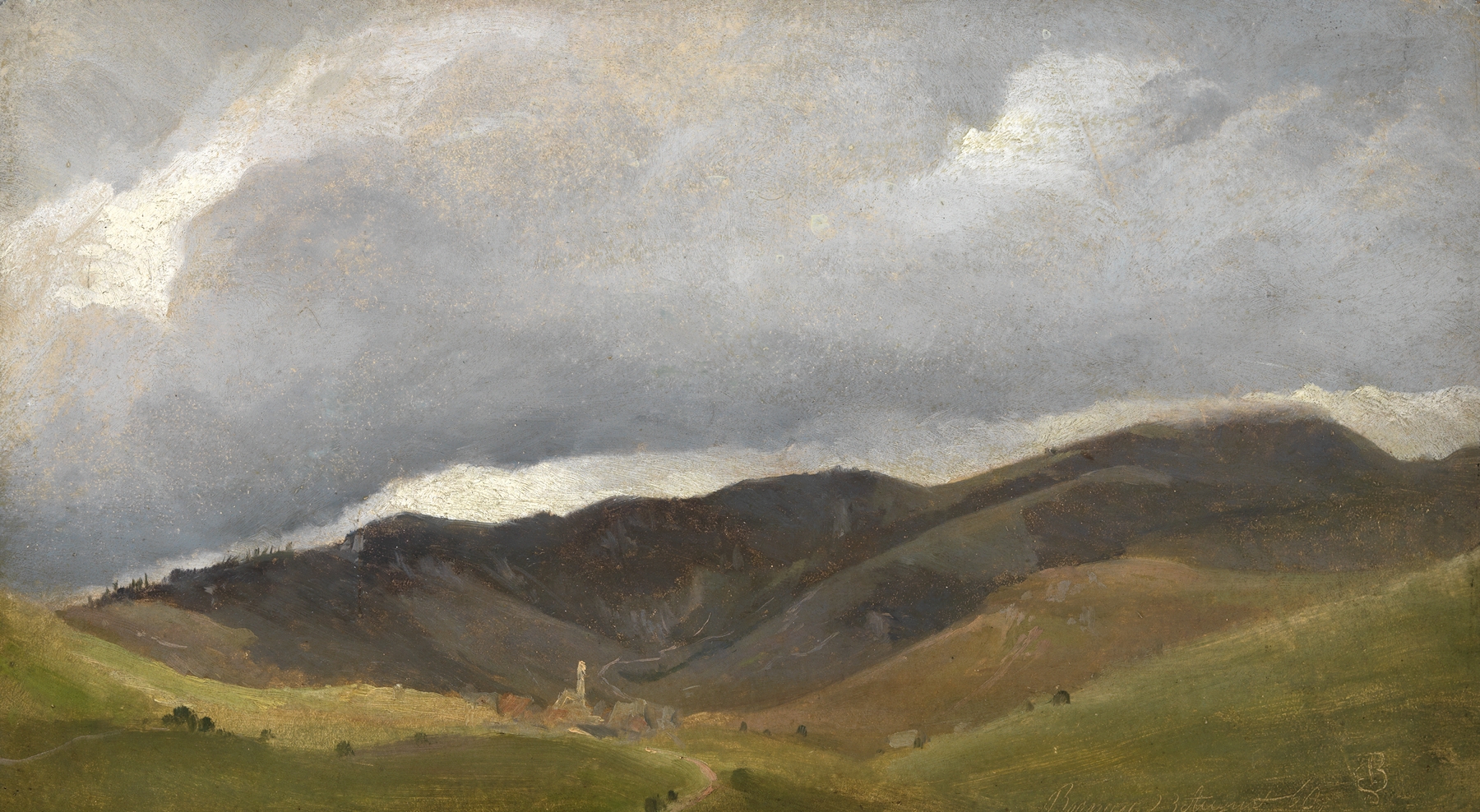
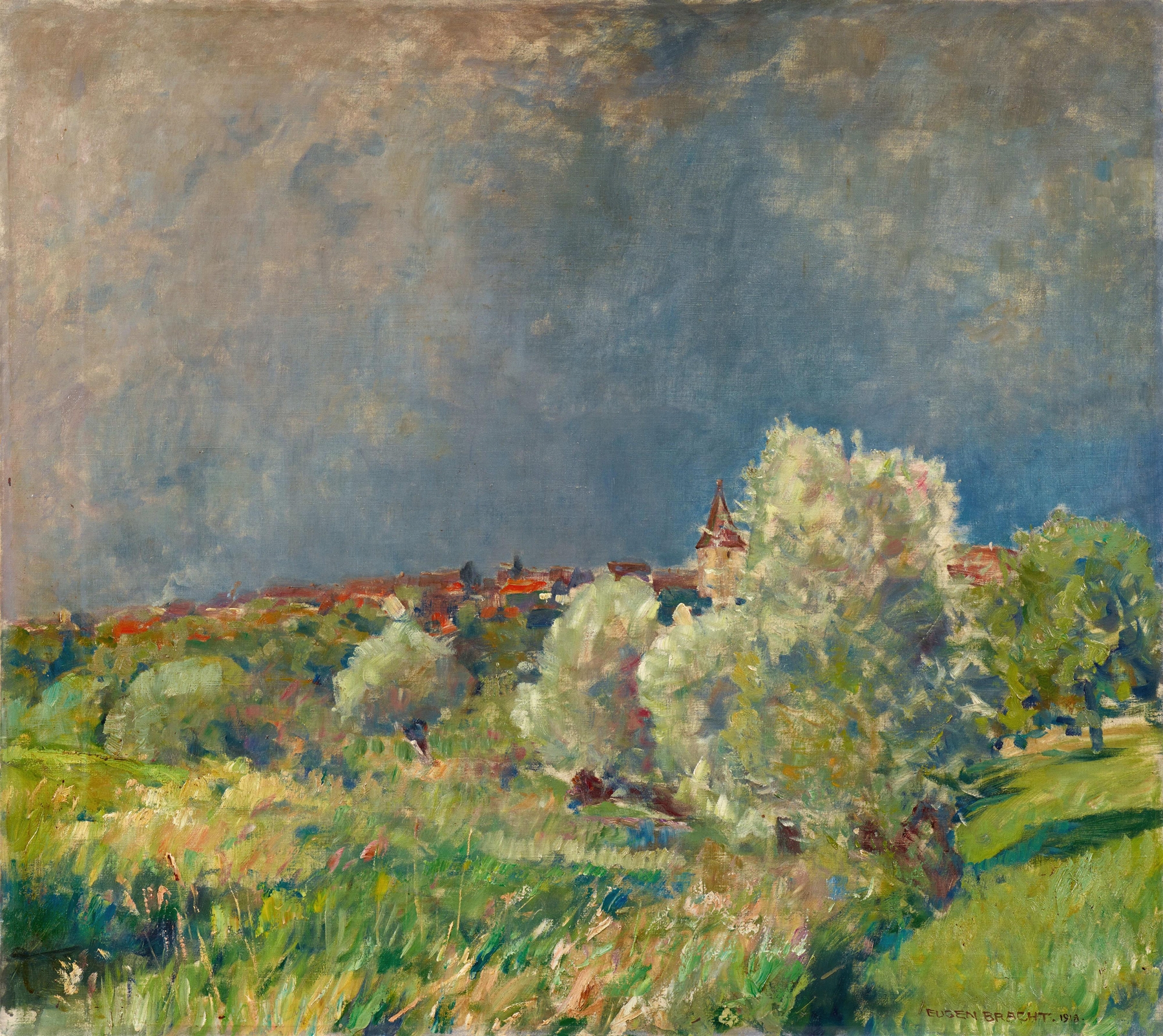
“Under the brush, chaos becomes grace.” In Schmugglerpfad, the tumult of nature’s disorder transforms into harmonious beauty, weaving through darkness while inviting a viewer’s deep contemplation. Look to the upper left, where vibrant greens clash with the deep browns of the earth, forming a chaotic yet purposeful pathway. The brushstrokes twist and turn, creating a sense of movement that draws your gaze along the winding trail. Notice the interplay of light and shadow as it dances across the foliage, breathing life into the scene, while the subdued hues of the sky hint at an approaching storm, enveloping the landscape in an atmosphere of uncertainty.
Within this seemingly serene moment lies an undercurrent of tension. The narrow trail represents not just a route through the wilderness but also a metaphorical journey through madness—a reminder of the chaos lurking beneath the surface of nature. The stark contrasts between the lush greenery and the ominous sky evoke feelings of duality: the beauty of life intertwined with the unpredictability of fate. Every element speaks to the fragility of balance, echoing the artist's own struggles during a time of turmoil.
Eugen Bracht painted Schmugglerpfad in 1917, amidst the shadows of World War I, as he grappled with the chaotic aftermath of conflict both in his personal life and in the broader art world. This period saw a shift in artistic expression, where traditional techniques were often challenged by the turmoil surrounding them. Bracht’s works reflect both a longing for peace and an urgent response to the madness enveloping Europe.