Shepherds Resting — History & Analysis
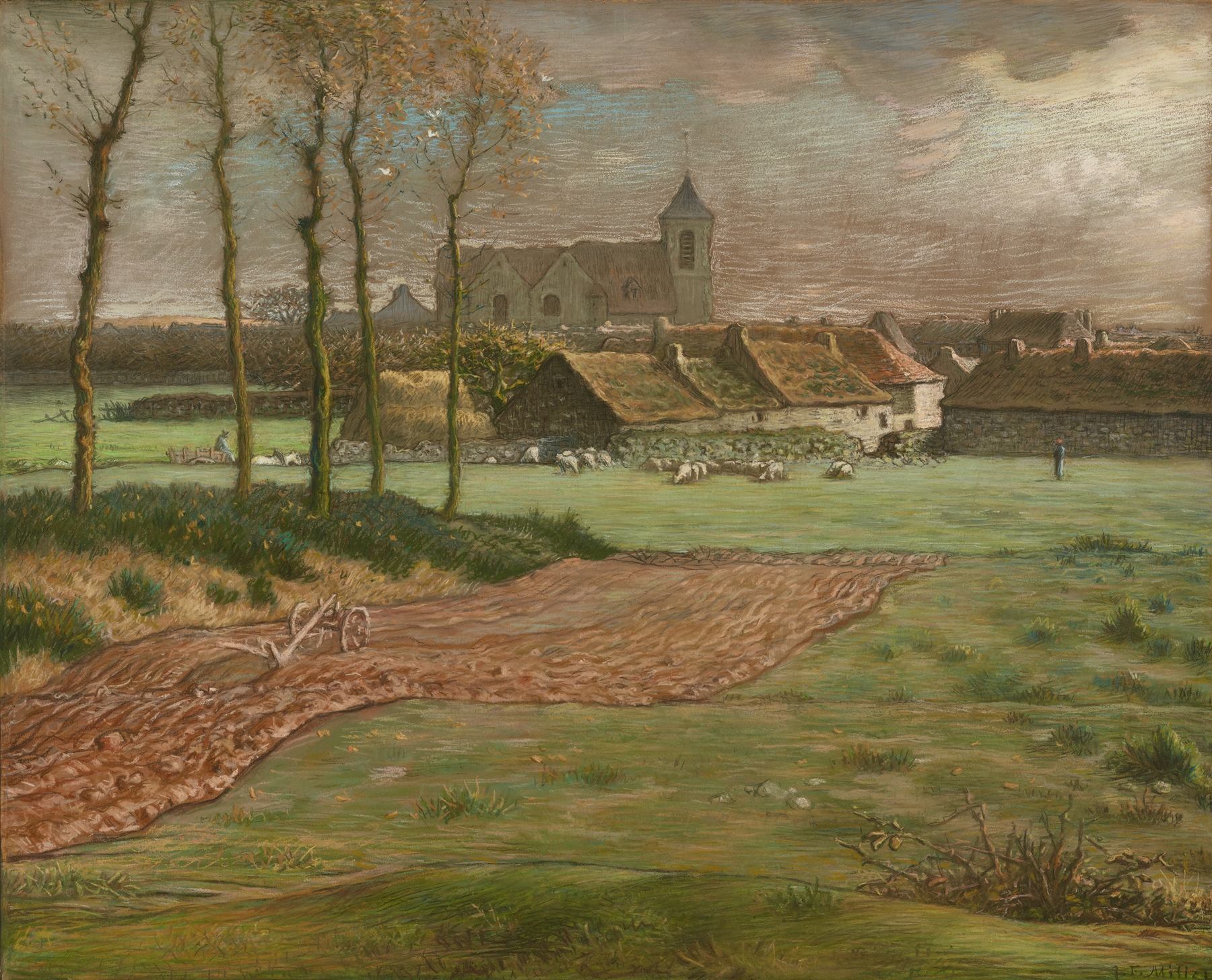
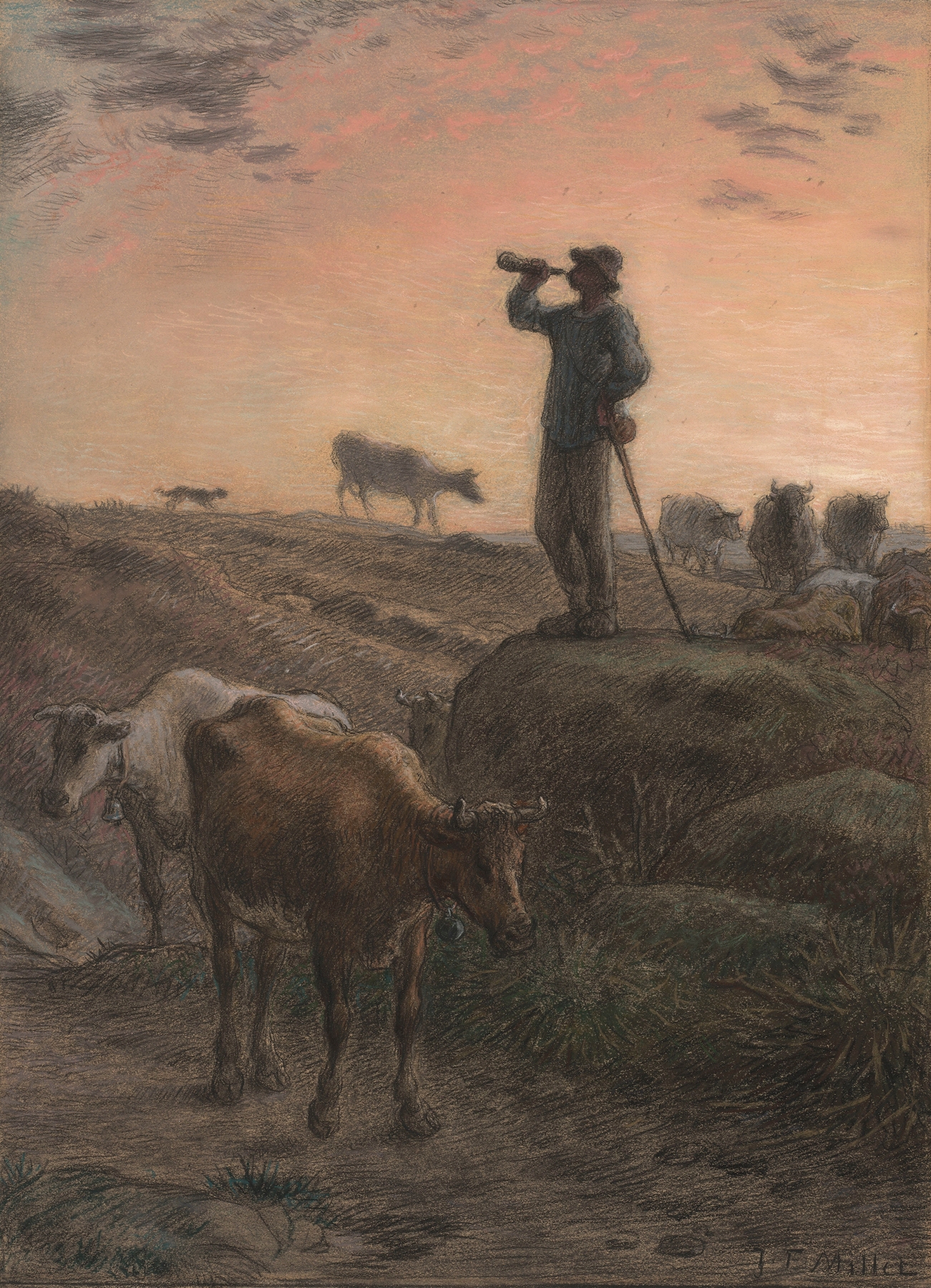
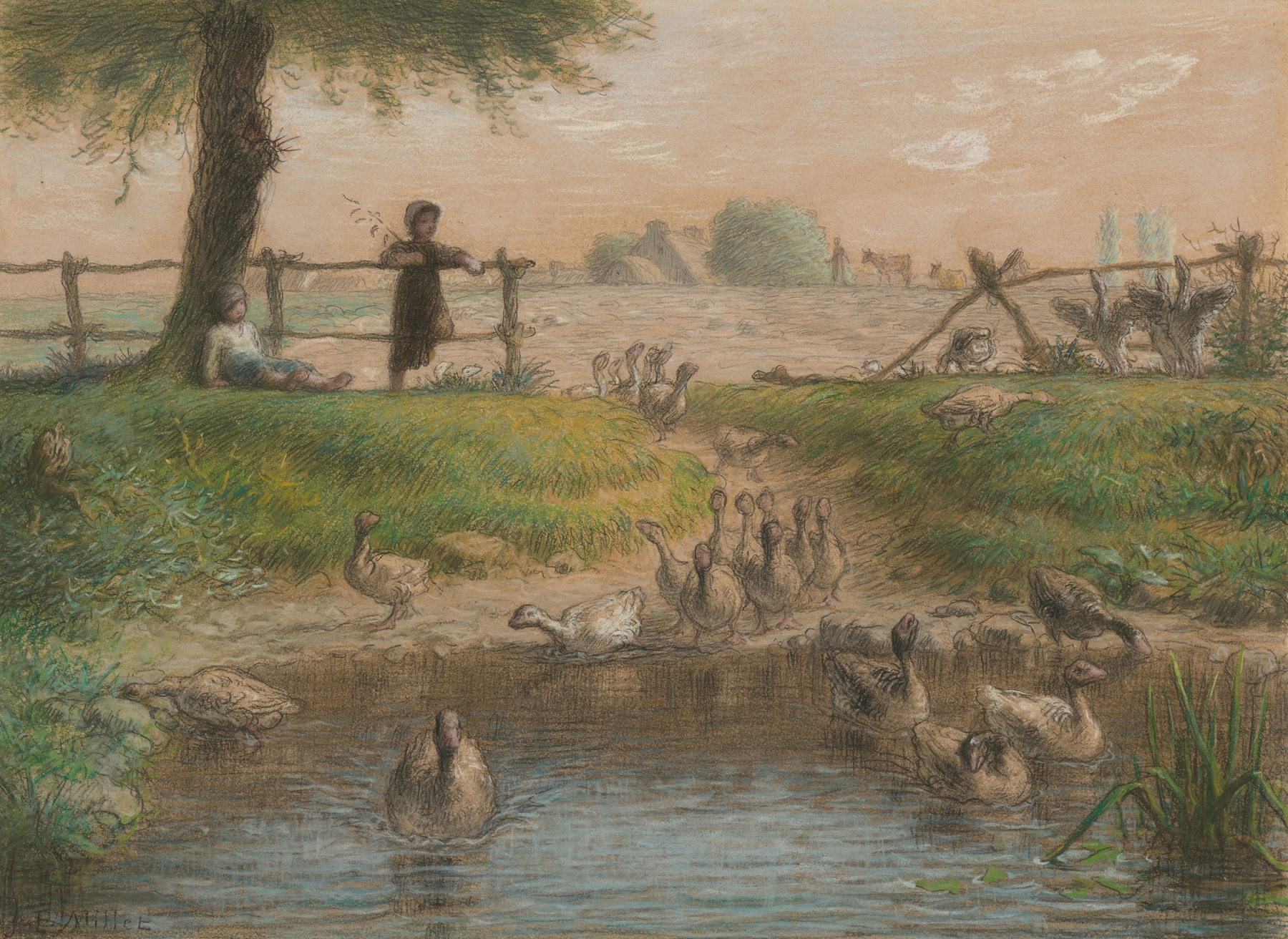
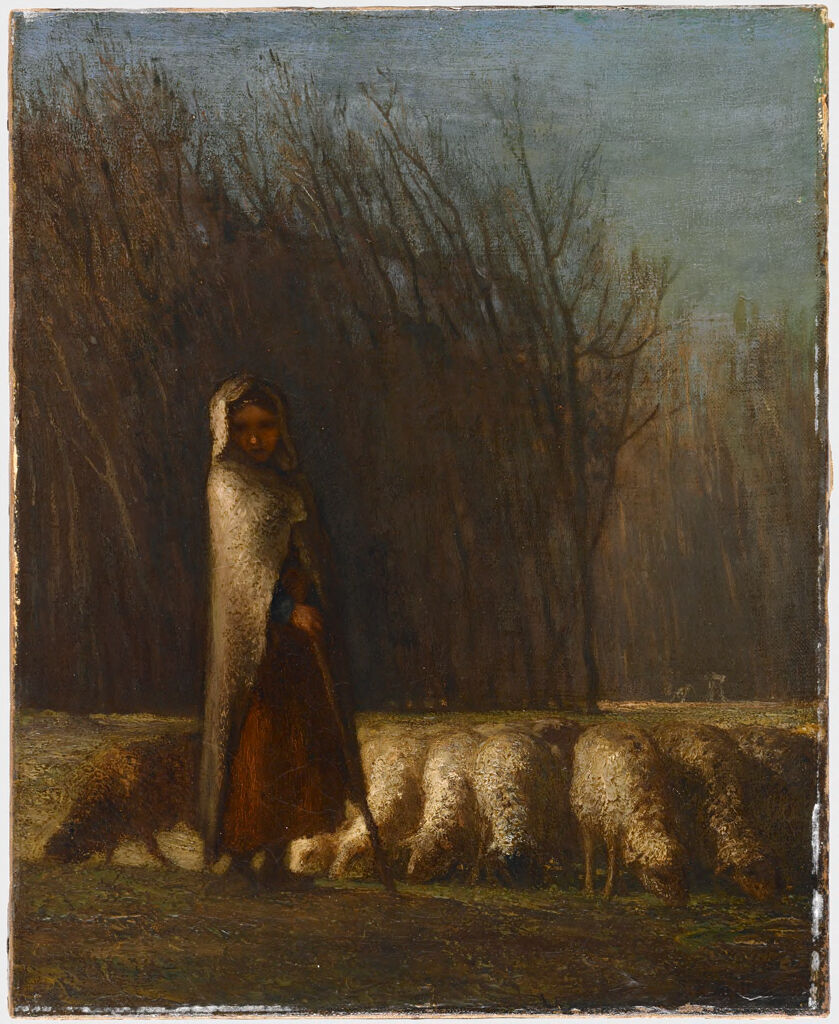
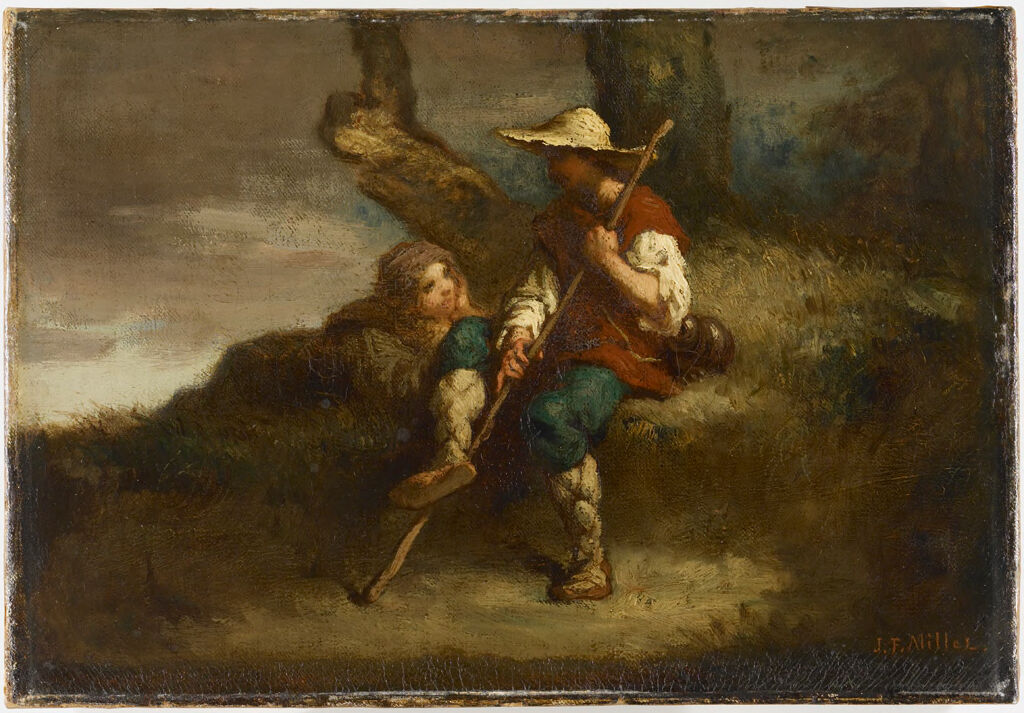
What secret hides in the quiet of the canvas? The stillness of Shepherds Resting invites contemplation, teasing our perception of reality against the backdrop of pastoral life. Focus on the serene figures nestled in the gentle embrace of the landscape. Notice how the warm earth tones envelop the shepherds, with the skies painted in soft, muted blues. The contrast between the rugged texture of the ground and the smoothness of their silhouettes creates a palpable depth that draws you in.
The light, diffused and golden, bathes them in a comforting glow, casting long shadows that hint at the weight of their labor, yet also provide a sanctuary of rest. Delve deeper, and you'll uncover layers of meaning concealed within simple imagery. The shepherds, though at ease, evoke a sense of timeless toil, suggesting both the fragility and endurance of rural existence. The quietude of their moment belies the hardships of their lives, a tension between labor and leisure that reflects the universal struggle for peace amidst relentless duty.
Moreover, the illusion of tranquility invites viewers to ponder their own lives: are we not all shepherds, seeking moments of respite in a demanding world? During the years when this piece was created, the artist was deeply involved in exploring themes of rural life and labor in France. Painted between 1846 and 1847, it emerged at a time when Millet's focus on the dignity of peasant life was gaining recognition amid the broader art movements of realism. This period marked a pivotal shift in art, where the struggles and joys of common folk began to garner appreciation, reflecting the social changes sweeping across Europe.