The Old Mill — History & Analysis
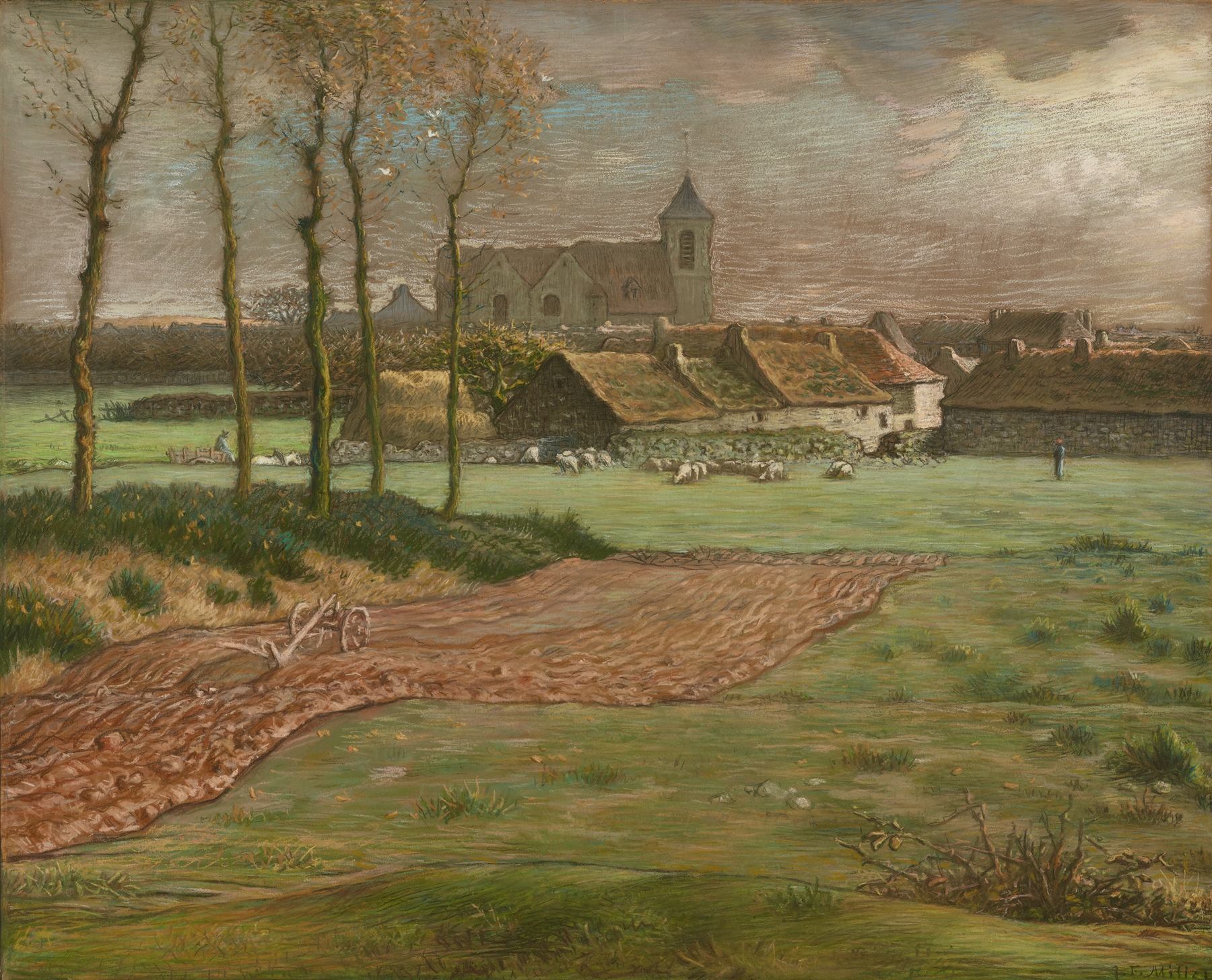
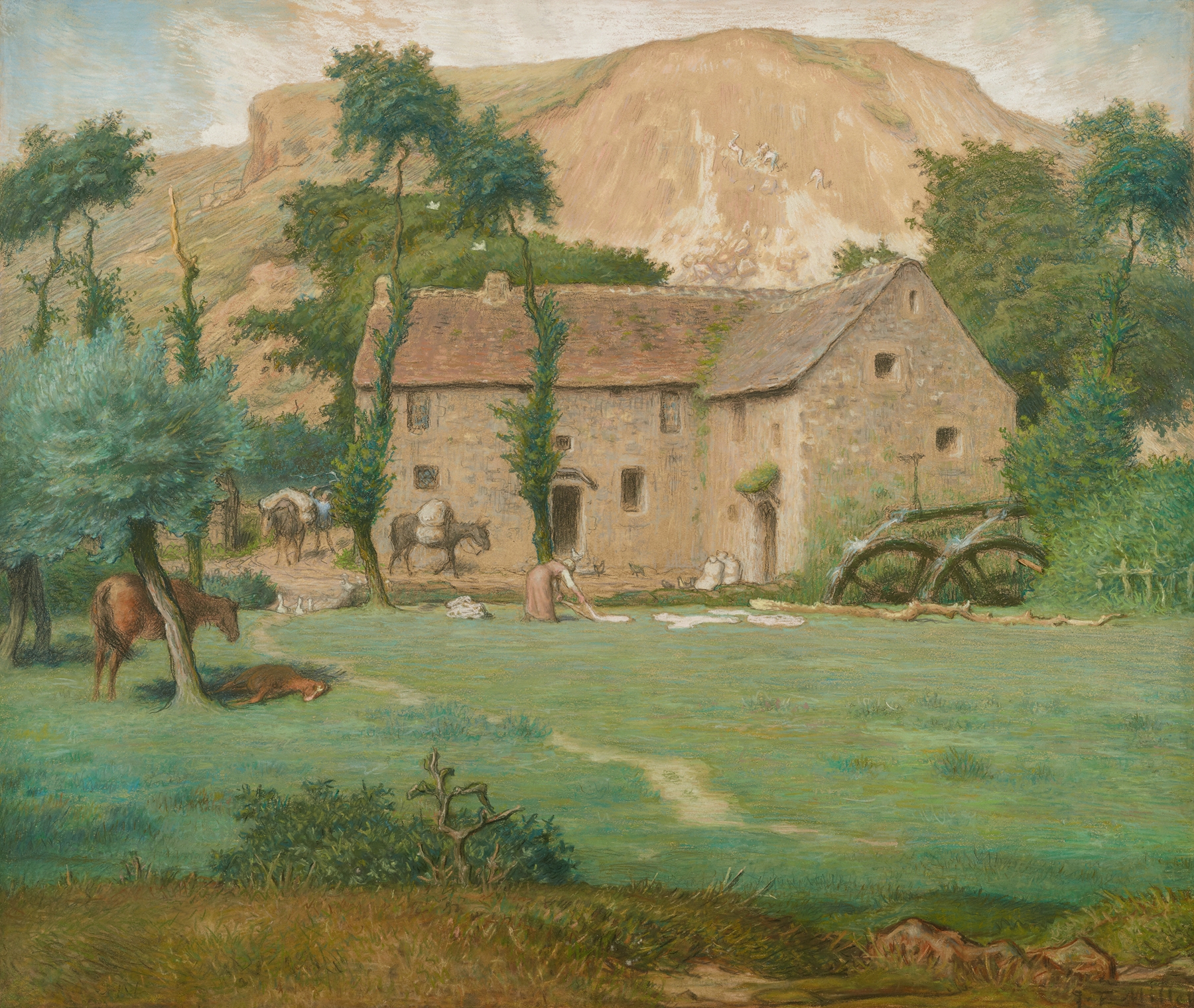
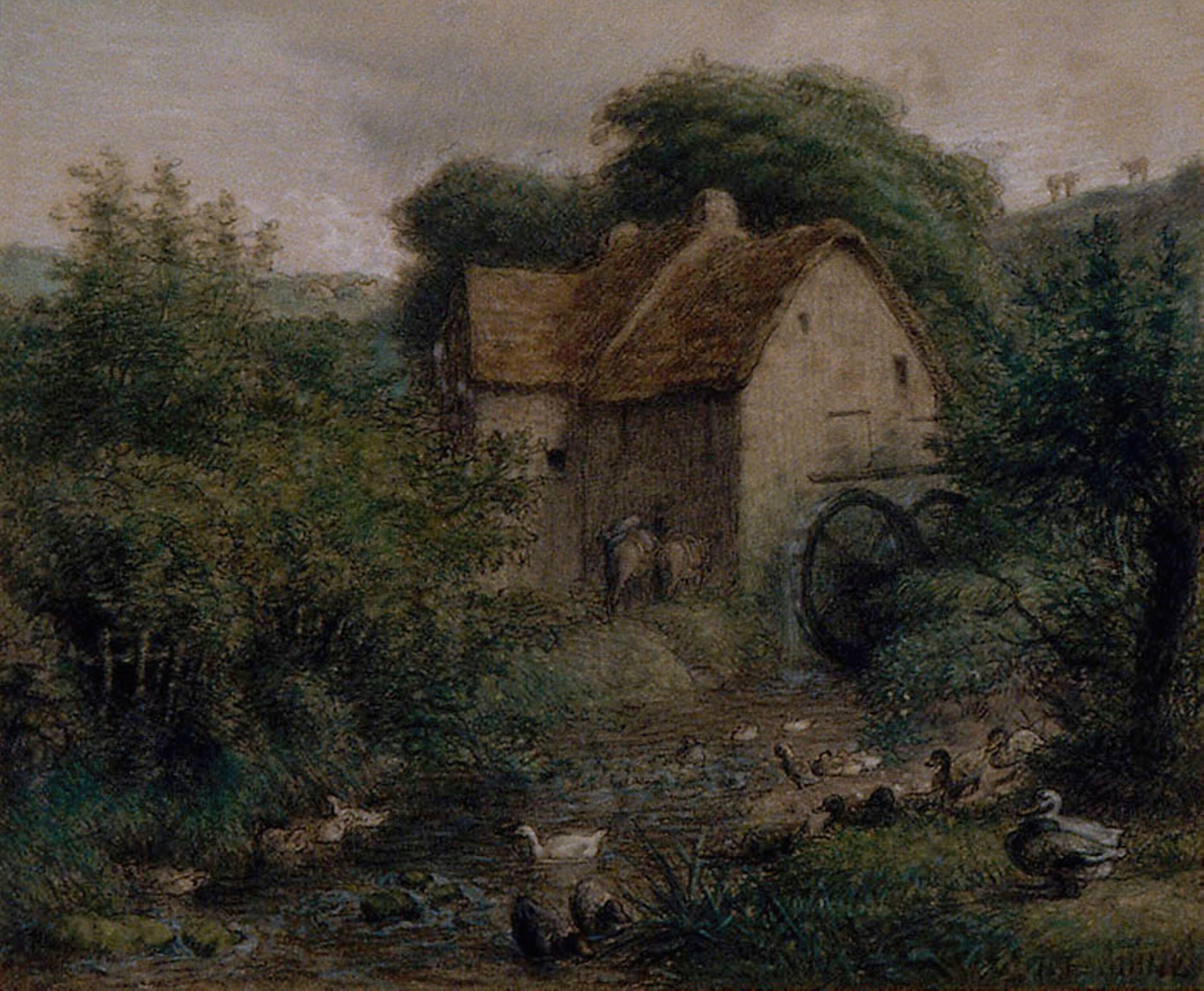
What if beauty was never meant to be finished? In The Old Mill, the essence of mortality permeates the air, reminding us of the ephemeral nature of existence. Focus your gaze on the sturdy, weathered mill that stands resolute against a backdrop of rolling fields and billowing clouds. Notice how the soft, muted palette of browns and greens evokes a sense of tranquility, while the play of light highlights the textures of the mill’s aged wood.
The gentle strokes breathe life into the scene, inviting you to explore the subtle details—a scattering of wildflowers at the base, patches of sunlight dappled over the landscape, and the faintest hint of movement in the grasses, suggesting the quiet persistence of nature. Hidden meanings abound in this pastoral scene. The mill, a symbol of labor and productivity, contrasts with the stillness of the surroundings, embodying the tension between human endeavor and nature’s slow march toward decay. The looming clouds whisper of impending change, perhaps a reminder of the relentless passage of time.
In its simplicity, the painting speaks profoundly to the cycle of life, presenting a moment that feels both serene and transient. During the years 1866 to 1870, the artist worked in the rural village of Barbizon, France, a hub for the Barbizon School that sought to capture the essence of rural life. Millet, known for his focus on the dignity of peasant work, was navigating a period of personal hardship yet remained steadfast in his artistic vision. Amidst an evolving art world that was increasingly drawn to modernity, his work continued to celebrate the beauty found in the everyday, while also confronting the inevitability of mortality.