Théodore Rousseau’s House In Barbizon — History & Analysis
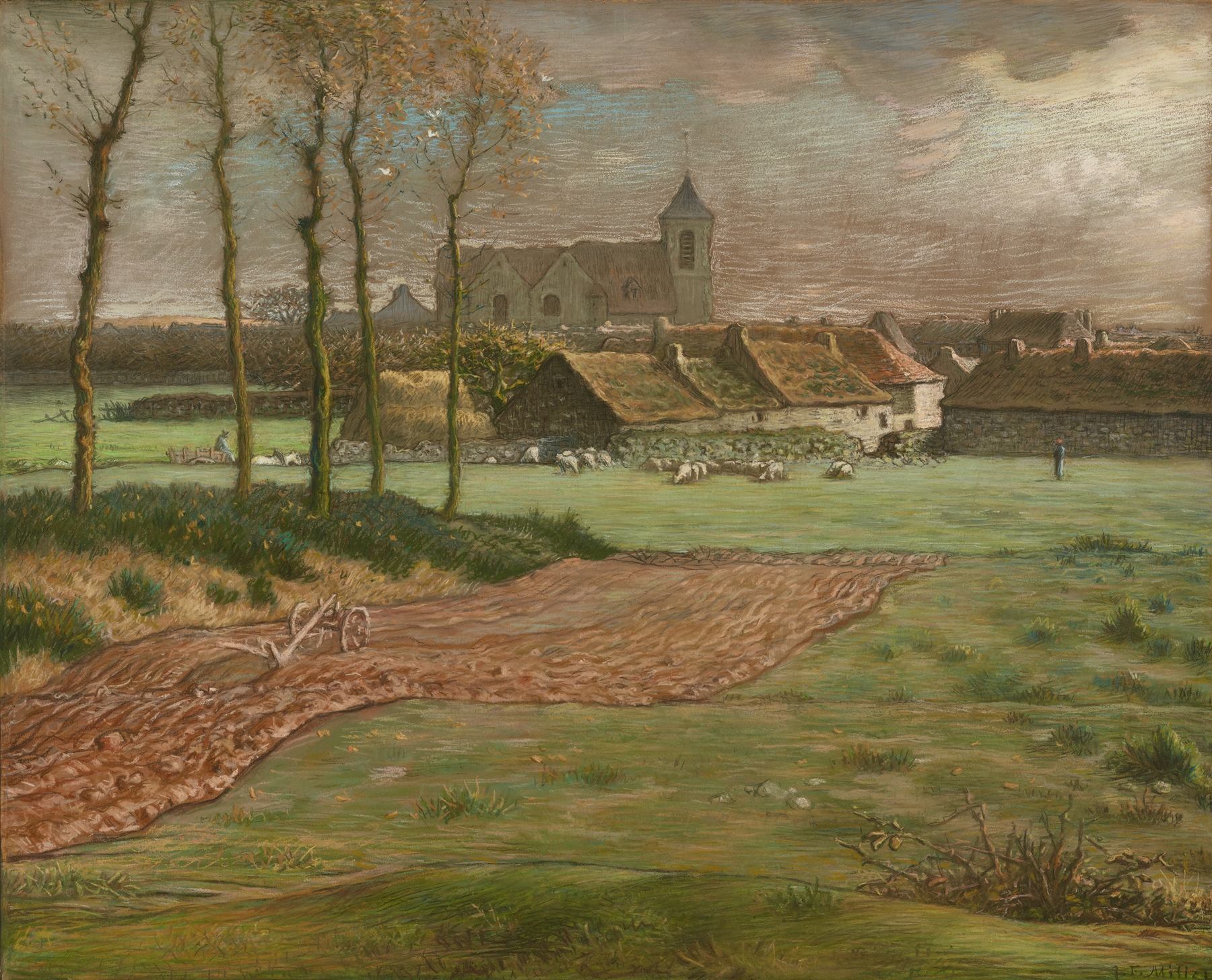
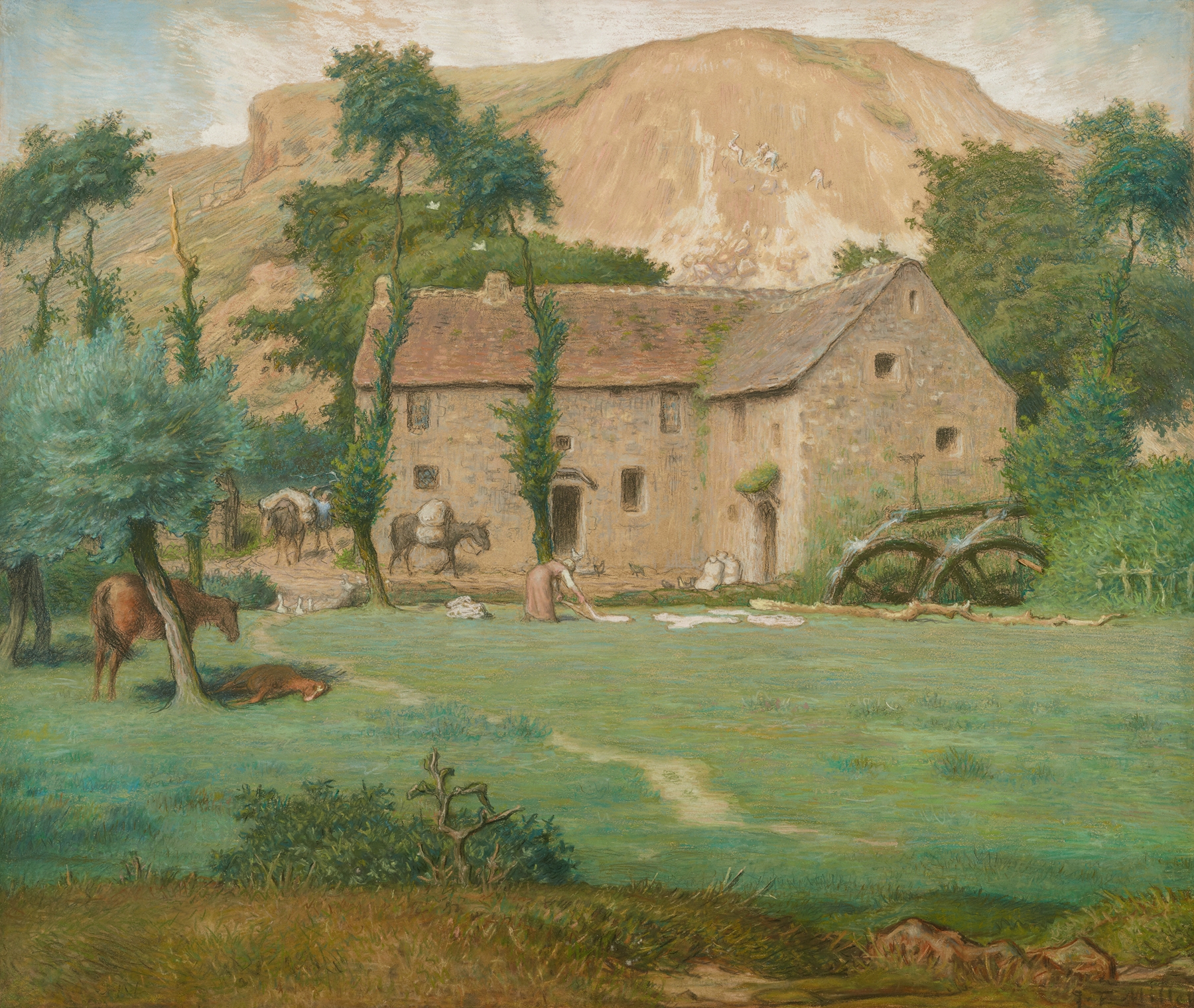
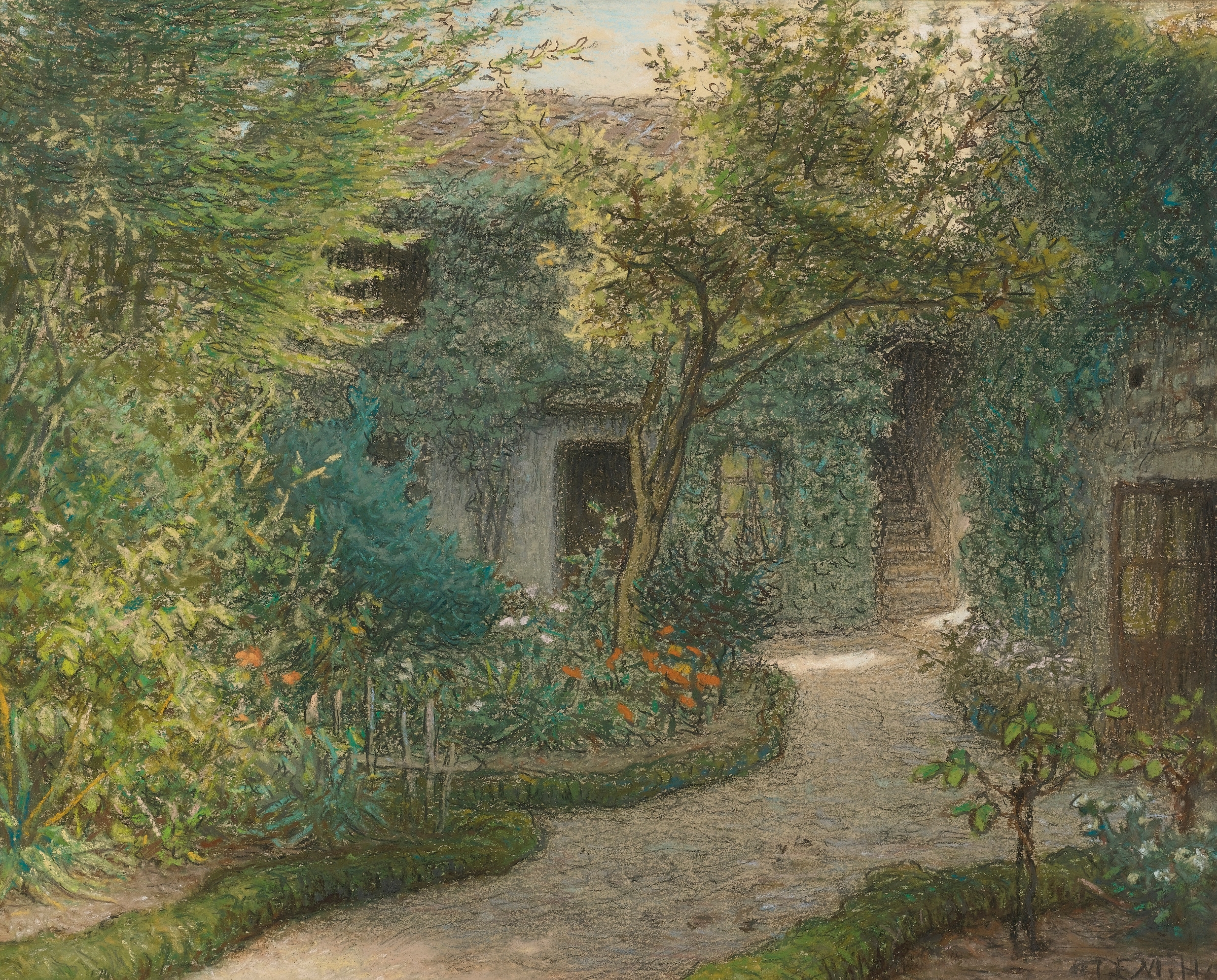
Could beauty survive in a century of chaos? In the heart of rural France, a humble abode stands as a testament to the resilience of nature and artistry, captured in a moment where peace seems eternal. Look to the center of the canvas, where the quaint house emerges, framed by an expanse of lush greenery. The earth tones of the structure harmonize with the soft greens of the surrounding foliage, inviting viewers to pause and breathe in the tranquility.
The dappled light filters through the leaves, creating a delicate interplay of shadow and illumination, while the brushstrokes convey a sense of movement, as if the wind whispers through the trees, urging us to step closer. Within the stillness lies a profound contrast. The simplicity of the house against the vibrant life encircling it suggests a sanctuary amidst the chaos of the human experience. Each blade of grass and stretch of sky holds stories of time, evoking a sense of nostalgia and belonging.
This interplay of manmade and natural beauty reflects an inherent tension: the fragility of serenity in a world constantly moving forward. This artwork was created during a pivotal era for its creator, who spent time in Barbizon, a village that would become central to the Barbizon School of painters. Emerging in the mid-19th century, the artist sought to capture the essence of rural life and the beauty of nature. At this time, the art world was shifting towards realism, and he was profoundly influenced by the changing landscapes of both nature and society.