The Coast at Gréville — History & Analysis
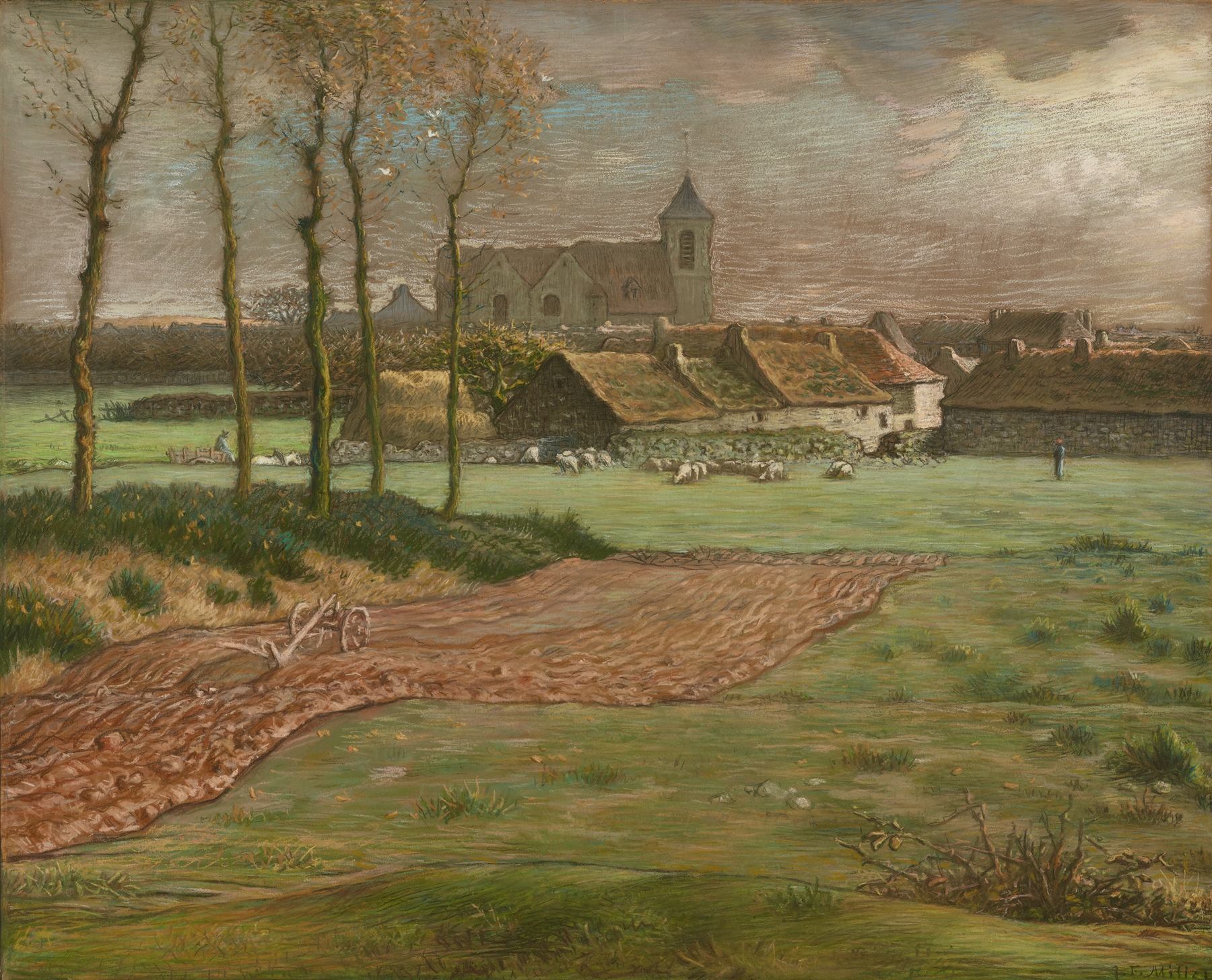
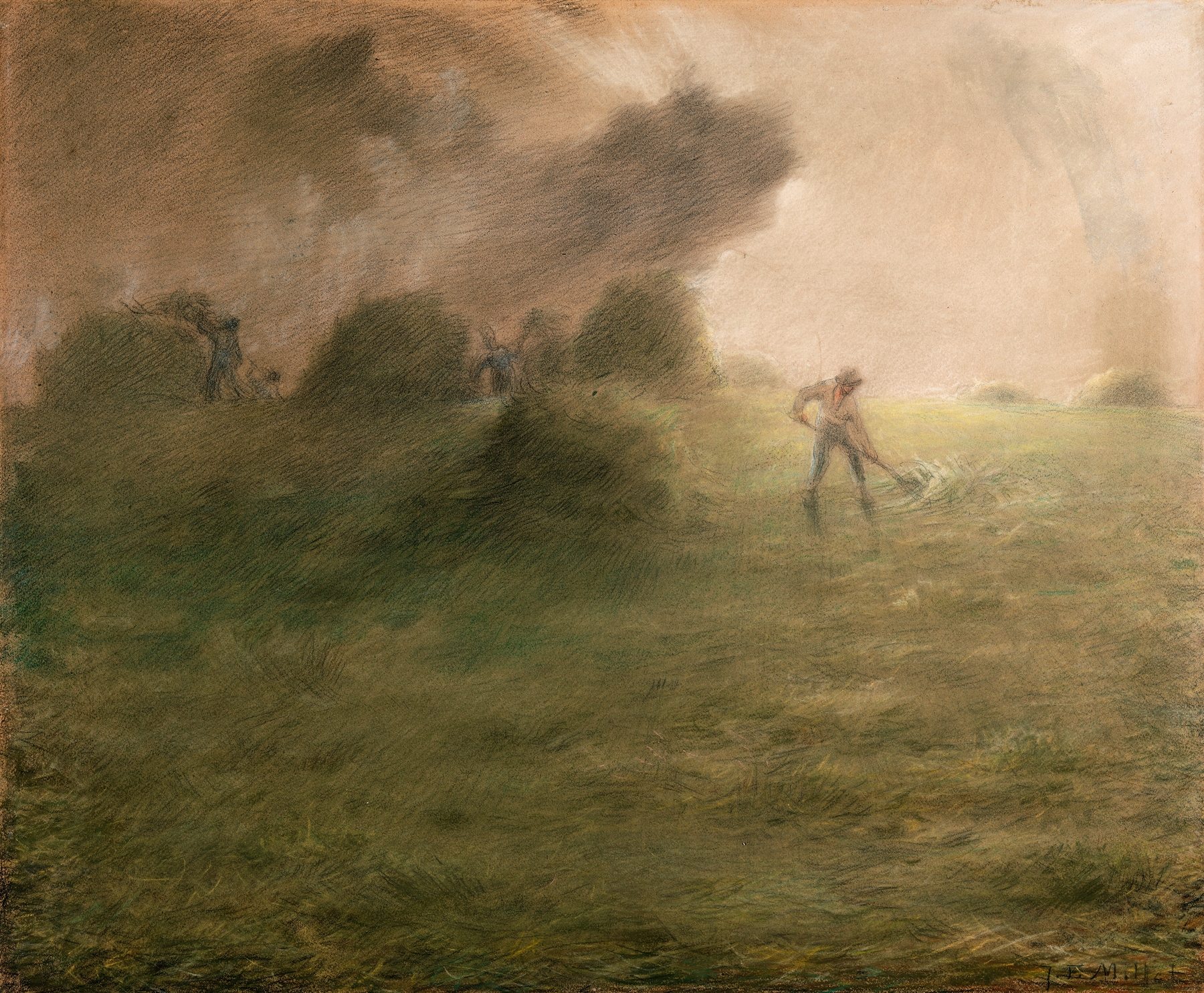
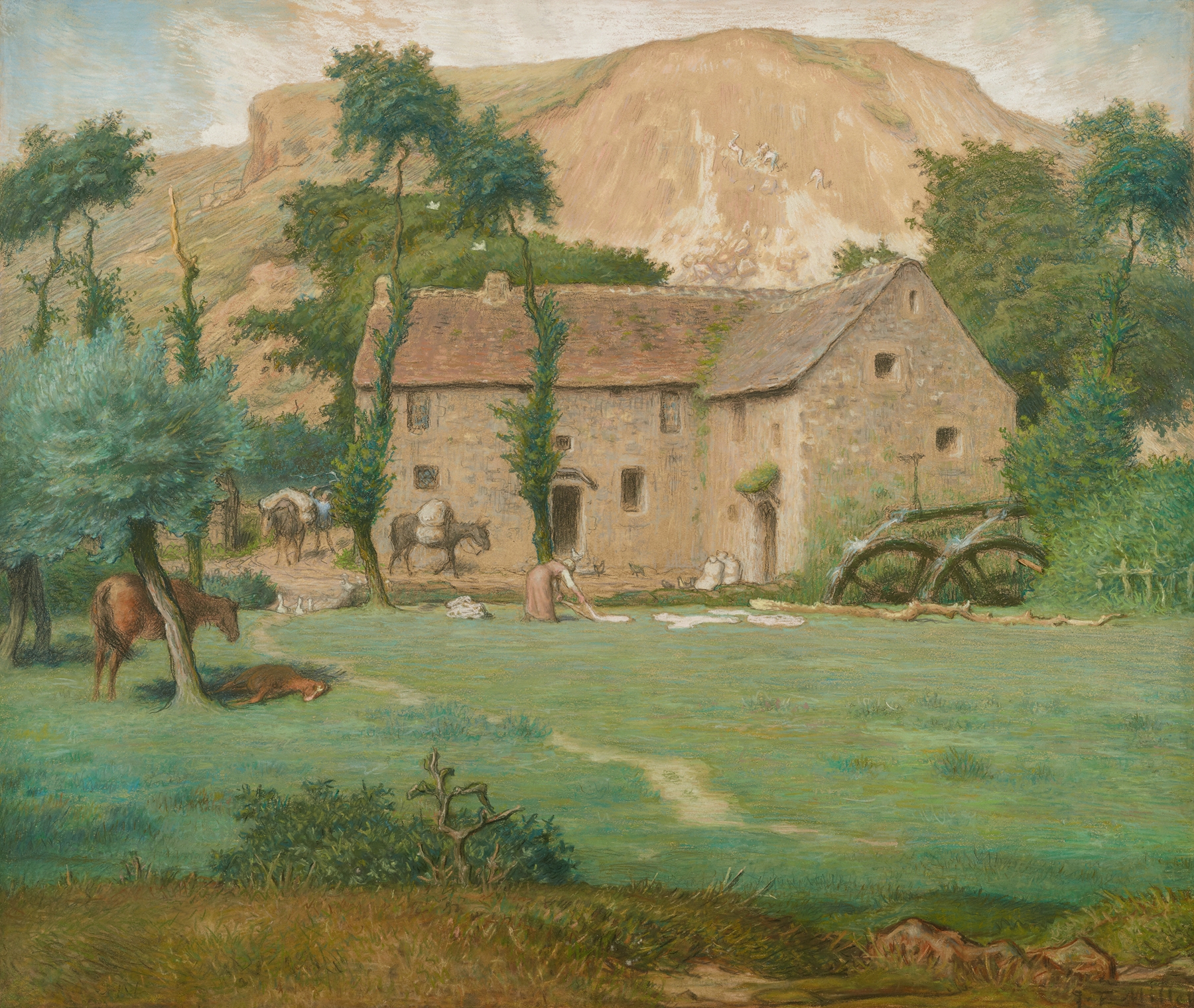
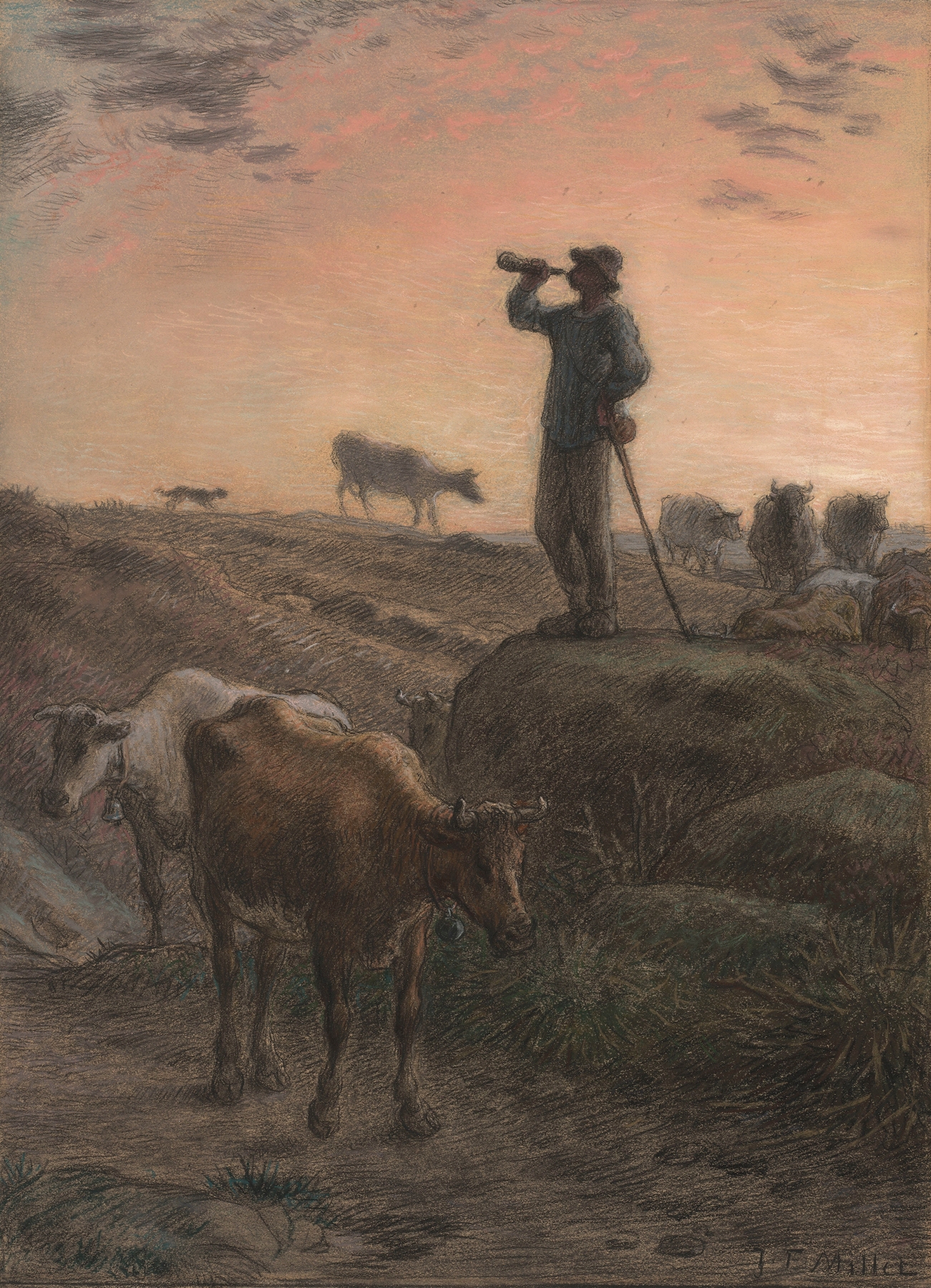
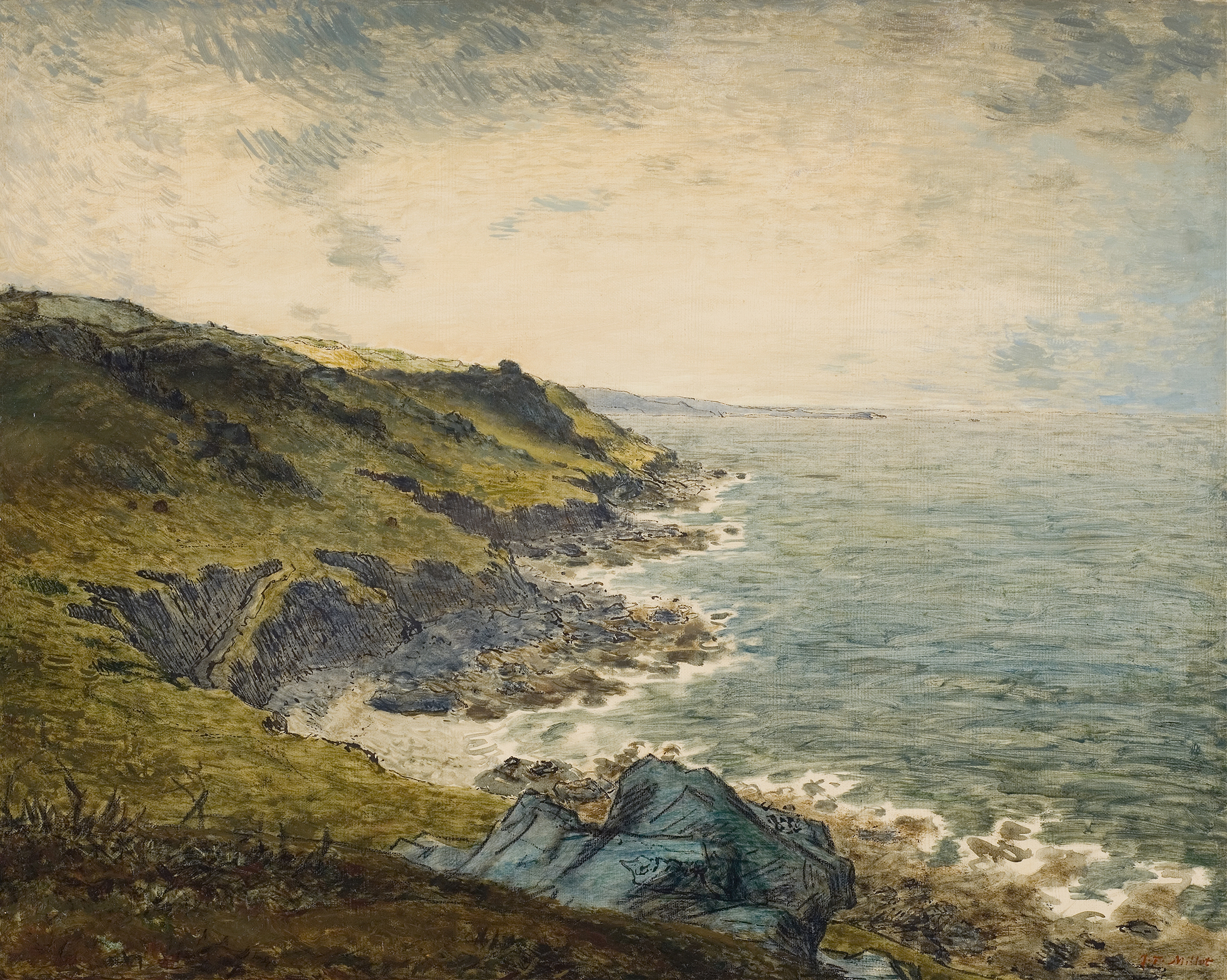
Can paint confess what words never could? In the gentle strokes of a seaside landscape, a legacy unfolds, whispering tales of nature and humanity intertwined. Focus on the horizon, where the soft blues of the sky meet the muted greens of the sea, merging into a tranquil embrace. Notice how the brushwork captures the movement of waves, each crest rendered with delicate precision, while the cottages perched along the coastline suggest a story of resilience and simplicity.
The palette of earthy tones juxtaposed with the vibrant hues of the shore evokes a sense of harmony, inviting the viewer to linger. Amidst the serene beauty, there lies a deeper narrative—the contrast between the wildness of nature and the quietude of human existence. The cottages symbolize shelter, yet they stand small against the vastness of the sea, reminding us of our fleeting presence in the grand scheme of the natural world. The gentle brushstrokes mirror the rhythm of life, hinting at the passage of time and the enduring connection we share with the environment.
Created during a period of personal introspection and artistic evolution, this work reflects Millet's dedication to portraying rural and coastal life. Painted in France during the 19th century, it emerged amidst a growing interest in realism and the everyday struggles of the working class. As Millet sought to capture life's authenticity, The Coast at Gréville serves not just as a visual feast but as a testament to the enduring legacy of nature and human perseverance.