Shinkyō, Sacred Bridge at Nikkō — History & Analysis
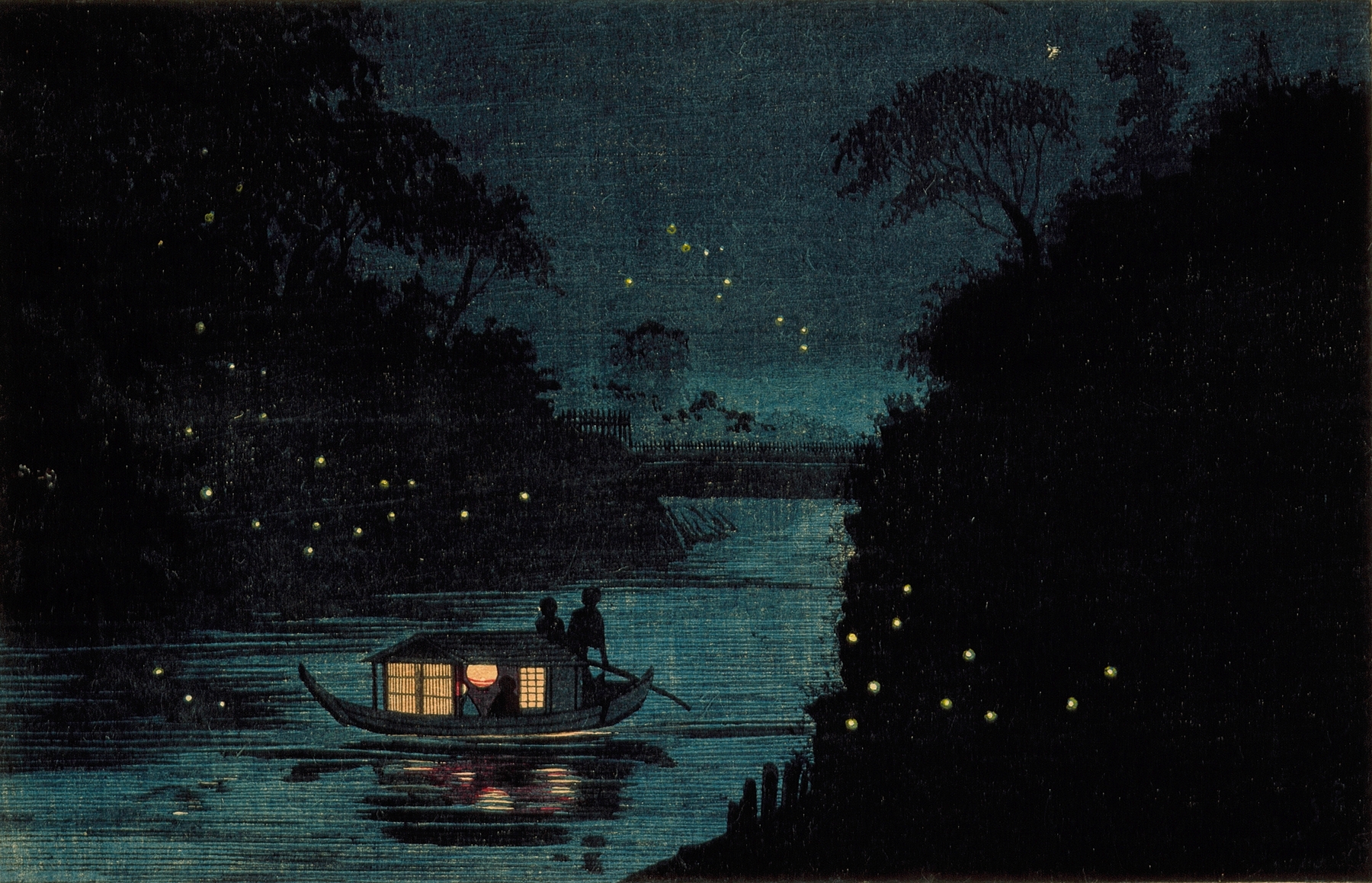
“Between color and silence, truth hides.” In Shinkyō, Sacred Bridge at Nikkō, vibrant hues dance alongside an unspoken stillness, capturing the fleeting essence of existence itself. Look to the center of the piece where the bridge arches gracefully over the serene waters below. The vivid reds and greens pulse against a backdrop of lush foliage, each stroke a testament to Kiyochika's mastery of color and light. Notice how the delicate interplay of shadows creates an ethereal quality, inviting the viewer to step closer and lose themselves in the tranquility of the scene.
Hidden within this picturesque vista lies a deeper resonance with mortality. The bridge, with its stunning beauty, becomes a symbol of the transient moments in life, bridging the gap between the earthly realm and the spirit world. The quiet flow of the river beneath suggests the relentless passage of time, reminding us that peace is often fleeting, even in nature's most hallowed spaces. The juxtaposition of vivid colors against the serene expanse evokes both joy and a gentle melancholy.
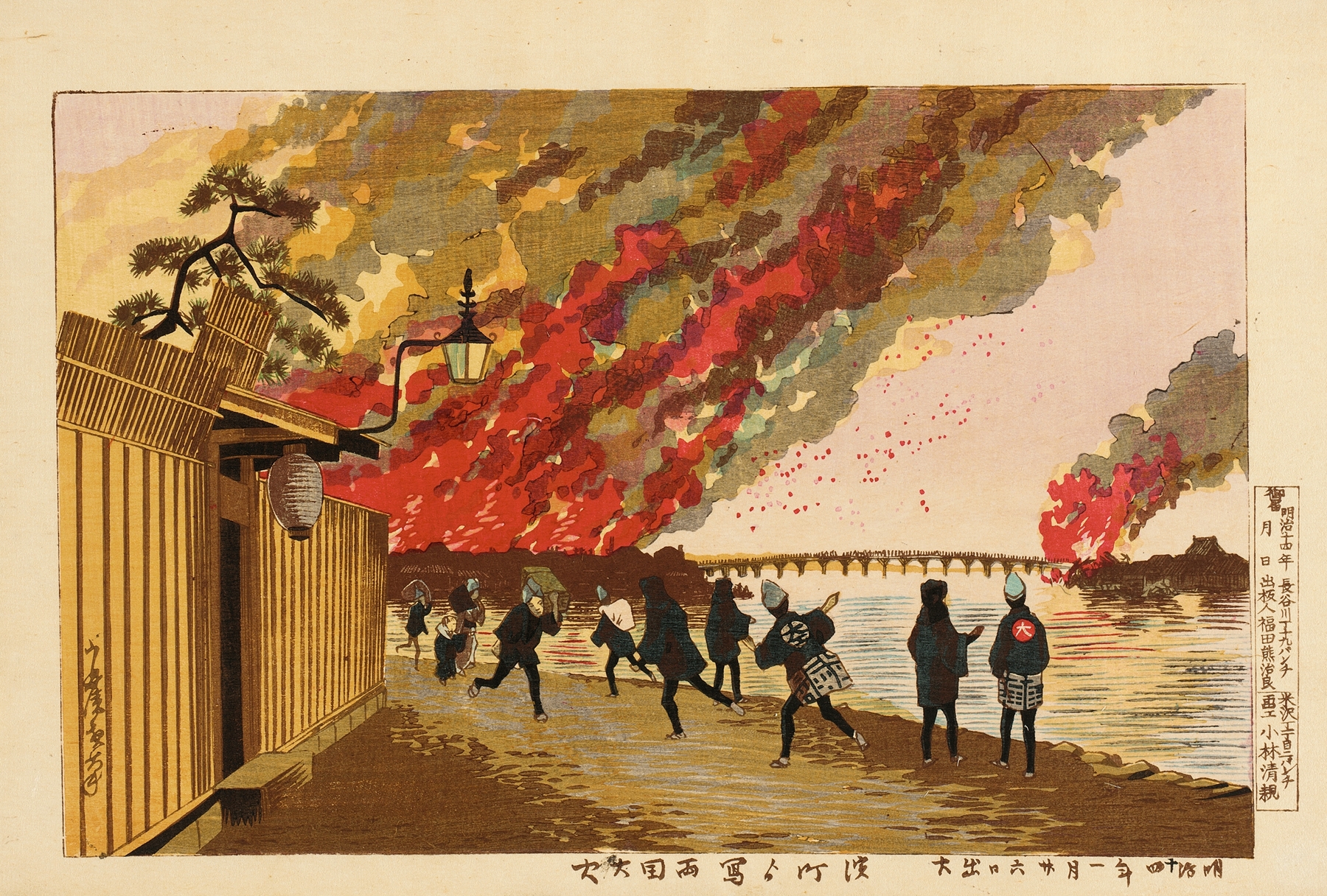
In 1897, Kobayashi Kiyochika painted this work during a period of rapid modernization in Japan. As the country transitioned from its feudal past to embrace Western culture, Kiyochika sought to preserve traditional aesthetics through his art. He absorbed the influence of ukiyo-e while also engaging with new techniques and themes, capturing the essence of his homeland amidst the changes swirling around him.