The Moon At Shinagawa — History & Analysis
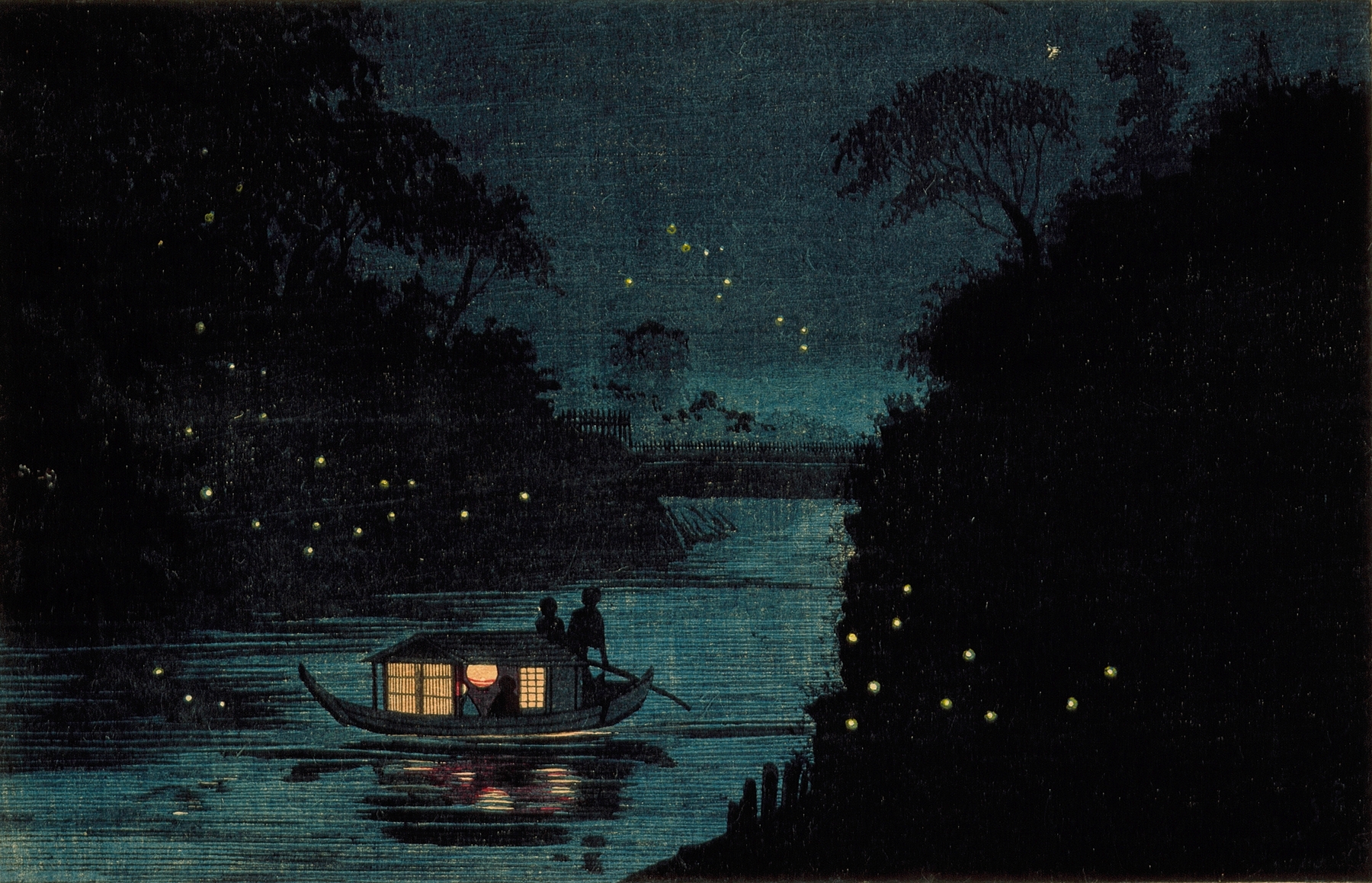
“The canvas doesn’t lie — it simply waits.” In the soft glow of twilight, destiny drips from the edges of a world caught between the familiar and the ethereal. The Moon at Shinagawa whispers of a fleeting moment where time stands still, allowing the viewer to reflect on their own journey. Look to the center of the composition, where the luminous moon casts a silver sheen over tranquil waters. Notice how the delicate brush strokes create a shimmering reflection, almost beckoning you closer.
The contrasting hues of deep indigo and muted gold evoke an atmosphere steeped in tranquility, while the distant silhouettes of boats and trees frame the scene, inviting exploration into this serene nocturnal landscape. Beneath the surface, the painting suggests a deeper narrative of longing and transition. The moon, emblematic of fate, oversees both the bustling life of the shore and the calm solitude of the water. It evokes a sense of duality—the chaos of the world juxtaposed against the peace offered by nature’s nightfall.
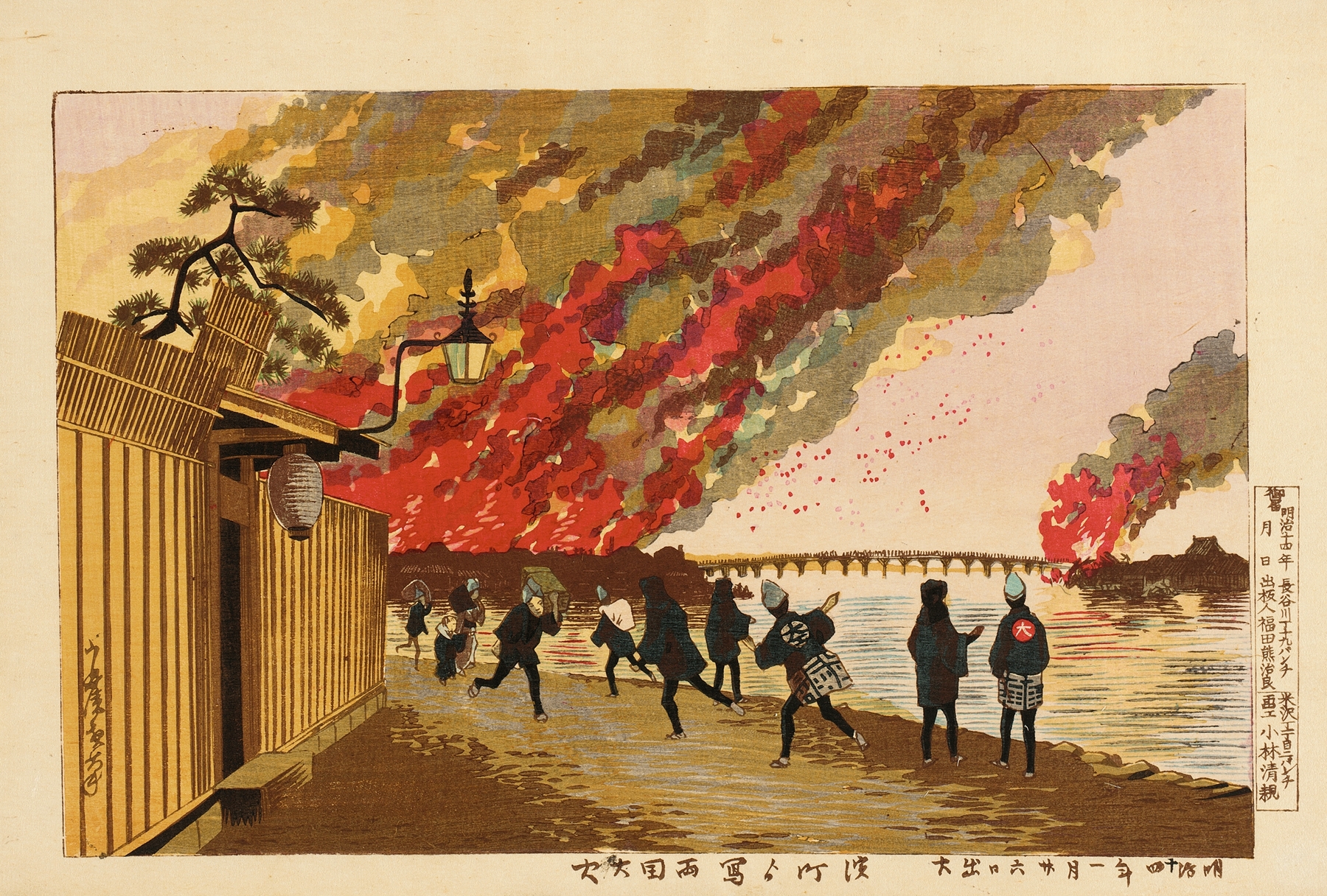
Here, destiny is not merely a point of arrival but an ongoing journey, urging introspection and evoking a sense of wonder about what lies ahead. Kobayashi Kiyochika created this work in 1884, during a period of great transformation in Japan, where tradition began to clash with modernity. As the country opened up to Western influences, Kiyochika was at the forefront of this artistic evolution, blending elements of traditional ukiyo-e with Western techniques. This piece reflects his keen observation of the shifting world around him, capturing a moment in time that speaks to both personal and collective destinies.