Evening at Tōshōgū Shrine, Ueno, Tokyo — History & Analysis
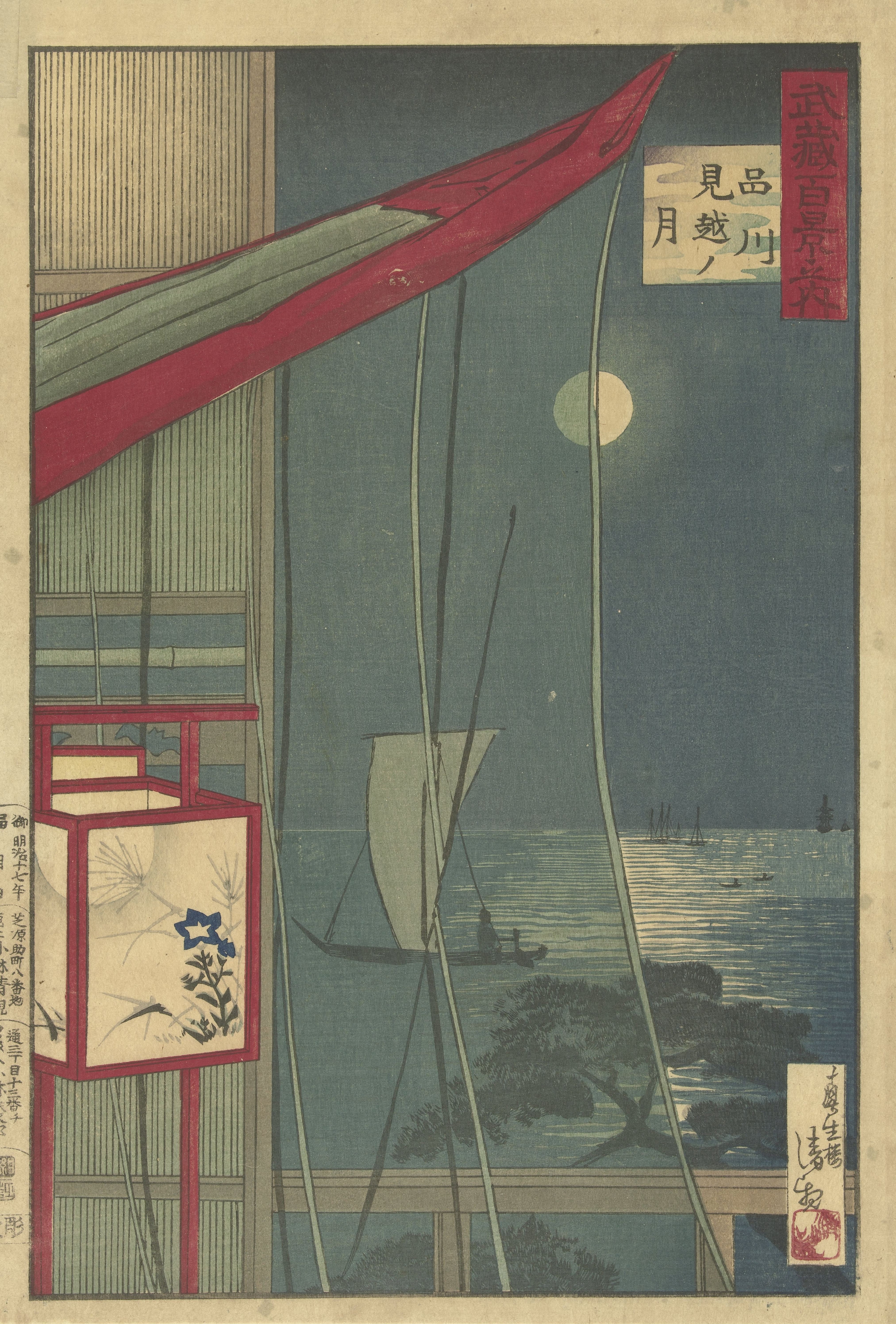
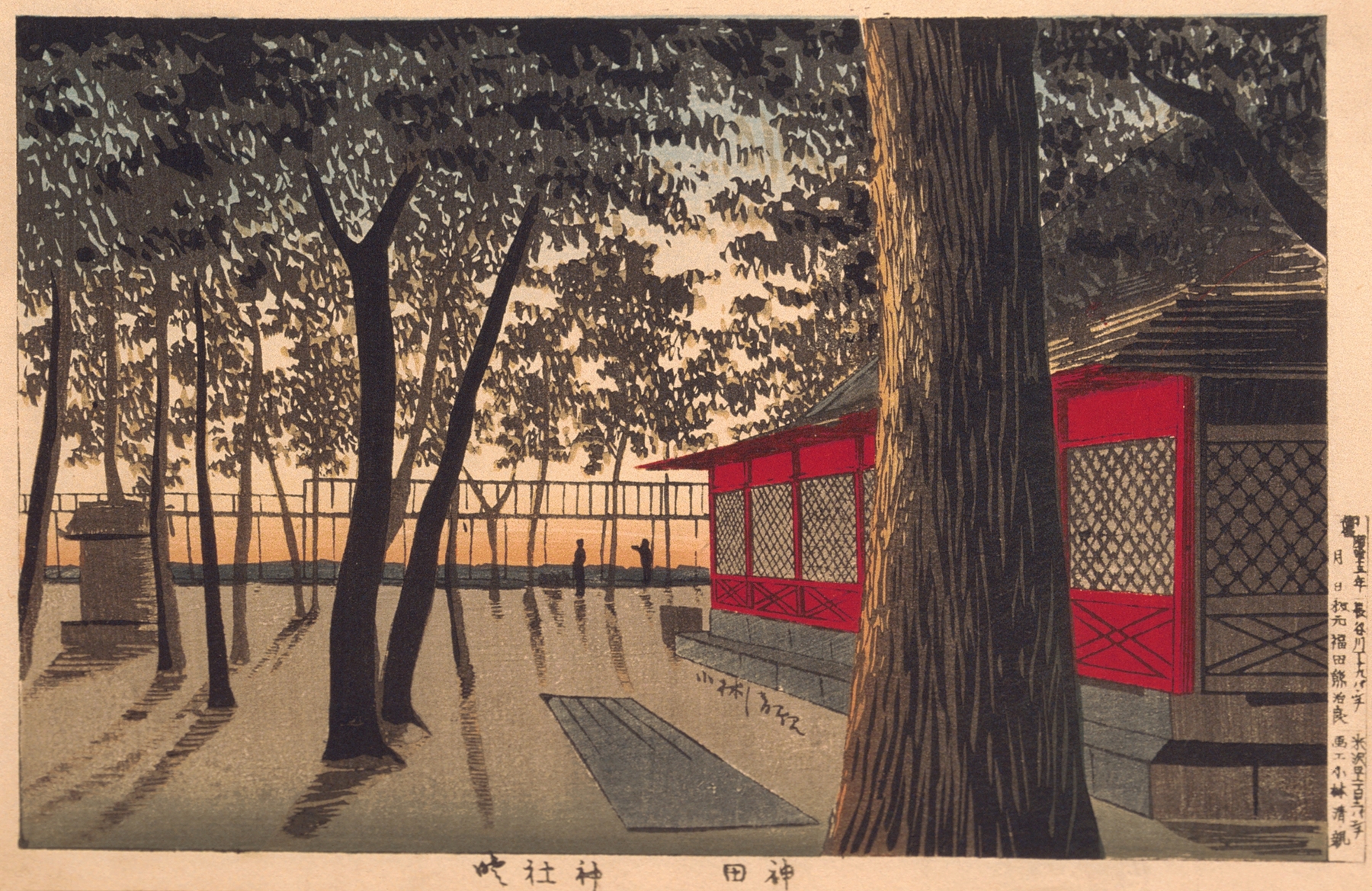
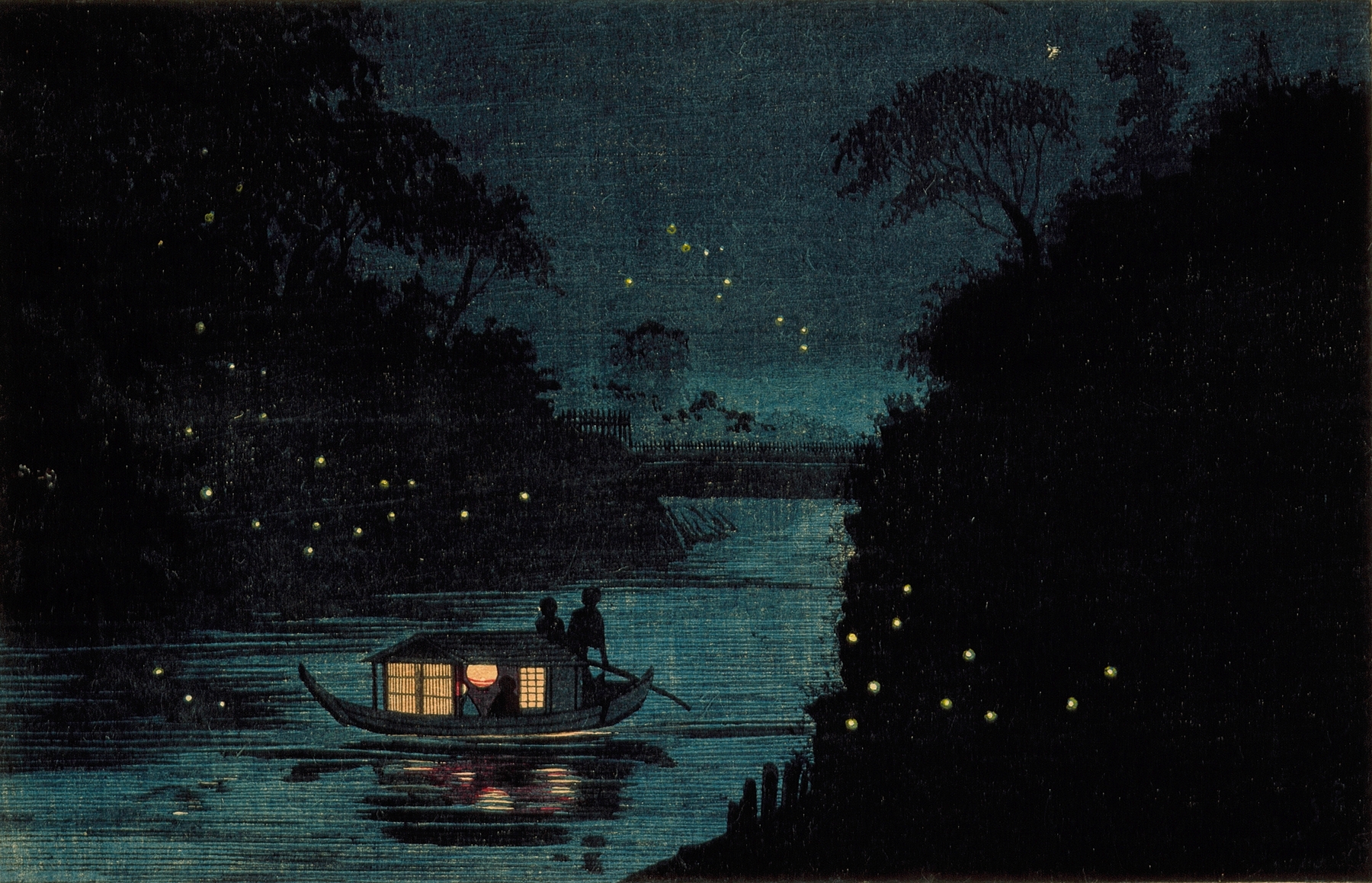
What if beauty was never meant to be finished? In the serene twilight, a stillness hangs in the air, suggesting that the moment captured at Tōshōgū Shrine is destined to echo eternally. Look to the left at the towering vermilion torii gate, its vibrant hue dramatized by the deepening blue of dusk. Notice how the delicate brushwork captures the unique texture of the stone lanterns, their subtle glow flickering like whispers of forgotten prayers.
The soft gradient from orange to indigo in the sky invites contemplation, drawing the viewer's gaze into a dialogue between the human-made and nature's majesty. Within this tranquil scene lies a complex interplay of permanence and transience. The shrine stands as a testament to cultural heritage, yet the fleeting light of evening reminds us of life's impermanence. Shadows stretch across the ground, evoking a sense of nostalgia, while the silhouettes of trees frame the shrine, anchoring it in a moment that feels both sacred and ephemeral.
This juxtaposition sparks questions about our relationship with history and the experiences that shape our destinies. Kobayashi Kiyochika created this piece in 1881 during a time of significant transition in Japan. The Meiji Restoration had recently transformed the nation, and the artist sought to capture the beauty of traditional landscapes amidst modernization. His work reflects a profound reverence for the past, while simultaneously embracing the new artistic styles emerging in a rapidly changing world.