Fireflies at Ochanomizu — History & Analysis
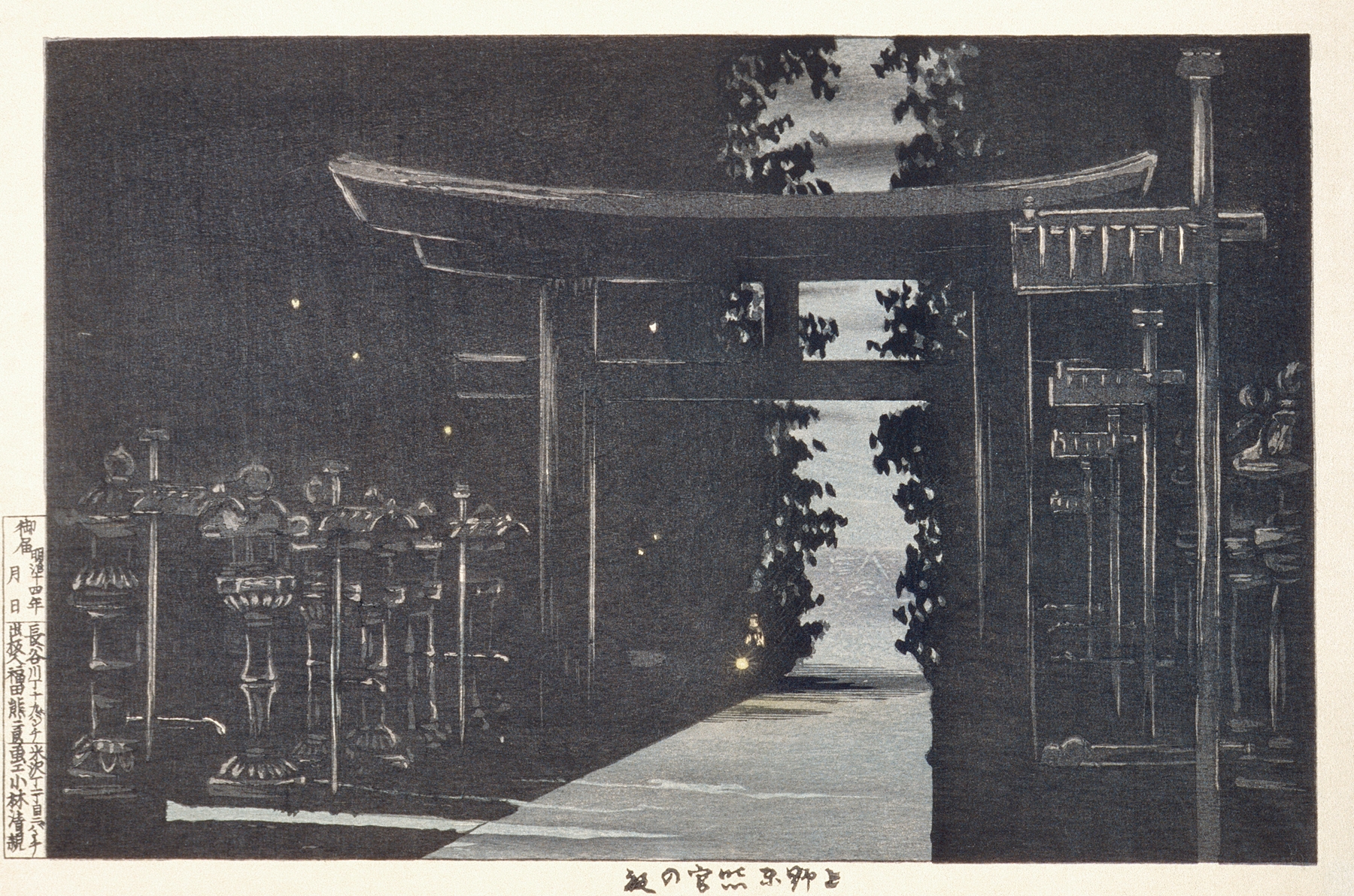
What if beauty was never meant to be finished? In Fireflies at Ochanomizu, there lies an ephemeral tranquility that captures the essence of fleeting moments, beckoning us to pause in reflection. Focus on the luminous glow that sprinkles the darkness, drawing your gaze to the gentle flickering of fireflies dancing through a serene night sky. Notice how the delicate strokes of ink and color blend seamlessly, establishing a dreamlike atmosphere that envelops the viewer.
The soft blues and greens create a calming depth, while the intricate details of the surrounding scenery lead your eyes along a visual journey, inviting you to explore every hidden nook and cranny. Within this harmonious composition resides a poignant contrast between the transient nature of the fireflies and the enduring stillness of the landscape. The delicate movement of the tiny creatures suggests vitality, yet their fleeting presence reminds us of the impermanence of beauty itself. This duality evokes a sense of longing, allowing the viewer to contemplate the elusive moments that shape our understanding of serenity.
In 1880, Kobayashi Kiyochika created this piece during a transformative era in Japanese art, as Western influences began to meld with traditional aesthetics. Living in Tokyo amidst social and cultural changes, Kiyochika sought to capture the essence of modern life while paying homage to Japan's natural beauty. This painting, infused with his skillful use of light and shadow, reflects his dedication to finding harmony in a rapidly changing world.